A vibrant and time-efficient rendition of a classic Levantine salad, this "Easy Fattoush Salad (1 Bowl, 20 Minutes!)" recipe offers a modern approach to a traditional dish, making it accessible for weeknight meals. The recipe, detailed on MinimalistBaker.com, emphasizes fresh ingredients, a speedy preparation time, and a singular bowl for minimal cleanup, aligning with contemporary culinary trends that prioritize both flavor and convenience.
The Essence of Fattoush: A Levantine Staple
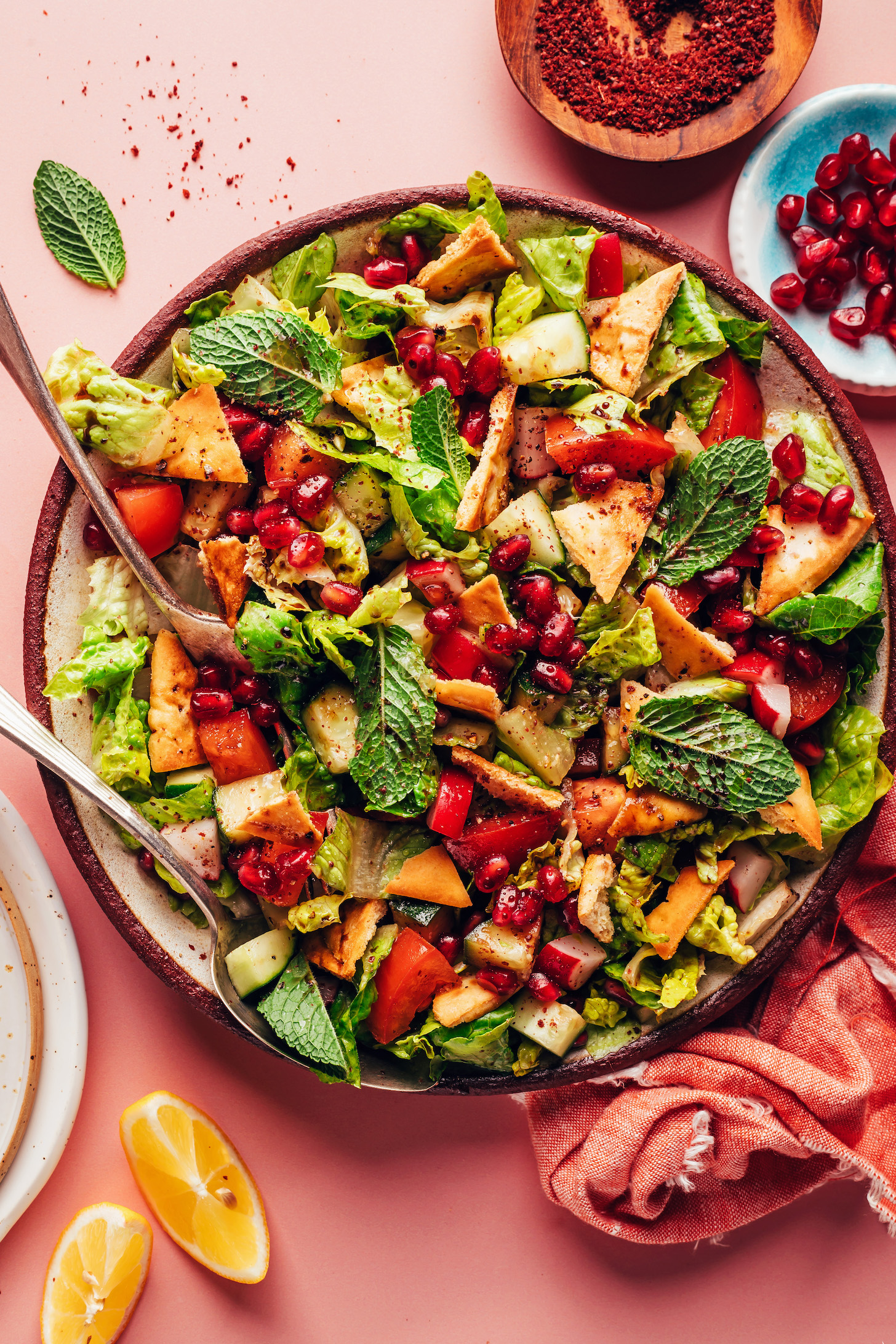
Fattoush, originating from the Levant region—an area encompassing countries like Lebanon, Syria, Jordan, and Palestine—is a celebrated salad known for its invigorating blend of textures and tastes. Traditionally, it features a medley of crisp vegetables, fragrant herbs, and a distinctive crunch provided by toasted or fried pieces of flatbread. A key ingredient that imparts its characteristic tang is sumac, a crimson spice derived from dried berries. Pomegranate molasses, a thick, syrupy reduction of pomegranate juice, often plays a crucial role, adding another layer of bright, sour notes that define the salad’s profile.
The recipe presented by Minimalist Baker presents an "inspired take" on this classic, aiming to capture its essential characteristics while streamlining the preparation process. It highlights a focus on fresh, crunchy vegetables, complemented by a zesty dressing and the inclusion of pomegranate arils for bursts of sweetness and visual appeal.
A Culinary Innovation for the Modern Kitchen
This particular iteration of fattoush is designed with the busy home cook in mind. The emphasis on a "1-bowl" preparation and a "20-minute" total time underscores its weeknight-friendly nature. This approach reflects a broader shift in culinary preferences, where consumers seek dishes that are not only delicious but also practical and quick to assemble, especially amidst demanding schedules.
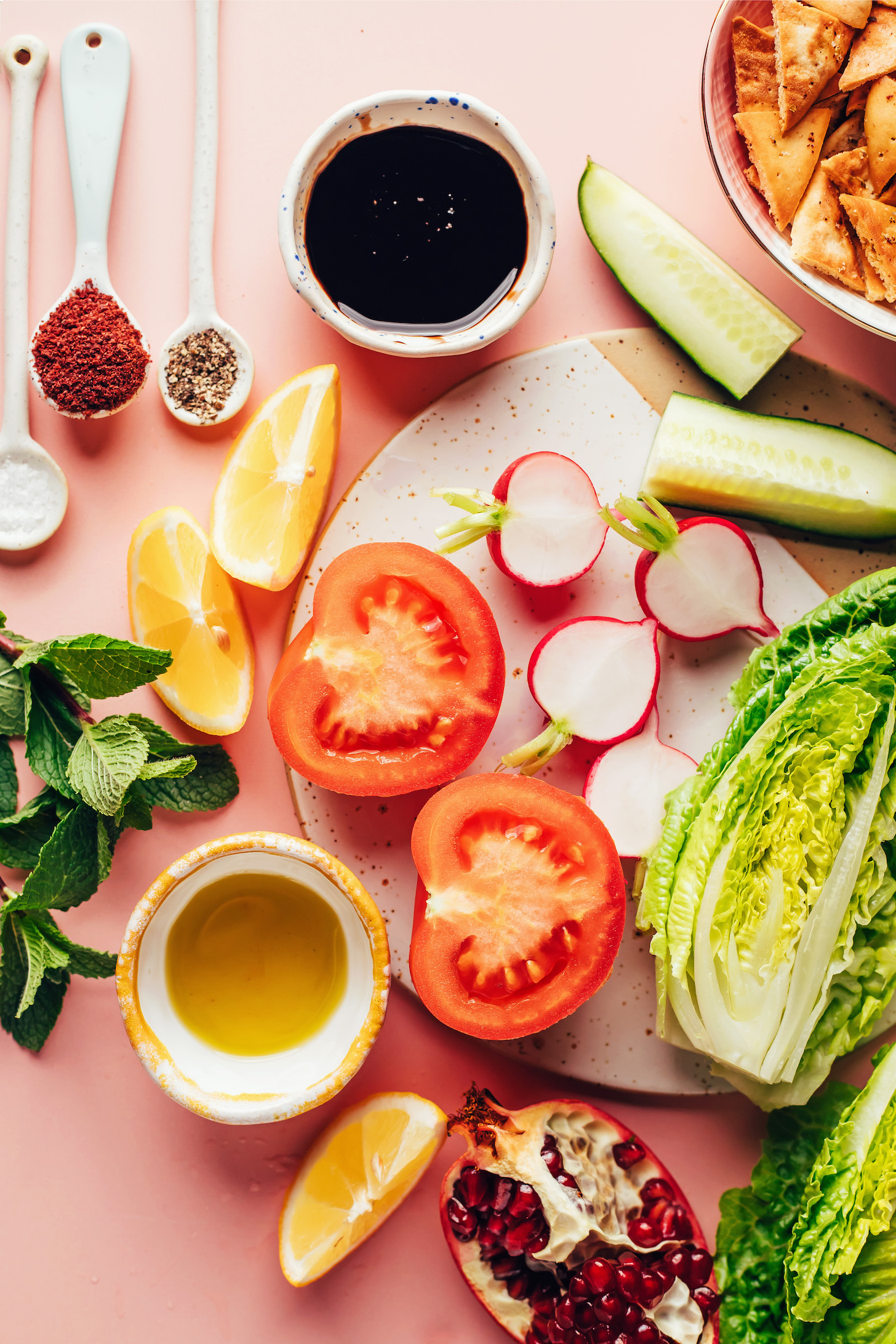
The core components of the salad include:
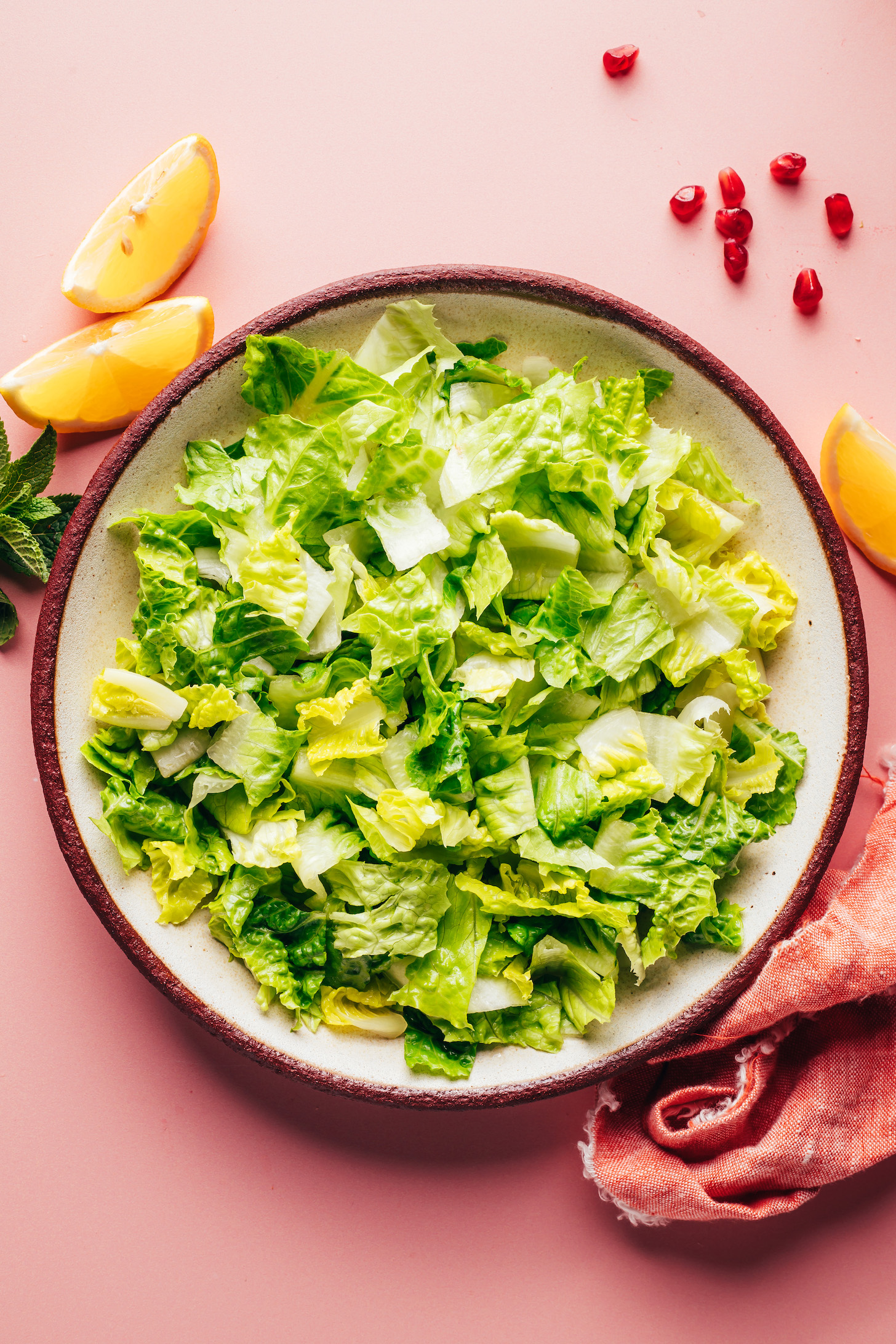
- Fresh Romaine Lettuce: Providing a crisp, neutral base.
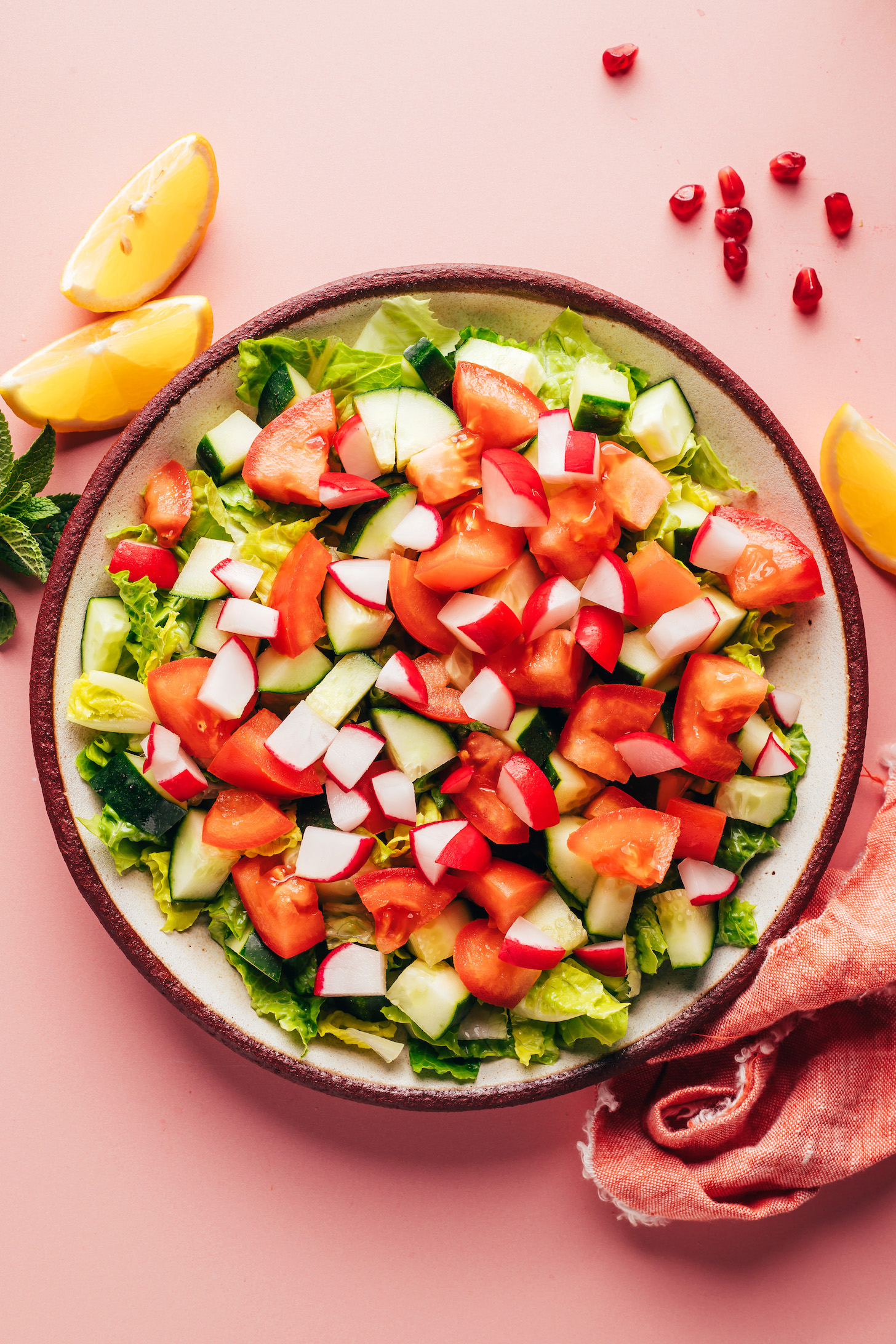
- Assorted Fresh Vegetables: Typically featuring cucumber, tomato, and radish for a variety of textures and flavors. The recipe suggests using seasonal produce for optimal taste.
- Bright Pomegranate Dressing: This dressing is notably simplified, often achieved by directly tossing the salad ingredients with lemon juice, pomegranate molasses, sumac, salt, and pepper. Optional additions of maple syrup or olive oil can be used to balance the tartness, depending on the specific flavor of the pomegranate molasses.
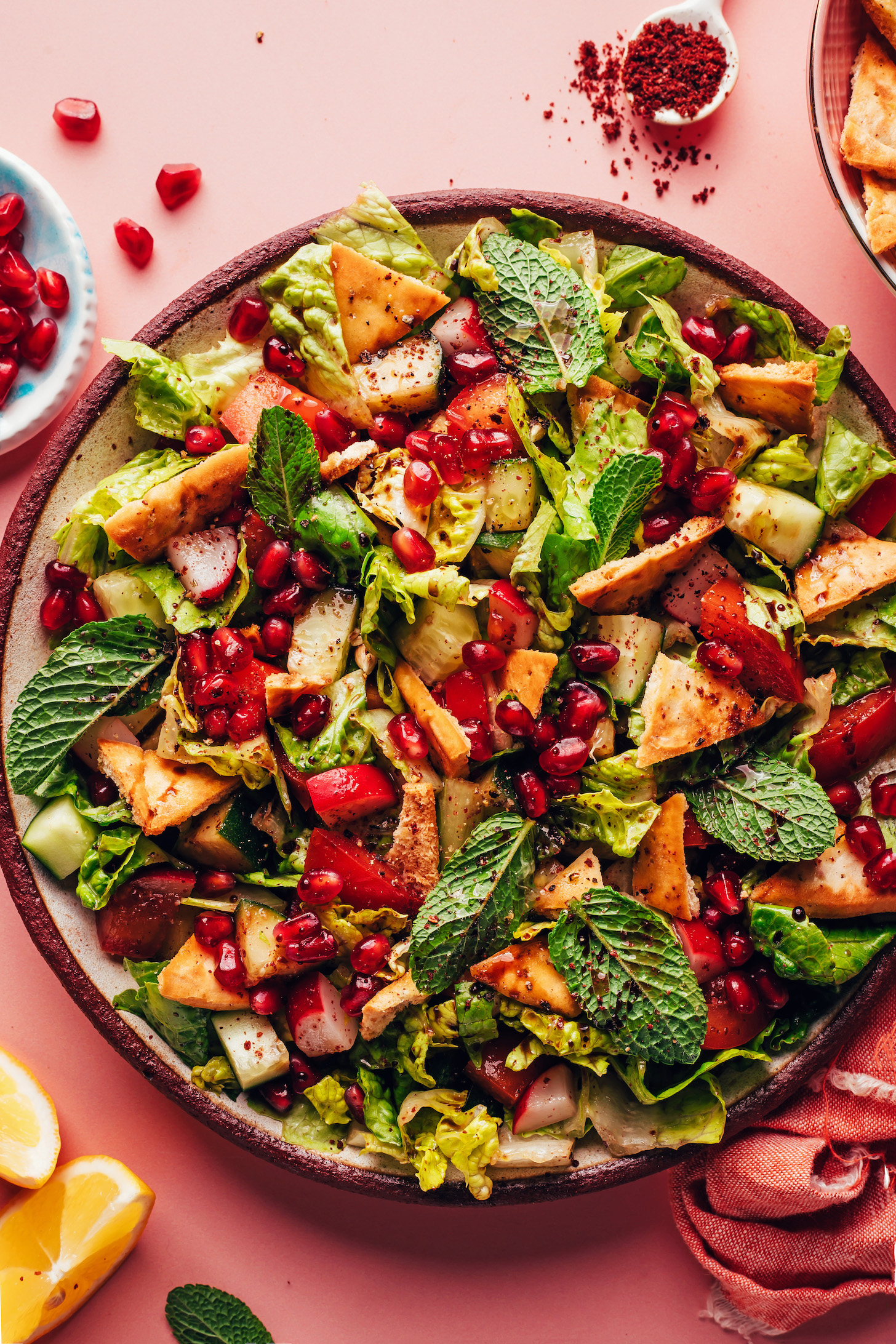
- Garnishes: Fresh mint leaves contribute herbaceous notes, while pomegranate arils add jewel-like pops of color and sweetness. Crispy pita chips provide the quintessential crunch, with an option for homemade preparation using day-old pita bread.
The "One-Bowl" Method: Efficiency Redefined
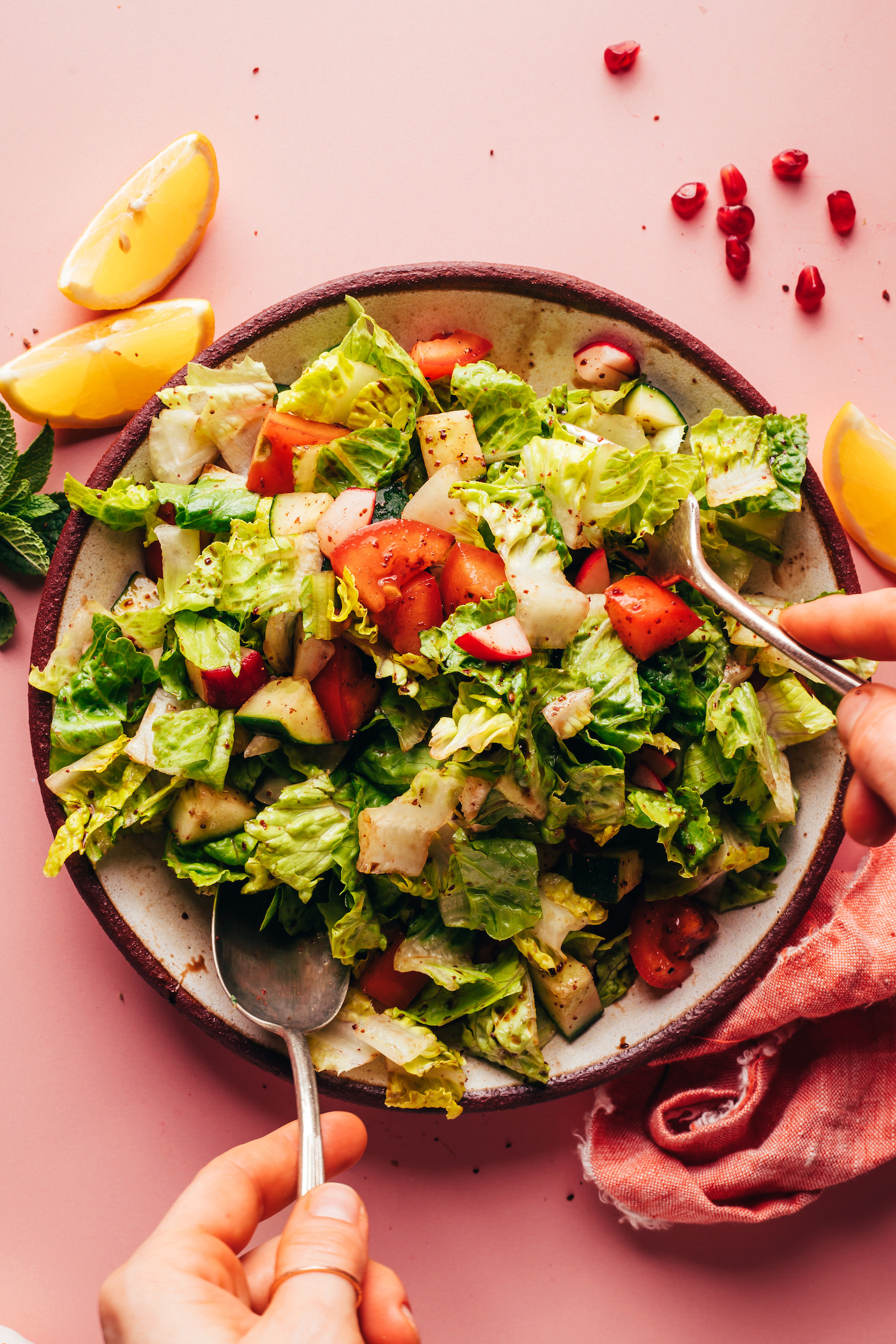
The "one-bowl" methodology is a significant aspect of this recipe’s appeal. By minimizing the number of dishes used, it not only simplifies the cooking process but also drastically reduces post-meal cleanup. This is particularly attractive for individuals or families looking for quick and easy meal solutions without the burden of extensive washing up. The ingredients are typically combined directly in a large mixing bowl, where the dressing is emulsified and the components are tossed together. This integrated approach ensures that the flavors meld effectively while maintaining the textural integrity of the salad.
Nutritional Profile and Dietary Considerations
While specific nutritional data is provided for a side serving (approximately 127 calories, 21.6g carbohydrates, 2.8g protein, and 4.1g fat, excluding optional ingredients and calculated with specific pita crackers), the salad’s composition lends itself to being a healthy option. The abundance of fresh vegetables provides essential vitamins, minerals, and fiber. The recipe also offers flexibility for dietary needs, noting options for gluten-free preparation, and its inherently vegan nature makes it suitable for a wide range of eaters. When augmented with chickpeas, as suggested, the salad can transition into a more substantial light meal, increasing its protein and fiber content.
Contextualizing Fattoush in Culinary Traditions
Fattoush is more than just a salad; it’s a reflection of Levantine culinary heritage. Its origins are often linked to resourcefulness, utilizing stale bread and seasonal produce. The inclusion of sumac, with its unique lemony tang, and the rich sweetness of pomegranate molasses, are hallmarks of Middle Eastern and Mediterranean cuisines, known for their bold and complex flavor profiles. The recipe’s adaptation for a quicker preparation time does not diminish its connection to these roots, but rather makes these traditional flavors more accessible to a global audience.
The inclusion of links to other Mediterranean and Middle Eastern-inspired recipes, such as "Vegan Lentil Fesenjān" and "Kale Falafel Hummus Wraps," further situates this fattoush recipe within a broader culinary context. This suggests a cohesive approach to meal planning, where this salad can serve as a complementary side dish or a lighter main course alongside other flavorful creations from the region.
Broader Implications and Culinary Trends
The popularity of recipes like this "Easy Fattoush Salad" speaks to several overarching trends in the food landscape. The demand for quick, healthy, and globally inspired meals continues to grow. The emphasis on fresh, vibrant ingredients aligns with a growing awareness of the importance of nutrition and well-being. Furthermore, the "one-bowl" cooking trend caters to a desire for simplicity and efficiency in the kitchen, making home cooking more approachable.
The adaptability of fattoush, allowing for variations in vegetables based on seasonality and personal preference, also contributes to its enduring appeal. This flexibility ensures that the dish remains relevant and can be enjoyed year-round, adapting to the bounty of different seasons.
In essence, this recipe represents a successful fusion of tradition and modernity. It honors the rich culinary heritage of the Levant while embracing the practical demands of contemporary life, offering a delicious, healthy, and remarkably easy way to bring a taste of this vibrant region to any table.