A Widely Used Antihistamine Was Just Recalled After Being Cross-contaminated With A Completely Different Drug

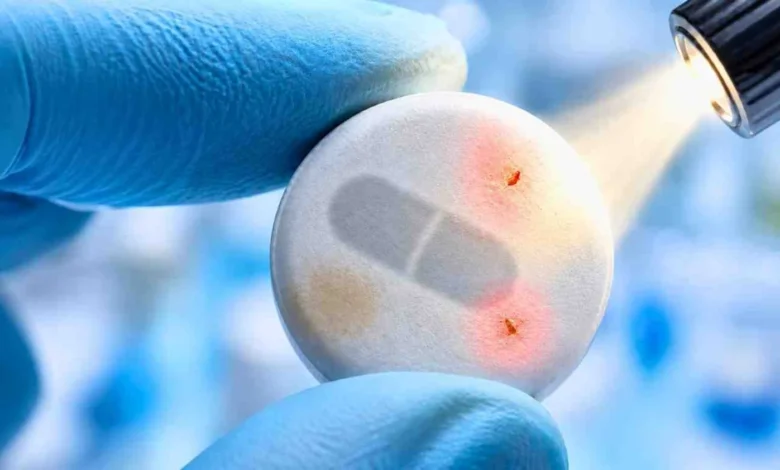
The voluntary recall, initiated on July 18 by Unique Pharmaceutical Laboratories, based in Panoli, Gujarat, India, and subsequently distributed across the United States by Rising Pharma Holdings, targets specific batches of the allergy medication. The U.S. Food and Drug Administration (FDA) publicly announced the recall on July 20, 2026, highlighting the severe health implications posed by this manufacturing error. Consumers who rely on generic cetirizine for allergy relief are now urged to meticulously check their medication bottles, as the unexpected presence of ranitidine could trigger dangerous, even fatal, reactions in susceptible individuals.
The Contamination Unveiled: Specifics of the Recalled Product
The recall specifically impacts Cetirizine Hydrochloride Tablets USP 5 mg, sold in 100-tablet bottles. These products can be identified by their National Drug Code (NDC) 16571-401-10. While the original announcement cited four specific lots sharing the same expiration date as affected, these precise lot numbers were not publicly detailed in the initial reports. Consumers are therefore advised to refer to official FDA recall notices or contact Rising Pharma Holdings directly to ascertain if their medication falls within the scope of this critical recall. The lot number, along with the NDC, is typically printed clearly on the bottle label, making visual verification a crucial first step for anyone currently possessing this generic allergy medication.
A Discrepancy Discovered: How the Problem Came to Light
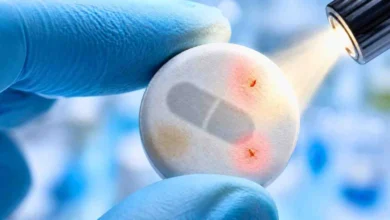
The discovery of this perilous cross-contamination was not the result of routine automated quality checks, but rather a testament to human vigilance. According to the company’s recall notice, the issue was first identified by a diligent pharmacy technician. While counting out tablets for a prescription, the technician noticed unusual red dots on some of the pills and observed that others appeared discolored. This visual anomaly, a departure from the expected appearance of Cetirizine tablets, prompted a product complaint. This complaint subsequently triggered an internal investigation that traced the discrepancy back to the manufacturing process, confirming the cross-contamination with ranitidine. This incident serves as a poignant reminder that even with advanced pharmaceutical manufacturing protocols, human observation remains an indispensable layer of quality control, capable of catching critical errors that might otherwise go undetected.
The Hidden Danger: Cetirizine, Ranitidine, and Anaphylaxis
The gravity of this recall stems from the fundamental differences between cetirizine and ranitidine, and the unpredictable, potentially severe, reactions that can occur when they are inadvertently mixed.
Cetirizine is a second-generation H1-antihistamine, widely prescribed and available over-the-counter for the relief of symptoms associated with seasonal and perennial allergies, such as sneezing, runny nose, itchy eyes, and hives. It works by blocking the action of histamine, a natural substance in the body that causes allergic symptoms. Known for its non-drowsy profile compared to older antihistamines, it is considered a relatively safe and effective medication for millions.
Ranitidine, on the other hand, is an H2-blocker (histamine H2-receptor antagonist) that was formerly a cornerstone medication for treating conditions like stomach ulcers, gastroesophageal reflux disease (GERD), and heartburn. Marketed famously under the brand name Zantac, ranitidine works by reducing the amount of acid produced in the stomach. However, ranitidine itself has a complex and troubled history. In 2020, the FDA requested that all manufacturers withdraw ranitidine products from the market due to unacceptable levels of N-Nitrosodimethylamine (NDMA), a probable human carcinogen, which was found to increase over time and when stored at higher temperatures. This prior, unrelated recall of ranitidine adds another layer of concern, as patients may mistakenly associate the drug solely with its carcinogenic risk, overlooking its potential to cause acute allergic reactions.
The danger in the current contamination lies in the unexpected exposure to ranitidine for individuals who are taking cetirizine. Someone taking an allergy pill has no reason to anticipate or monitor for adverse reactions associated with an entirely different drug. For individuals with a pre-existing hypersensitivity to ranitidine – an allergy they may not even be aware of – ingesting contaminated cetirizine could lead to severe allergic reactions, including anaphylaxis.

The FDA’s risk statement is unequivocal: "people hypersensitive to ranitidine could experience severe allergic reactions or anaphylaxis." Symptoms of such reactions can be immediate and life-threatening, including:
- Low blood pressure (hypotension)
- Difficulty breathing or swallowing
- Swelling of the throat and face (angioedema)
- Widespread hives or rash
- Dizziness or lightheadedness, potentially leading to loss of consciousness
These symptoms collectively represent a medical emergency requiring immediate attention. While the recall announcement indicated that no adverse events tied to this specific contamination had been reported at the time of the announcement, the potential for harm remains exceptionally high, warranting swift and decisive action from both manufacturers and consumers.
Chronology of Events and Regulatory Scrutiny
The timeline of this recall underscores the rapid response mechanisms in place for critical drug safety issues.
- Prior to July 18, 2026: A pharmacy technician identifies visual discrepancies in generic Cetirizine tablets, leading to a product complaint.
- Investigation: Unique Pharmaceutical Laboratories, the manufacturer, investigates the complaint and confirms cross-contamination with ranitidine.
- July 18, 2026: Unique Pharmaceutical Laboratories, through its U.S. distributor Rising Pharma Holdings, initiates a voluntary nationwide recall of the affected Cetirizine lots.
- July 20, 2026: The U.S. Food and Drug Administration (FDA) publicly announces the recall, disseminating critical information to healthcare providers, pharmacies, and the general public.
Following the recall, both Unique Pharmaceutical Laboratories and Rising Pharma Holdings are expected to cooperate fully with regulatory bodies to understand the root cause of the contamination. While no specific statements from the companies were provided in the initial reports beyond the recall notice, it is standard practice for pharmaceutical companies in such situations to express a commitment to patient safety, launch thorough internal investigations, review their manufacturing processes and quality control systems, and take corrective actions to prevent recurrence. The FDA, in turn, will oversee these investigations, ensuring compliance with Good Manufacturing Practices (GMP) and assessing the adequacy of the companies’ corrective and preventive actions (CAPA). This incident will likely trigger increased scrutiny of the involved facilities and their quality management systems, especially given the history of ranitidine recalls.
Broader Implications for Pharmaceutical Manufacturing and Public Trust
This recall extends beyond the immediate concern for affected individuals, raising significant questions about quality control within the global pharmaceutical supply chain.
- Good Manufacturing Practices (GMP): The contamination incident directly points to a potential lapse in GMP, which are regulations enforced by the FDA and other regulatory bodies worldwide to ensure that products are consistently produced and controlled according to quality standards. Cross-contamination often indicates failures in equipment cleaning validation, segregation of manufacturing lines, or inadequate personnel training.
- Global Supply Chain Vulnerabilities: With a significant portion of generic drugs consumed in the U.S. manufactured overseas, particularly in countries like India, incidents like this highlight the complexities of overseeing global supply chains. Ensuring consistent quality across different manufacturing sites and countries requires robust international collaboration and rigorous auditing by importing nations. The FDA conducts inspections of foreign manufacturing sites, but the sheer volume of products and sites presents an ongoing challenge.
- Consumer Trust: Recalls, especially those involving potentially life-threatening risks and contamination with previously recalled drugs, can erode public confidence in generic medications and the pharmaceutical industry as a whole. Maintaining transparency and demonstrating swift, effective corrective actions are vital for rebuilding and sustaining trust.
- Pharmacovigilance: The incident underscores the critical role of pharmacovigilance – the science and activities relating to the detection, assessment, understanding and prevention of adverse effects or any other drug-related problem. The MedWatch program, run by the FDA, is a cornerstone of this system, allowing healthcare professionals and consumers to report adverse events or product quality problems. This data is crucial for identifying emerging safety issues and initiating necessary regulatory actions.
The previous widespread recall of ranitidine due to NDMA contamination serves as a powerful precedent for the complexity of drug safety. While the current recall involves a different type of contamination (cross-contamination during manufacturing rather than degradation of the active ingredient), it reinforces the notion that drug safety is a multi-faceted challenge requiring continuous vigilance from all stakeholders.
Guidance for Consumers: What to Do Next
For individuals who use generic cetirizine, immediate action is advised to ensure their safety.
- Check Your Medication Bottle: Locate your bottle of Cetirizine Hydrochloride Tablets USP 5 mg. Verify the NDC number (16571-401-10) on the label. If it matches, then check the lot number. Although specific lot numbers were not provided in the initial public snippet, official recall notices from the FDA or Rising Pharma Holdings will contain this crucial information.
- Discontinue Use Immediately: If your medication matches the description and affected lot numbers, stop taking it without delay.
- Contact Rising Pharma Holdings: To arrange for the return of the affected product and inquire about replacement or refund, contact Rising Pharma Holdings directly. They can be reached at 1-844-874-7464 during weekdays, from 8 a.m. to 5 p.m. ET, or via email at [email protected].
- Monitor for Symptoms and Consult a Doctor: If you have taken tablets from an affected lot and experienced any unusual or severe symptoms – particularly swelling, difficulty breathing, dizziness, hives, or any signs of an allergic reaction – contact your doctor or seek emergency medical attention immediately. Even if symptoms are mild, it is prudent to inform your healthcare provider about your potential exposure.
- Report Adverse Reactions: Any adverse reactions or quality problems experienced with this product should be reported to the FDA’s MedWatch Adverse Event Reporting program. This can be done online, by regular mail, or by fax. Reporting such incidents contributes vital data to the FDA’s ongoing surveillance efforts and helps protect public health.
This recall serves as a stark reminder of the imperative for continuous vigilance in pharmaceutical manufacturing and the importance of an informed public. While drug recalls are relatively rare given the vast number of medications produced and consumed daily, each incident underscores the fragile balance of safety and efficacy that underpins modern medicine. The collaborative efforts of manufacturers, regulators, healthcare providers, and consumers are essential to uphold the highest standards of drug safety and ensure public trust in the medications that are vital for health and well-being.