The Ingenuity of the Home Yoga Practitioner: Everyday Objects as Essential Props

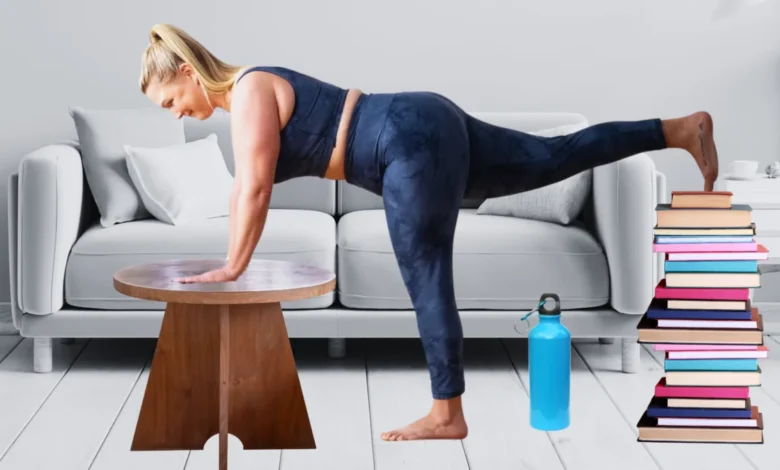
The surge in home-based fitness routines, particularly yoga, has highlighted a common challenge for practitioners: the absence of specialized equipment. As more individuals embrace the convenience of online yoga classes and personal practice sessions within their living spaces, the need for yoga props like blocks and straps has become more apparent. However, for many, acquiring these specific items can be an unexpected expense or simply an afterthought. This has led to a wave of creative improvisation, with everyday household objects being repurposed to support and enhance yoga practice, demonstrating a remarkable adaptability within the wellness community.
The phenomenon of needing yoga props during an online session can be a jarring experience for even seasoned yogis. The serene atmosphere cultivated for practice can be shattered by the instructor’s request for a prop, breaking the mental flow and disrupting the carefully constructed ambiance. This scenario, detailed in recent discussions among yoga enthusiasts, often occurs when individuals are deeply immersed in a guided session, perhaps following a popular YouTube tutorial or a live-streamed class. The interruption of having to search for or improvise a prop can lead to a loss of focus, a breakdown of the "yoga bubble," and ultimately, a less fulfilling practice.
The Rise of the Improvised Prop: A Growing Trend
The practice of yoga has seen a significant global expansion in recent years, accelerated by the widespread adoption of digital platforms for instruction. According to a 2023 report by Statista, the global online yoga market was valued at approximately USD 1.5 billion and is projected to grow at a compound annual growth rate (CAGR) of over 10% in the coming years. This growth is largely attributed to the accessibility and flexibility offered by online classes, allowing individuals to practice yoga at their own pace and convenience. However, this accessibility also exposes a gap in readily available specialized equipment for many home practitioners.
A survey conducted by the International Yoga Alliance in late 2025 revealed that nearly 65% of respondents who practiced yoga at home reported occasionally needing yoga props but not having them readily available. This statistic underscores the widespread nature of the challenge. The survey also indicated that a significant portion of these practitioners (approximately 70%) resort to using household items as substitutes. This trend is not merely a temporary workaround but a testament to the resourcefulness of individuals seeking to maintain their wellness routines.
From Necessity to Innovation: Everyday Items Transformed
The need for accessible and affordable yoga props has spurred a wave of innovation within the home practice community. The principle of "necessity is the mother of invention" is vividly illustrated as individuals discover the multifaceted potential of common household items. These improvisations not only serve the immediate need for support and alignment but also contribute to a more mindful and integrated approach to well-being, where the practice extends beyond the mat into the everyday environment.
Repurposing the Familiar: A Guide to Home Yoga Props
The staff at Yoga Journal, a leading publication in the yoga community, has been at the forefront of documenting and promoting these resourceful solutions. Through their observations and personal experiences, they have identified numerous common household items that can effectively substitute for traditional yoga props. These discoveries are not just about making do; they often reveal how these everyday objects can offer unique benefits and variations to standard poses.
1. Grocery Bags: The Versatile Strap Substitute
Reusable or plastic grocery bags can serve as an effective alternative to a yoga strap. By rolling a bag into a rope-like shape, practitioners can utilize it for stretches like knee-to-chest, providing necessary tension around the shin. Similarly, in hamstring stretches, placing a foot inside the bag and holding onto the straps offers a stable grip, mimicking the function of a yoga strap to deepen the stretch safely.
2. Old Sports Bras: Extending the Reach
Worn-out sports bras, particularly those with stretched-out elastic, can be repurposed as a substitute for a strap or belt. The fabric can be looped around limbs to assist in reaching or binding poses, offering a soft yet firm extension. This is an eco-friendly way to extend the life of an item that might otherwise be discarded.
3. Backpacks and Purses: Elevated Support
Bags such as backpacks, purses, or even small pieces of luggage are surprisingly effective yoga props. They can be placed under the hip of the bent leg in poses like Pigeon Pose to provide elevated support and create more space for alignment. In poses like Bound Angle Pose, placing a bag beneath each knee can offer comfort and stability, especially for individuals with tight hips. When using bags for symmetrical poses, ensuring they are of similar size is crucial for maintaining balance.
4. Kitchen Tables: A Sturdy Foundation
For poses like Standing Forward Bend, a sturdy kitchen table can offer a unique and less intense variation. Resting the upper body on the table allows for a gentler stretch in the hamstrings and spine, making the pose more accessible for beginners or those with physical limitations. This also fosters a new appreciation for the functional strength of household furniture.
5. Dirty Laundry: Cushioned Support
While seemingly unconventional, a pile of clean, folded laundry can serve as a surprisingly effective prop. In poses like Wide-Legged Forward Bend, placing folded clothes beneath the knees can provide cushioning and support, allowing for a more relaxed and sustained hold. This approach transforms a mundane chore into a practical application for practice.
6. Books: Stackable Stability
Books are a widely recognized substitute for yoga blocks. Individual books or stacked volumes can provide the necessary height and support for various poses. Some practitioners have even shared innovative solutions, such as zip-tying stacks of books together to create more stable, block-like units that won’t shift during practice, as noted in online forums dedicated to yoga practice.
7. Sweatshirts and Sweatpants: Flexible Comfort
A folded sweatshirt can function as a cushion to sit on, a bolster for support, or even a makeshift strap to lengthen reach. Similarly, sweatpants can be rolled or folded to provide similar benefits. Their flexibility allows them to adapt to various support needs within different poses.
8. Water Bottles: Height and Stability
A sturdy water bottle, particularly a larger, more robust model like a stainless steel insulated bottle, can act as a block substitute. It can provide the necessary height in poses such as Warrior 3 or Half Moon Pose. While a metal bottle might make a noise if it topples, its stability can be a valuable asset during practice.
9. Cushions and Pillows: Soft Support Systems
Couch cushions or bed pillows are excellent for providing soft support. They can be placed beneath the forehead in poses like Crow Pose, offering a safe landing and reducing pressure. They also serve as effective makeshift bolsters, providing comfort and support for the body in restorative poses such as Reclining Bound Angle Pose.
10. Sturdy Cardboard Boxes: Restorative Foundations
Repurposing sturdy cardboard boxes, rather than discarding them, can be a sustainable and functional choice. A box can be used as a stable platform for placing cushions or bolsters in restorative poses, or it can function directly as a block in various asanas, offering a firm surface for support.
11. Coffee Tables: Grounding and Restorative
A coffee table can transform a simple pose into a deeply restorative experience. By resting bent knees and calves on the surface in a variation of Legs Up the Wall Pose, practitioners can alleviate lower back tension and promote relaxation. Ottomans also serve this purpose effectively, providing a stable and comfortable elevation.
12. Cuddly Dogs: Unconventional Companions
In a heartwarming and often humorous twist, pets, particularly dogs, can inadvertently become yoga props. Some dogs enjoy lying on yoga mats, naturally acting as a bolster beneath the knees or hips in poses like Savasana. While this is entirely dependent on the pet’s inclination, it offers a unique and affectionate element to home practice.
Analysis of Implications: Accessibility and Mindful Practice
The widespread adoption of improvised yoga props has significant implications for the accessibility and inclusivity of yoga. By demonstrating that specialized equipment is not a prerequisite for a meaningful practice, these innovations lower the barrier to entry for many individuals. This democratizes yoga, making it more attainable for those on a budget or living in areas with limited access to yoga studios and specialized retailers.
Furthermore, the act of repurposing everyday objects encourages a more mindful and integrated approach to yoga. It fosters a deeper connection with one’s immediate environment and promotes sustainable living practices. This creative problem-solving can also enhance a practitioner’s understanding of their own body and its needs, as they learn to adapt and modify poses based on the available resources. The ingenuity displayed by home practitioners underscores the adaptable and resilient nature of the yoga community, proving that the path to well-being can be found in the most unexpected places. This trend is likely to continue as more individuals discover the freedom and creativity that comes with making yoga work for them, wherever they are.
Related posts: