The creation of grain-free granola represents a significant development in the breakfast and snacking landscape, offering a nutritious and satisfying alternative for individuals seeking to reduce or eliminate grains from their diet. This innovative approach, championed by food bloggers and nutritionists alike, provides a crunchy, flavorful experience that mirrors traditional granola while adhering to specific dietary requirements. The adaptation of this popular food item highlights a growing trend towards personalized nutrition and allergen-conscious food preparation.
Background and Genesis of Grain-Free Granola
The concept of grain-free granola emerged as a response to increasing awareness of dietary sensitivities and health trends. While traditional granola, a popular breakfast staple, is typically made with rolled oats, this grain-free iteration reimagines the classic by utilizing a blend of nuts, seeds, and natural sweeteners. This shift is particularly beneficial for individuals managing conditions such as gluten intolerance, celiac disease, or those following specific low-carbohydrate or paleo-style diets.
One prominent proponent of this culinary adaptation is Kathryne Taylor, the creator behind the popular food blog Cookie + Kate. Taylor’s journey into developing a grain-free granola recipe was influenced by her personal experience during pregnancy. Facing gestational diabetes, she needed to manage her blood sugar levels, which prompted a reevaluation of her dietary choices, including a temporary reduction in carbohydrate intake. This period of dietary adjustment led her to explore alternatives to her beloved oat-based granola.
Taylor found inspiration in Lily Nichols’ book, "Real Food for Pregnancy." Nichols, a registered dietitian nutritionist, advocates for nutrient-dense foods and provides evidence-based guidance for maternal health. Taylor adapted Nichols’ foundational grain-free granola recipe, infusing it with her own creative flair and practical kitchen insights. The resulting recipe, shared on her platform, quickly gained traction among her readership, demonstrating a clear demand for such an alternative.
Key Components and Nutritional Advantages
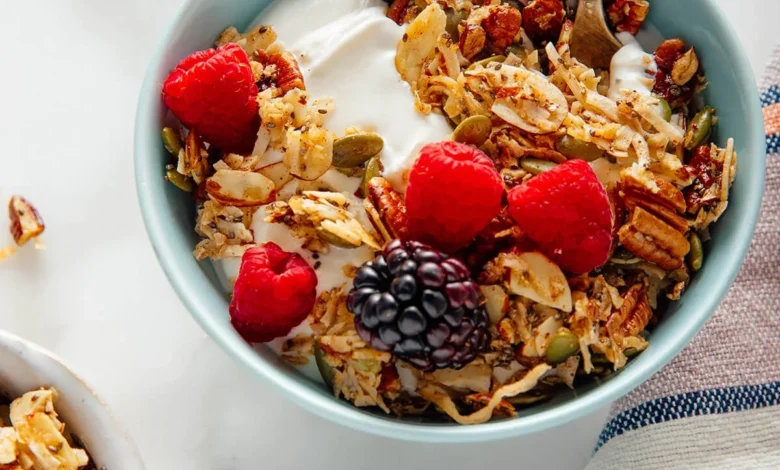
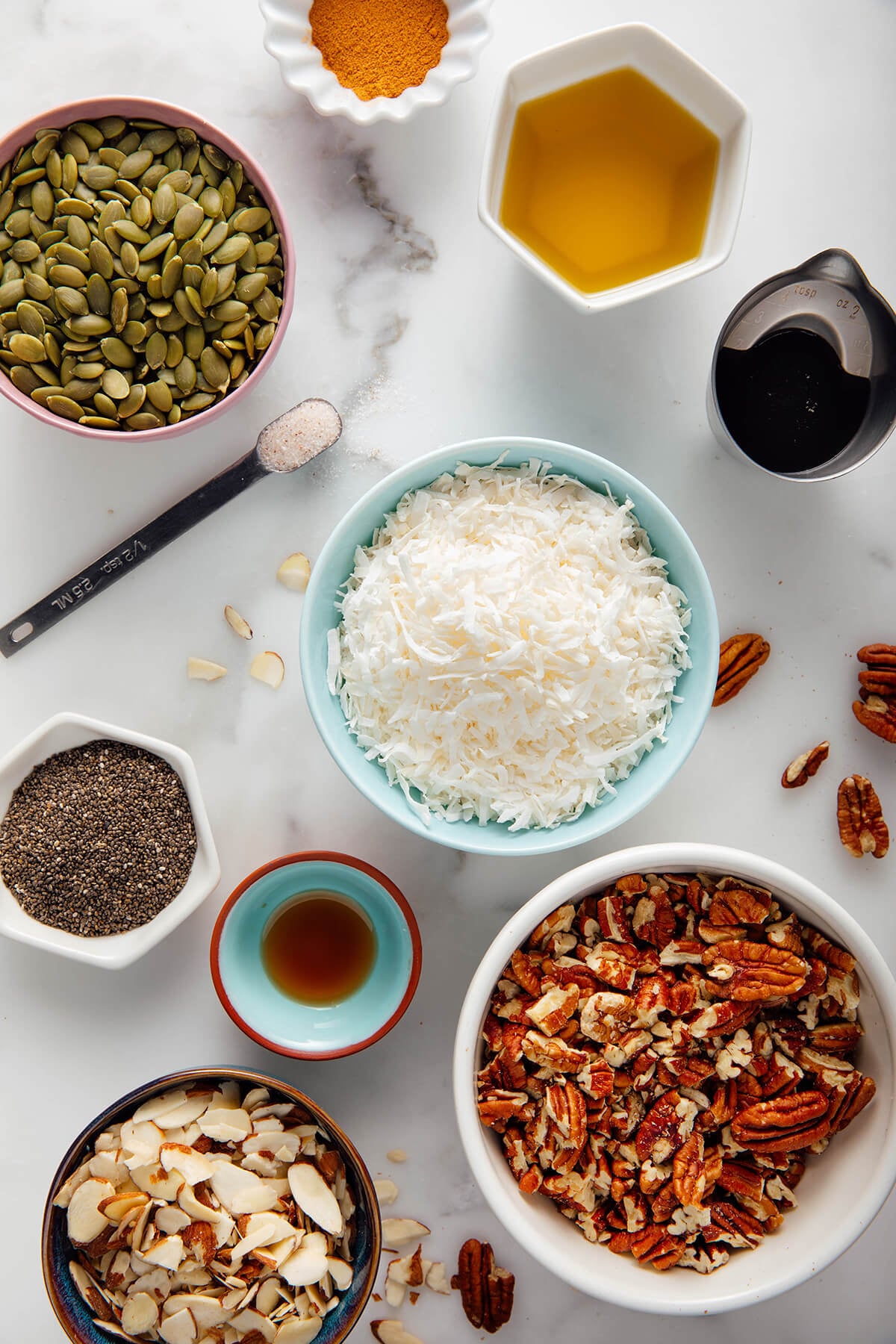
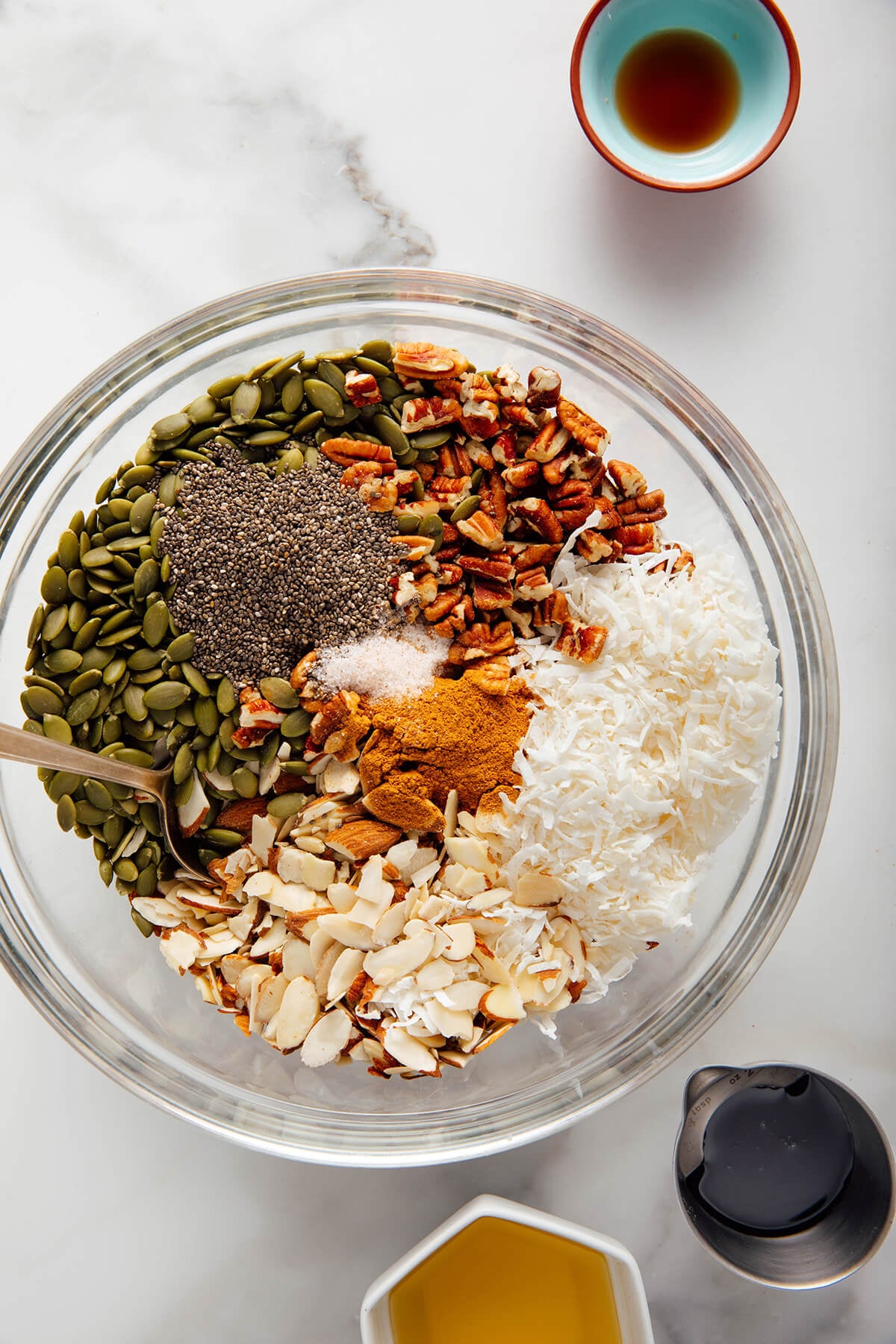
The foundation of grain-free granola lies in its diverse blend of nuts and seeds, which are rich in healthy fats, protein, fiber, and essential micronutrients. Common ingredients include almonds, pecans, walnuts, pumpkin seeds (pepitas), sunflower seeds, chia seeds, and flax seeds. These components not only contribute to the satisfying crunch and nutty flavor profile but also offer significant health benefits.
- Healthy Fats: Nuts and seeds are excellent sources of monounsaturated and polyunsaturated fats, which are crucial for heart health and can help reduce inflammation.
- Protein: The protein content in these ingredients aids in satiety, muscle repair, and overall metabolic function.
- Fiber: Dietary fiber, abundant in nuts, seeds, and coconut, supports digestive health, helps regulate blood sugar levels, and contributes to a feeling of fullness.
- Micronutrients: This grain-free blend is packed with vitamins and minerals such as magnesium, vitamin E, zinc, and selenium, which play vital roles in numerous bodily processes.
The sweetener in grain-free granola is typically kept minimal, often employing natural options like maple syrup or honey. This controlled sweetness makes it an attractive choice for those looking to reduce their intake of refined sugars. The addition of spices, such as cinnamon, further enhances the flavor without adding significant calories or carbohydrates.
Versatility in Application and Consumption
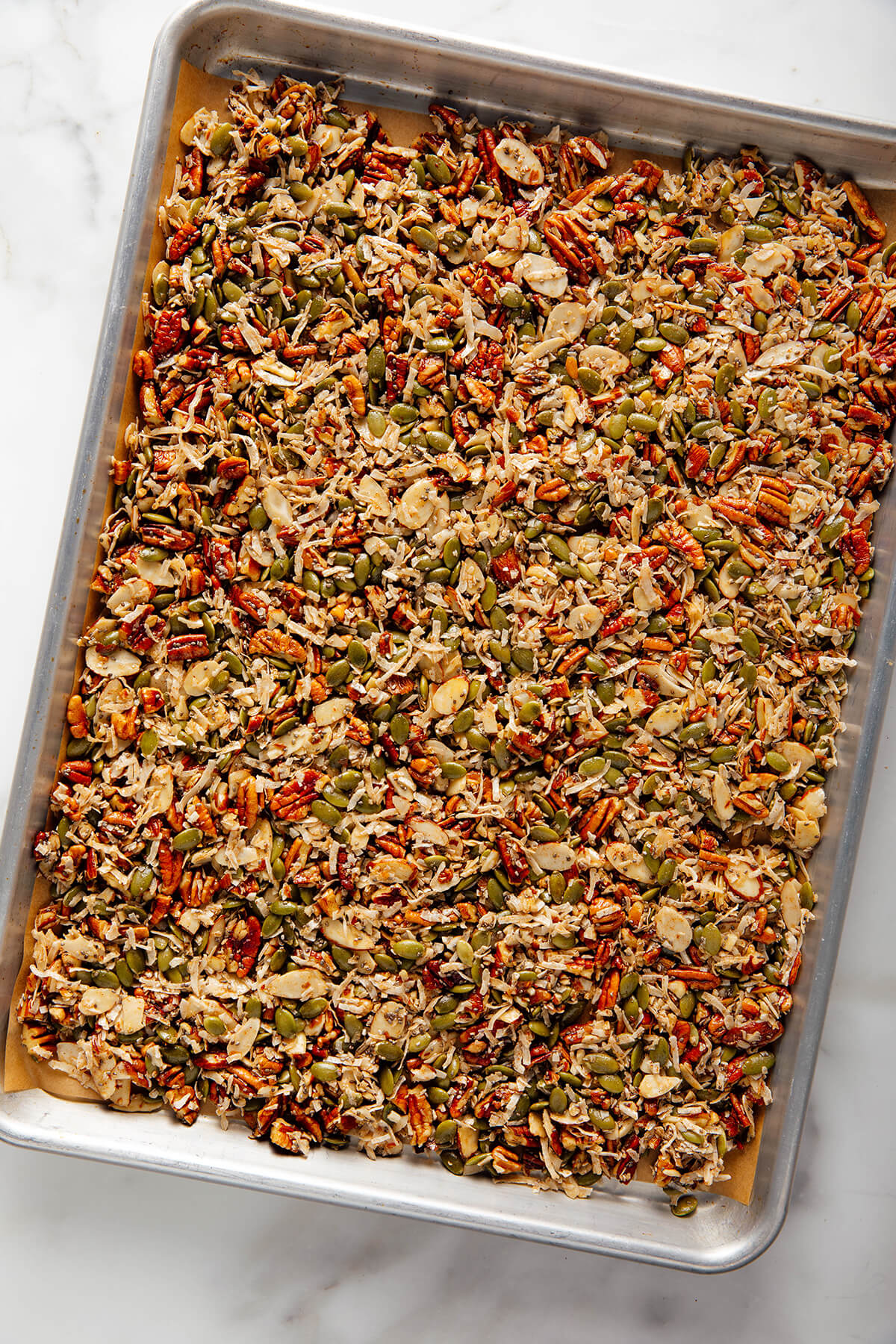
The appeal of grain-free granola extends beyond its nutritional profile; its versatility makes it a flexible addition to a wide range of meals and snacks. Its crunchy texture and appealing flavor profile allow it to complement various culinary applications:
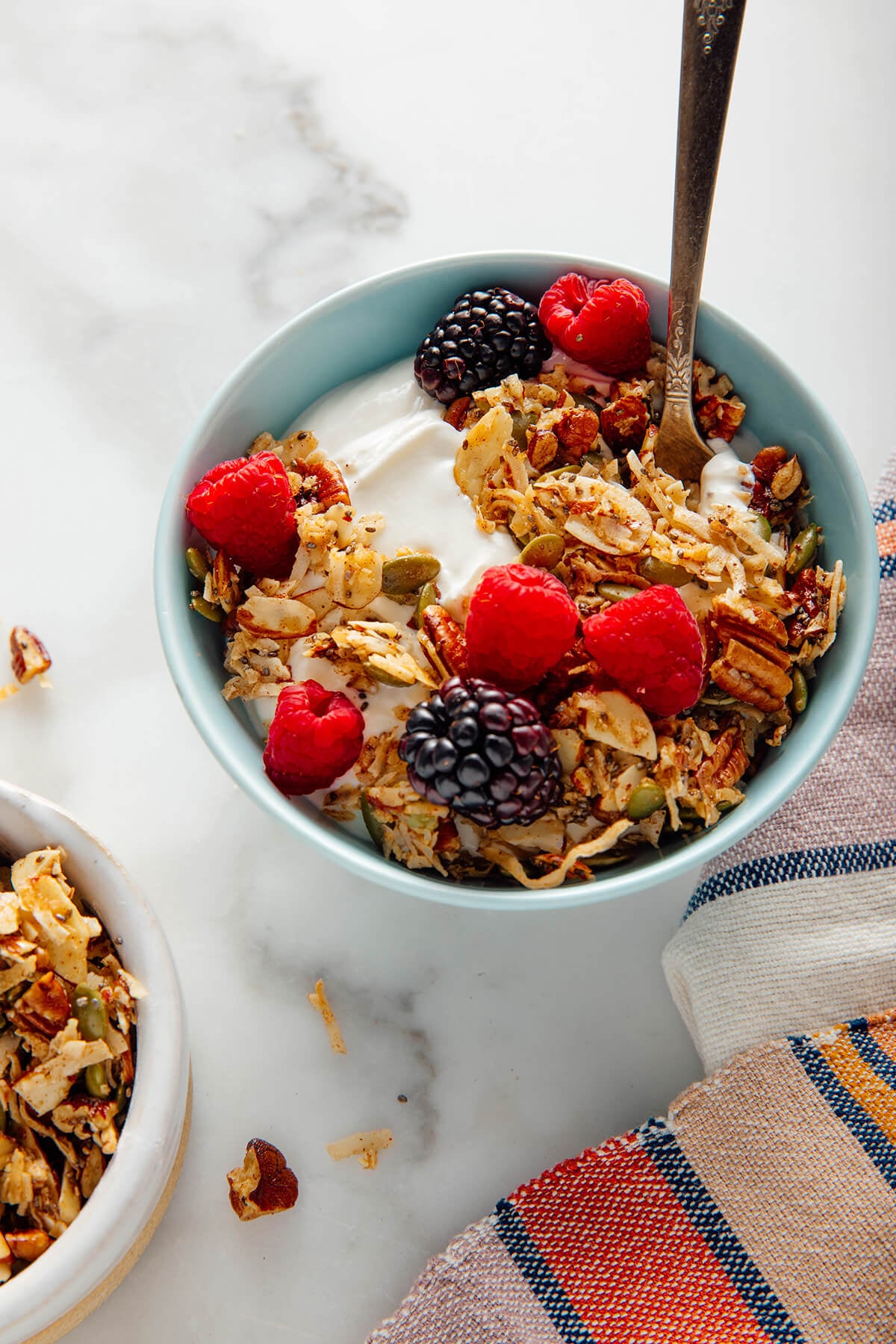
- Breakfast Bowls: A generous topping for Greek yogurt, dairy-free yogurt alternatives, or fruit salads, providing a delightful textural contrast and sustained energy release.
- Smoothie Enhancer: Sprinkled over smoothies, it adds an extra layer of texture and a nutty dimension.
- Snack Option: Eaten by the handful, it serves as a convenient and satisfying on-the-go snack.
- Dessert Component: It can be incorporated into or sprinkled over healthier dessert preparations.
The adaptability of grain-free granola recipes is another significant factor in their popularity. Home cooks can easily customize the ingredient list to suit their preferences and pantry availability. Swapping out different nuts and seeds allows for a diverse range of flavor profiles and nutrient compositions. For instance, individuals with nut allergies might opt for a combination of seeds like pumpkin and sunflower seeds. Coconut, in various forms such as shredded or flaked, is often included, and its quantity can be adjusted based on personal preference.
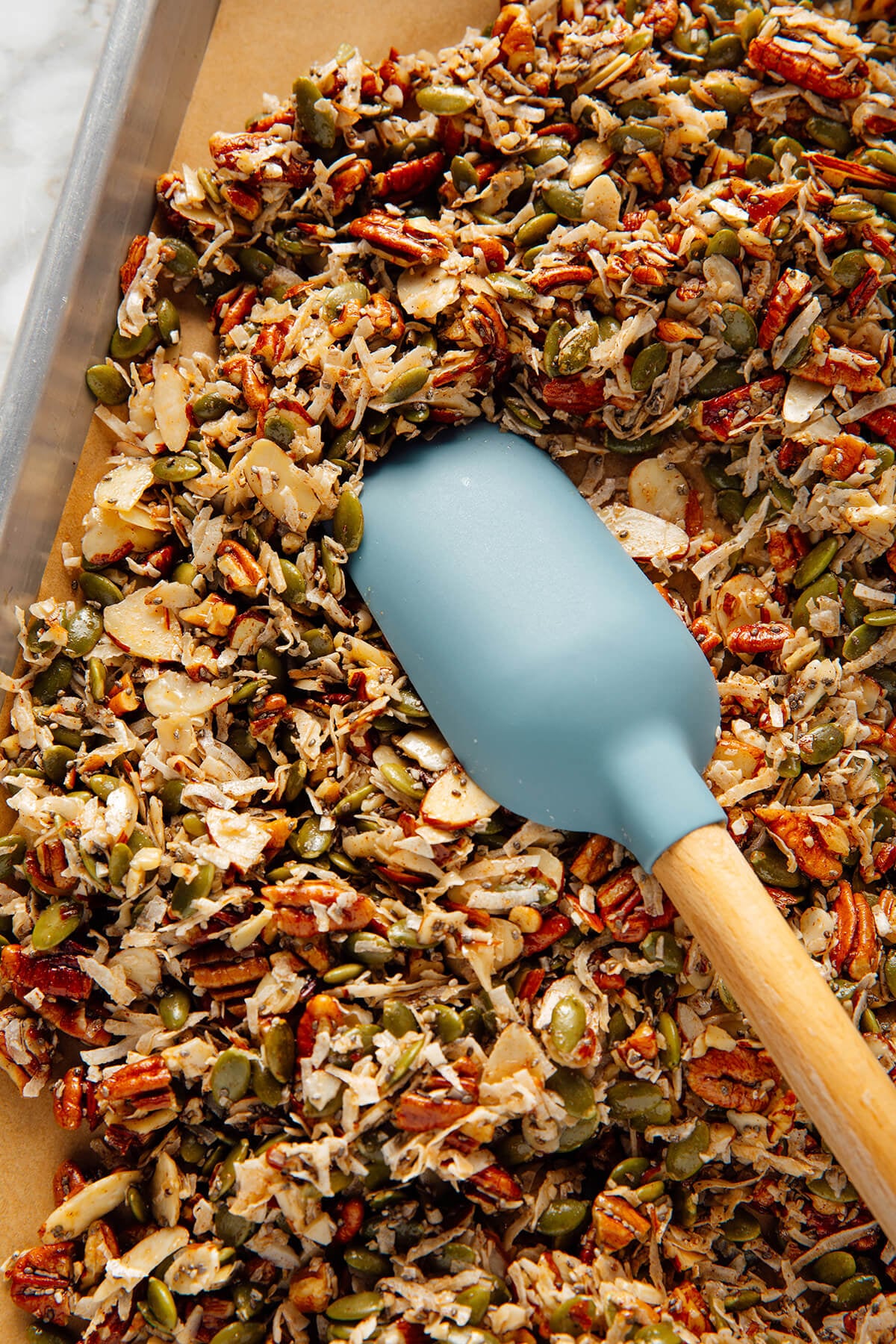
Recipe Customization and Flavor Variations
The inherent flexibility of grain-free granola recipes allows for numerous flavor and textural modifications.
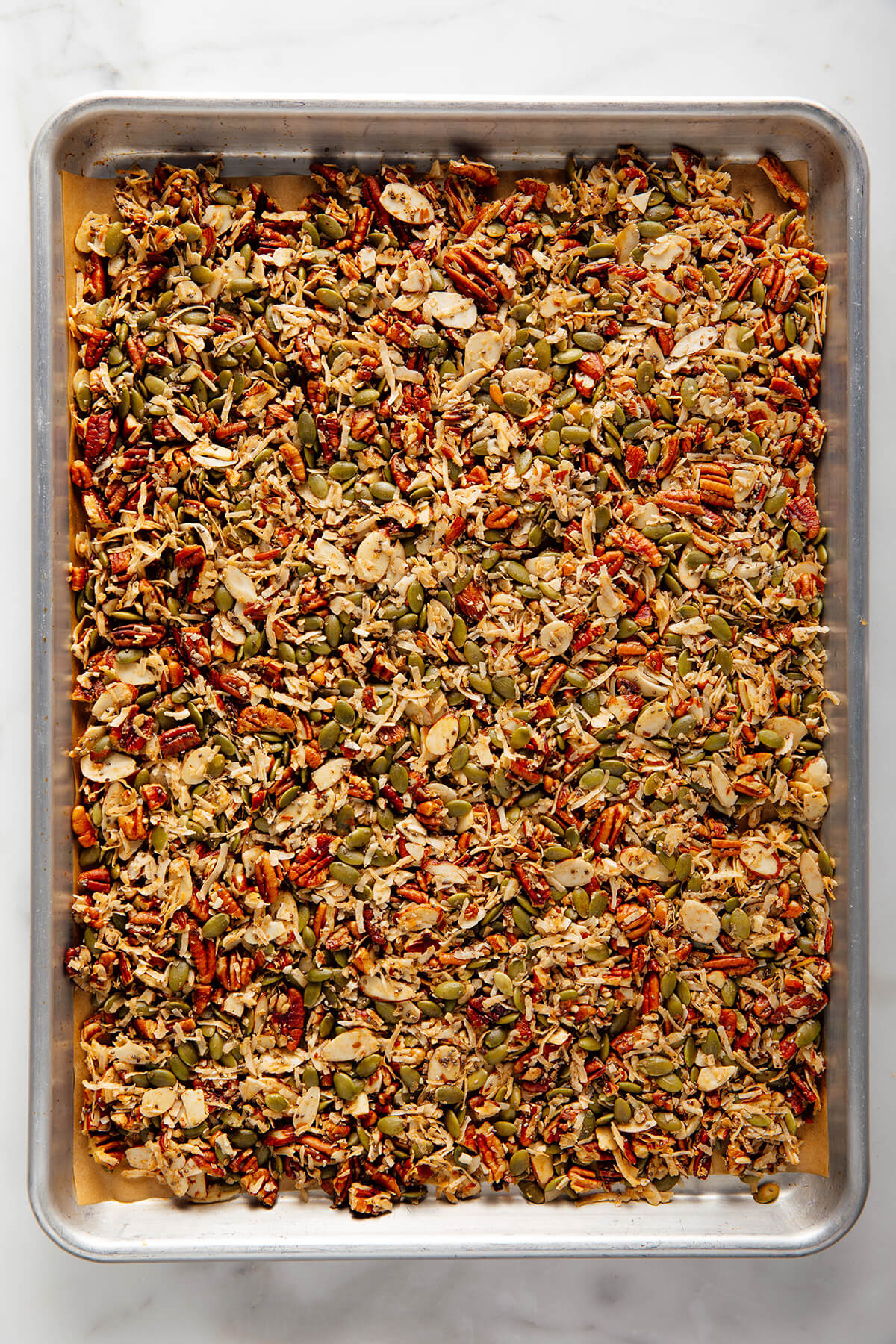
- Nut and Seed Variations: While the core recipe often features almonds and pecans, other nuts like walnuts, cashews, or macadamia nuts can be substituted. For seed-based options, pepitas (pumpkin seeds) and sunflower seeds are excellent choices. It is crucial to ensure that all nuts and seeds are fresh to avoid a rancid flavor, which can compromise the entire batch. Chopping larger nuts can help achieve a more uniform texture.
- Coconut Adjustments: Coconut, whether finely shredded or in larger flakes, can be a prominent flavor. For those who dislike coconut, it can be replaced with an equivalent amount of nuts or seeds. Conversely, coconut enthusiasts can increase its proportion, adjusting other ingredients accordingly. Finely shredded coconut tends to integrate more seamlessly, offering a lighter texture.
- Spice and Flavor Enhancements: Cinnamon is a classic addition, lending a warm and aromatic quality. However, it can be omitted for those who prefer a simpler nutty flavor. Alternatively, blends like pumpkin spice can introduce seasonal flavors, particularly during autumn months.
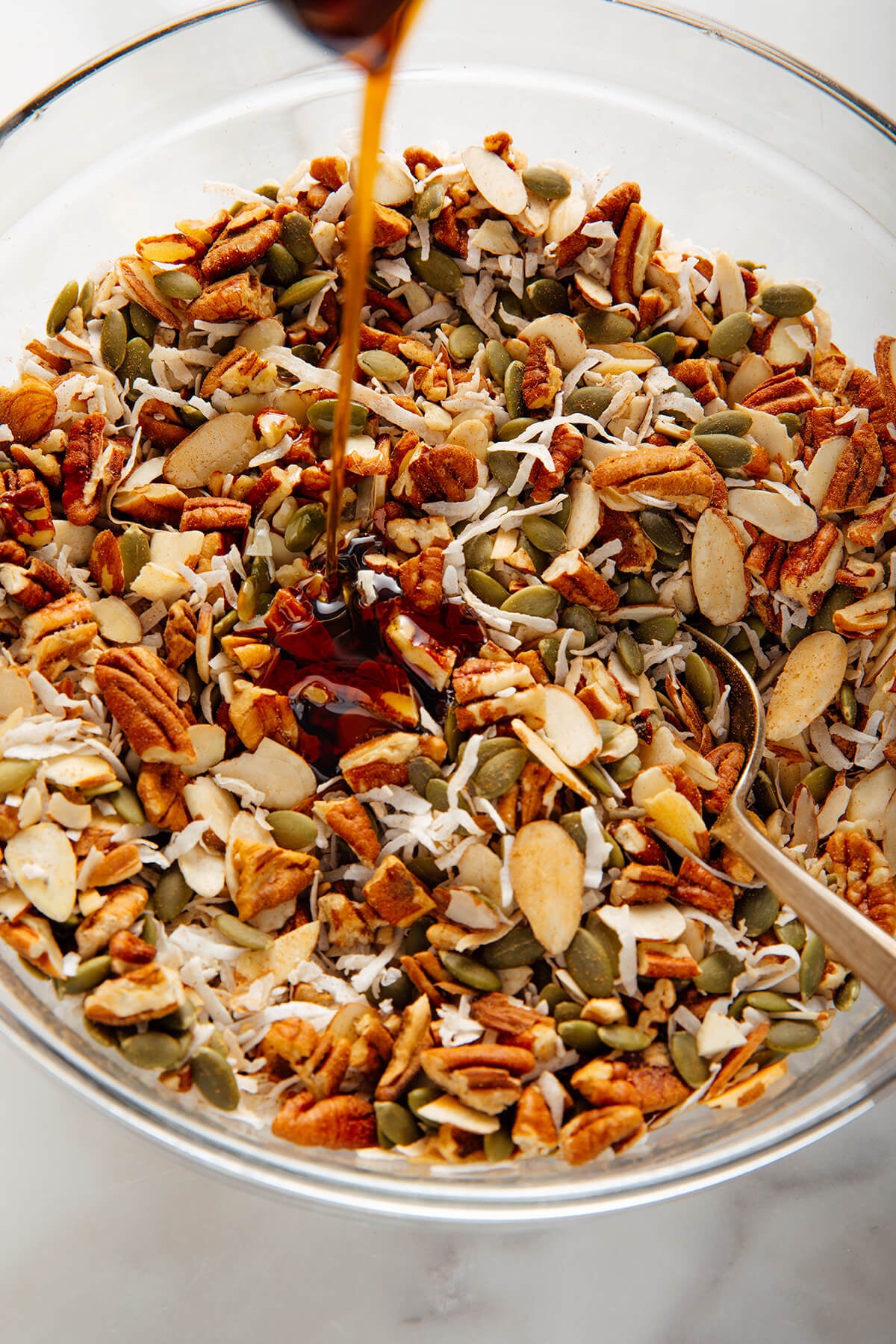
- Binding Agents: Some recipes may incorporate binders like egg whites or natural sweeteners such as maple syrup or honey. These not only contribute to flavor but also help the granola form desirable clumps. For a vegan option, maple syrup is the preferred choice over honey.
Addressing Dietary Restrictions and Health Trends
The rise of grain-free granola aligns with broader dietary trends that emphasize whole foods, reduced processing, and attention to specific health needs.
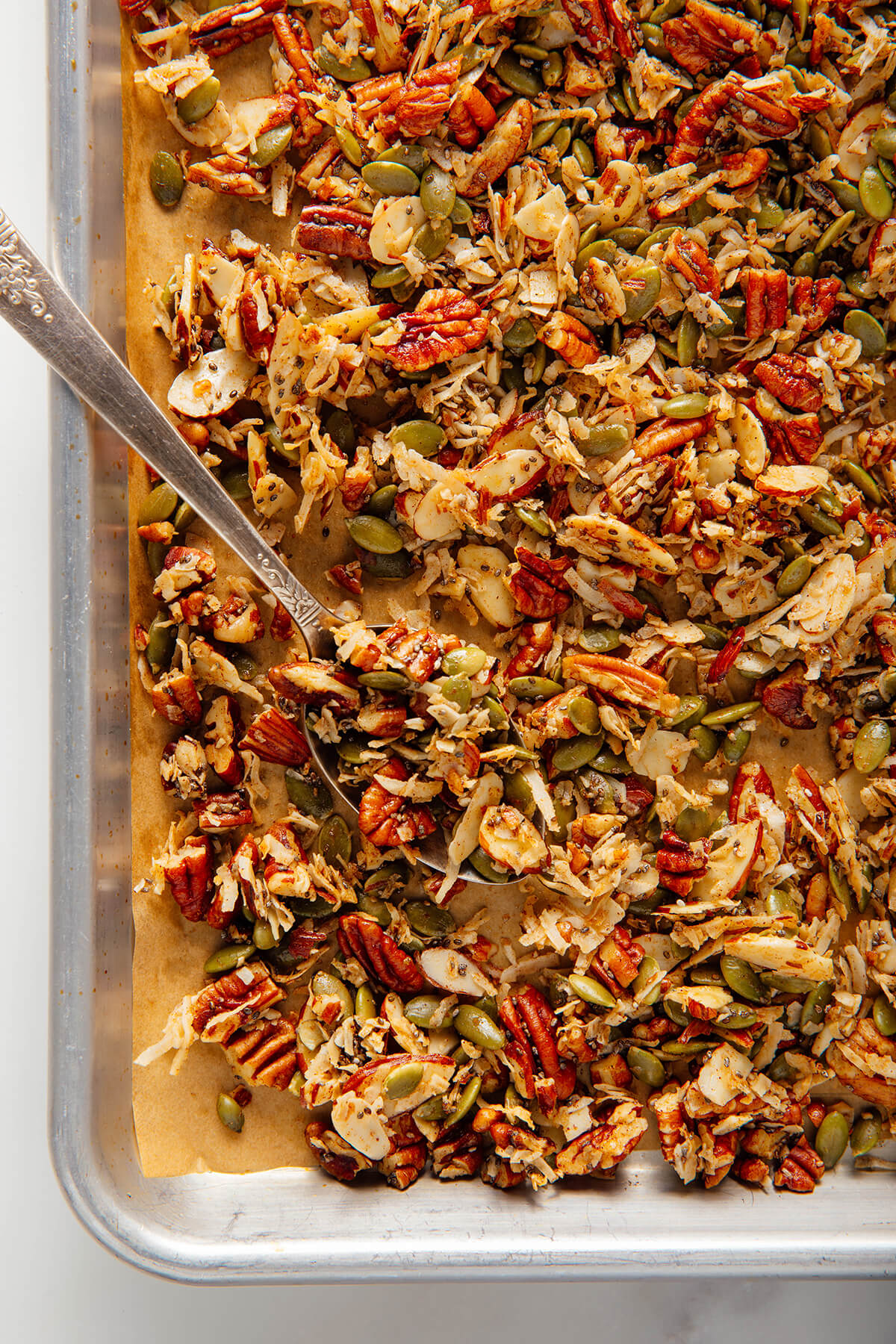
- Gluten-Free and Celiac-Friendly: For individuals with gluten intolerance or celiac disease, grain-free granola provides a safe and enjoyable alternative to traditional oat-based products, which can be subject to cross-contamination with gluten.
- Low-Carbohydrate Diets: By omitting grains, this granola formulation can be a suitable component of low-carbohydrate, ketogenic, or paleo diets, offering a satisfying crunch without a significant carbohydrate load.
- Blood Sugar Management: The lower carbohydrate content and the presence of healthy fats and fiber can contribute to more stable blood sugar levels, making it a beneficial option for individuals managing diabetes or seeking to prevent blood sugar spikes.
- Allergen Awareness: While nuts are a primary ingredient, the recipe can be adapted to be nut-free by focusing on seeds like pepitas and sunflower seeds.
The adaptation of a common food item like granola to cater to these diverse needs underscores the evolving landscape of food production and consumption. Consumers are increasingly seeking transparency and customization in their food choices, driving innovation in the culinary sector. The development of grain-free granola exemplifies this trend, offering a delicious and accessible solution for a growing segment of the population.
Conclusion: A Sustainable Culinary Innovation

Grain-free granola has cemented its place as a valuable and versatile food item. Its ability to deliver the satisfying crunch and flavor of traditional granola while adhering to restrictive dietary needs makes it a remarkable culinary innovation. As dietary consciousness continues to grow, recipes like this, born from personal necessity and culinary creativity, are likely to become even more prevalent, offering delicious and healthful options for a wider audience. The accessibility of its ingredients and the ease of customization ensure that grain-free granola will remain a popular choice for health-conscious consumers looking to enrich their diets with nutrient-dense, flavorful alternatives.