The culinary landscape is constantly evolving, with a growing interest in alternative dietary approaches influencing how we prepare and consume our food. Among the most intriguing developments is the emergence of grain-free granola, a creation that challenges traditional breakfast norms. This oat-free alternative offers a delightful, nutty crunch, mirroring the satisfying texture of its grain-based counterpart, but with a distinct nutritional profile. Its appeal lies not only in its taste and texture but also in its adaptability, making it a staple for a diverse range of dietary needs and preferences.
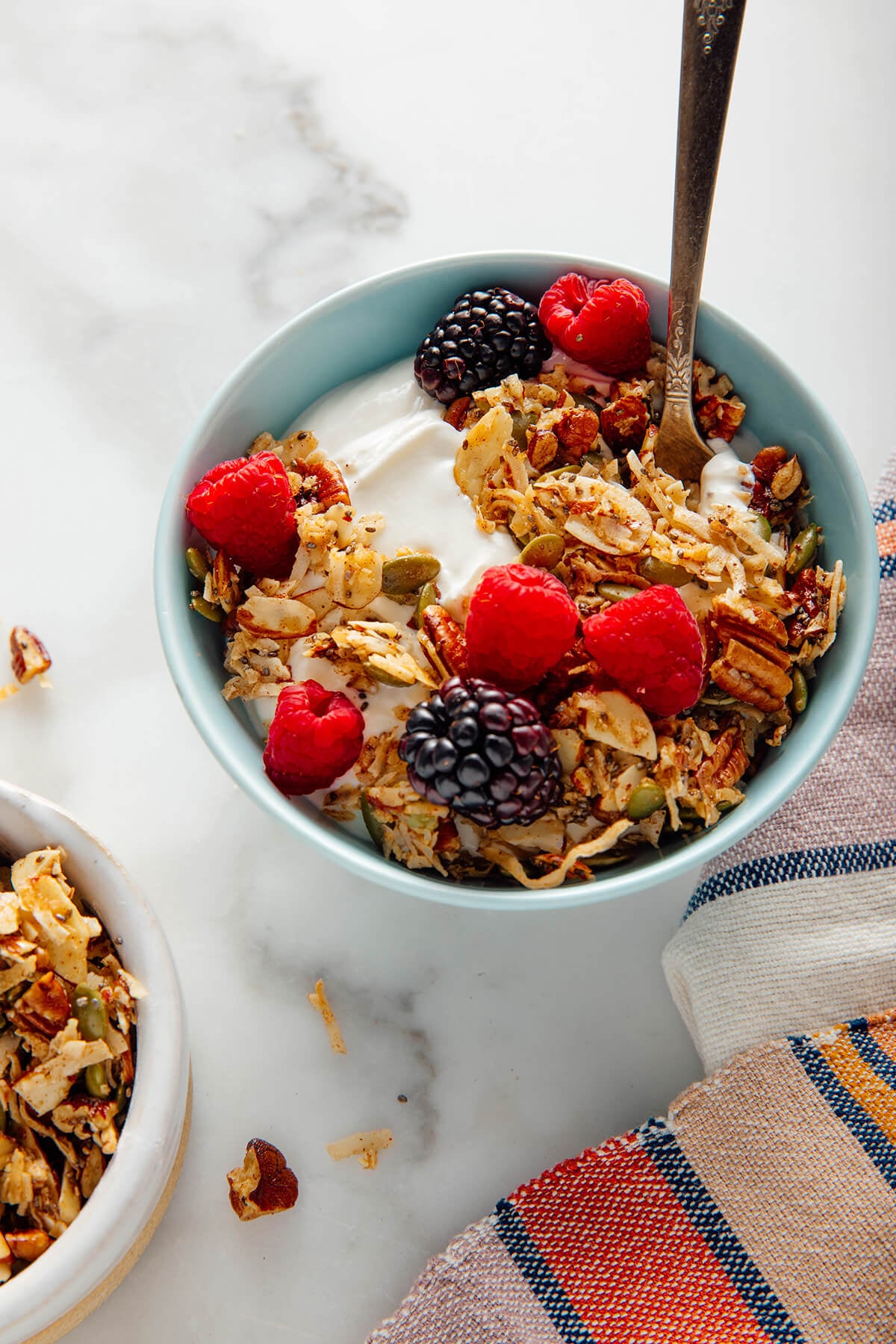
The concept of grain-free granola initially presented a point of curiosity for many, particularly those who, like the originator of this recipe, have long appreciated the benefits of oats and whole grains. However, the necessity to explore alternatives arose from specific health considerations. For instance, managing blood sugar levels during pregnancy, a condition known as gestational diabetes, often requires a more carb-conscious approach. It was during such a period that this grain-free granola proved to be a valuable addition, revitalizing breakfasts and snacks. Its enduring popularity as a kitchen staple underscores its success in providing a wholesome and enjoyable option.
This particular iteration of grain-free granola draws inspiration from the work of registered dietitian Lily Nichols, featured in her comprehensive book, "Real Food for Pregnancy." By adapting and refining Nichols’ original concept, the recipe presented here offers a unique blend of flavors and textures, with ample room for personalization to suit individual palates and pantry contents.
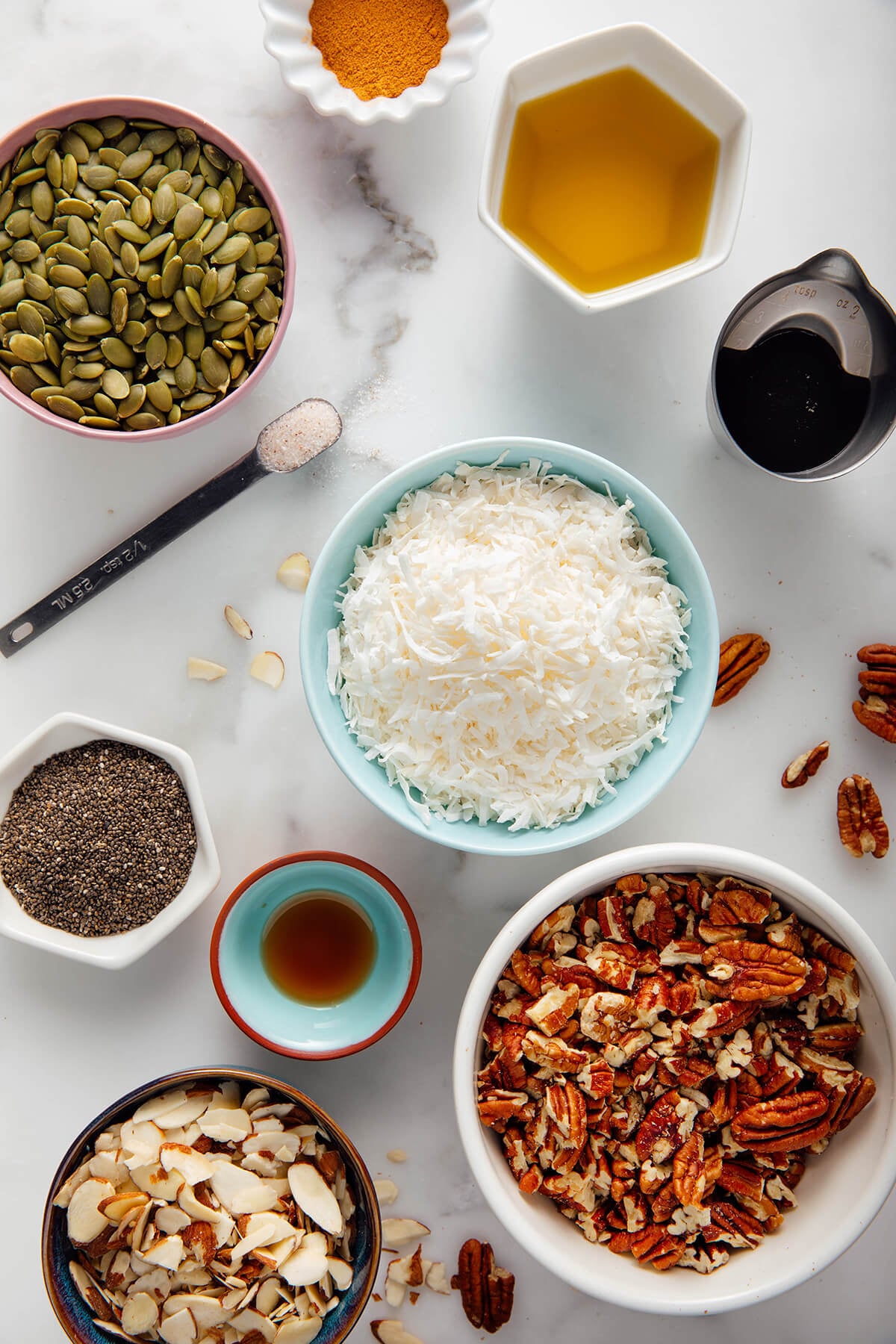
The Appeal of Grain-Free Granola: Key Advantages
While traditional granola, often rich with oats, remains a beloved breakfast staple, the grain-free version presents compelling reasons for its adoption:
- Dietary Inclusivity: For individuals managing gluten sensitivities, celiac disease, or simply choosing to reduce their grain intake, grain-free granola provides a viable and delicious alternative. This opens up breakfast and snack options that might otherwise be limited.
- Nutrient Density: Typically made with a base of nuts, seeds, and healthy fats, grain-free granola can be a powerhouse of essential nutrients. Ingredients like almonds, pecans, walnuts, chia seeds, and flax seeds contribute healthy fats, protein, fiber, vitamins, and minerals. For example, almonds are a good source of Vitamin E and magnesium, while chia seeds are rich in omega-3 fatty acids and fiber.
- Controlled Sweetness: Many commercial granolas are laden with added sugars. This grain-free recipe emphasizes minimal, often natural sweeteners like maple syrup or honey, allowing the inherent flavors of the nuts and seeds to shine through. This offers greater control over sugar intake, aligning with healthier eating patterns.
A Culinary Journey: From Concept to Kitchen Staple
The development of grain-free granola is rooted in a growing awareness of diverse dietary needs. As nutritional science has advanced, so too has the understanding of how different foods impact individual health. The rise of grain-free diets, often associated with paleo or ketogenic lifestyles, has spurred innovation in the food industry and home kitchens alike. This recipe, inspired by a recognized authority in prenatal nutrition, highlights the practical application of dietary research in creating accessible and enjoyable food options.
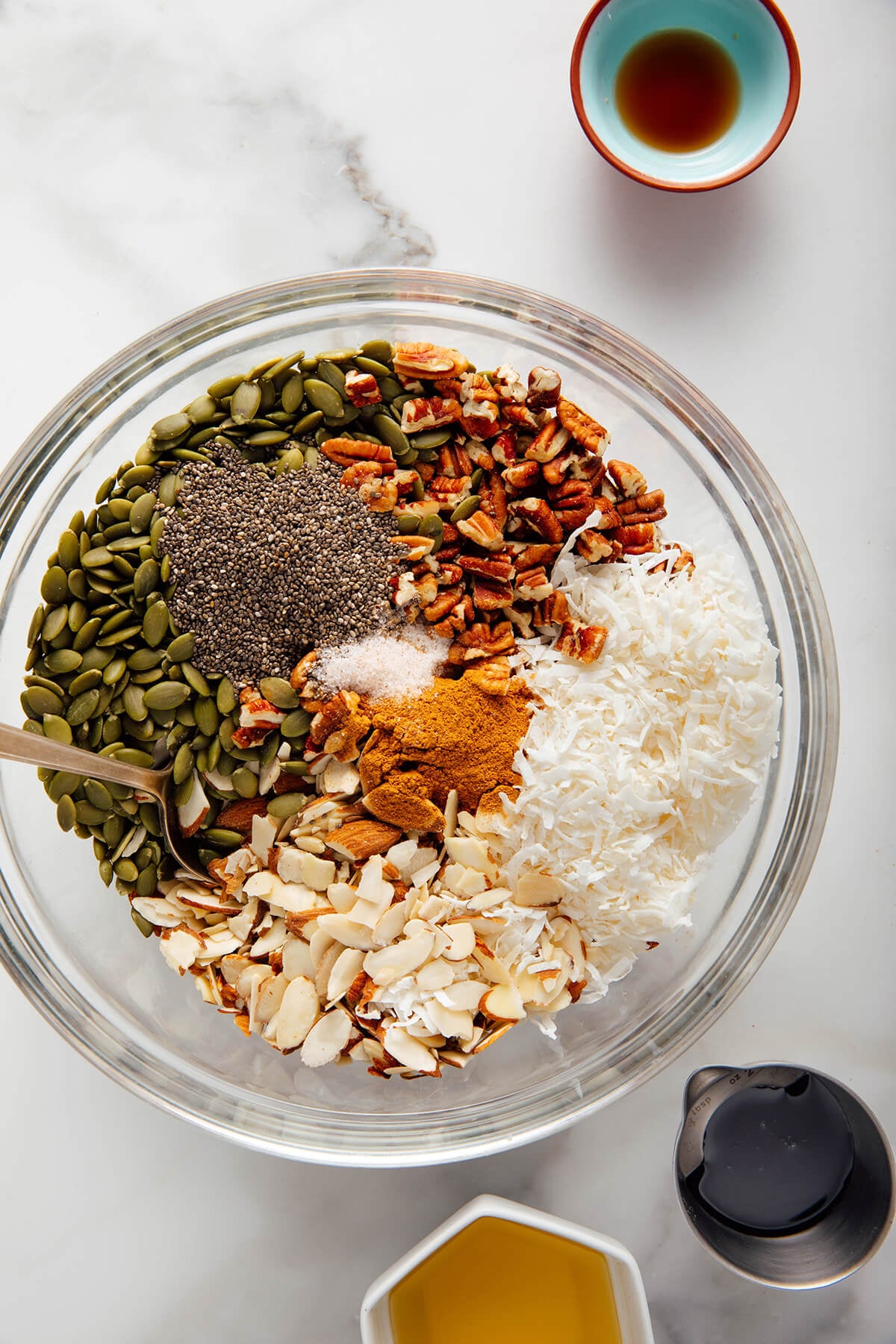
The process of creating grain-free granola typically involves combining a blend of nuts and seeds, binding them with a liquid sweetener and oil, and then baking until crisp. The precise ratios and types of ingredients can be adjusted to achieve desired textures and flavors. For instance, the choice of shredded coconut, whether fine or flaked, can significantly impact the final crunch and mouthfeel. Similarly, the inclusion of spices like cinnamon can add warmth and complexity, while seeds like chia and flax can provide an extra nutritional boost.
Versatile Serving Suggestions: Beyond the Breakfast Bowl
The adaptability of grain-free granola extends to its numerous serving applications:
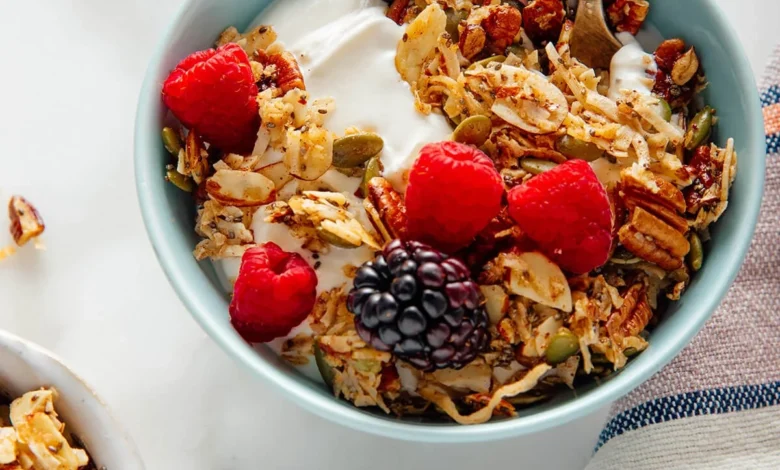
- Yogurt Parfait: A generous sprinkle over Greek yogurt, whether plain or flavored, adds a delightful textural contrast and a burst of nutty flavor. This is a classic and simple way to elevate a basic yogurt serving.
- Smoothie Booster: Incorporating a spoonful or two into a smoothie can enhance its thickness and nutritional profile, adding a satisfying crunch and healthy fats.
- Topping for Baked Goods: Grain-free granola can serve as a delicious topping for muffins, scones, or even baked fruit, providing an appealing crust and added flavor.
- Trail Mix Component: Its portable nature and satisfying crunch make it an excellent addition to homemade trail mixes, offering a healthier alternative to pre-packaged snacks.
- With Fresh Fruit: Simply enjoyed alongside a bowl of fresh berries or sliced apples, it offers a wholesome and satisfying snack.
Customization and Flavor Exploration
The beauty of this grain-free granola recipe lies in its inherent flexibility, allowing for significant customization based on individual preferences and ingredient availability.
- Nut and Seed Variety: The foundational elements of this granola are nuts and seeds. The recipe typically suggests a combination, such as sliced almonds and pecans, but this is a guideline, not a rigid rule. Users can substitute a wide array of nuts like walnuts, macadamia nuts, or even cashews, ensuring they are roughly chopped for even distribution. Similarly, seeds like pepitas (pumpkin seeds) and sunflower seeds can be incorporated, offering different flavor profiles and nutritional benefits. For those with nut allergies, a nut-free version can be achieved by doubling down on seeds like pepitas and sunflower seeds, or by exploring seed butters as a binder, though this may alter the texture.
- Coconut Adjustments: Coconut is a common ingredient, offering a distinct flavor and texture. Finely shredded coconut tends to integrate more seamlessly, providing a lighter crunch, while larger flakes can offer a more pronounced chewiness. The quantity can be adjusted; those who love coconut might increase its proportion, while those who dislike it can omit it entirely or replace it with an equivalent amount of other nuts or seeds.
- Spice and Flavor Enhancements: Cinnamon is a popular choice for its warm, comforting flavor, but it can be omitted for a more purely nutty profile. Alternatively, for a seasonal twist, a blend of warming spices like pumpkin pie spice or apple pie spice can be incorporated, particularly during autumn months. Extracts like vanilla or almond extract can also be added to deepen the flavor complexity.
- Sweetener Choices: While maple syrup is a popular choice for its rich flavor and vegan-friendly nature, honey is another common option. The amount of sweetener can be adjusted to personal taste, keeping in mind that excessive sweetness can detract from the natural flavors of the ingredients.
Tips for Perfect Granola Every Time
Achieving the ideal texture and flavor in homemade grain-free granola often comes down to a few key techniques and considerations:
- Ingredient Freshness: The quality of the nuts and seeds is paramount. Rancid nuts can impart an unpleasant flavor that will undermine the entire batch. It is advisable to smell and taste nuts and seeds before use, and to store them properly in airtight containers, ideally in a cool, dark place or the refrigerator for longer shelf life.
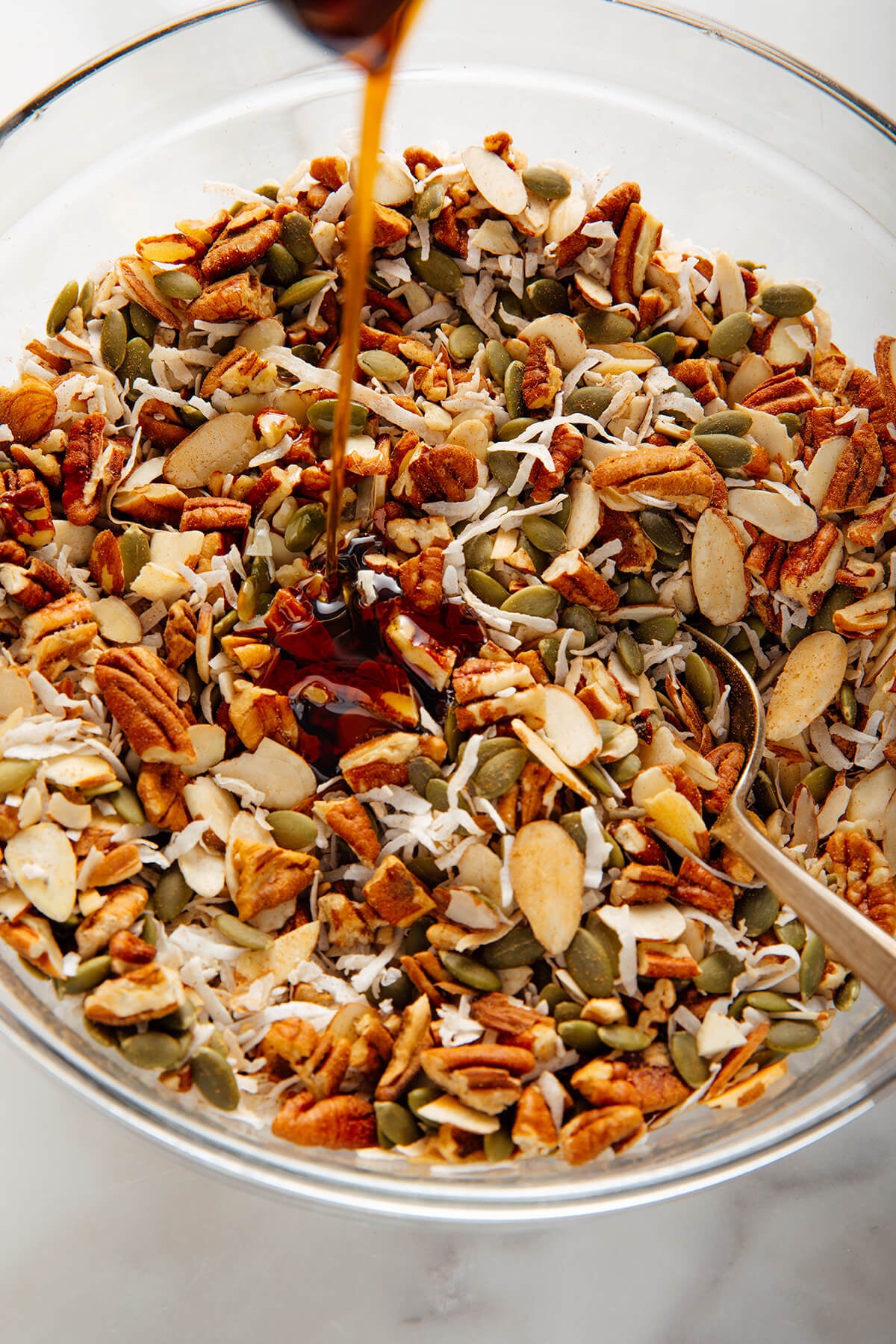
- Even Distribution: Ensuring all ingredients are thoroughly coated with the binder (oil and sweetener) is crucial for even toasting and flavor. This often involves mixing the dry ingredients in a large bowl and then drizzling the wet ingredients over them, tossing gently until well combined.
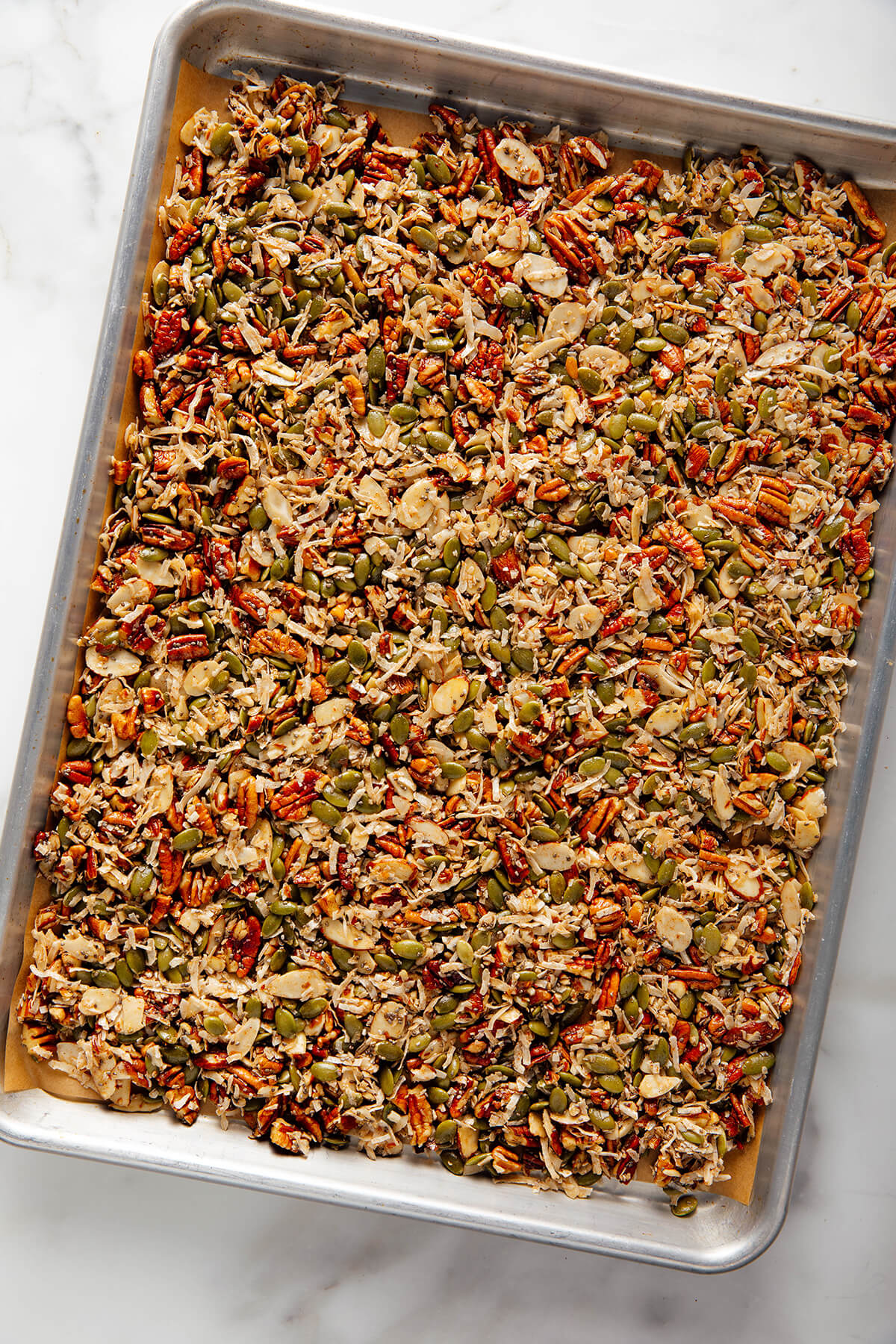
- Baking Temperature and Time: Grain-free granola typically bakes at a moderate temperature (around 300-325°F or 150-160°C) for a longer period than traditional granola. This slow and steady approach allows the ingredients to dry out and crisp up without burning. Baking times can vary based on oven calibration and the moisture content of the ingredients. It is important to stir the granola periodically (usually halfway through baking) to ensure even browning.
- Cooling for Clusters: For those who enjoy granola with clusters, the key is to allow the granola to cool completely on the baking sheet without stirring. As it cools, the sweetener will harden, binding the ingredients together into desirable clumps. If a looser granola is preferred, it can be gently stirred as it cools.
- Storage: Once cooled, grain-free granola should be stored in an airtight container at room temperature. It typically stays fresh for several weeks, though its crispness may diminish over time. Refrigeration can extend its shelf life, especially in warmer climates.
Broader Implications and Future Trends
The popularity of grain-free granola reflects a larger trend towards personalized nutrition and a greater emphasis on whole, unprocessed foods. As consumers become more informed about the impact of diet on health, the demand for versatile, adaptable, and nutrient-dense options is likely to continue. This includes catering to specific dietary needs, such as gluten-free, paleo, keto, or vegan diets, without compromising on taste or enjoyment. The innovation seen in the creation of grain-free granola suggests a future where culinary creativity actively addresses evolving health and lifestyle choices, making healthy eating more accessible and appealing to a wider audience. The adaptability of such recipes also empowers consumers to take control of their ingredients, fostering a deeper connection with their food.