Unpacking the ‘Detox Bath’ Phenomenon: A Critical Look at Ingredients, Claims, and Scientific Evidence in Modern Wellness

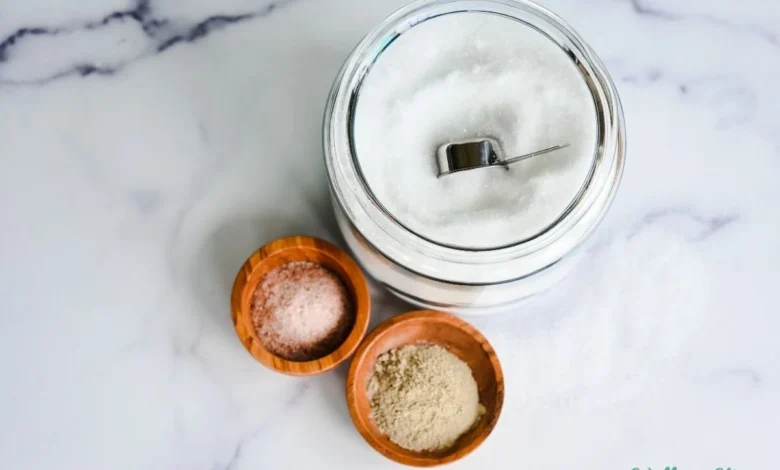
The pursuit of relaxation and well-being has long driven human practices, with warm baths standing as a timeless ritual for soothing the body and mind. In recent years, this simple act has evolved into a more targeted wellness trend: the "detox bath." Marketed as an inexpensive and accessible method to combat "toxin overwhelm," improve skin health, and boost overall vitality, these specialized baths often incorporate a variety of natural ingredients, from common pantry staples to more exotic clays and essential oils. While proponents laud their benefits for addressing issues ranging from skin irritation and muscle soreness to colds and general fatigue, a closer examination reveals a complex interplay between traditional remedies, anecdotal experience, and scientific scrutiny.
The Appeal of Detox Baths in Modern Wellness Culture
The concept of a "detox bath" taps into a broader cultural fascination with detoxification, particularly prevalent in an era marked by heightened environmental awareness and the perceived stresses of modern living. Consumers are increasingly seeking natural, holistic, and at-home solutions to support their health, often driven by a desire to "cleanse" the body from pollutants, processed foods, and stress-related byproducts. The simplicity of adding ingredients to bathwater, combined with the inherent relaxation of a warm soak, makes detox baths an attractive option for many.
The practice is often framed as a gentle, supportive measure for the body’s natural defenses, rather than a harsh medical intervention. Enthusiasts describe feeling rejuvenated, experiencing clearer skin, reduced muscle tension, and improved sleep quality after a detox bath. Many advocate for their use as part of an evening routine, recognizing that the body’s natural restorative processes occur during rest. The perceived benefits extend to children as well, with some parents integrating these baths to support their youngsters’ immunity, though medical consultation is always advised, especially for vulnerable populations such as pregnant or nursing individuals, or those with pre-existing health conditions.
Understanding the Body’s Innate Detoxification Systems: A Scientific Perspective
Before delving into the specifics of detox bath ingredients, it is crucial to understand the scientific consensus on how the human body processes and eliminates toxins. The term "detoxification" in a medical context refers to the physiological process by which the body metabolizes and excretes harmful substances, whether they are metabolic byproducts, environmental pollutants, or ingested compounds. This intricate system is remarkably efficient and operates continuously, without requiring external "detox" products or interventions under normal circumstances.
The primary organs responsible for detoxification include:
- Liver: The powerhouse of detoxification, the liver filters blood, metabolizes drugs, alcohol, and hormones, and converts fat-soluble toxins into water-soluble compounds that can be excreted.
- Kidneys: These organs filter waste products and excess water from the blood, producing urine. They play a critical role in maintaining fluid and electrolyte balance.
- Lungs: Through respiration, the lungs eliminate gaseous waste products, such as carbon dioxide.
- Skin: While often called the body’s largest organ of detoxification, its role is primarily protective. Sweating does release some metabolic byproducts and a negligible amount of heavy metals, but its contribution to systemic detoxification is minor compared to the liver and kidneys.
- Gastrointestinal Tract: The digestive system eliminates undigested food and waste products through feces. Beneficial gut bacteria also play a role in breaking down certain compounds.
From a medical standpoint, a healthy body with functioning organs does not typically require external "detox" protocols to eliminate toxins. The claims that baths or specific supplements can significantly "pull" toxins from the body, especially heavy metals, through the skin or other passive means, often lack robust scientific evidence. Medical professionals generally emphasize that a balanced diet, adequate hydration, regular exercise, and sufficient sleep are the most effective ways to support the body’s natural detoxification processes.
Analyzing Key Ingredients and Their Purported Efficacy
The array of ingredients found in popular detox bath recipes each carries specific claims, blending traditional uses with contemporary wellness narratives.
1. Epsom Salt (Magnesium Sulfate) Baths:
- Claims: Soothes skin irritation, boosts magnesium levels, relieves muscle aches, and aids in "overall detoxing" by drawing out toxins.
- Background: Epsom salt has been used for centuries in baths, primarily for its perceived muscle-relaxing and pain-relieving properties. Magnesium is a vital mineral involved in over 300 biochemical reactions in the body, including muscle and nerve function, blood glucose control, and blood pressure regulation.
- Scientific Perspective: While warm water itself promotes relaxation and can ease muscle tension, the extent of transdermal magnesium absorption from Epsom salt baths is a subject of ongoing debate in the scientific community. Some studies suggest a potential for minimal absorption, which could theoretically contribute to magnesium levels, especially in deficient individuals. However, the idea that Epsom salts actively "pull toxins" from the body in any significant way is not supported by mainstream medical research. The primary benefits are likely derived from the warm water and the psychological effects of a relaxing bath.
2. Bentonite Clay Baths:
- Claims: Absorbs heavy metals and other toxins from the body through the skin, beneficial for deep cleansing.
- Background: Bentonite clay, derived from volcanic ash, is known for its highly adsorptive properties, meaning it can bind to various substances. It’s used in some industrial applications, as a detoxifying agent in certain animal feeds, and internally in small doses (with caution) for digestive issues.
- Scientific Perspective: While bentonite clay demonstrates adsorptive capabilities in laboratory settings and when ingested (e.g., for certain gastrointestinal issues), there is limited to no scientific evidence to suggest that it can effectively draw systemic heavy metals or other toxins through the skin during a bath. The skin’s primary function is to act as a barrier, preventing external substances from entering and internal substances from readily exiting. Any minimal adsorption that might occur on the skin’s surface is unlikely to translate into significant systemic detoxification. Practical considerations include potential drain clogging if not properly filtered.
3. Oxygen Detox Baths (Ginger-infused):
- Claims: Helps during illness, clears congestion, alleviates body aches, stimulates circulation for faster healing, beneficial for allergies or skin irritation.
- Background: Ginger has a long history of use in traditional medicine for its anti-inflammatory, antioxidant, and circulatory stimulant properties. It is commonly used to combat nausea, aid digestion, and relieve cold and flu symptoms.
- Scientific Perspective: The warmth of a ginger-infused bath can certainly promote relaxation and increase local circulation, which might offer symptomatic relief for congestion or muscle aches. Ginger’s active compounds (gingerols, shogaols) have known anti-inflammatory effects. While these effects are well-documented when ginger is consumed, topical absorption in a bath could contribute to a sense of warmth and localized relief. However, labeling it an "oxygen detox bath" or attributing it to systemic detoxification lacks specific scientific backing. The primary benefits are likely comfort and symptomatic relief.
4. Vinegar Detox Baths (Apple Cider Vinegar):
- Claims: Balances skin pH, soothes skin problems (sunburn, eczema, dandruff, dry itchy skin), leaves skin soft and hair shiny.
- Background: Apple Cider Vinegar (ACV) is a popular home remedy with a slightly acidic pH. It has been used for centuries in various folk medicine applications.
- Scientific Perspective: The claims for ACV baths have more plausible physiological mechanisms. Healthy skin has a slightly acidic pH (around 4.5-5.5), which is crucial for maintaining the skin barrier and protecting against pathogens. Soaps and many environmental factors can disrupt this pH. Adding ACV to bathwater can help to restore the skin’s natural acidic mantle, which can indeed be beneficial for conditions like eczema, dry skin, or sunburn, where the skin barrier is compromised. Its mild antimicrobial properties may also play a role. The benefits here are primarily localized to the skin’s surface and barrier function, not systemic detoxification.
5. Mustard Detox Baths:
- Claims: Stimulates circulation, soothes colds, flu, and sore muscles.
- Background: Mustard powder has been traditionally used in poultices and baths for its rubefacient properties, meaning it causes warmth and redness of the skin by increasing blood flow. Ancient cultures often employed it for respiratory ailments and muscle discomfort.
- Scientific Perspective: Mustard contains compounds like allyl isothiocyanate, which are responsible for its pungent flavor and its ability to stimulate sensory nerves, leading to increased localized blood flow and a sensation of warmth. This effect can indeed provide symptomatic relief for muscle soreness or congestion, similar to a topical balm. The increased circulation can help alleviate discomfort. However, the idea of a "mustard detox bath" actively "detoxifying" the body in a systemic sense is not supported by scientific evidence. Its benefits are primarily related to its warming and circulatory-stimulating properties for symptomatic relief.
Safety Considerations and Expert Recommendations
While detox baths are generally considered safe for healthy individuals, several precautions and expert advisories are crucial for ensuring well-being:
- Medical Consultation: Always consult a healthcare professional before trying detox baths, especially if you have underlying health conditions (e.g., heart disease, kidney issues, diabetes), skin sensitivities, or if you are pregnant or nursing. Certain ingredients or the heat of the bath could pose risks.
- Temperature Control: Ensure bathwater is warm but not excessively hot, as prolonged exposure to very hot water can lead to dehydration, dizziness, or exacerbate certain medical conditions.
- Allergies and Sensitivities: Perform a patch test with new ingredients (especially essential oils or clay) to check for skin irritation or allergic reactions before a full bath.
- Essential Oil Dilution: Essential oils are potent and should always be properly diluted (e.g., with a carrier oil like jojoba or almond oil, or dispersed in Epsom salts) before adding to bathwater to prevent skin irritation. Choose high-quality, reputable essential oils.
- Hydration: Drink plenty of water before, during, and after a bath, especially if the water is warm, to prevent dehydration.
- Drainage: For clay baths, using a drain filter or cloth is highly recommended to prevent clay accumulation and potential clogs in plumbing.
- Realistic Expectations: It is vital for consumers to approach detox baths with realistic expectations. While they can be incredibly relaxing and offer symptomatic relief for minor ailments, they are not a substitute for conventional medical treatment, nor do they replace the body’s natural, highly efficient detoxification systems.
The Broader Implications: Wellness Industry and Consumer Choices
The popularity of detox baths highlights a significant trend within the broader wellness industry, which is projected to be a multi-trillion-dollar global market. This industry thrives on offering solutions to perceived modern-day ailments, often emphasizing "natural" remedies and self-care practices. The appeal of detox baths lies in their simplicity, affordability, and the empowering feeling of taking charge of one’s health.
However, this trend also underscores a critical need for media literacy and scientific discernment among consumers. The language used to promote "detox" products often lacks precise scientific definitions, blurring the lines between relaxation, symptomatic relief, and actual physiological detoxification. Without robust scientific evidence to support systemic detoxification claims for these baths, consumers might invest time and money in practices that offer comfort but not the profound internal cleansing they anticipate.
The medical community consistently advises that true detoxification is best supported by foundational health practices: a nutrient-rich diet, adequate hydration, regular physical activity, sufficient sleep, stress management, and avoiding known toxins (e.g., smoking, excessive alcohol). These lifestyle choices empower the body’s natural systems to function optimally, far more effectively than any external bath.
In conclusion, detox baths, with their blend of natural ingredients and warm water, undeniably offer a pleasant and relaxing experience that can contribute to a sense of well-being. They may provide symptomatic relief for minor muscle aches, skin irritations, or congestion, and the ritual itself can be a powerful stress reliever, which is crucial for overall health. However, consumers should approach the "detox" claims with a critical and informed perspective, understanding that while these baths can be a valuable component of a self-care routine, they do not fundamentally alter or enhance the body’s sophisticated and self-sufficient detoxification processes. Prioritizing evidence-based health practices and consulting medical professionals for health concerns remains paramount.
Related posts: