High-Protein Cottage Cheese Pasta Offers a Creamy, Guilt-Free Alternative to Vodka Sauce

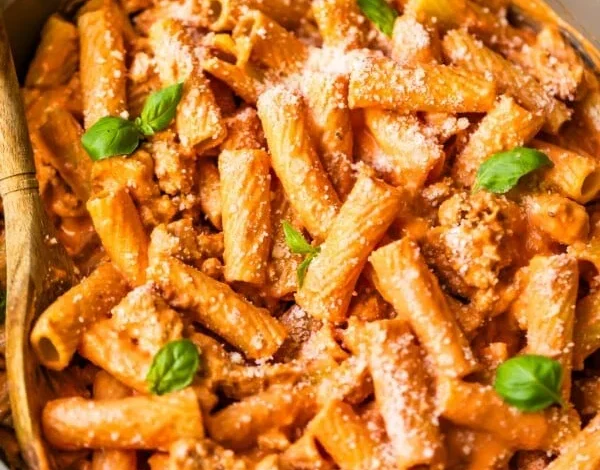
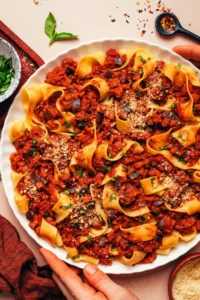
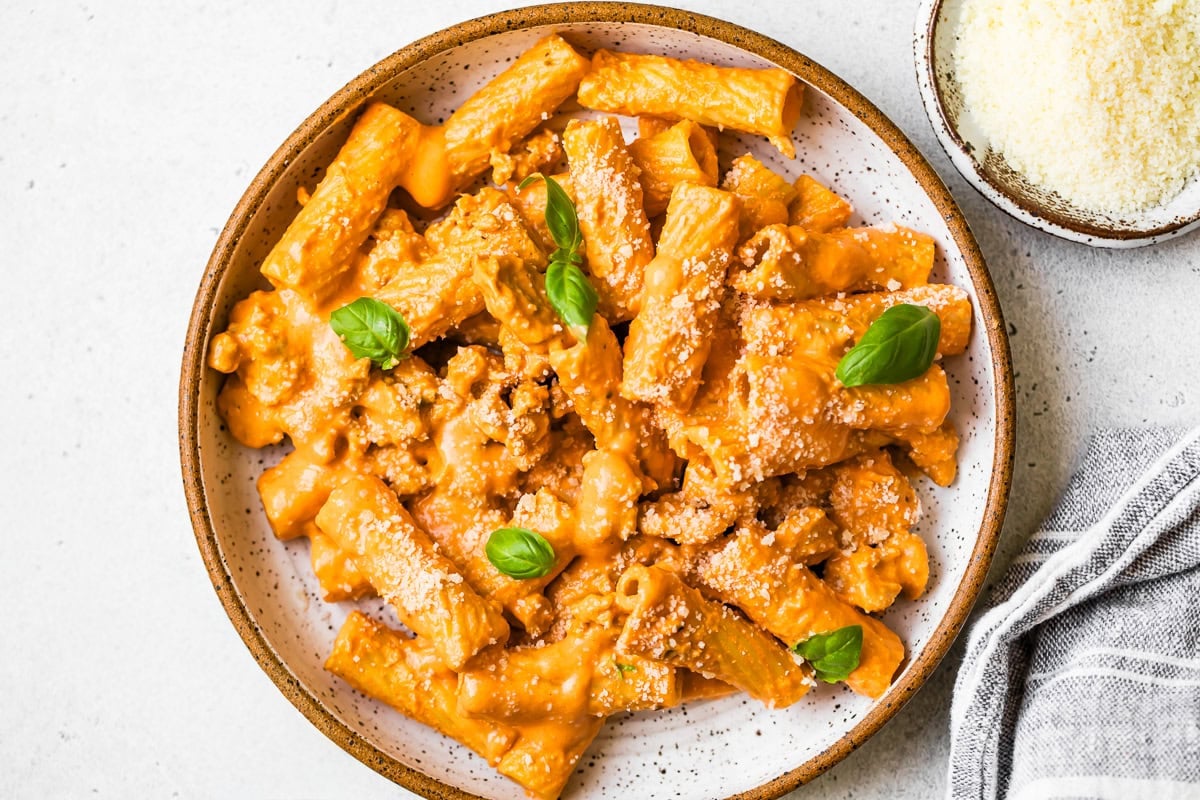
This innovative High-Protein Cottage Cheese Pasta delivers the rich, velvety texture and satisfying flavor profile reminiscent of classic vodka sauce, but with a significant nutritional upgrade. By ingeniously substituting heavy cream with blended cottage cheese and omitting alcohol, this recipe presents a healthier, protein-enhanced twist on a beloved Italian-American staple. The culinary development, spearheaded by a focus on accessible and nutritious ingredients, aims to redefine comfort food with a health-conscious approach, challenging traditional notions of indulgence in pasta dishes.
The Innovation Behind Cottage Cheese as a Cream Substitute
The culinary world is constantly evolving, seeking creative ways to achieve desired textures and flavors with healthier alternatives. Cottage cheese, long recognized for its high protein content and relatively mild flavor, has emerged as a surprising yet effective emulsifier and base for creamy sauces. When blended thoroughly, its curds break down into a smooth, luxurious consistency that can mimic the richness of heavy cream without the elevated saturated fat content. This transformation is particularly effective in dishes like pasta sauces, where the other robust flavors can further mask any subtle dairy notes of the cottage cheese.
The development of this recipe likely stems from a growing consumer demand for high-protein meals that do not compromise on taste or texture. As nutritional science increasingly highlights the benefits of protein for satiety, muscle maintenance, and overall health, chefs and home cooks alike are exploring new avenues to incorporate it into everyday dishes. Pasta, a universally popular comfort food, presents an ideal canvas for such experimentation. The challenge lies in achieving the desired creaminess, often associated with high-fat ingredients like cream or butter, using leaner, protein-rich alternatives.
A Culinary Revelation: The Taste Test
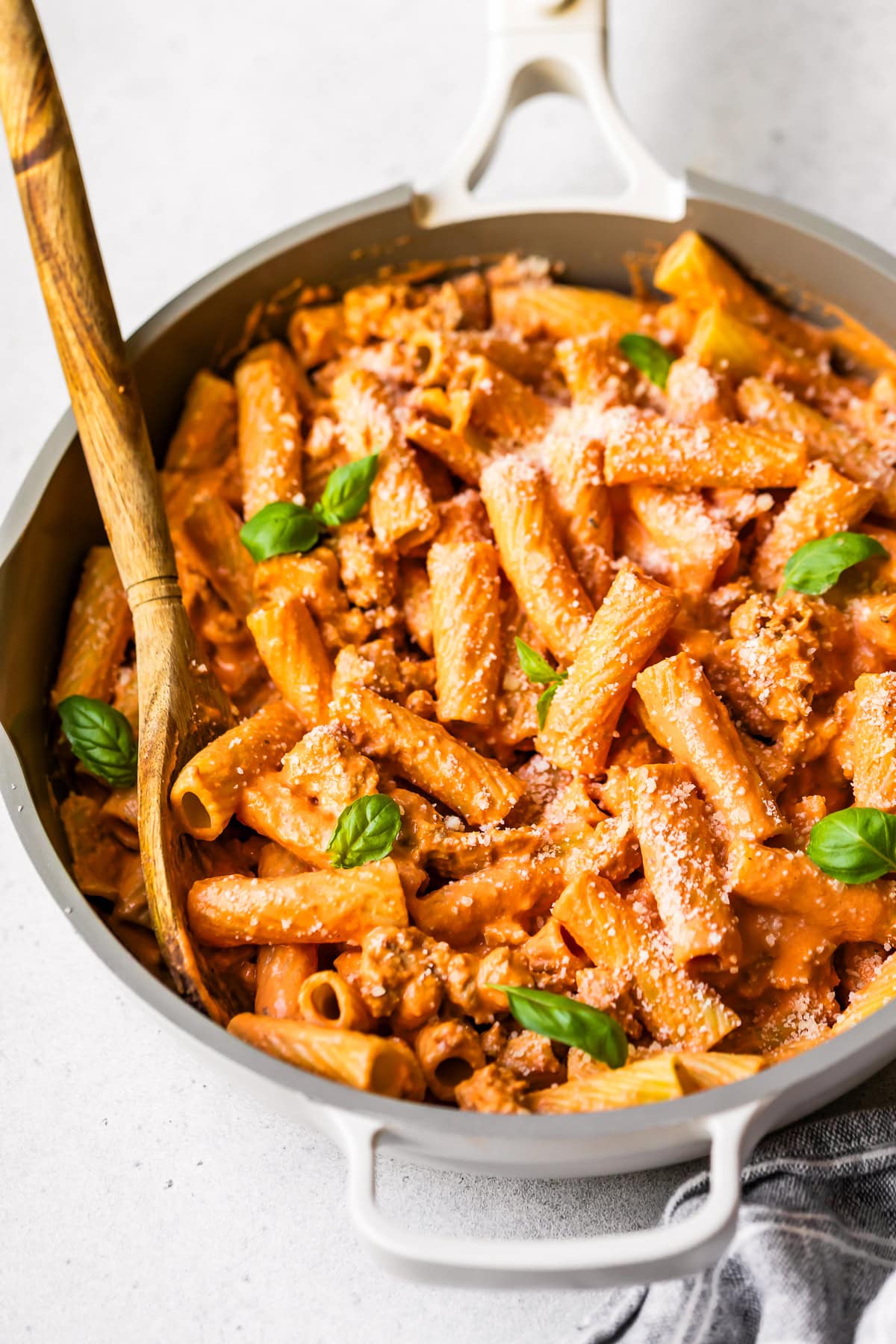
Initial skepticism is a common reaction when introducing an ingredient like cottage cheese into a dish typically dominated by cream. However, early taste testers, including the author’s husband, have reported being completely unaware of the substitution. This blind endorsement underscores the success of the blending technique and the complementary nature of the other sauce ingredients. The recipe cleverly integrates caramelized onions, tomato paste, and red pepper to build a complex flavor base, while Parmesan cheese and fresh basil add depth and aromatic notes. This layered approach ensures that the primary taste experience is one of a familiar, decadent pasta sauce, with the cottage cheese acting as an undetectable, yet crucial, textural component.
The author’s anecdote about her husband finishing his entire bowl before revealing the secret ingredient highlights the dish’s deceptive simplicity and profound impact. This culinary sleight of hand not only validates the recipe’s effectiveness but also serves as a compelling testimonial for home cooks who might be hesitant to experiment with less conventional ingredients. The success of this dish lies in its ability to deliver on the promise of indulgent flavor while simultaneously offering a significant protein boost.
Key Ingredients and Their Roles

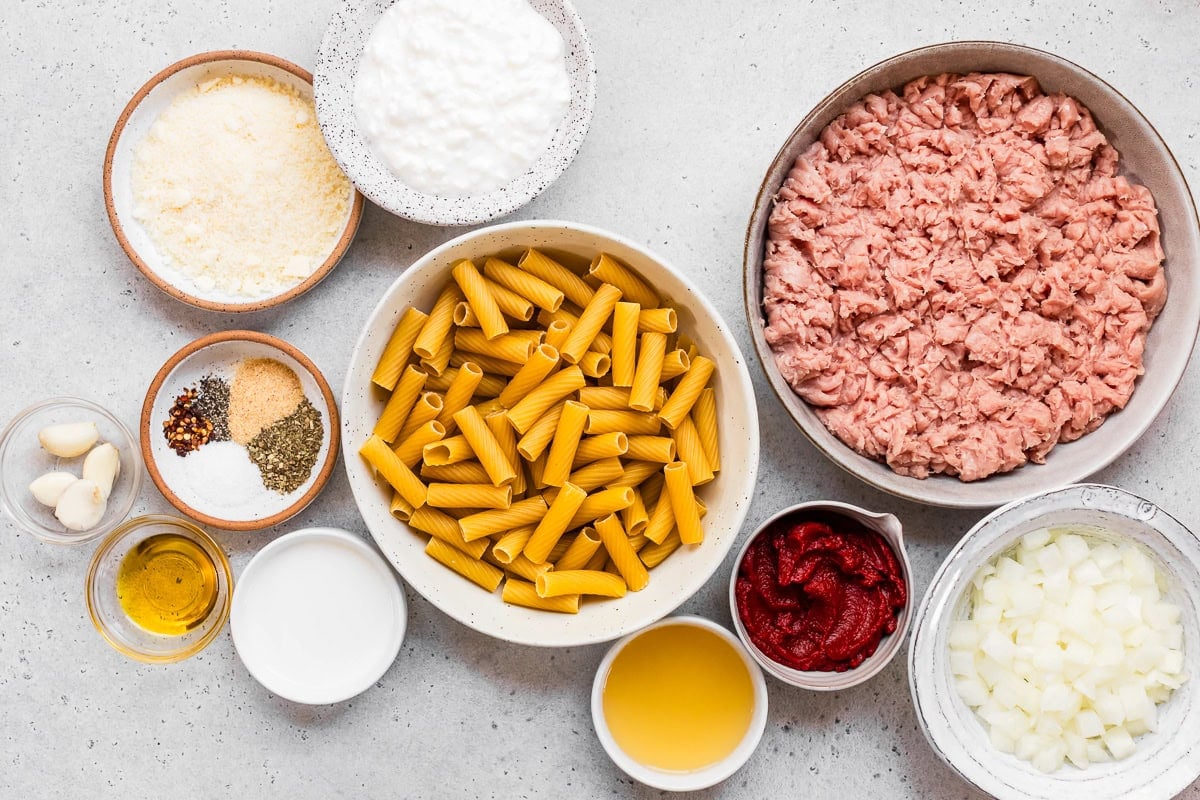
The foundation of this high-protein cottage cheese pasta lies in a carefully selected group of ingredients, each contributing to the final flavor and texture:
- Cottage Cheese: The star of the show, when blended smooth, it provides a creamy base and a substantial protein punch, replacing the need for heavy cream. Opting for full-fat or low-fat cottage cheese can slightly alter the final fat content, but the protein remains a consistent benefit.
- Onions: Caramelized onions add a natural sweetness and depth of flavor, creating a savory foundation for the sauce. The slow cooking process breaks down their sugars, enhancing their inherent sweetness and contributing to the sauce’s complexity.
- Tomato Paste: This concentrated form of tomatoes provides an intense umami flavor and a rich, red hue to the sauce. It acts as a flavor enhancer, deepening the savory notes and adding a slight tanginess.
- Red Pepper: A touch of red pepper, likely in the form of flakes or finely diced, introduces a subtle warmth and a hint of spice, balancing the richness of the sauce and adding another layer of complexity.
- Parmesan Cheese: This hard, aged cheese contributes a nutty, salty, and slightly sharp flavor profile. It also helps to emulsify the sauce and adds a savory depth that complements the tomato and onion base.
- Fresh Basil: The inclusion of fresh basil towards the end of the cooking process offers a bright, herbaceous aroma and flavor that cuts through the richness and adds a touch of freshness.
- Pasta: The choice of pasta is flexible, but a shape that can hold the sauce well, such as penne, rigatoni, or fusilli, is generally recommended. The recipe suggests a serving size of two cups of the prepared pasta dish, providing a substantial and satisfying meal.
The Culinary Process: From Simple Ingredients to Creamy Sauce
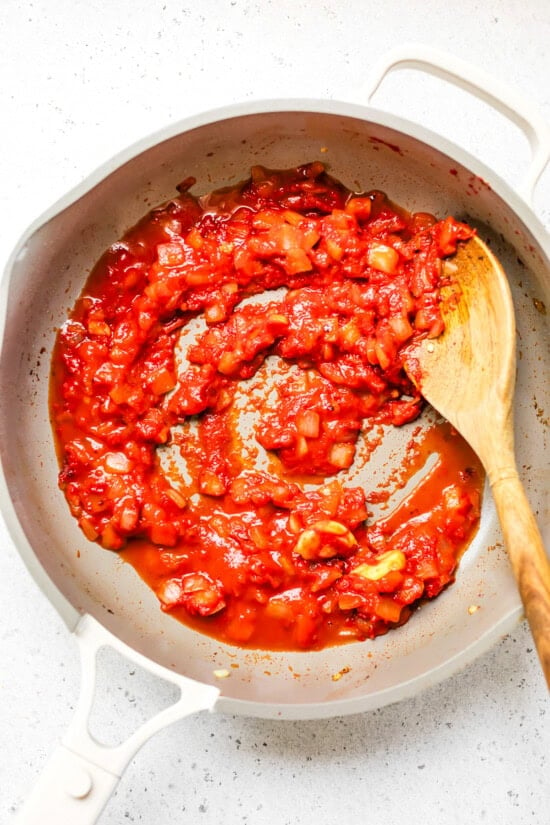
The preparation of this high-protein cottage cheese pasta is designed to be straightforward, making it an accessible option for weeknight meals. The process typically involves sautéing aromatic vegetables, such as onions and garlic, until softened and fragrant. Tomato paste is then added and cooked briefly to deepen its flavor and remove any raw notes.

The crucial step involves blending these sautéed ingredients with the cottage cheese until a completely smooth and creamy consistency is achieved. This is often done in a high-powered blender or food processor, ensuring no grainy texture remains. The blended sauce is then gently warmed on the stovetop over low heat, allowing the flavors to meld without overheating, which could cause the cottage cheese to separate. Finally, the cooked pasta is combined with the sauce, often with a splash of pasta water to achieve the perfect consistency, and finished with fresh herbs and Parmesan cheese.
Nutritional Advantages and Broader Implications
The most significant advantage of this cottage cheese pasta recipe is its elevated protein content. A standard serving of this dish provides approximately 34.5 grams of protein, significantly higher than a comparable dish made with heavy cream. This makes it an excellent option for individuals looking to increase their protein intake for reasons such as muscle building, weight management, or simply to promote satiety and sustained energy.
The protein content of cottage cheese is substantial, with a typical 1-cup serving containing around 25 grams of protein. By incorporating it into a pasta sauce, this recipe effectively transforms a typically carbohydrate-heavy meal into a more balanced and nutritionally complete option. This aligns with broader trends in dietary recommendations that emphasize protein-rich foods for their role in metabolic health and appetite regulation.
Furthermore, the reduction in saturated fat compared to traditional cream-based sauces contributes to its health profile. While Parmesan cheese does contain fat, the substitution of heavy cream for cottage cheese significantly lowers the overall saturated fat content per serving. This can be particularly beneficial for individuals managing cardiovascular health or aiming for a lower-fat diet.
Tips for Culinary Success and Variations
To ensure the smoothest and creamiest sauce, using a high-quality blender or food processor is essential. Blending until the mixture is completely homogenous is key to achieving the desired velvety texture and eliminating any hint of curds. Some recipes suggest adding a small amount of reserved pasta water to the sauce while blending to help achieve the perfect consistency.
The recipe also offers several avenues for customization and variation, catering to diverse palates and dietary needs:
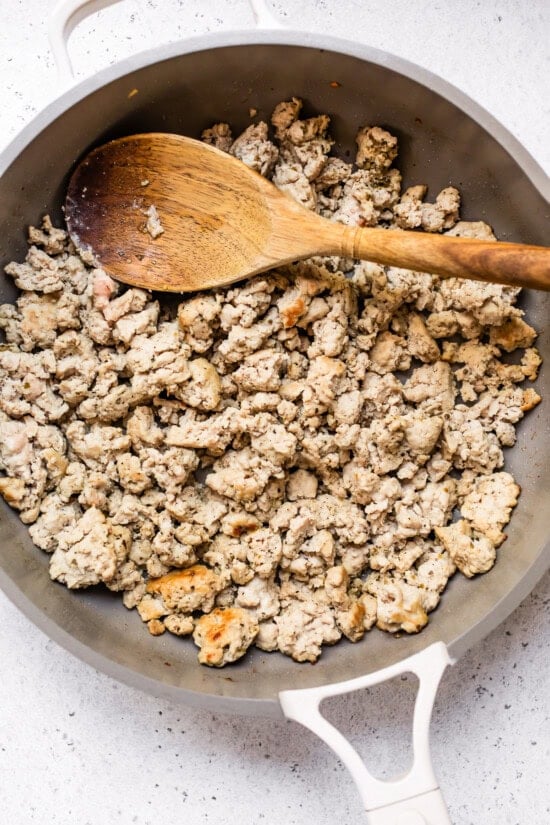
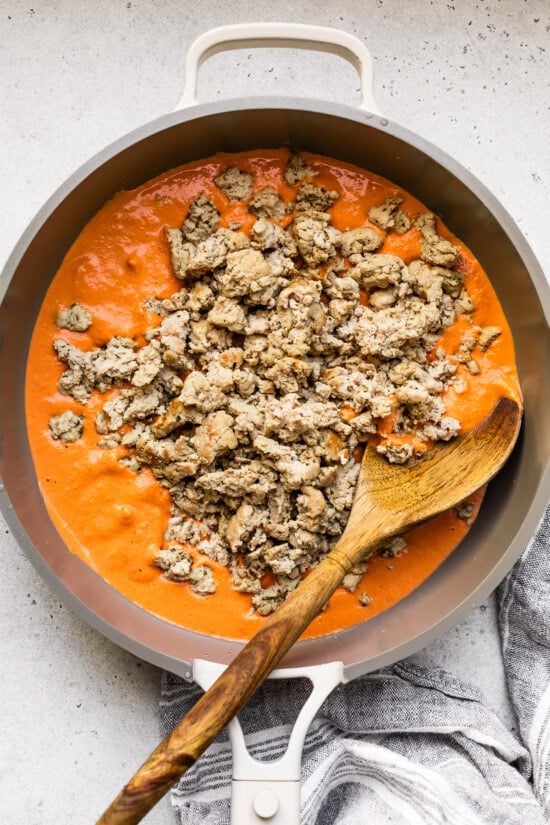
- Protein Boost: For an even higher protein content, consider adding lean ground turkey, chicken, or even crumbled tofu to the sautéed aromatics before blending the sauce. This further enhances the meal’s protein profile.
- Vegetable Integration: Incorporate finely chopped vegetables like spinach, zucchini, or mushrooms into the sautéed base for added nutrients and texture. These vegetables will soften during cooking and blend seamlessly into the sauce.
- Spice Level Adjustment: The amount of red pepper can be adjusted to suit individual spice preferences, from a mild warmth to a more pronounced kick.
- Herbal Variations: While basil is classic, other fresh herbs like parsley, oregano, or even a hint of thyme can be used to create different flavor profiles.
- Dairy-Free Option: While this specific recipe relies on dairy, future adaptations could explore plant-based cottage cheese alternatives or silken tofu blended with nutritional yeast and cashew cream for a dairy-free version, though this would alter the protein profile.
Storage and Meal Prep Potential
This high-protein cottage cheese pasta sauce is well-suited for storage and meal preparation. The blended sauce can be made ahead of time and stored in an airtight container in the refrigerator for up to three to four days. When ready to serve, gently reheat the sauce on the stovetop over low heat, adding a splash of water or milk if it has thickened. The pasta can be cooked separately and tossed with the reheated sauce.
Freezing the sauce is also a viable option, extending its shelf life for up to three months. Thaw the frozen sauce in the refrigerator overnight and then reheat it as described above. For convenience, the pasta and sauce can be frozen together, though a splash of liquid may be needed during reheating to re-establish the sauce’s desired consistency. This makes it an excellent candidate for batch cooking and enjoying healthy, protein-rich meals throughout the week.
Frequently Asked Questions

A common query surrounding this recipe is the detectability of cottage cheese flavor. As confirmed by taste tests, when properly blended with other ingredients, the distinct flavor of cottage cheese is masked, allowing the savory notes of the tomato, onion, and Parmesan to dominate. The texture is the primary benefit, providing a creamy mouthfeel without the heaviness of traditional cream.
Regarding freezing, the cottage cheese pasta sauce holds up well. The key is to thaw it properly and reheat it gently. The protein content remains stable, and the texture can be revived with a little liquid. This resilience makes it a practical choice for those who prefer to prepare meals in advance.
The Future of Healthy Comfort Food
The development of recipes like this high-protein cottage cheese pasta signifies a broader shift in culinary trends, where health and indulgence are no longer mutually exclusive. By leveraging the nutritional benefits of ingredients like cottage cheese and employing clever preparation techniques, it is possible to create dishes that are both satisfying and beneficial for one’s well-being. This recipe stands as a testament to culinary innovation, offering a delicious and accessible way to enjoy a beloved comfort food with an enhanced nutritional profile, paving the way for more creative and health-conscious approaches to everyday cooking. The ongoing exploration of such recipes is likely to continue shaping the future of healthy eating, making nutritious choices more appealing and sustainable for a wider audience.