The Best Whey Protein Powders of 2025, According to a Certified Sports Nutrition Coach

The global landscape of health and wellness continues its robust expansion, with protein supplementation standing out as a cornerstone for individuals pursuing fitness, muscle development, and overall dietary enhancement. As consumers increasingly prioritize nutritional efficacy and ingredient transparency, whey protein maintains its position as a leading supplement. Derived from cow’s milk, whey is a complete protein, meaning it contains all nine essential amino acids (EAAs) vital for human health, particularly for muscle protein synthesis and repair. This comprehensive analysis, guided by certified sports nutrition coach Pete Nastasi and a panel of expert contributors including registered dietitians and exercise science specialists, delves into the top whey protein powders poised to dominate the market in 2025, dissecting their unique attributes, scientific underpinnings, and broader implications for consumer health and the industry.
The Science of Whey: A Foundation for Health and Performance
Whey protein’s prominence is rooted in its rich amino acid profile, particularly its high concentration of branched-chain amino acids (BCAAs) such as leucine, isoleucine, and valine. Leucine, in particular, plays a critical role in signaling the initiation of muscle protein synthesis, a fundamental process for muscle growth and recovery following exercise. Beyond its anabolic properties, whey protein also contributes to satiety, aiding in weight management by reducing overall caloric intake. The swift digestion and absorption rate of whey protein compared to other protein sources make it an ideal choice for post-workout recovery, quickly delivering amino acids to fatigued muscles. Research consistently highlights whey’s ability to support not only muscle building and preservation but also to enhance immune function and contribute positively to cardiometabolic health, underscoring its multifaceted benefits.
Understanding the Spectrum: Whey Concentrate, Isolate, and Hydrolysate
The market offers three primary forms of whey protein, each processed differently to achieve varying macronutrient profiles and absorption rates:
-
Whey Protein Concentrate (WPC): As the least processed form, WPC retains higher levels of beneficial nutrients, lactose (milk sugar), fats, and carbohydrates. Typically comprising 70-80% protein by weight, WPC is a cost-effective option that still delivers a substantial protein dose. Its natural flavor and texture also make it a preferred ingredient for food manufacturers in products like baked goods and sauces, where it contributes to flavor, color, and shelf-life. While containing more lactose, many individuals with mild lactose sensitivity can still tolerate WPC in moderate amounts.
-
Whey Protein Isolate (WPI): Undergoing further filtration and processing, WPI boasts a higher protein concentration, usually 90% or more, with significantly reduced lactose, fat, and carbohydrates. This makes WPI an excellent choice for individuals with lactose intolerance, those on strict low-carb or low-fat diets, or athletes seeking the purest protein source with minimal additional macronutrients. The intensive filtration process, however, can strip away some of the minor beneficial nutrients found in WPC. WPI’s rapid absorption makes it highly effective for immediate post-exercise recovery.
-
Whey Protein Hydrolysate (WPH): Also known as hydrolyzed whey, WPH is produced through partial hydrolysis, a process that breaks down the protein into smaller peptides. This pre-digested form ensures the fastest absorption rate among the three types, making it potentially beneficial for ultra-rapid nutrient delivery to muscles, such as during intra-workout fueling or for individuals with compromised digestive systems. While WPH can cause a transient increase in blood sugar levels due to its rapid digestion, recent studies suggest that whey protein, in general, can improve glycemic control over time, making this a nuanced consideration rather than a definitive disadvantage for most.
Rigorous Selection: The Methodology Behind the 2025 Picks
The selection of the best whey protein powders for 2025 was an exhaustive process, reflecting a commitment to objective evaluation and consumer transparency. Over 50 different protein powders were subjected to hands-on testing, with assessments covering a wide array of factors critical to user experience and nutritional efficacy. These factors included:
- Nutritional Profile: Scrutiny of protein content per serving, amino acid breakdown, carbohydrate, fat, and sugar levels, and the presence of any beneficial micronutrients.
- Ingredient Quality and Sourcing: Emphasis on transparent sourcing, such as grass-fed dairy, and the absence of artificial additives, fillers, or genetically modified organisms (GMOs).
- Third-Party Testing and Certifications: Prioritization of products verified by independent laboratories like Informed Sport or Labdoor, which ensure label accuracy, purity, and the absence of banned substances. This is particularly crucial for athletes.
- Taste and Mixability: Real-world evaluation by testers to assess flavor accuracy, sweetness levels, texture, and how easily the powder dissolves in various liquids without clumping or excessive foaming.
- Digestibility and User Experience: Feedback on common issues like bloating, stomach discomfort, or aftertaste, which significantly impact consistent product use.
- Value for Money: Balancing product quality and features against its cost per serving, ensuring consumers receive optimal value.
This multi-faceted approach, combined with the professional insights of Pete Nastasi, a certified nutrition coach, and contributions from an expert panel, ensures that the recommended products meet high standards of quality, performance, and user satisfaction.
Spotlight on the Top Whey Protein Powders for 2025
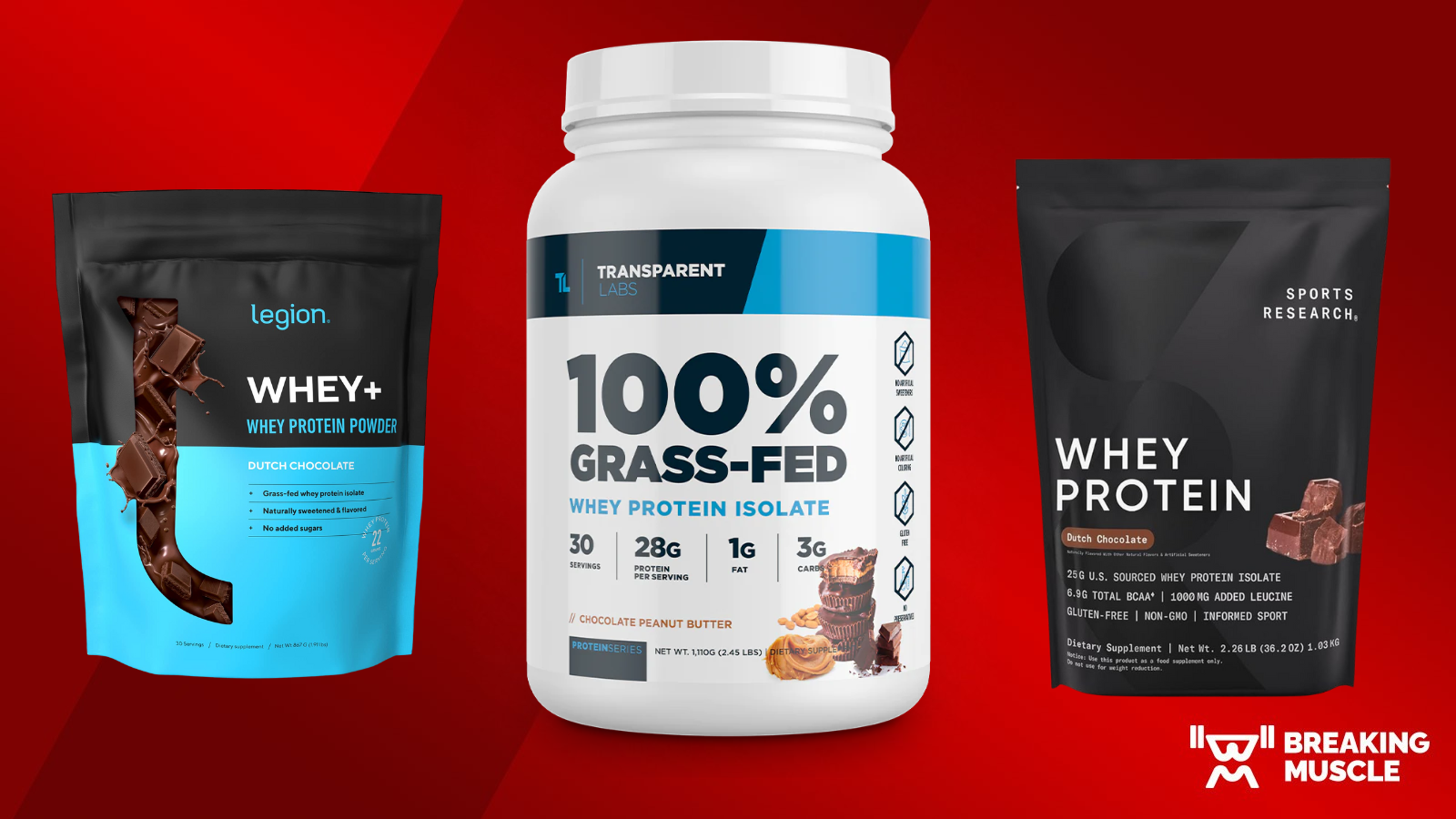
Best Overall Whey Protein Powder: Transparent Labs 100% Grass-Fed Whey Protein Isolate
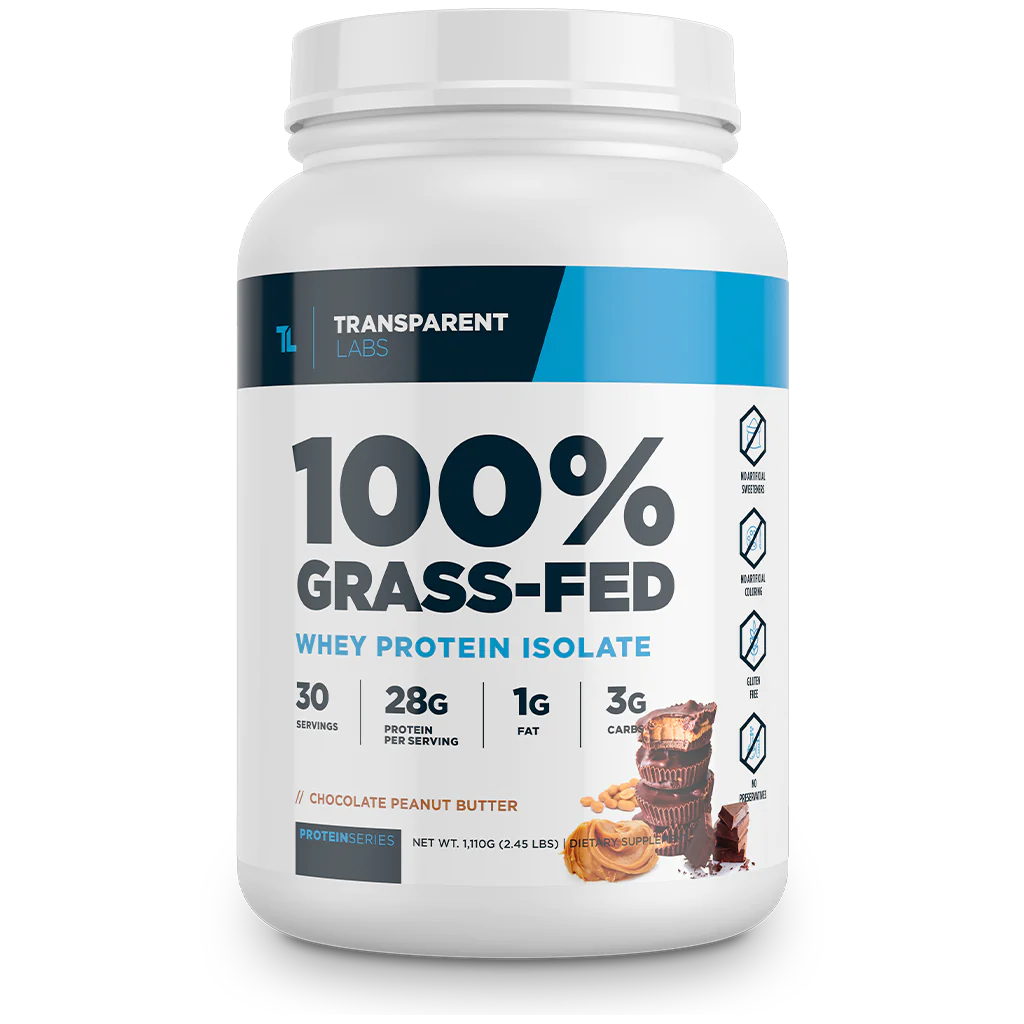
Transparent Labs sets a high bar for purity and efficacy with its 100% Grass-Fed Whey Protein Isolate. This product is a testament to the brand’s commitment to clean formulations, undergoing a meticulous filtration process to eliminate excess sugar, fat, carbohydrates, and lactose. The result is an exceptionally pure protein source, boasting 28 grams of protein per serving—one of the highest concentrations on the market. The "grass-fed" claim is significant, indicating that the dairy cows are raised on natural pastures, which studies suggest can lead to a higher concentration of beneficial nutrients, including omega-3 fatty acids and conjugated linoleic acid (CLA), in the resulting whey.
Testers lauded its nuanced flavor profiles, particularly unique options like Cinnamon French Toast, noting that the sweetness level is perfectly balanced, avoiding the artificial or cloying taste often associated with protein supplements. This allows for versatile integration into various beverages, from water and milk to fruit juices and smoothies, without overwhelming the palate. Its high protein content and minimal non-protein macros make it an ideal choice for serious athletes, bodybuilders, and anyone aiming to maximize protein intake while minimizing other dietary components. The product’s commitment to transparency, evident in its detailed nutritional labeling and clean ingredient list, resonates strongly with the evolving consumer demand for trustworthy supplements.
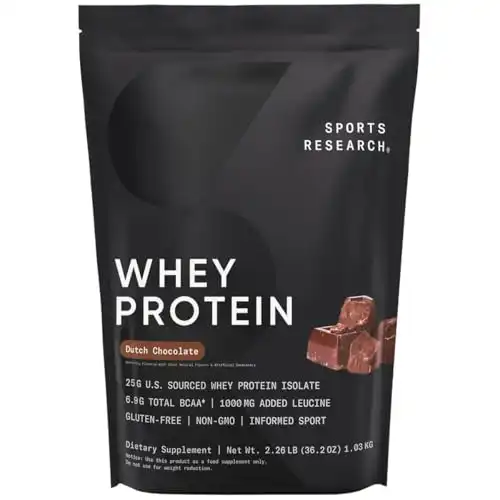
Best Chocolate Whey Protein: Sports Research Whey Protein
For those who prioritize taste without compromising on performance, Sports Research Whey Protein’s Dutch Chocolate flavor emerges as a standout. Formulated with an impressive 6.9 grams of BCAAs, including 1,000 milligrams of L-leucine, this protein powder is designed to actively support muscle recovery and growth. L-leucine, specifically, has been linked to reducing delayed onset muscle soreness (DOMS), making this an excellent choice for post-workout consumption. The product is Informed Sport Certified, a crucial assurance for athletes that it has been tested for banned substances, ensuring safety and compliance with anti-doping regulations.
While sweetened with stevia or sucralose, depending on the flavor, which might be a consideration for those sensitive to artificial sweeteners, the overwhelmingly positive feedback on its taste is notable. Tester Rachel Pasche described the Dutch Chocolate as so enjoyable that it doubles as a dessert, praising its rich flavor and excellent mixability with water using both handheld mixers and shaker cups, reporting no clumping and only a fleeting foam layer. Furthermore, Pasche highlighted a significant personal benefit: experiencing no bloating, a common concern with some whey proteins, after six months of consistent use. This indicates a well-tolerated formulation that delivers on both taste and digestive comfort.
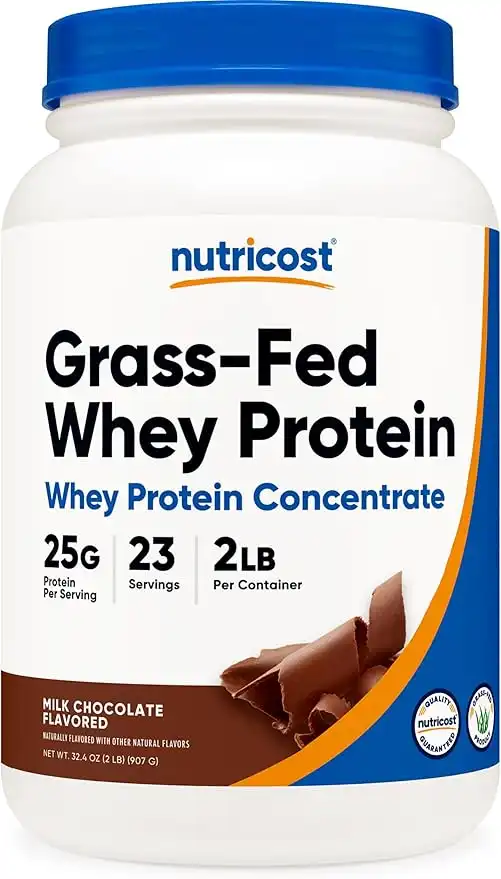
Best Grass-Fed Whey Protein: Nutricost Grass-Fed Whey Protein Concentrate
The appeal of grass-fed whey extends beyond ethical considerations; scientific evidence suggests that dairy from grass-fed cows yields whey with a superior concentration of proteins and amino acids, potentially enhancing muscular training adaptations. Nutricost Grass-Fed Whey Protein Concentrate encapsulates these benefits, offering a product that is non-GMO, gluten-free, and third-party tested, aligning with stringent quality standards. As a concentrate, it retains a broader spectrum of naturally occurring nutrients compared to isolates, making it a more holistic protein source for many.
The formulation includes sunflower lecithin, a common ingredient known to significantly improve mixability, a feature highly praised by testers. Grant Smith, a tester, remarked on its "nostalgic" taste, likening it to Nesquik, and lauded its mixability, noting the absence of undissolved chunks even when mixed with milk. While Smith observed slight separation after letting the mixture sit for nearly 10 minutes, he affirmed it did not detract from the overall appeal or palatability of the drink. Nutricost delivers a high-quality, palatable grass-fed option that combines nutritional benefits with a satisfying user experience, making it an excellent choice for those seeking a premium yet accessible grass-fed whey.
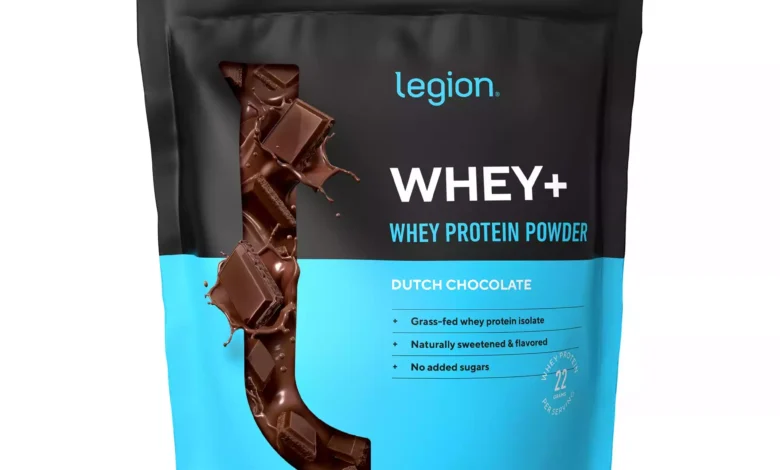
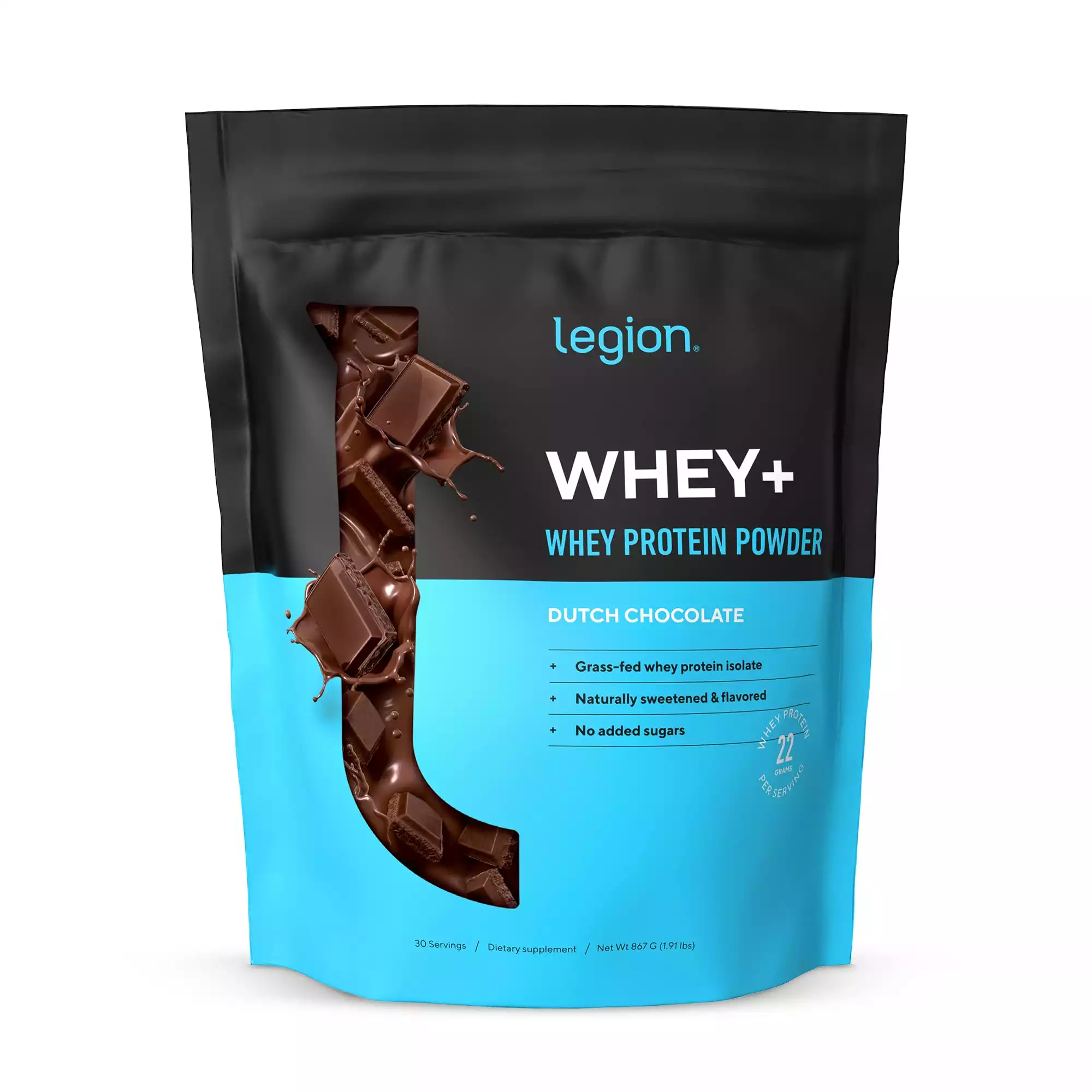
Best Vanilla Whey Protein: Legion Whey+
Legion Whey+ stands out for its unwavering commitment to purity and quality, epitomized by its certification from Labdoor, a recognized "gold standard" for third-party lab testing. This rigorous verification ensures that Legion Athletics’ whey isolate is free from banned substances, pesticides, and growth hormones, providing athletes and health-conscious consumers with unparalleled peace of mind regarding product integrity. The protein undergoes advanced filtration to meticulously remove extraneous carbohydrates and fats, delivering a nutritionally dense protein that supports lean muscle development and minimizes digestive discomfort often associated with impurities.
Testers consistently awarded high marks for its exceptional taste, particularly highlighting the French Vanilla flavor. Kayla Godfrey enthusiastically described it as tasting "like a vanilla creamer," while Carlo Barajas simply stated, "This is delicious. Great vanilla taste." This emphasis on both purity and palatability positions Legion Whey+ as a top-tier choice for those who demand the highest standards in their supplements, ensuring a pleasant and effective protein experience without compromise. The focus on bloat-free digestion further enhances its appeal, making it a reliable staple for daily protein supplementation.
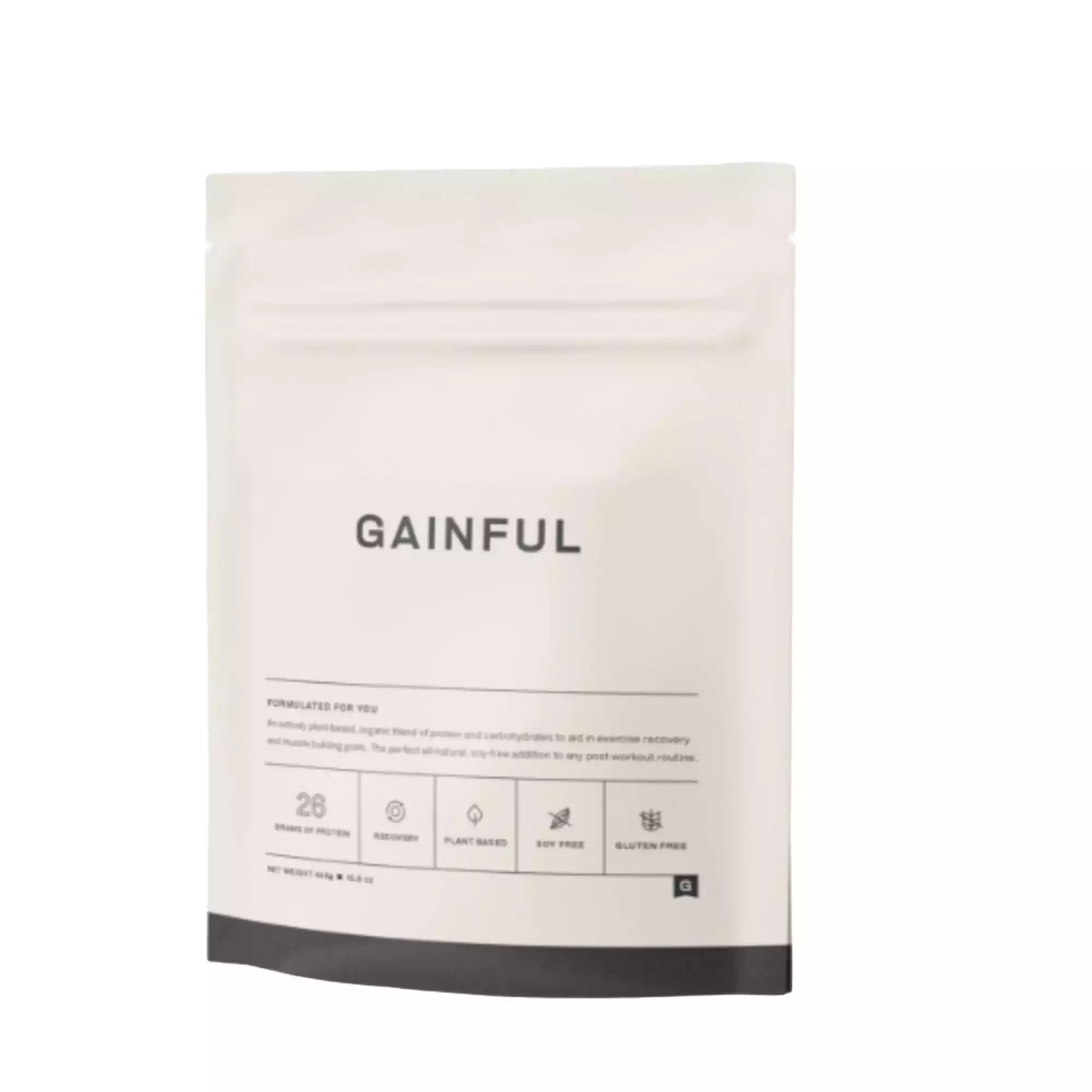
Best Tasting Whey Protein: Gainful Protein Powder
Addressing one of the most common grievances about protein powders—a chalky texture and unpleasant aftertaste—Gainful Protein Powder distinguishes itself through a personalized approach to flavor and formulation. The brand’s Caffe Mocha flavor, for instance, received accolades from the testing team for its subtle and not-too-sweet profile. Testers Barry Bridges and Rachael Harris noted its resemblance to an "at-home cappuccino mix" and appreciated its balanced coffee and chocolate notes, which avoid being overpowering.
Gainful’s innovative model allows for customization, offering nine distinct flavors in individual-use packets, empowering consumers to select flavors based on daily cravings or preferences. This bespoke approach, championed by nutrition coach Pete Nastasi who cites Chocolate Peanut Butter, Caffe Mocha, and Sea Salt Caramel as personal favorites, not only enhances the user experience but also tackles flavor fatigue. By offering variety and a pleasant taste experience, Gainful encourages consistent protein intake, making it easier for individuals to adhere to their nutritional goals. This focus on personalization and superior taste positions Gainful as a leader in consumer-centric protein supplementation.
Beyond Muscle: Broader Health Benefits of Whey Protein
While widely celebrated for its role in muscle development, whey protein offers a spectrum of health benefits that extend beyond the gym. Its complete amino acid profile, particularly the high concentration of cysteine, is a precursor to glutathione, the body’s master antioxidant. Adequate glutathione levels are crucial for robust immune function, helping the body combat oxidative stress and supporting cellular defense mechanisms. Studies have indicated that whey protein supplementation can enhance immune responses, making it a valuable dietary component during periods of increased physical stress or seasonal vulnerability.
Furthermore, emerging research points to whey protein’s positive impact on cardiometabolic health. It has been shown to assist in blood pressure regulation, improve lipid profiles, and enhance insulin sensitivity, which is beneficial for managing blood sugar levels and reducing the risk of metabolic disorders. The satiating effect of protein also plays a role here, aiding in weight management, which in turn alleviates strain on the cardiovascular system. Integrating whey protein into a balanced diet can therefore be a strategic move for individuals looking to support overall physiological well-being, not just muscular gains.
Strategic Integration: How and When to Use Whey Protein
Incorporating whey protein powder into one’s daily routine is straightforward, but maximizing its benefits requires a thoughtful approach to dosage and timing. The fundamental principle is to align intake with individual fitness goals, activity levels, and current body weight. A common guideline for active individuals is to consume approximately 0.8 grams of protein per pound of body weight daily. It is crucial to remember that whey protein powder functions as a supplement, intended to complement a diet rich in whole foods, rather than replacing primary protein sources like meat, dairy, or legumes.
Typically, one scoop of protein powder mixed with 10 to 12 ounces of water, milk, or a preferred beverage provides around 20-30 grams of protein, an optimal amount to stimulate muscle protein synthesis. While post-workout consumption is a popular strategy for immediate muscle repair, the concept of an "anabolic window" is increasingly viewed as less rigid. Consistent daily protein intake, distributed across meals and snacks every three to five hours, is considered more critical than precise timing. Whey protein can be versatilely integrated into breakfast smoothies, oatmeal, pancake batter, or even as a high-protein snack between meals. The key is to ensure overall daily protein needs are met efficiently and enjoyably.
Navigating Potential Concerns: Safety and Side Effects
When consumed in moderation and as part of a balanced diet, whey protein powder is generally considered safe for healthy adults. However, like any dietary supplement, excessive intake can lead to adverse effects. Overconsumption, particularly if it displaces other nutrient-dense whole foods, can potentially result in digestive issues such as bloating, gas, and stomach cramps. In rare cases, extremely high doses over extended periods have been speculatively linked to kidney or liver strain, although definitive evidence in healthy individuals is limited. Other reported, though less common, side effects include acne or mild dehydration if fluid intake is insufficient.
To mitigate these risks, users are advised to adhere to recommended serving sizes and ensure adequate hydration. Individuals with pre-existing medical conditions, particularly those affecting kidney or liver function, or those with severe lactose intolerance, should consult a healthcare professional before incorporating whey protein into their diet. The emphasis on third-party tested products, as highlighted in the selection methodology, is also a critical safeguard, ensuring products are free from contaminants and accurately labeled, thereby minimizing health risks associated with unregulated supplements. For optimal gut health, combining whey protein with a diet rich in fiber from fruits and vegetables, or considering a probiotic supplement, can help maintain a balanced gut microbiome.
Who Stands to Benefit Most?
Whey protein powder serves as an invaluable tool for several distinct demographics seeking to optimize their protein intake:
- Athletes and Fitness Enthusiasts: Individuals engaged in regular strenuous physical activity, including strength training, endurance sports, and competitive athletics, have significantly higher protein demands. Whey protein facilitates rapid muscle repair, recovery, and growth, supporting peak performance and adaptation to training stimuli.
- Bodybuilders and Those Aiming for Muscle Gain: For individuals focused on hypertrophy, whey protein offers a convenient and efficient way to meet the elevated protein requirements necessary for building and maintaining muscle mass. Its high leucine content is particularly advantageous for maximizing muscle protein synthesis.
- Individuals on Weight Loss Regimens: The satiating properties of protein help control appetite and reduce overall caloric intake, making whey protein a supportive tool for weight management. Furthermore, a high-protein diet helps preserve lean muscle mass during caloric deficits, ensuring that weight loss primarily targets fat stores.
- Older Adults: As individuals age, their bodies often become less efficient at absorbing and utilizing dietary protein, a phenomenon known as anabolic resistance. This contributes to sarcopenia, the age-related loss of muscle mass and strength. Whey protein, with its high bioavailability and comprehensive amino acid profile, provides an accessible and effective means for older adults to meet their daily protein needs, thereby supporting muscle health, mobility, and overall quality of life.
Informed Choices: A Buyer’s Guide for 2025
Navigating the diverse whey protein market requires an informed approach. Consumers should consider several key factors to select the product best suited to their individual needs and preferences:
- Type of Protein: Decide between concentrate (more nutrients, less processed, typically cheaper), isolate (higher protein, less lactose/fat/carbs, faster absorption, often pricier), or hydrolysate (fastest absorption, potentially beneficial for sensitive stomachs, most expensive). Some products may offer blends, combining the benefits of different types.
- Nutritional Profile: Scrutinize the label for protein per serving (aim for 20-30g), total calories, fat, carbohydrate, and sugar content. Also, check the amino acid profile, particularly for BCAAs and EAAs. Ensure the product aligns with your dietary goals (e.g., low carb, low fat).
- Taste and Mixability: Given the variety of flavors, personal preference is paramount. Consider purchasing smaller containers or samples to test flavors. Assess how well the powder dissolves in your preferred liquid; good mixability prevents clumping and enhances the drinking experience.
- Additives and Allergens: Read the ingredients list carefully to identify any artificial sweeteners, fillers, colors, or allergens such as soy, gluten, or nuts. Opt for products with minimal artificial ingredients if you prefer a cleaner label.
- Third-Party Certifications: Look for seals from independent testing bodies like Informed Sport, Labdoor, or NSF Certified for Sport. These certifications provide assurance that the product has been tested for purity, potency, and the absence of banned substances, offering a crucial layer of trust.
- Price and Value: Whey protein prices can vary significantly, typically ranging from $1.00 to over $3.00 per serving. While cost is a factor, consider the overall value, which encompasses ingredient quality, nutritional density, third-party testing, and how well it meets your specific requirements. Sometimes, investing in a slightly more expensive, higher-quality product can offer greater benefits and peace of mind.
The Future of Protein Supplementation
As we look towards 2025 and beyond, the whey protein market is anticipated to continue its evolution, driven by consumer demand for greater transparency, sustainability, and personalization. Innovations in flavor profiles, functional ingredients (e.g., digestive enzymes, probiotics), and environmentally conscious sourcing will likely shape future product development. The integration of advanced filtration technologies will further refine protein purity, while personalized nutrition platforms will increasingly offer bespoke protein blends tailored to individual genetic profiles and lifestyle needs. Ultimately, whey protein’s enduring appeal lies in its scientifically proven efficacy and its adaptability to meet the diverse and dynamic health and fitness goals of a global population.