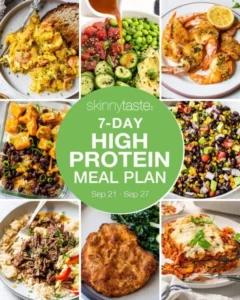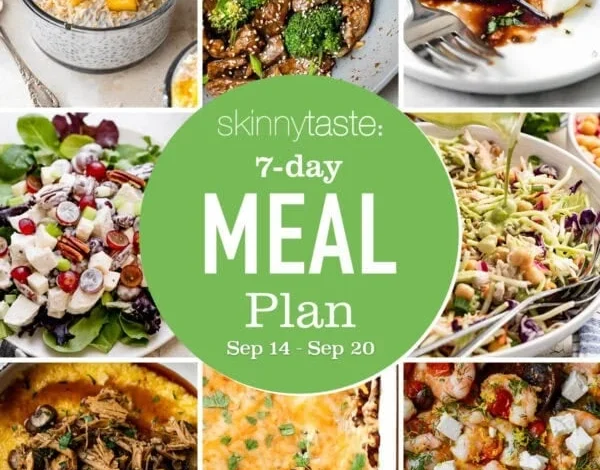
As the summer season transitions into the cooler months of autumn, household routines across the country undergo a notable shift, particularly regarding diet, nutrition, and meal preparation. With grocery inflation remaining a persistent economic pressure for American consumers, strategic home cooking has emerged as a primary defense against rising food costs. In response to these shifting seasonal habits and economic realities, the culinary and nutritional platform Skinnytaste has released its comprehensive, free seven-day flexible weight-loss meal plan for the week of September 14 through September 20. Designed to balance nutritional integrity, caloric mindfulness, and budgetary constraints, the curated guide offers structured breakfast, lunch, and dinner options complete with macronutrient breakdowns and Weight Watchers points.
The Economic and Nutritional Context of Meal Planning
In recent years, fluctuating food prices have forced households to reevaluate their weekly expenditures. According to data from the United States Bureau of Labor Statistics, grocery prices have risen significantly compared to historical averages, prompting consumers to seek out structured solutions to minimize food waste and reduce reliance on restaurant dining. Nutritionists and financial advisors frequently cite structured meal planning as an effective tool for achieving both dietary and financial goals. By organizing weekly menus and generating precise grocery lists, individuals can curb impulse purchases, utilize ingredients efficiently, and maintain consistent portion control.
The newly published September meal plan addresses these dual concerns by combining cost-conscious ingredients with seasonally appropriate produce. Transitioning from the height of summer harvests to early autumn staples, the schedule incorporates fresh regional items that are frequently more affordable and flavorful during their peak harvest windows.
A Detailed Breakdown of the Seven-Day Menu
The newly released dietary guide is structured to accommodate varying household sizes while maintaining simplicity for the primary cook. Weekday breakfasts and lunches are proportioned for single servings, whereas dinners and all weekend meals are scaled to serve a family of four. This thoughtful scaling strategy intentionally generates leftovers, reducing mid-week cooking fatigue and ensuring that ingredients purchased in standard grocery quantities are fully utilized.

Monday, September 14
The week commences with a protein-forward breakfast of mushroom and spinach scrambled eggs paired with a single slice of thin-cut whole-grain bread. Lunch features a lightened-up chicken Waldorf salad, marrying crisp texture with lean protein. The evening concludes with a family-sized dinner of a late-summer vegetable enchilada casserole, served alongside single-portion avocado slices and cilantro-lime rice. The total estimated daily caloric intake serves as a flexible baseline of approximately 1,053 calories, leaving ample room for personal dietary adjustments.
Tuesday, September 15
To maximize efficiency, Tuesday utilizes the culinary surplus generated on the previous evening. Breakfast and lunch repeat Monday’s selections of mushroom-spinach scrambled eggs and chicken Waldorf salad. Dinner consists of the remaining late-summer vegetable enchilada casserole and cilantro-lime rice, eliminating food preparation time on a busy weeknight and keeping estimated daily calories at approximately 1,053.
Wednesday, September 16
Midweek brings a diversification of breakfast routines with a peanut butter breakfast oatmeal bowl, providing sustained energy through complex carbohydrates and healthy fats. Lunch maintains the chicken Waldorf salad, while dinner introduces a hearty pasta dish featuring Italian chicken sausage, escarole, and beans, accompanied by a classic Caprese salad. Total estimated calories stand at roughly 1,057.
Thursday, September 17
Thursday morning shifts toward a tropical chia pudding breakfast bowl, offering a high-protein, fiber-rich start to the day. Lunch utilizes leftover pasta with Italian chicken sausage, escarole, and beans. The evening meal pivots to a classic beef and broccoli stir-fry served over a controlled portion of brown rice, bringing estimated daily calories to approximately 1,116.
Friday, September 18
As the workweek concludes, Friday repeats the tropical chia pudding breakfast bowl and the remaining pasta with Italian chicken sausage, escarole, and beans for lunch. Dinner offers a Mediterranean-inspired shrimp saganaki served with a side of brown rice, maintaining an estimated daily total of about 1,100 calories.
Saturday, September 19
The weekend schedule introduces a more substantial breakfast casserole featuring spinach and sausage, accompanied by a cup of fresh grapes. Lunch features a refreshing California roll cucumber salad, prepared in a double batch to accommodate weekend needs. In line with traditional weekend flexibility, Saturday evening’s dinner is designated as a dining-out opportunity, bringing the calculated baseline calories to 666.
Sunday, September 20
The final day of the meal plan utilizes leftover breakfast casserole paired with a fresh plum. Lunch consists of a green goddess chicken and chickpea salad, while the week concludes with a comforting slow-cooker pork roast served alongside garlic-infused string beans. Sunday’s estimated caloric total rests at approximately 1,061 calories.

Caloric Guidelines and Nutritional Flexibility
Public health organizations, including the United States Department of Agriculture (USDA), emphasize that nutritional requirements are highly individualized, depending on factors such as age, baseline weight, daily physical activity, and overall health objectives. Public health guidelines frequently recommend an intake of approximately 1,500 calories per day for adult women, though this figure can vary widely.
Recognizing the diversity of individual nutritional needs, the Skinnytaste framework is explicitly presented as a flexible guide rather than a rigid prescription. The baseline caloric totals calculated across the week intentionally hover between 600 and 1,100 calories, leaving a deliberate margin of wiggle room. This structural design encourages participants to incorporate additional nutritional elements—such as morning coffee, afternoon snacks, extra servings of fresh fruit, beverages, or occasional treats like dessert and wine—without compromising their overarching health goals. Furthermore, participants are encouraged to utilize online caloric estimation tools, such as the USDA’s MyPlate Plan, to tailor the framework to their specific metabolic requirements.
The Operational Benefits of Systematic Grocery Shopping
A core component of the published meal plan is its accompanying, highly organized grocery list. Divided logically into standard supermarket categories—including produce, meat, poultry, fish, dairy, refrigerated items, grains, canned goods, and dry spices—the list is designed to streamline the in-store shopping experience.
Industry analysts note that structured shopping lists directly correlate with reduced food waste and lower household expenditure. By purchasing only the precise quantities required for the weekly menu, consumers avoid the accumulation of unused perishable items that frequently end up discarded. Additionally, consolidating trips to the supermarket minimizes the psychological friction associated with daily meal-decisions, commonly referred to as decision fatigue.
Broader Industry Trends in Digital Meal Planning
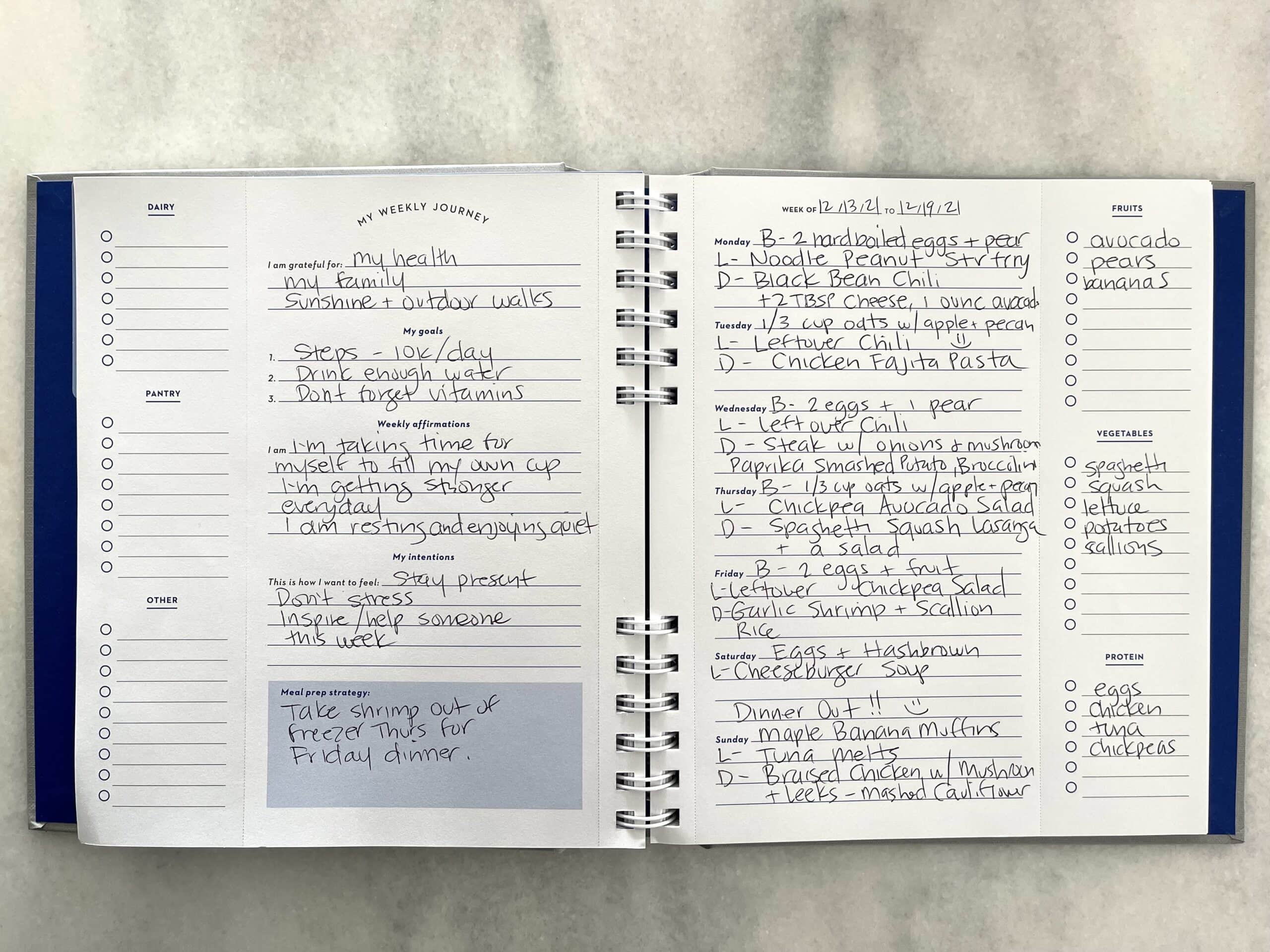
The release of weekly structured meal guides reflects a broader digital evolution in home economics and culinary media. In recent years, consumers have increasingly gravitated toward curated digital resources that offer both dietary guidance and economic utility. Platforms that successfully integrate macro-nutrient tracking, weight-management metrics (such as Weight Watchers points), and shopping automation have built robust, highly engaged communities.
Online communities, such as dedicated social media groups and subscriber-based newsletters, play an integral role in sustaining these lifestyle modifications. By sharing photographic evidence of completed recipes, troubleshooting ingredient substitutions, and exchanging words of encouragement, participants create a supportive ecosystem that extends beyond the digital page. This community-driven accountability has been shown in behavioral health studies to increase adherence to long-term nutritional goals.
Implementation and Next Steps for Consumers
For individuals seeking to adopt the September 14 to September 20 meal plan, the process requires minimal preparation. Interested consumers can access the complete, itemized Google Doc shopping list provided by the platform, review the necessary pantry staples, and adjust ingredient quantities to match their specific household sizes. Those following gluten-free protocols can easily substitute standard grains with certified gluten-free alternatives as indicated in the platform’s guidelines.
As autumn approaches and daily schedules grow more demanding, structured culinary frameworks provide a reliable anchor for maintaining health objectives amidst the complexities of modern life. By blending fiscal prudence, nutritional science, and culinary variety, resources of this nature continue to serve as vital tools for households navigating the intersection of wellness and economy.