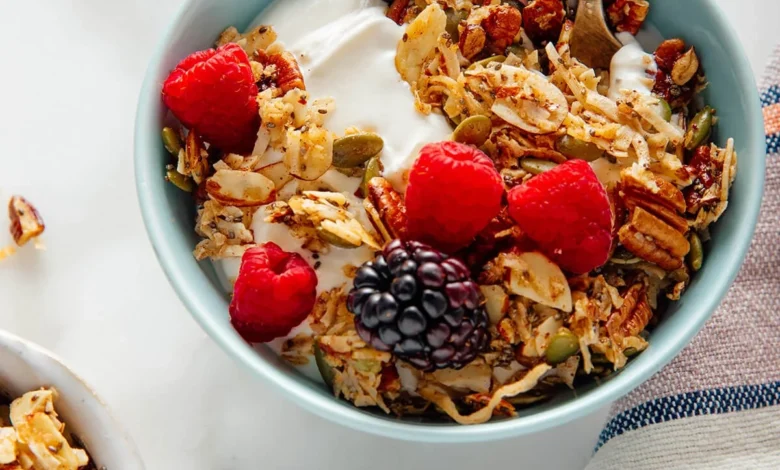
The landscape of modern nutrition has shifted significantly toward low-glycemic, nutrient-dense dietary patterns, driving a surge in the popularity of grain-free alternatives to traditional breakfast staples. Among these, grain-free granola—a blend of nuts, seeds, and natural binders—has emerged as a primary solution for individuals managing metabolic health, such as those navigating gestational diabetes or adhering to paleo and ketogenic lifestyles. Originally popularized as a niche dietary hack, the transition from oat-heavy recipes to nut-and-seed-based formulations reflects a broader consumer trend toward minimizing refined carbohydrates while maximizing healthy fats and plant-based protein intake.
The Nutritional Context of Grain-Free Consumption
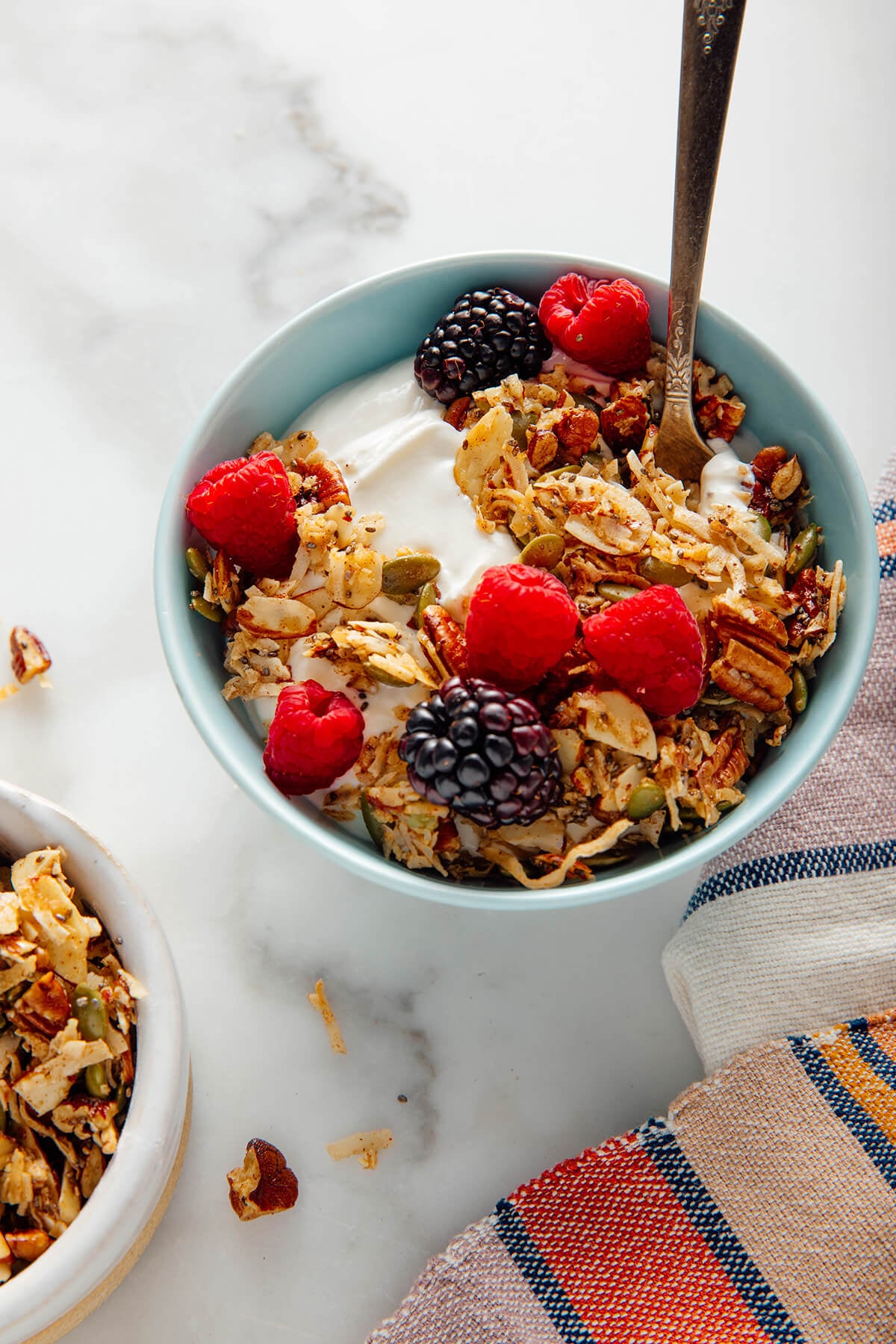
Traditional granola is inherently oat-based, relying on whole grains as a primary source of complex carbohydrates. While oats offer significant dietary fiber, they can spike blood glucose levels in individuals with insulin resistance or specific metabolic sensitivities. According to clinical dietitians, including Lily Nichols, author of Real Food for Pregnancy, the physiological demand for stable blood sugar during prenatal development necessitates a careful balance of macronutrients. By eliminating grains and focusing on high-fat, high-fiber ingredients like almonds, walnuts, pepitas, and shredded coconut, consumers can achieve the desired "crunch" and satiety of traditional cereal without the associated glycemic load.
This dietary adjustment is not merely a preference but a functional necessity for many. Data from the American Diabetes Association suggests that managing carbohydrate intake is the cornerstone of controlling gestational diabetes. By replacing grains with nuts and seeds, the glycemic index of the meal is lowered significantly, as these ingredients are rich in monounsaturated fats and magnesium, both of which are critical for metabolic regulation.
Chronology of the Grain-Free Movement
The shift away from cereal grains gained momentum in the early 2010s, parallel to the rise of the Paleo and Whole30 diet movements. Initially, the concept of "grain-free" was met with skepticism; culinary experts argued that oats were essential for the binding structure of granola. However, the discovery that nut butters, egg whites, or natural syrups could act as effective binders led to a breakthrough in recipe development.
By 2020, mainstream interest in low-carb breakfasts peaked, leading to the integration of these recipes into standard household practices. The adoption of this specific grain-free approach—often attributed to clinical recommendations like those found in contemporary nutritional literature—moved from professional medical advice to home kitchens. The recent evolution of these recipes emphasizes not only the elimination of wheat and oats but also the inclusion of "superfood" seeds such as chia and flax, which provide essential Omega-3 fatty acids.
Composition and Structural Integrity
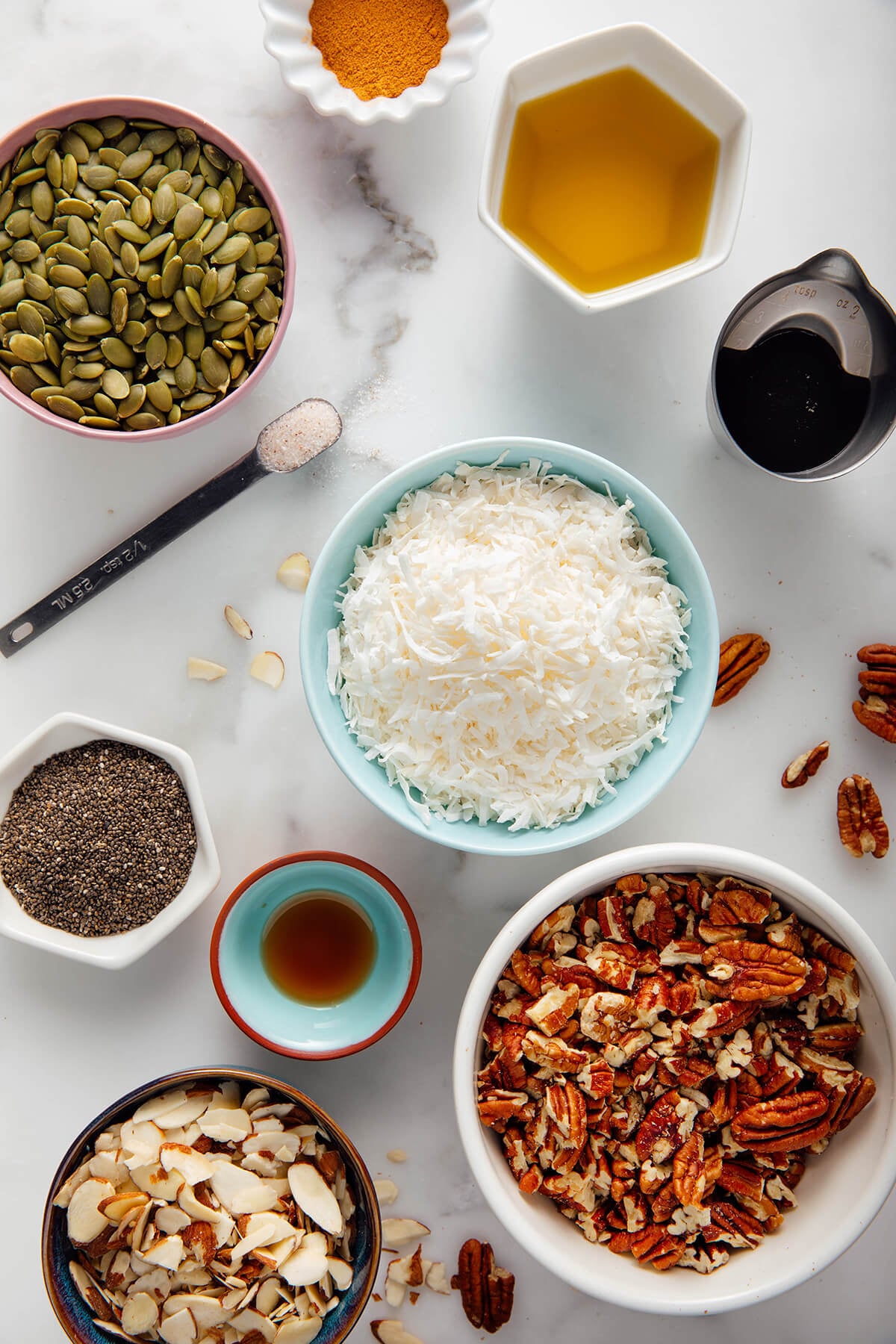
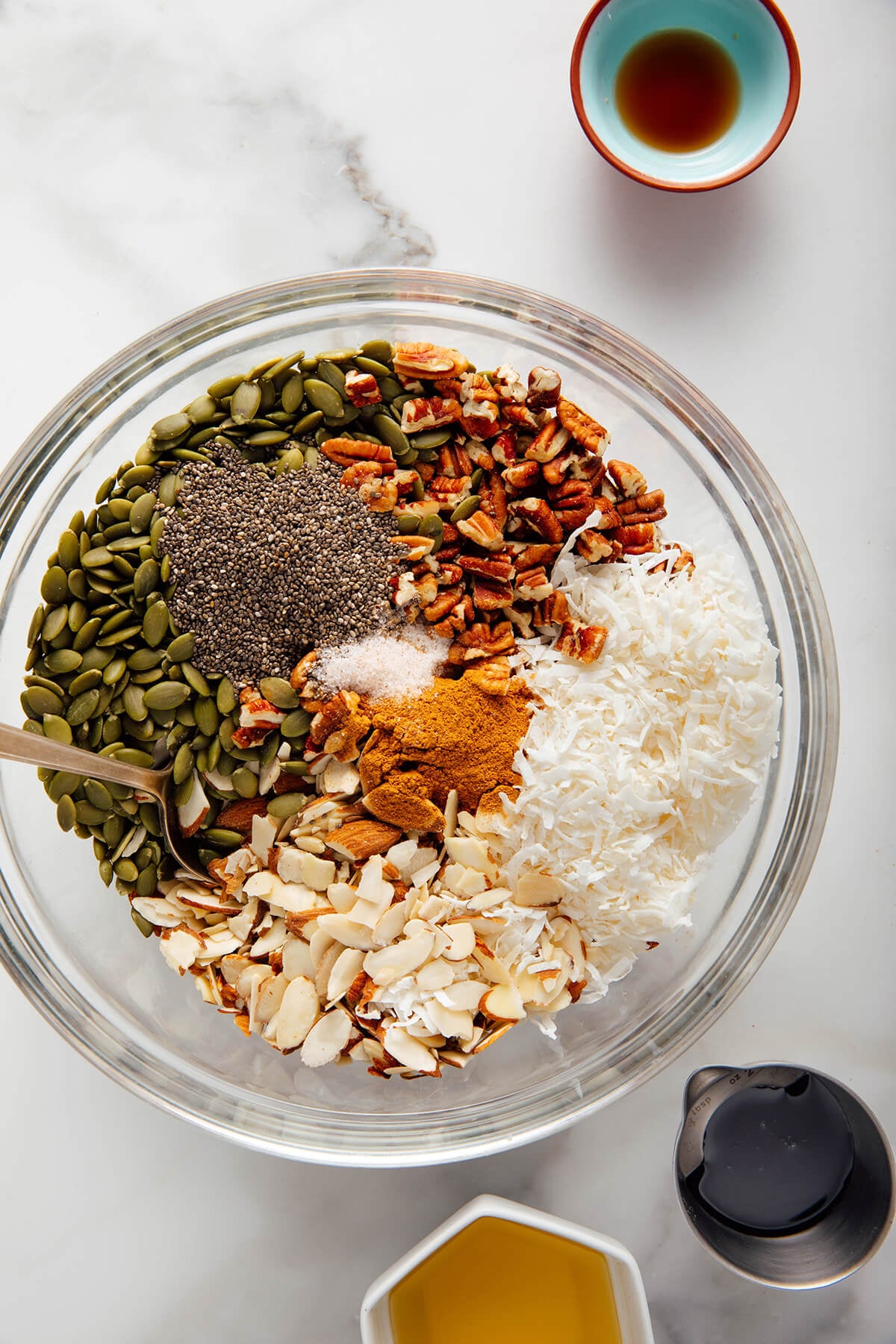
The success of a grain-free granola relies on the precise selection of ingredients to mimic the texture of traditional roasted grains. The foundational elements typically include:
- Nut Profile: Almonds (often sliced for surface area) and pecans (often chopped for volume) provide the structural base.
- Seed Integration: Chia and flax seeds act as nutritional boosters, providing a dense source of fiber that contributes to a sustained feeling of fullness.
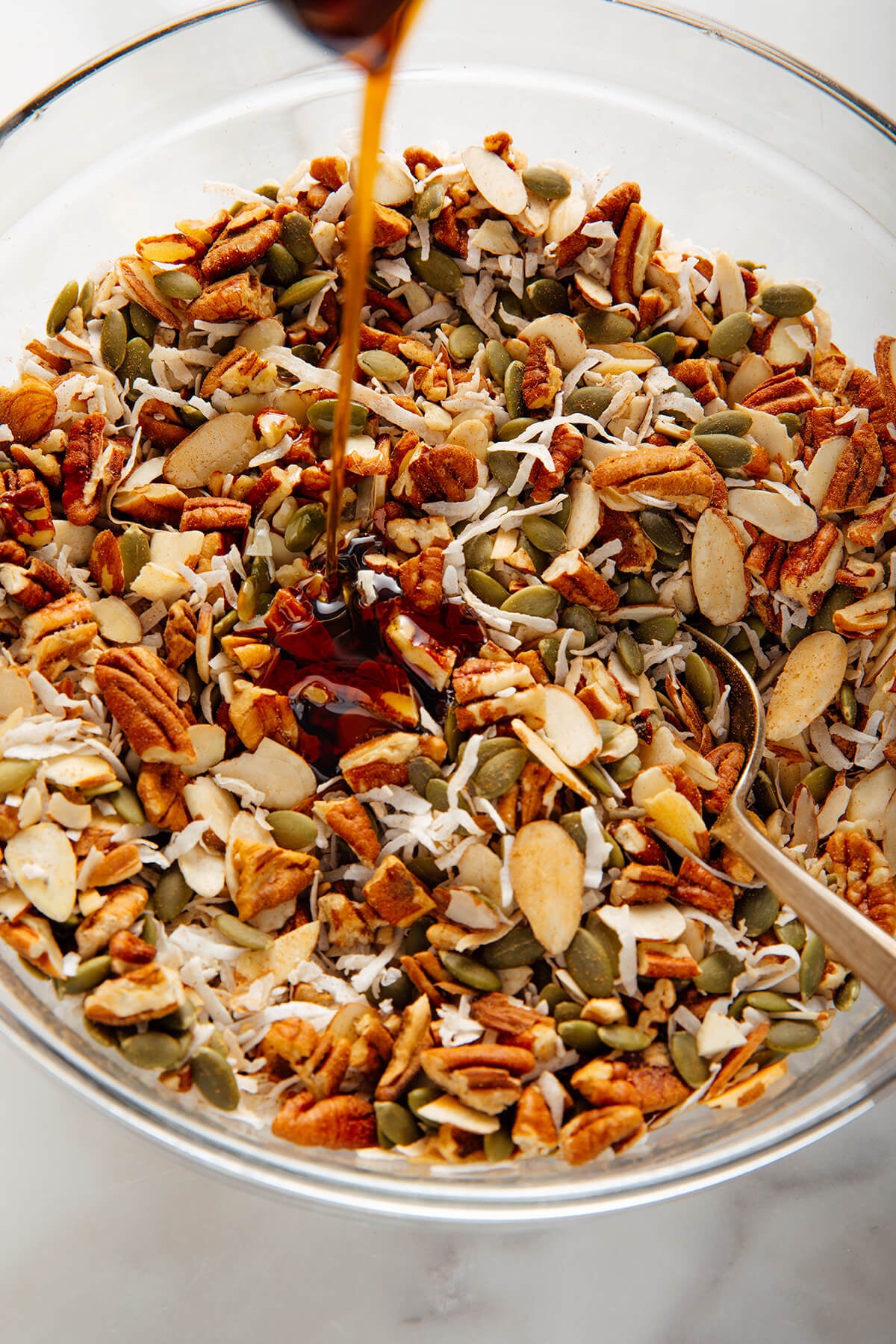
- Binding Agents: Pure maple syrup or honey is typically used to create a light glaze, while coconut oil or other plant-based fats ensure that the mixture toasts evenly without burning.
- Flavor Profiles: Cinnamon and vanilla remain the standard, though modern variations often incorporate sea salt to heighten the nutty notes, or even "pumpkin spice" blends to cater to seasonal demand.
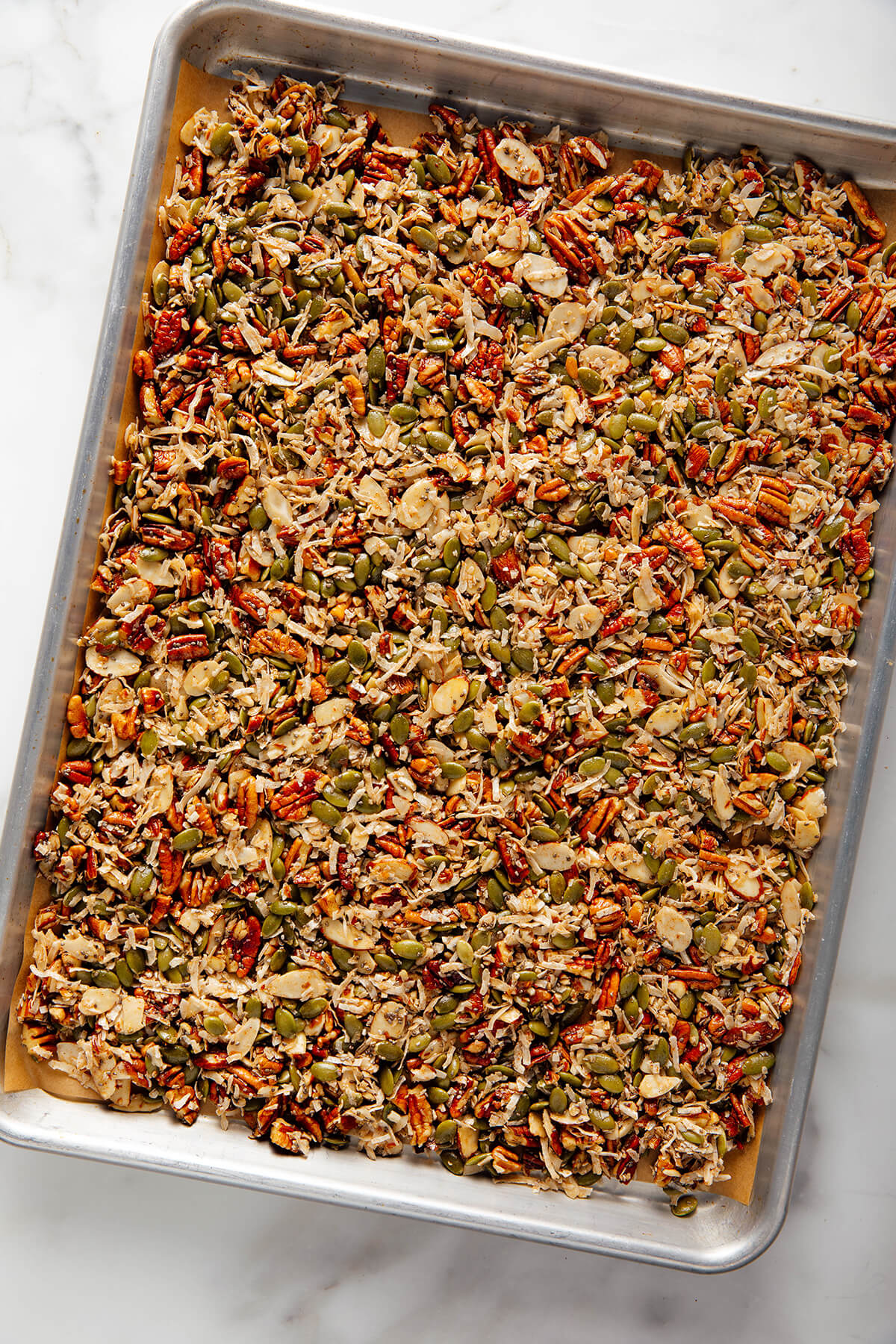
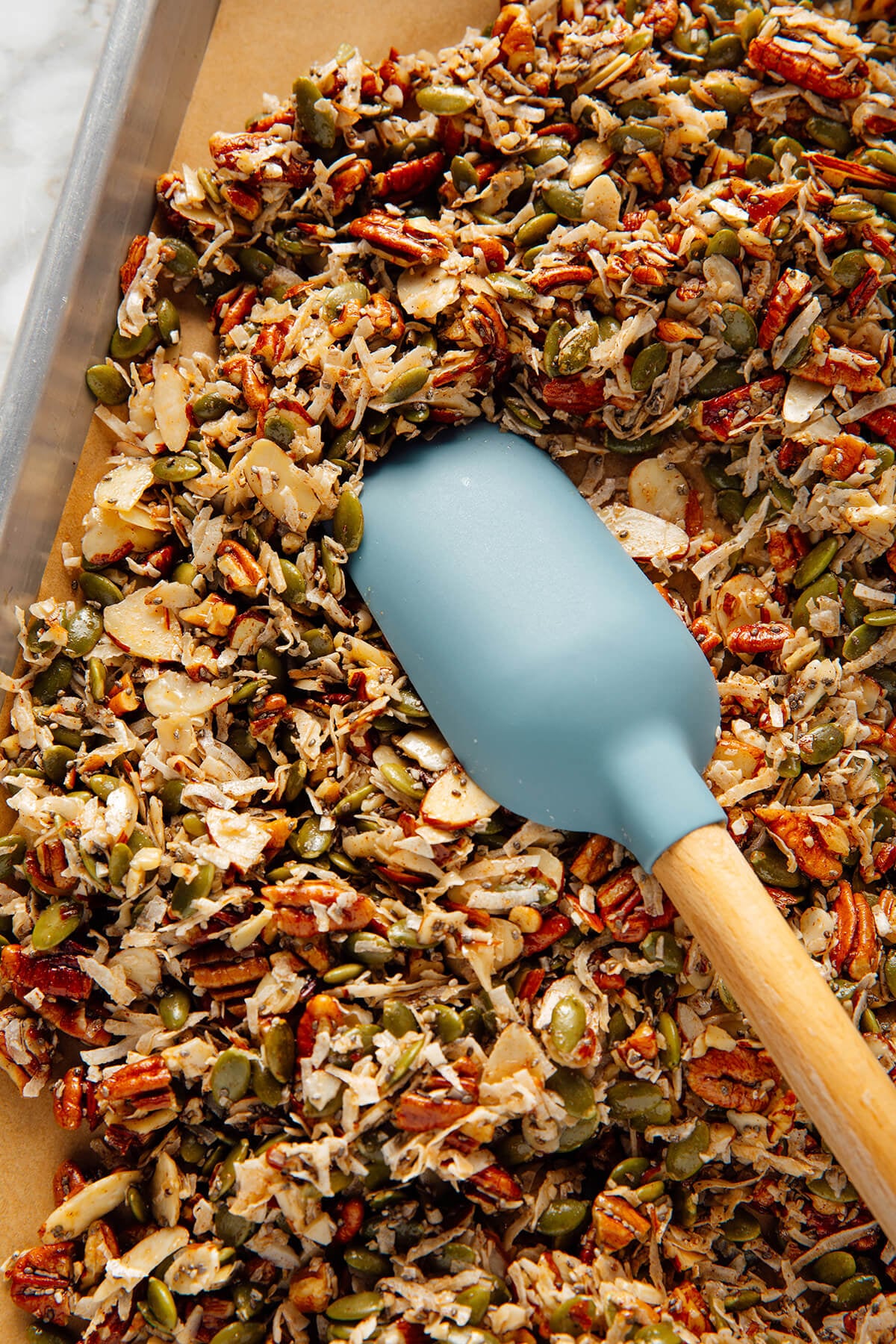
The preparation process involves a critical cooling phase. Unlike traditional oat granola, which can become brittle if over-baked, grain-free alternatives are highly susceptible to burning due to the high fat content in the nuts. Experts emphasize that the "clumping" effect—the desired texture for many consumers—only occurs if the mixture is allowed to cool completely on the baking sheet before being disturbed.
Broader Economic and Health Implications
The rise of grain-free granola signifies a larger transition in the food industry toward "pantry-friendly" but nutrient-dense convenience foods. As consumers become more label-conscious, the demand for products with minimal, recognizable ingredients has grown. The shift also has implications for the agricultural sector; while oats remain a massive crop, the increased demand for almonds, walnuts, and pumpkin seeds (pepitas) reflects a changing demand profile for farmers.
From a public health perspective, the widespread adoption of grain-free breakfasts is a positive development for those struggling with metabolic syndrome. However, nutritionists caution that because nuts and seeds are significantly more calorie-dense than oats, portion control remains essential. While a half-cup of traditional granola might be moderate in calories, the same volume of nut-heavy granola can contain significantly higher caloric density, requiring consumers to be mindful of serving sizes.
Professional Guidance and Expert Consensus
Industry experts stress that while grain-free granola offers clear benefits for blood sugar management, it is not a "magic bullet" for overall health. The efficacy of the diet relies on the quality of the ingredients used. Rancid nuts, for instance, not only degrade the flavor profile but also introduce oxidative stress to the body. Consequently, industry standards suggest that consumers prioritize sourcing fresh, raw ingredients and storing the finished product in airtight containers, ideally in a cool, dark environment to preserve the integrity of the fats.
Furthermore, those looking to replicate these recipes at home are encouraged to treat the "base" as a template rather than a rigid instruction. Because the recipe is highly adaptable, it allows for individual customization based on caloric needs or allergen restrictions. For example, replacing nuts with sunflower seeds or hemp hearts allows the recipe to remain safe for school environments or nut-free households, without sacrificing the nutritional profile.
Conclusion
The grain-free granola trend represents a synthesis of culinary innovation and clinical necessity. By focusing on nutrient-dense, whole-food ingredients, it provides a viable alternative for those seeking to reduce their reliance on refined carbohydrates. Whether utilized as a staple for managing gestational diabetes or simply as a method for increasing daily intake of healthy fats and fiber, this culinary development highlights a shift toward more intentional, health-conscious eating. As the market continues to expand, the focus will likely remain on enhancing the texture and versatility of these grain-free blends, ensuring that breakfast remains both functional and satisfying for a broad demographic of health-conscious consumers.