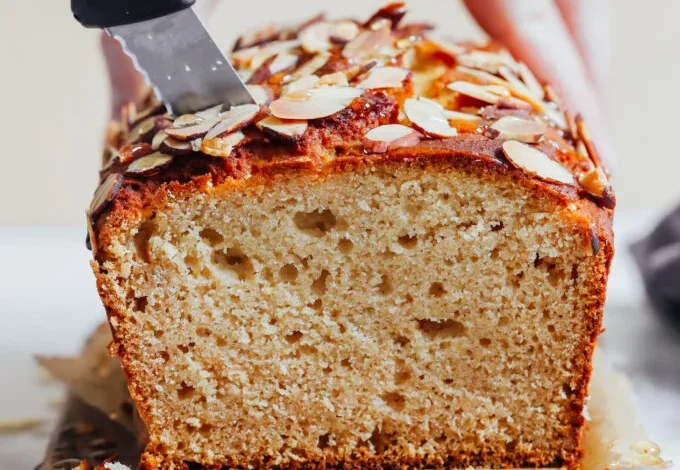
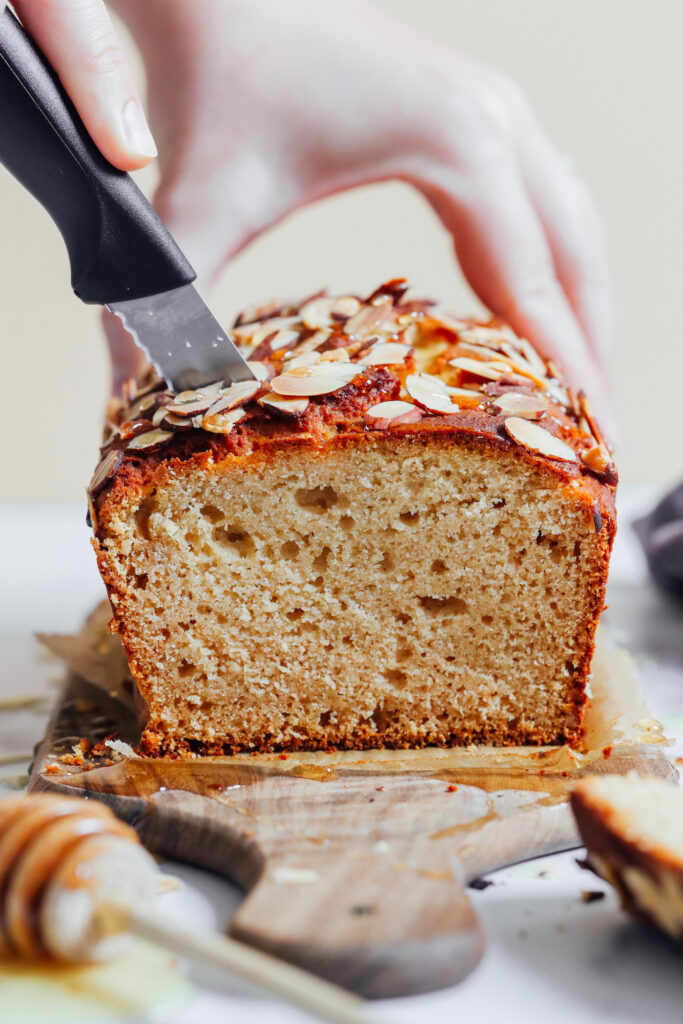
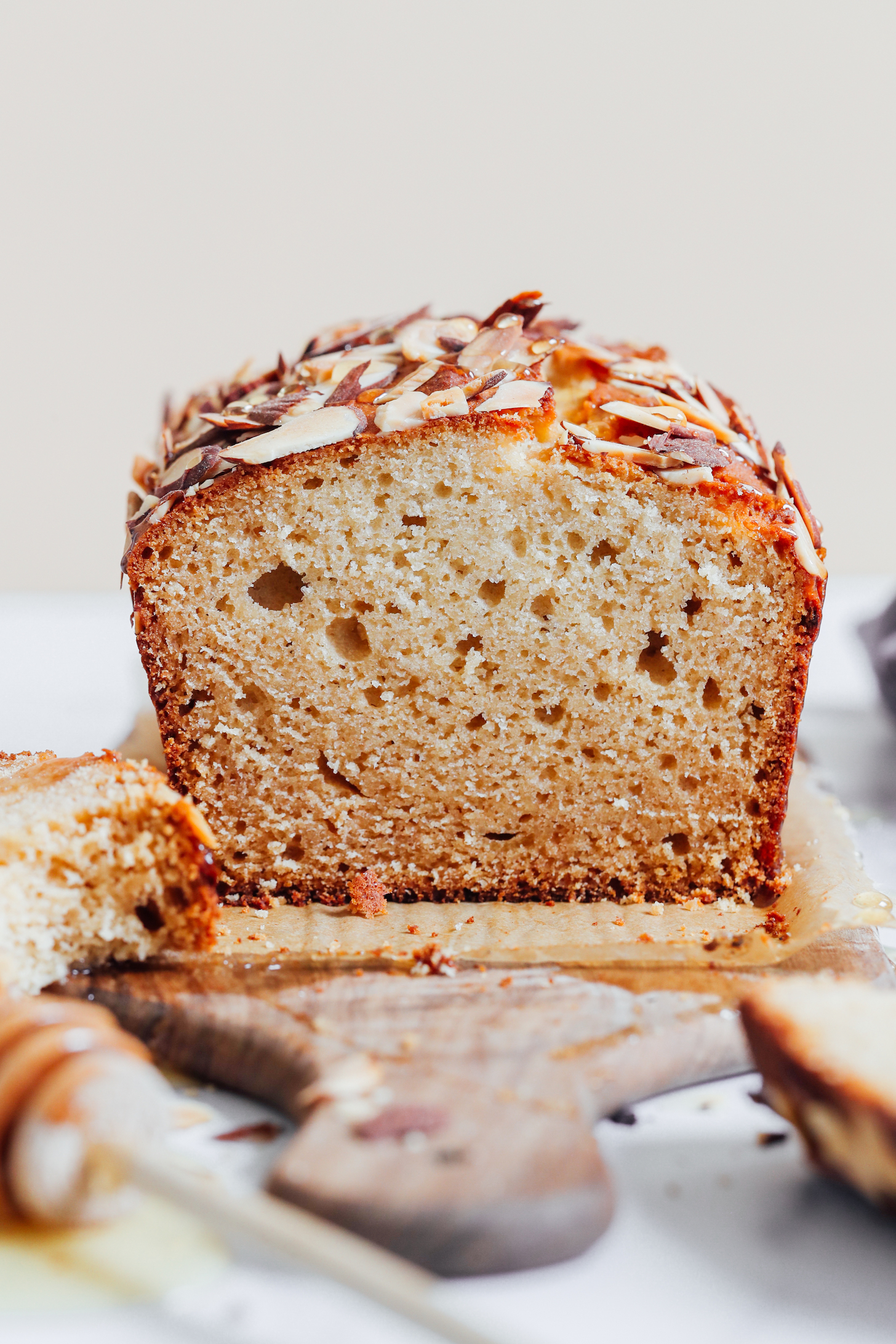
The culinary landscape continues to shift toward inclusive dietary adaptations, with home bakers increasingly seeking recipes that bridge the gap between allergen-conscious restrictions and traditional indulgence. A prominent example of this trend is a newly popularized recipe for a 1-bowl honey almond snack cake, designed to be completely gluten-free and dairy-free while maintaining the structural integrity and sensory appeal of a conventional sponge cake. Developed as a streamlined alternative to complex multi-step baking projects, the recipe relies on a minimalist approach—utilizing just 10 core ingredients and requiring no electric mixing equipment—to appeal to both novice and experienced home cooks.
Background Context and Dietary Trends
The demand for gluten-free and dairy-free baked goods has surged over the past decade, driven by rising rates of celiac disease, non-celiac gluten sensitivity, and lactose intolerance, alongside a broader consumer preference for plant-based or alternative eating habits. Historically, achieving the light, spongy texture of a traditional wheat-based cake without gluten or dairy proved challenging, often resulting in dense or crumbly textures. However, advancements in alternative flours—such as finely milled almond flour and specialized gluten-free flour blends—combined with binding agents like eggs and dairy-free yogurt, have revolutionized modern allergen-friendly baking.
This particular honey almond snack cake reflects a broader movement within the culinary community toward simplified home cooking. By consolidating the mixing process into a single vessel and limiting the ingredient list to 10 items, the recipe lowers the barrier to entry for individuals navigating dietary restrictions. Culinary analysts note that recipes emphasizing minimal cleanup and high accessibility consistently outperform more complex baking instructions in digital media engagement.
Chronology and Preparation Methodology
The development and execution of the honey almond snack cake follow a streamlined timeline optimized for modern household schedules, requiring approximately 10 minutes of active preparation and 45 minutes of thermal processing, for a total production time of 55 minutes.
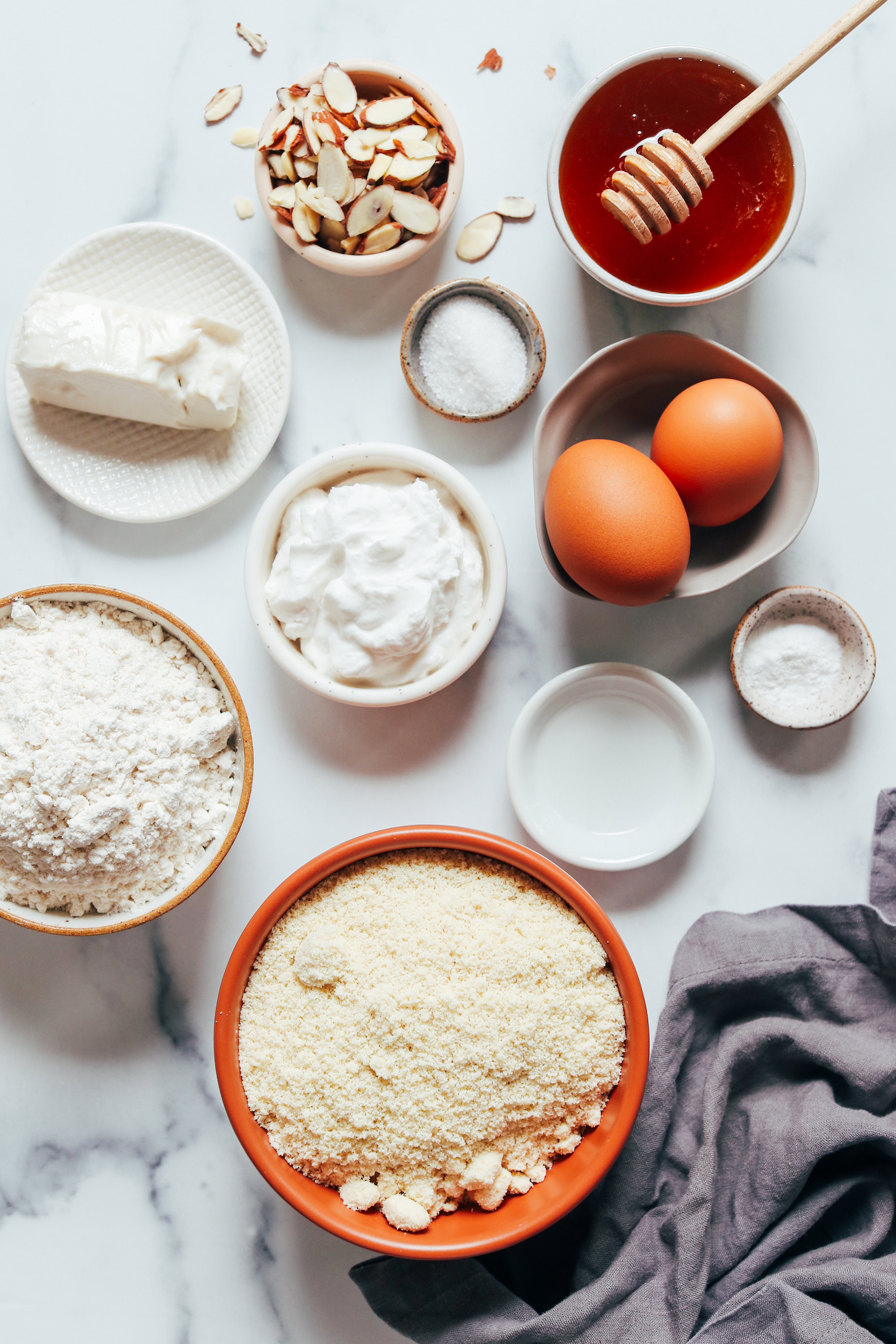
The preparation sequence begins with the assembly of the wet components, which typically include eggs, honey, dairy-free butter, dairy-free yogurt, and almond extract. The integration of dairy-free yogurt is a critical technical step, providing the necessary moisture and acidity to activate leavening agents while mimicking the tender crumb usually achieved with dairy buttermilk or whole milk.
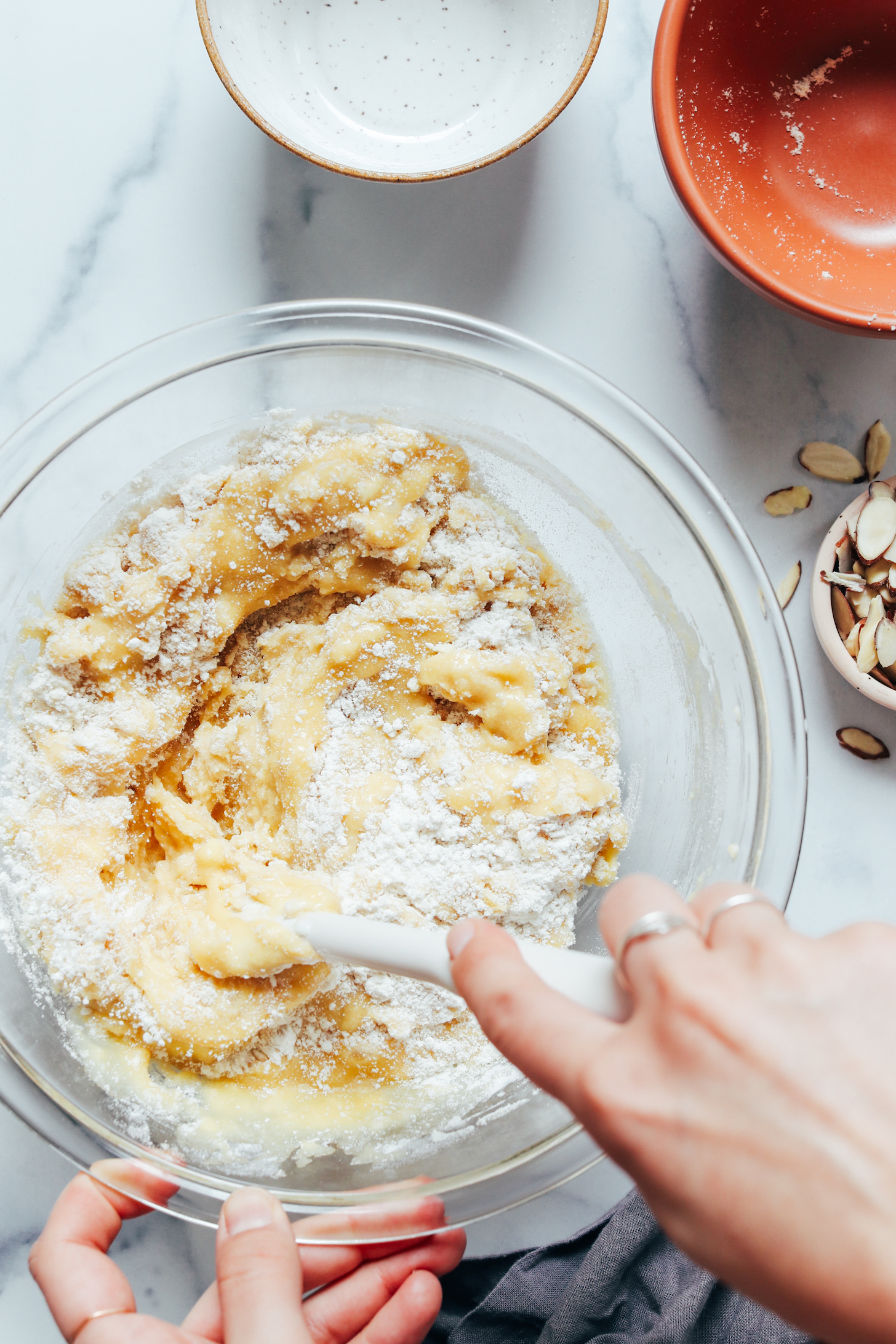
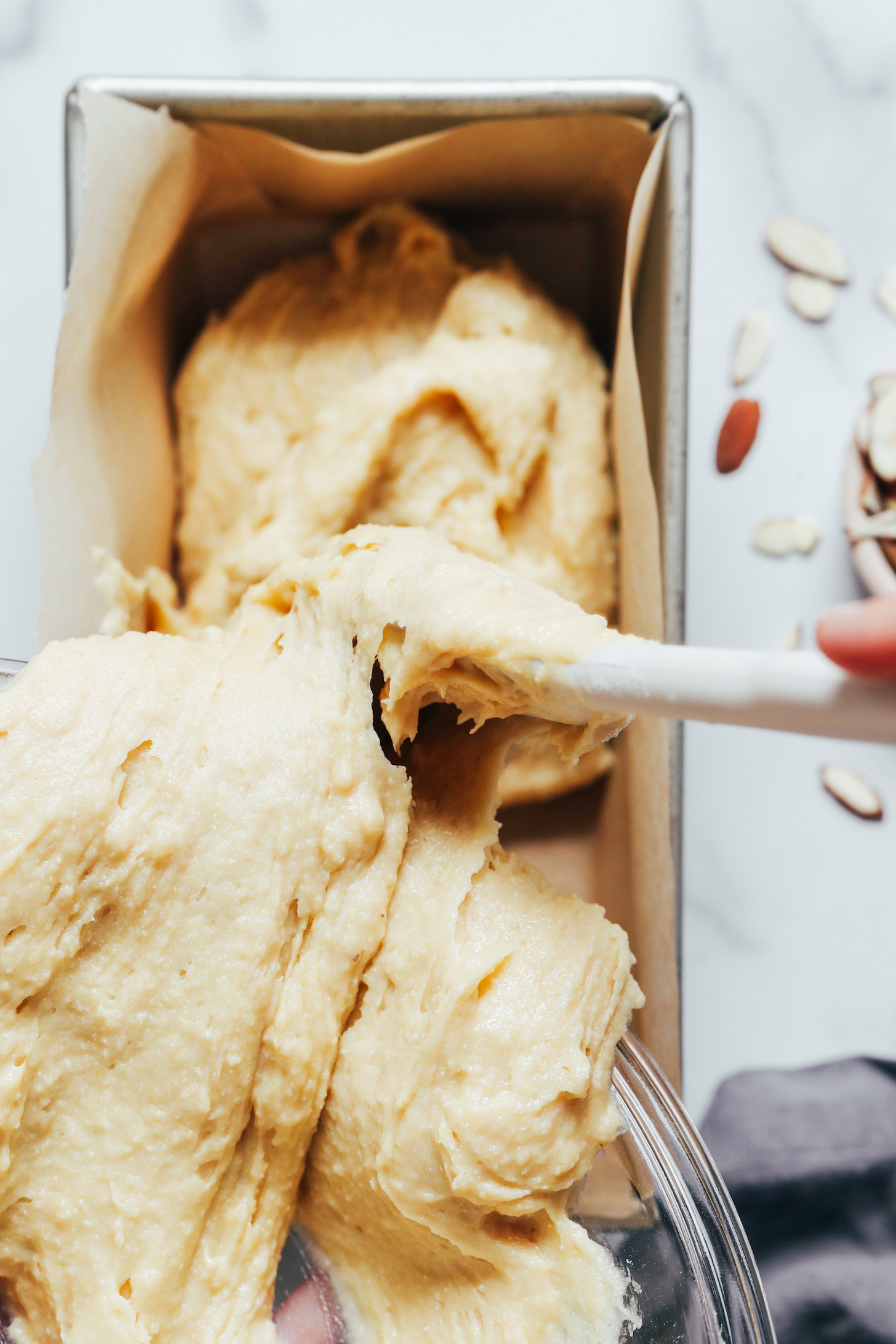
Once the wet base is thoroughly combined, the dry components—consisting of almond flour, a measured gluten-free flour blend, salt, and a leavening agent—are incorporated directly into the same vessel, eliminating the need for multi-bowl staging. The resulting batter is transferred into a standard loaf pan lined with parchment paper, a measure designed to prevent adhesion and facilitate clean removal post-bake. Alternatively, culinary testers indicate the batter is adaptable to an 8-inch round cake pan, though baking times require adjustment due to the shallower depth.
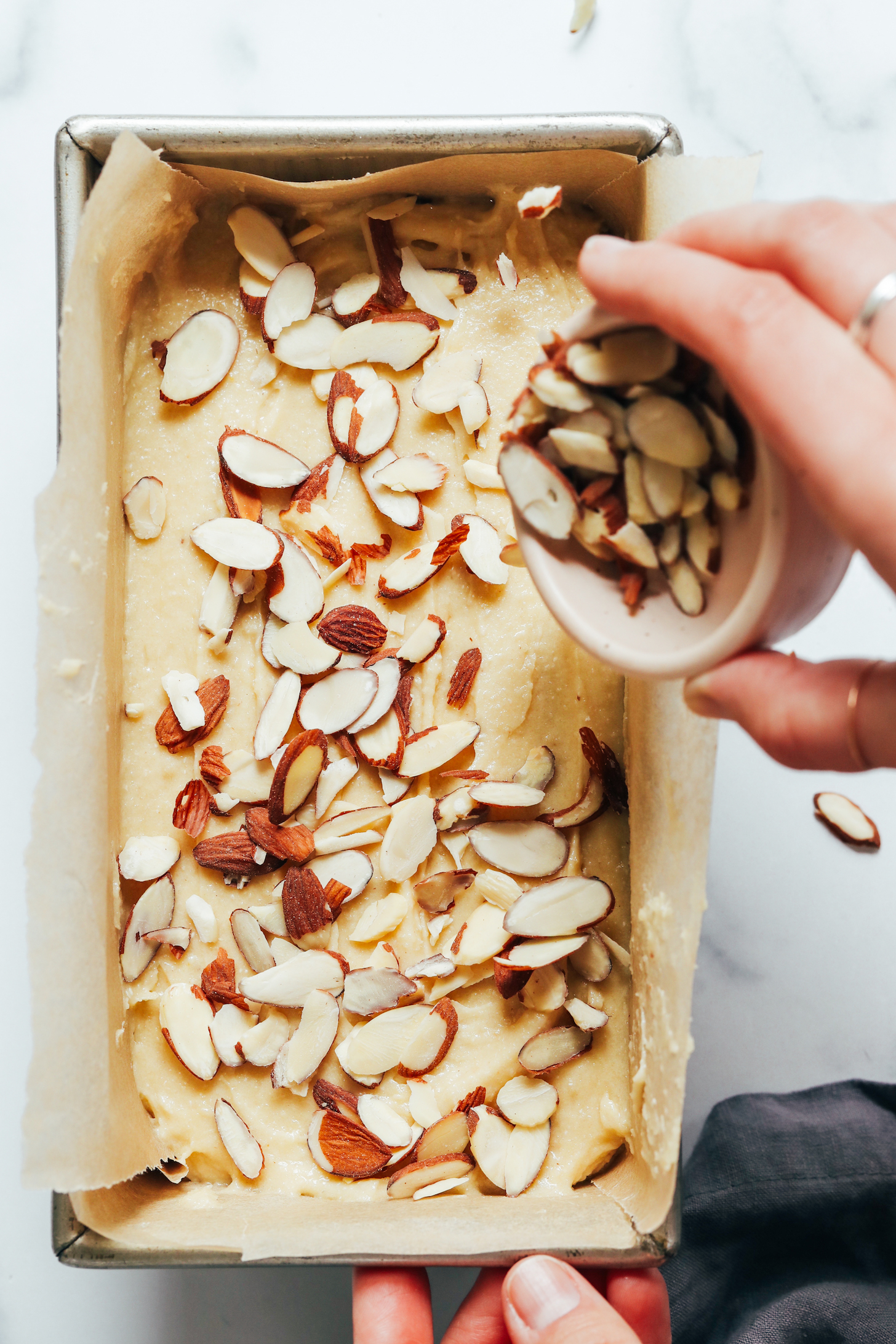
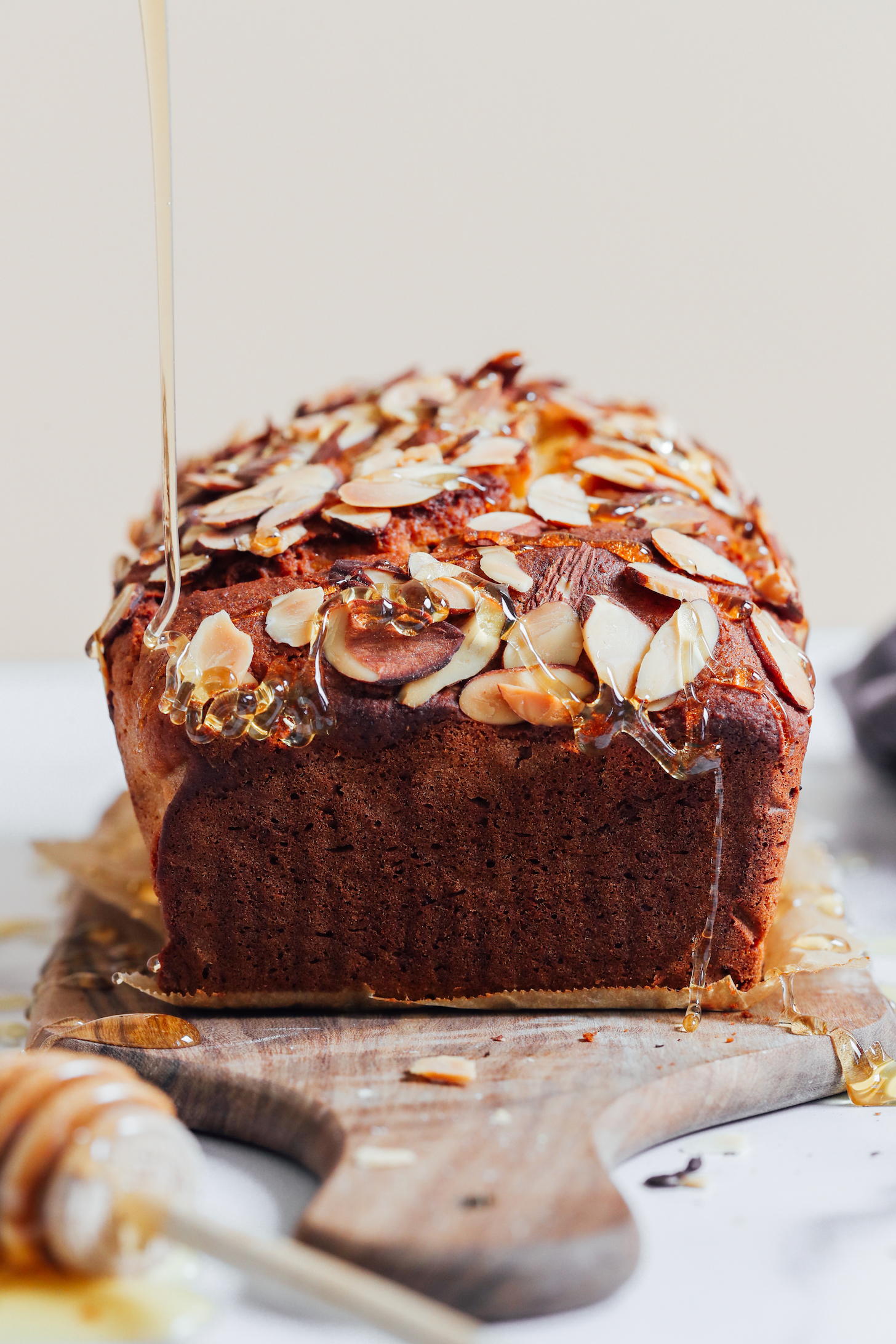
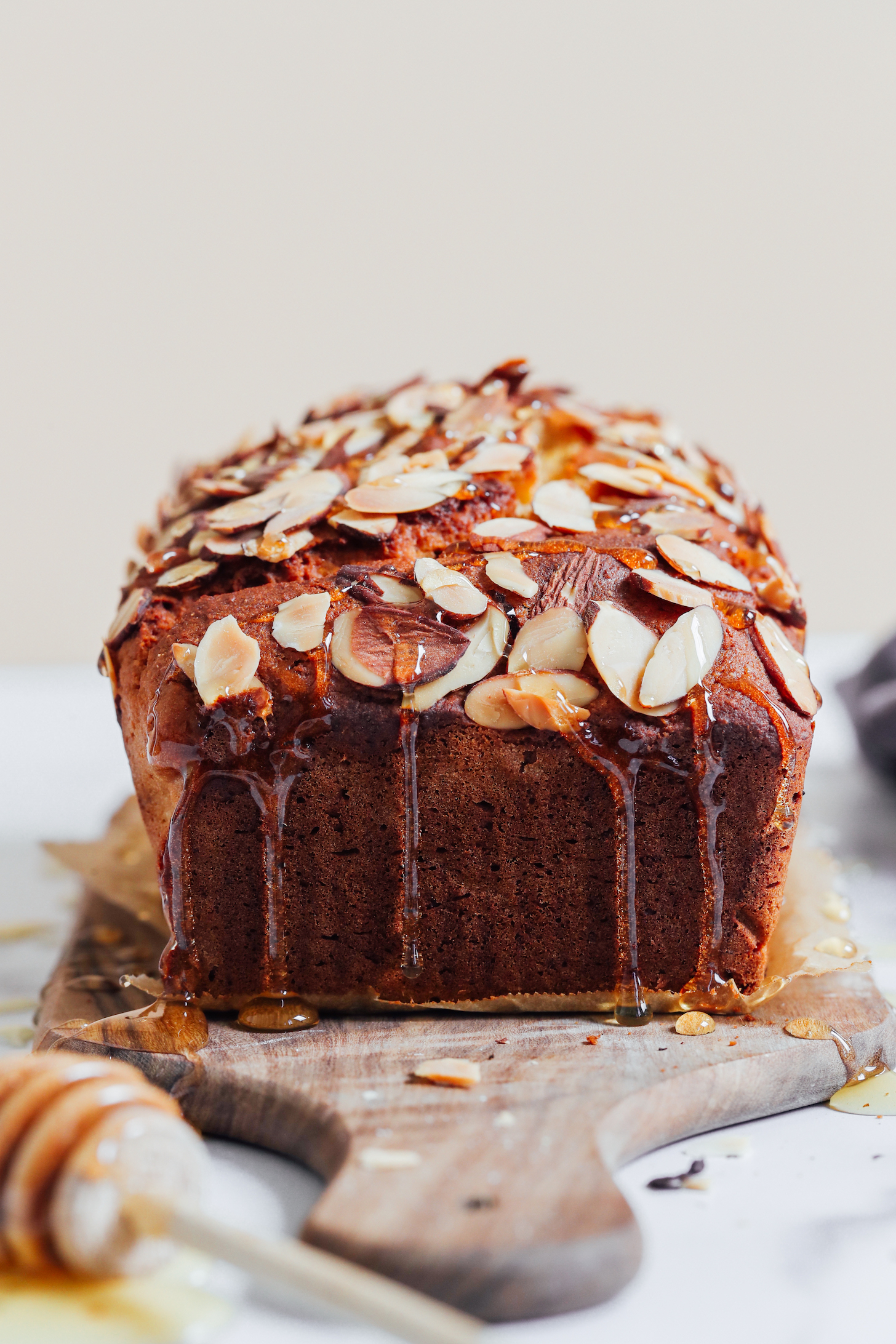
Prior to thermal exposure, the surface of the batter is adorned with sliced almonds, which toast during the baking process to impart a nutty aroma and a contrasting textural crunch. Following a 45-minute bake cycle and a designated cooling period, a secondary application of honey is drizzled over the loaf to enhance the exterior sheen and reinforce the floral flavor profile.
Nutritional Profile and Dietary Specifications
From a nutritional standpoint, the snack cake is structured to offer a balanced macronutrient profile relative to conventional desserts. Standardized laboratory estimates for a single 1-slice serving—based on a 12-slice yield, excluding optional post-bake honey drizzles—indicate an energy content of approximately 245 kilocalories.
The compositional breakdown per serving includes:
- Carbohydrates: 33.7 grams, with 17.9 grams originating from sugars (predominantly natural honey) and 1.7 grams of dietary fiber.
- Fats: 11.8 grams total, categorized into 5.7 grams of saturated fat, 1.3 grams of polyunsaturated fat, and 3.3 grams of monounsaturated fat, largely contributed by the almond flour and dairy-free fats.
- Protein: 3.7 grams, supported by the protein content of the eggs and almond ingredients.
- Micronutrients and Minerals: Notable levels include 81 milligrams of calcium, 1.2 milligrams of iron, 138 milligrams of potassium, and 180 milligrams of sodium. Cholesterol is measured at 31 milligrams per serving, reflecting the inclusion of whole eggs.
For individuals requiring strict adherence to vegan or plant-based protocols, the recipe accommodates substitutions; culinary developers suggest replacing the standard eggs with 5 tablespoons of applesauce or aquafaba, though formal testing for these variations remains ongoing. Furthermore, the flour component utilizes either a standardized DIY gluten-free flour blend or commercially available 1:1 baking alternatives, such as Bob’s Red Mill 1:1 Gluten-Free Baking Flour, ensuring cross-compatibility for home bakers utilizing pantry staples.
Broader Industry Implications and Consumer Response
The proliferation of single-bowl, allergen-conscious recipes highlights a significant shift in food media and consumer behavior. As home cooking trends increasingly prioritize efficiency, waste reduction, and health-conscious ingredient sourcing, recipes that successfully eliminate allergens without sacrificing flavor occupy a vital market niche.
Food science experts emphasize that the commercial and domestic viability of gluten-free baking relies heavily on consumer perception. Products that are "undetectably" free of allergens—meaning they do not compromise on the mouthfeel, moisture, or aesthetic expectations set by traditional counterparts—tend to achieve higher rates of adoption among mainstream consumers who do not strictly require a restricted diet.
The honey almond snack cake exemplifies this intersection of technical formulation and accessibility. By leveraging the natural moisture retention of honey and the rich lipid profile of almonds, the recipe avoids the dryness frequently associated with alternative flours. As digital food platforms continue to release similar adaptations, the broader culinary market signals a permanent integration of inclusive baking practices into everyday household routines, establishing high-performance, allergen-free desserts as a standard culinary expectation rather than a niche specialty.