Doctors called him a bad patient when his blood sugar wouldn’t drop — 15 years later he reached remission without a single pill.

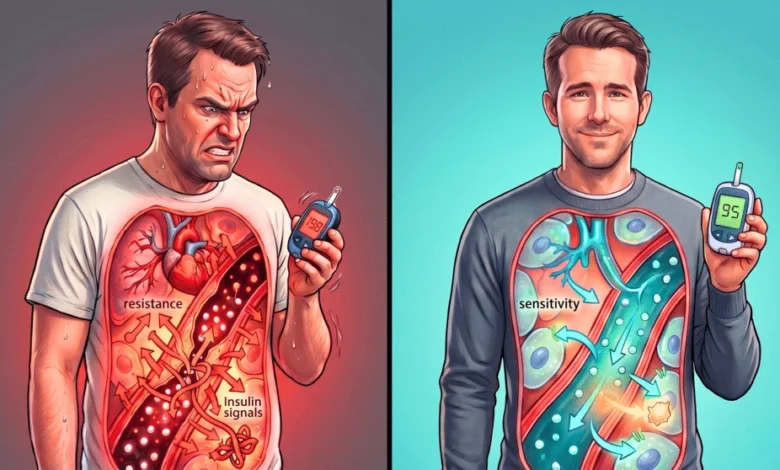
This remarkable achievement is not a fictional narrative but the real-life experience of Francisco, a 69-year-old man who defied a decade and a half of conventional medical wisdom to achieve partial remission from Type 2 Diabetes. His journey, marked by frustration, a critical health crisis, and ultimately, self-empowerment, offers a compelling testament to the potential for metabolic healing through informed lifestyle changes, challenging the long-held belief that Type 2 Diabetes is an irreversible, progressive condition.
The Initial Diagnosis: A "Life Sentence" of Type 2 Diabetes
Francisco’s ordeal began in 2007 when he received the life-altering diagnosis of Type 2 Diabetes. The prevailing medical consensus at the time, and largely still today, is that Type 2 Diabetes is a chronic, progressive disease requiring lifelong medication, with a high likelihood of escalating complications. This perspective was echoed in his doctor’s blunt pronouncement: "You have diabetes. Accept it." Such a diagnosis often carries an immense emotional burden, conjuring images of potential amputations, blindness, kidney failure, and dialysis – severe outcomes that tragically affect millions worldwide. Indeed, diabetes is a leading cause of these debilitating conditions, with the Centers for Disease Control and Prevention (CDC) reporting that it is the seventh leading cause of death in the United States and a major contributor to heart disease and stroke. For Francisco, whose own father had suffered from diabetes, the diagnosis felt like an inescapable genetic legacy, a preordained future of declining health.
Fifteen Years in the Conventional Medical Labyrinth
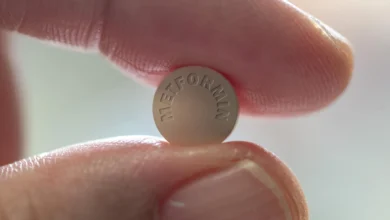
For the next 15 years, Francisco diligently followed the prescribed medical protocol. His treatment began with metformin, a biguanide commonly recommended as the first-line medication for Type 2 Diabetes by major health organizations globally. Metformin works by decreasing glucose production by the liver and improving insulin sensitivity. Despite his consistent adherence, Francisco observed a troubling pattern: his blood sugar levels remained stubbornly high or continued to rise over time. Each visit to his doctor brought an escalation of treatment – increased dosages, additional medications, and newer generation drugs, all promising better control but delivering negligible improvements.
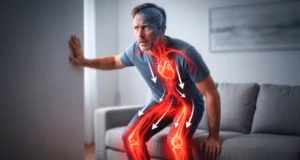
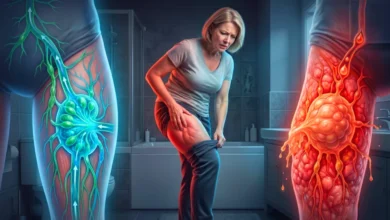
During this prolonged period, Francisco’s health steadily deteriorated. He experienced worsening symptoms characteristic of uncontrolled diabetes, including blurred vision, neuropathy (nerve damage) in his legs manifesting as pain, tingling, or numbness, and early signs of kidney strain. These complications underscore the systemic impact of chronic hyperglycemia. According to the National Institute of Diabetes and Digestive and Kidney Diseases (NIDDK), approximately half of all individuals with diabetes develop some form of neuropathy, and diabetes is the leading cause of kidney failure.
Disturbingly, instead of re-evaluating the efficacy of the treatment regimen, medical professionals attributed Francisco’s persistent high blood sugar to his supposed non-compliance, labeling him a "bad patient." This narrative, unfortunately common in conventional diabetes care, places the onus entirely on the patient, often overlooking the possibility that the standard therapeutic approach itself might be insufficient or misaligned with the individual’s specific metabolic needs. This approach can be profoundly disempowering for patients, leading to feelings of guilt, shame, and resignation.
The Wake-Up Call: A Cardiac Crisis
The turning point in Francisco’s long struggle did not come from a diabetes-related complication, but from an acute cardiac event in 2023. He began experiencing persistent heart palpitations, prompting a medical evaluation. A 24-hour Holter monitor confirmed an arrhythmia, and he was subsequently informed that he was a candidate for a pacemaker. However, a critical precondition was set by his cardiologist: his blood sugar levels needed to be brought under control before the procedure could proceed.
This ultimatum served as a powerful catalyst. For the first time in 15 years, Francisco was presented with an immediate, life-threatening reason to urgently address his glucose levels. This direct link between his cardiac health and his blood sugar forced him to critically re-evaluate the pills and protocols that had consistently failed him. It shifted his perspective from passive acceptance of a chronic disease to an active pursuit of solutions for immediate survival.
Empowerment Through Self-Education and a Game-Changing Tool
With newfound urgency, Francisco embarked on an intensive journey of self-education. The internet in 2023 offered a vast repository of information, a stark contrast to the limited resources available at his initial diagnosis in 2007. He delved into books, watched educational videos, and explored emerging research on metabolic health. His studies introduced him to alternative perspectives on Type 2 Diabetes, emphasizing the critical roles of diet, intermittent fasting, and the gut microbiome in its etiology and potential reversal.
A pivotal moment arrived when a friend recommended a Continuous Glucose Monitor (CGM). This device, which provides real-time glucose readings, proved to be the single most transformative tool in his journey. CGMs have revolutionized diabetes management by offering unprecedented insights into how food, exercise, stress, and medication impact blood sugar throughout the day and night. For Francisco, the data was immediate, undeniable, and profoundly shocking.
Firstly, the CGM unequivocally confirmed what he had suspected for years: his prescribed medications were doing very little to effectively lower his blood sugar. Secondly, and perhaps more importantly, he observed a direct and immediate correlation between specific food choices and subsequent spikes in his glucose levels. This real-time feedback eliminated guesswork, allowing him to precisely identify dietary triggers and understand his body’s unique metabolic responses. The CGM effectively put him in the driver’s seat of his health, providing actionable data that empowered him to make informed decisions. As many health experts now advocate, the ability to measure is fundamental to the ability to manage and correct.
A Radical Decision: Eliminating Carbohydrates and Medications
Armed with this compelling new knowledge and objective data from his CGM, Francisco made what he candidly described as a "totally risky" decision. He had accumulated enough information to firmly believe that a different, more effective path was not only possible but necessary. One day, he decisively halted all his previous diabetes medications and drastically cut out carbohydrates from his diet. This bold move, a significant departure from established medical advice, was a leap of faith guided by his extensive research and the undeniable evidence presented by his CGM.
The results were astonishingly swift and transformative. Within a mere three weeks, Francisco experienced dramatic improvements. His blurry vision, a long-standing diabetic symptom, cleared up. The debilitating neuropathy in his legs, which had plagued him for years, began to recede. Most critically, his glucose readings stabilized within a healthy range for the first time in years. This rapid turnaround underscored a profound realization: he had achieved more tangible health improvements in a few weeks through radical lifestyle modification than he had in 15 years of strictly adhering to pharmaceutical interventions. This outcome provides compelling anecdotal evidence supporting the growing body of research on the efficacy of very low-carbohydrate diets and therapeutic fasting for Type 2 Diabetes remission.
Navigating the Medical Establishment: A Clash of Paradigms
When Francisco returned to his doctor, eager to share his remarkable progress, he was met not with commendation but with resistance and skepticism. He presented objective evidence: his hemoglobin A1c, a key measure of average blood sugar over two to three months, had plummeted from a dangerously high 9.4% to a significantly improved 6.2% in just a few months. His morning fasting glucose readings, previously elevated, were now consistently in the 90s (mg/dL), indicating excellent control. For context, an A1c below 5.7% is considered normal, 5.7% to 6.4% indicates prediabetes, and 6.5% or higher indicates diabetes. Francisco had moved from firmly diabetic to prediabetic range, nearing non-diabetic levels, all without medication.
Despite these undeniable improvements, his physician remained fixated on the fact that he had discontinued his prescribed medications. The doctor insisted that it was her professional responsibility to keep him on the drugs, adhering to established protocols and guidelines that prioritize pharmaceutical management. This encounter highlights a fundamental tension within modern healthcare: the clash between a system heavily reliant on medication and standardized protocols, and the burgeoning evidence for lifestyle-based interventions that can challenge these norms. Many healthcare professionals are trained within a framework that views chronic diseases as manageable through medication rather than reversible through diet and lifestyle, leading to a reluctance to endorse patient-led deviations from standard care, even when those deviations yield superior results.
Francisco faced a critical decision: conform to the doctor’s protocol, which had demonstrably failed him for years, or trust the profound improvements his body had achieved through his own informed choices. He chose to trust his body and his self-gained knowledge, demonstrating powerful patient advocacy.
The Ongoing Journey to Full Remission and Broader Implications
Today, Francisco remains in partial remission from Type 2 Diabetes, entirely free from diabetes medication. His fasting glucose levels typically range between 105-115 mg/dL, and his most recent A1c reading was 5.9%. While not yet in full remission (defined by some as an A1c below 6.0% without medication for at least a year), these numbers represent a monumental shift from his previous state and reflect a significant reversal of his disease.
His journey also illustrates the nuances of lifestyle changes. After the initial drastic carbohydrate restriction, he experienced significant weight loss, which, while beneficial, also led to issues like constipation. Through careful experimentation and continued self-monitoring, he strategically reintroduced healthy carbohydrates, such as beans and lentils, resolving his constipation, stabilizing his weight, and even regaining 7 kilograms of healthy muscle mass without an increase in abdominal fat. This iterative process of adjustment and optimization is a hallmark of personalized health management.
Francisco continues to fine-tune his diet, actively working on managing chronic insomnia that has affected him since childhood and understanding the complex role of cortisol, a stress hormone that can impact blood sugar. He is no longer a passive recipient of medical care but an educated, active participant in his own health journey, leveraging knowledge and modern tools to navigate his path towards sustained well-being and, ultimately, full remission.
Francisco’s story carries profound implications for the understanding and management of Type 2 Diabetes globally. With over 537 million adults living with diabetes worldwide, and this number projected to rise, the current model of chronic pharmaceutical management is proving increasingly unsustainable and often ineffective in achieving true metabolic health. His experience underscores several critical points:
- The Reversibility of Type 2 Diabetes: It reinforces the growing scientific consensus that Type 2 Diabetes, particularly in its earlier stages, is often reversible through intensive dietary and lifestyle interventions, rather than being an inevitable, lifelong condition.
- The Power of Patient Empowerment: It highlights the transformative potential when patients are empowered with knowledge, tools (like CGMs), and the agency to actively participate in their own care.
- Challenges within the Medical System: It exposes the inherent difficulties in integrating novel, lifestyle-based approaches into a conventional medical system often structured around pharmaceutical solutions and standardized protocols.
- The Role of Technology: Continuous Glucose Monitors represent a paradigm shift, enabling personalized nutrition and real-time feedback that can drive profound behavioral changes.
- Holistic Approach: The success was not just about cutting carbs but understanding the body’s response, adjusting, and addressing other health factors like sleep and stress.
Francisco’s journey, informed by insights from experts like Dr. Antonio Cota, is a beacon of hope and a powerful call to action. It demonstrates that a diagnosis, even one as formidable as Type 2 Diabetes, does not have to be a life sentence. By taking control of one’s health, engaging in rigorous self-education, embracing technological advancements, and possessing the courage to challenge conventional wisdom, individuals can dramatically alter their health trajectory. His story is an inspiring reminder that the path to health and remission often begins with the profound belief that it is, indeed, possible.
Related posts: