The Overlooked Epidemic: Why Hand, Wrist, and Finger Care is Essential in the Modern Digital Age

Taking care of your body means paying attention to the smaller details, too, particularly in an era where daily life demands unprecedented physical micro-movements. While fitness culture and physical therapy historically prioritize major muscle groups—focusing heavily on hip openers, hamstring releases, and lower back stabilization—the peripheral extremities that anchor our daily productivity often remain dangerously neglected.
From near-constant typing on mechanical keyboards and continuous mobile phone scrolling to gripping steering wheels during grueling commutes and carrying heavy groceries, human hands, wrists, and fingers absorb a cumulative, staggering amount of mechanical stress. This invisible burden is further exacerbated during athletic endeavors, such as holding bodyweight loads in Downward-Facing Dog during a yoga class or maintaining a rigid Plank pose at the gym. Without intentional intervention, this chronic micro-trauma silently compounds into dull aches, joint stiffness, tendonitis, carpal tunnel syndrome, and long-term joint fatigue.
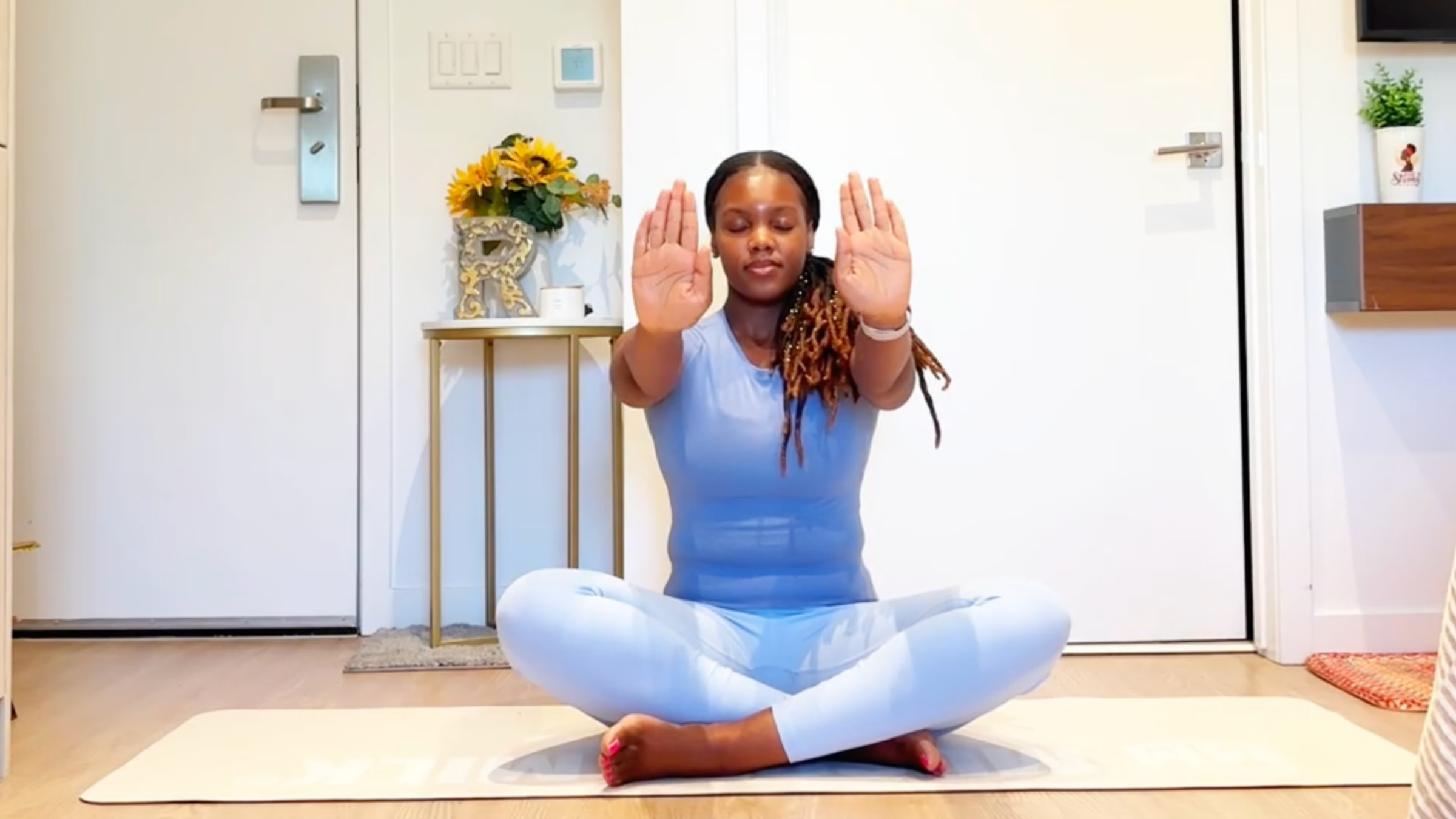
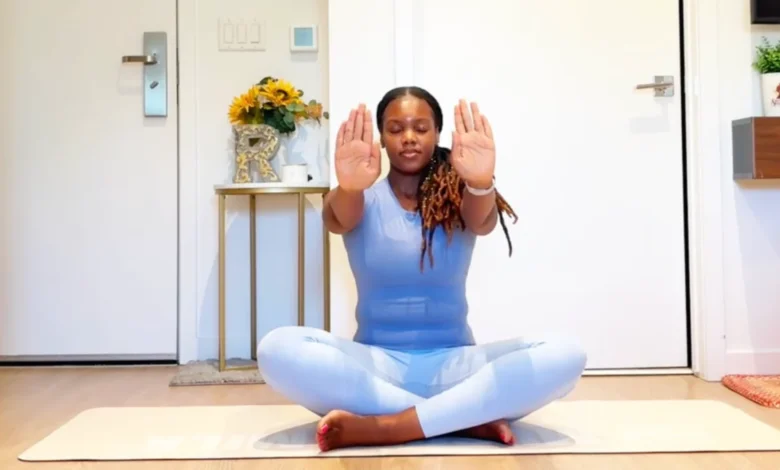
Recognizing this growing public health and ergonomic blind spot, Los Angeles-based yoga instructor and "Yoga With Ramoni" creator Ramoni Overton has designed a specialized, targeted 5-minute movement sequence. Published in late October 2026, the routine aims to reverse the physiological toll of modern screen-centric lifestyles through intentional joint mobility and targeted stretching.
The Anatomy of Digital Strain: Understanding the Modern Repetitive Stress Crisis
To understand why hand and wrist care has transformed from a niche wellness practice into an essential daily hygiene habit, one must examine the staggering statistics surrounding modern occupational hazards. According to recent occupational health studies, office workers, remote professionals, and digital creators spend an average of six to ten hours daily engaged in repetitive hand motions.
Each keystroke and swipe places micro-tension on the flexor and extensor tendons running through the carpal tunnel—a narrow passageway in the wrist formed by bones and ligaments. When these tendons become inflamed from overuse without adequate counter-stretching, they swell and compress the median nerve. Historically, repetitive strain injuries (RSIs) were discussed primarily within industrial or manufacturing sectors. Today, however, health economists note that digital RSIs account for billions of dollars in lost productivity and medical expenditures annually.
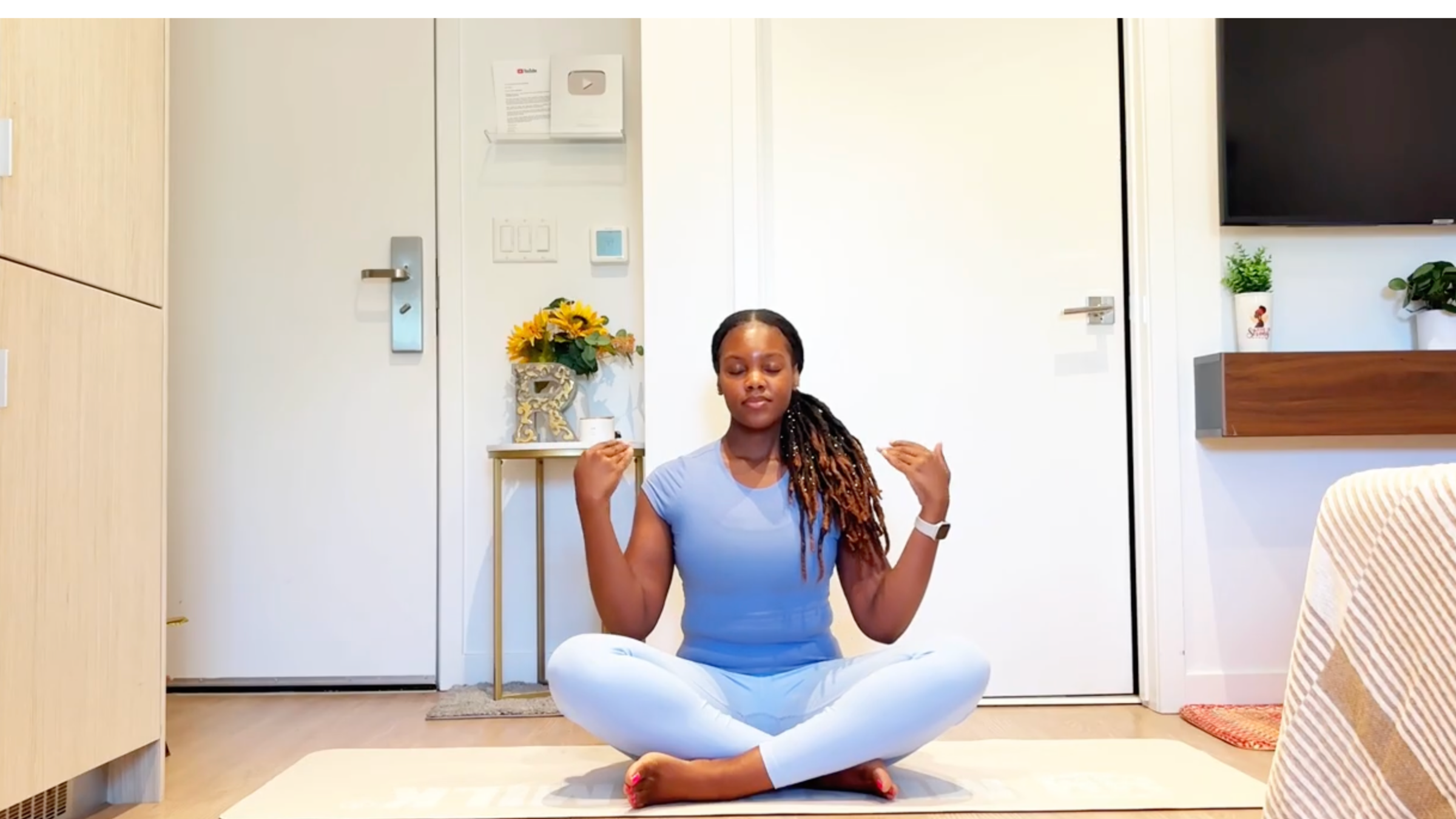
Despite the widespread prevalence of these conditions, preventative care remains remarkably low. Most individuals only address hand and wrist discomfort after acute pain sets in, rather than adopting proactive maintenance protocols. Physical therapists and orthopedists increasingly advocate for micro-interventions—short, daily routines integrated directly into the workday—to redistribute synovial fluid, maintain joint capsule elasticity, and prevent chronic scar tissue formation.
Chronology and Development of the Overton Hand-Care Protocol
The genesis of Overton’s routine stems from years of observing yoga practitioners struggling with foundational weight-bearing postures. Many students encounter frustration not from a lack of core strength or shoulder mobility, but from sheer wrist fatigue and restricted range of motion in their metacarpal joints.
By mid-2025, digital wellness educators began heavily emphasizing preventative physical therapy for remote workforces. Overton synthesized traditional hatha yoga joint-mobilization techniques—known in Sanskrit as Sukshma Vyayama (subtle energy exercises)—with modern sports science principles. The resulting protocol was finalized and filmed in Los Angeles, debuting publicly on October 28, 2026.
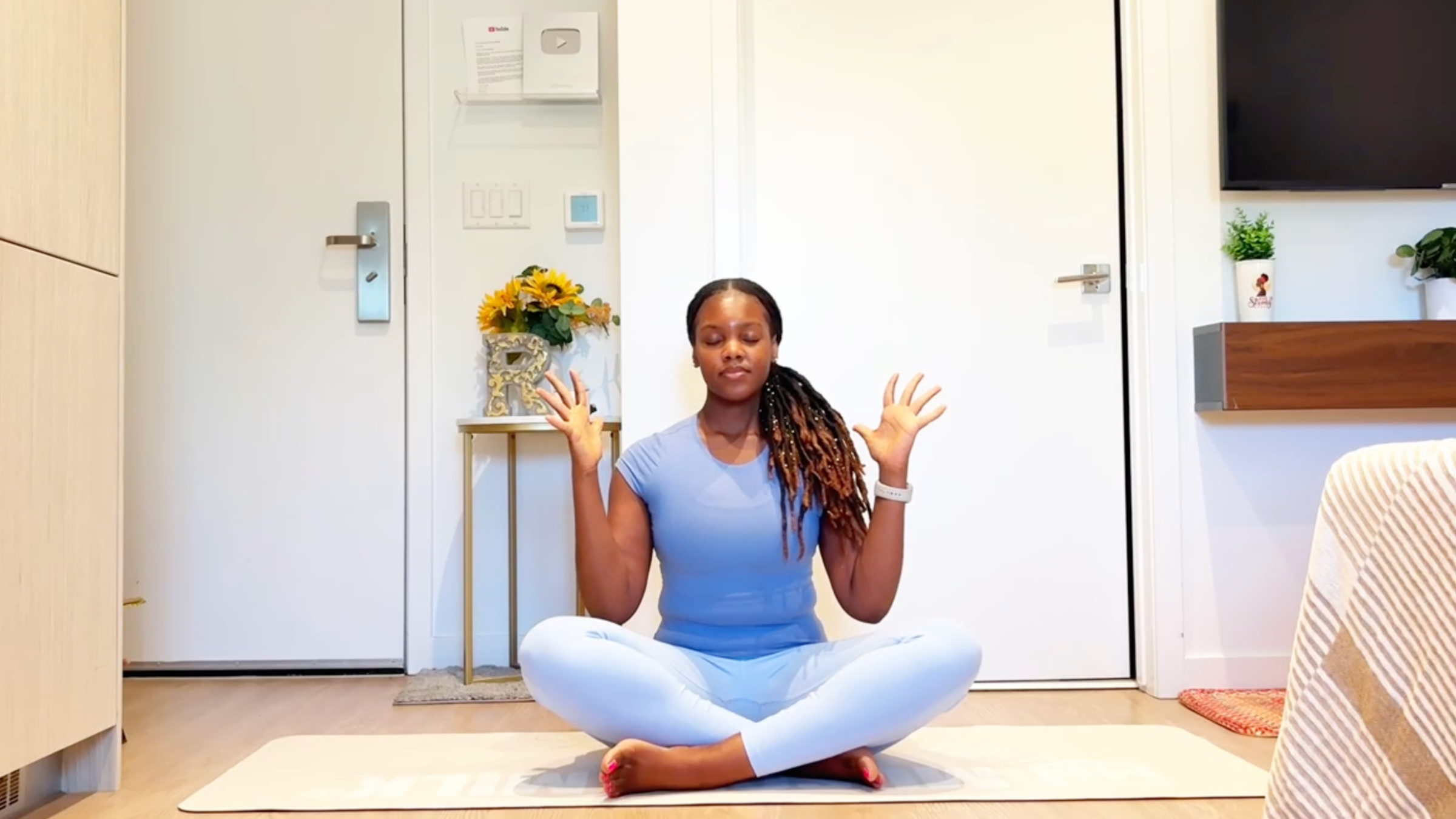
The sequence is explicitly structured for accessibility. Practitioners are instructed to remain seated comfortably on a yoga mat or chair for the entirety of the five-minute duration, eliminating barriers to entry for office workers seeking an immediate desk-side intervention.
Step-by-Step Breakdown of the 5-Minute Hand, Wrist, and Finger Protocol
The routine relies on six distinct movements designed to target different planes of motion, muscle groups, and connective tissues within the hands, wrists, and forearms.
1. Hand Circles
The sequence initiates with basic joint lubrication. Practitioners roll their wrists in circular motions for several rounds in a clockwise direction, followed by a complete reversal counter-clockwise. This movement stimulates the production of synovial fluid—the natural lubricant within the joint capsule—preparing the cartilage and surrounding ligaments for deeper mechanical engagement.
2. Hand and Finger Stretch
Next, practitioners alternate between balling their hands into tight fists and sharply opening them to extend their fingers as wide as possible. This dynamic contraction and expansion cycle engages both the flexor digitorum superficialis and the extensor digitorum muscles. The exercise concludes with an active finger wiggle in all directions, which encourages neural desensitization and flushes out stagnant lymphatic fluid in the digits.
3. Single Wrist Stretch
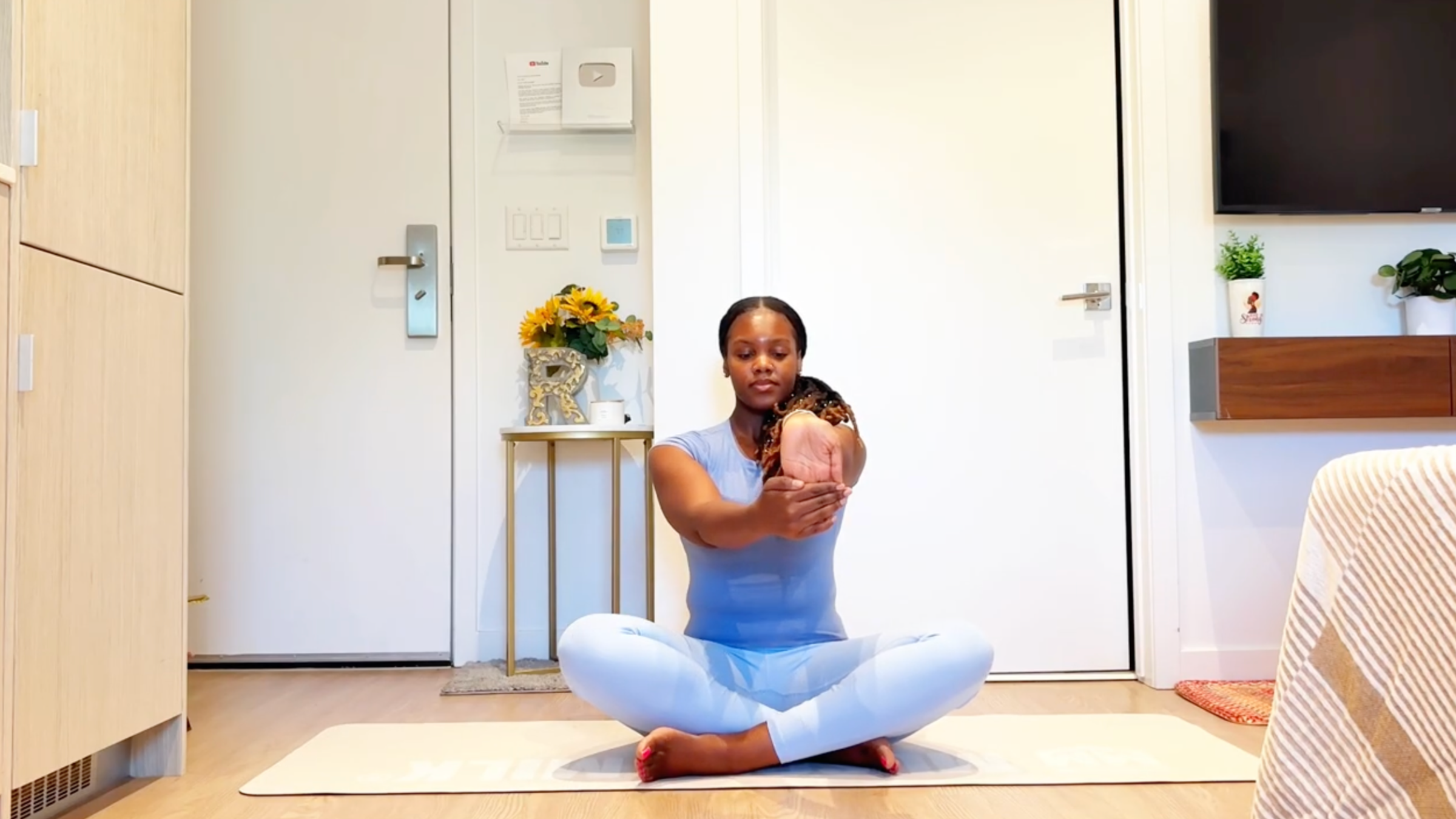
Moving into static linear stretching, practitioners extend one arm straight out in front of the chest with the palm facing away and fingertips pointing toward the floor. Using the opposite hand, gentle pressure is applied to the fingers, drawing them closer to the torso to stretch the underside of the wrist and forearm flexors. The stretch is held briefly before switching sides, ensuring equal bilateral maintenance.
4. Double Wrist Stretch
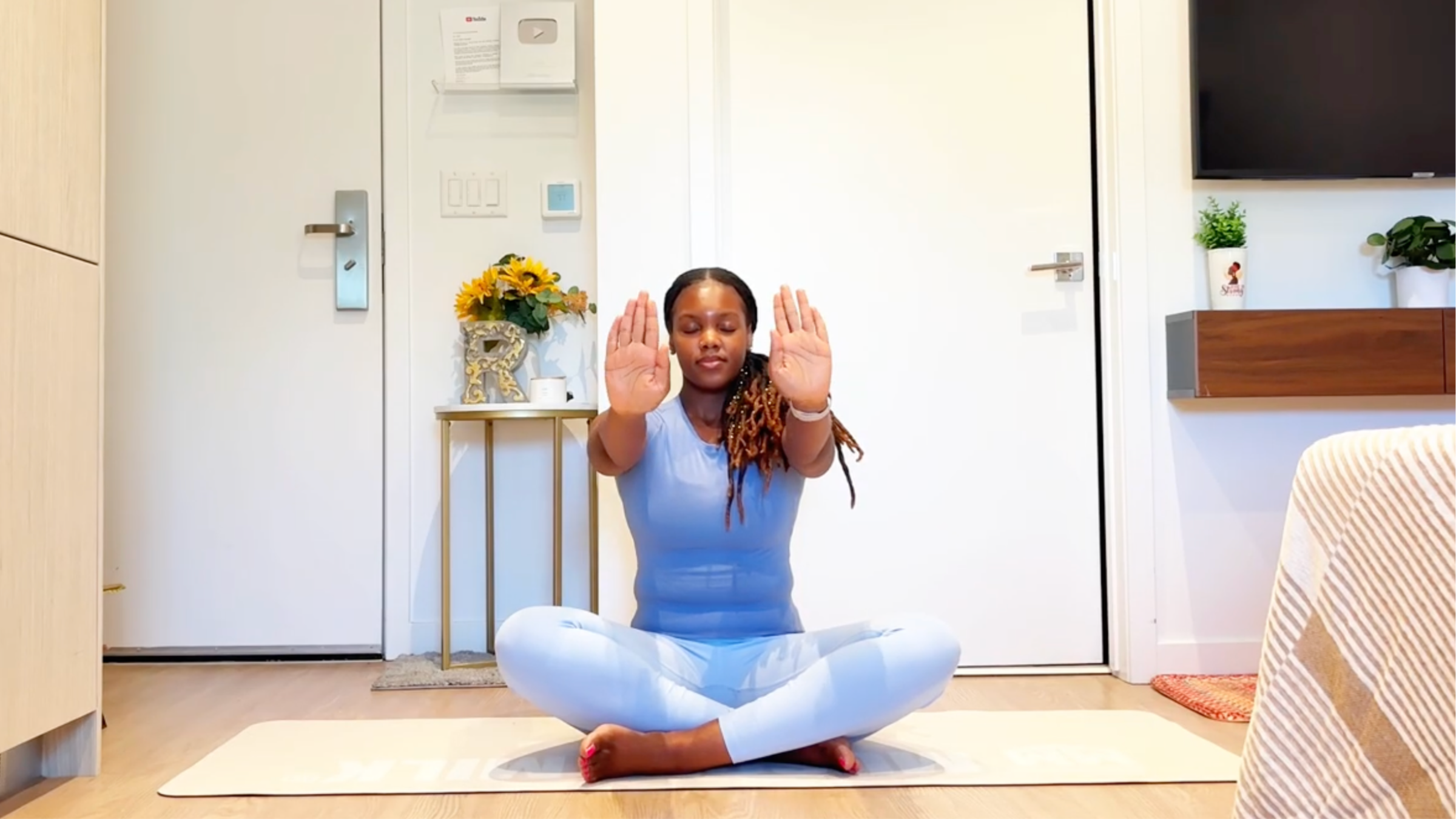
This bilateral movement challenges both extensor and flexor groups simultaneously. With both arms extended forward, practitioners point their fingertips toward the ceiling before reversing the motion to point them down toward the mat. By imagining the backs of the hands pressing away, the practitioner deepens the engagement across the dorsal side of the wrist joint, improving overall flexibility.
5. Hands to Mat
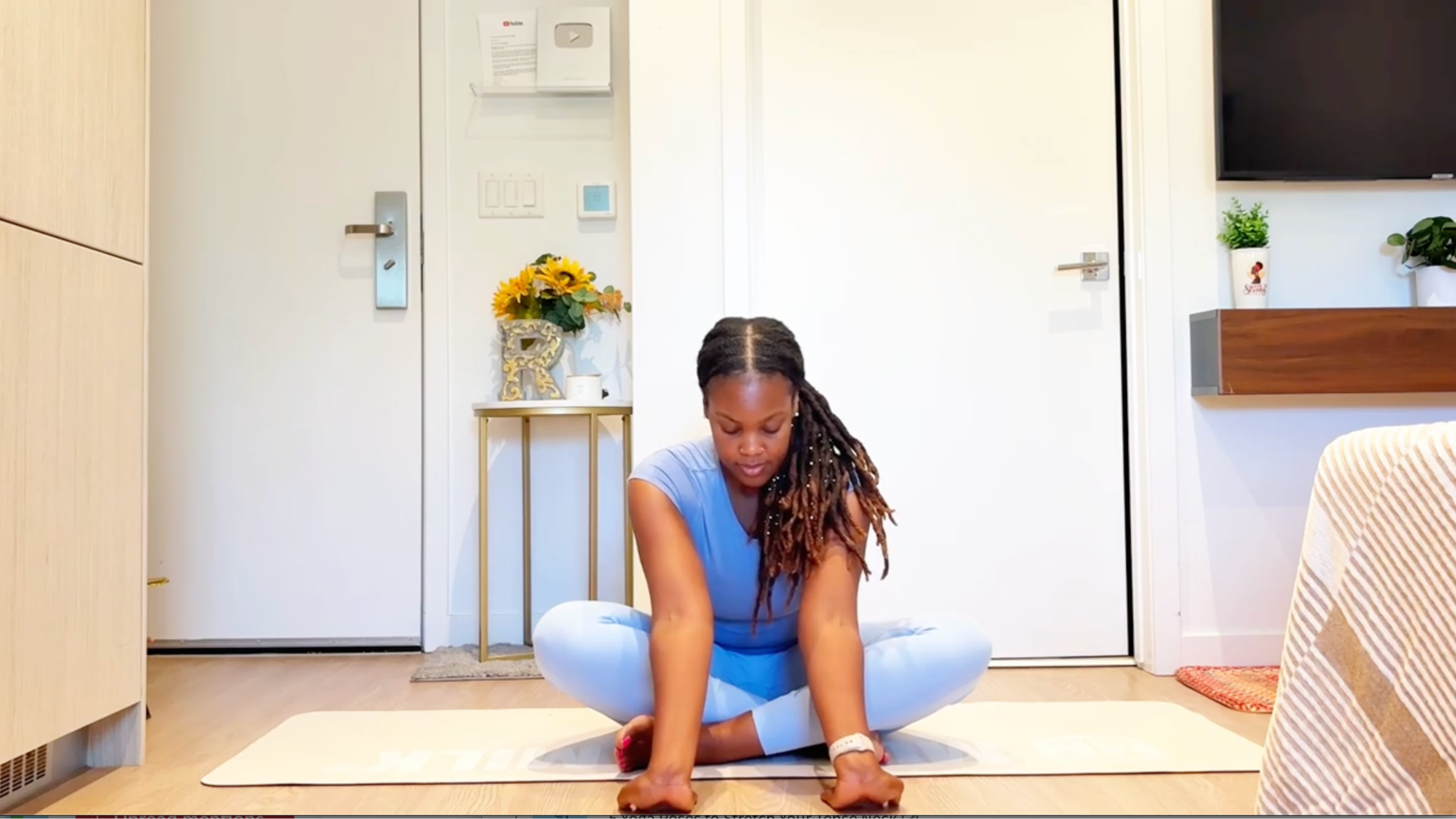
Transitioning to a weight-bearing variant, practitioners lower their palms to the mat with fingertips facing backward toward the body, straightening or bending the elbows depending on tolerance. This replicates the inverse of traditional yoga weight-bearing loads, safely decompressing the joints. Following this, the hands are flipped so the dorsal (top) sides rest on the mat, gently stretching the top of the wrist and forearm extensors—an area chronically shortened by standard computer mouse usage.
6. Single Finger Stretch
The final targeted movement isolates each digit individually. By gently drawing back one finger at a time while the arm is extended, the practitioner addresses localized stiffness in the interphalangeal joints. The routine concludes with a final integration period of gentle wrist rolls and finger wiggles, allowing the practitioner to consciously assess the reduction of acute tension.
Expert Analysis: Ergonomic and Orthopedic Implications
Medical professionals and ergonomic experts have increasingly endorsed the integration of targeted joint routines into daily schedules. Dr. Elena Vance, a specialist in occupational hand surgery, notes that routines like Overton’s serve a vital role in counteracting the sedentary static loads placed on modern bodies.
"When you hold a mouse or type continuously, your muscles maintain a low-grade isometric contraction for hours," Dr. Vance explains. "Over time, this restricts blood flow, decreases tissue elasticity, and accelerates wear and tear on the tendons. Incorporating simple, unweighted mobility sequences several times a day acts as a physical ‘reset button.’ It restores micro-circulation, preserves joint ROM [range of motion], and dramatically lowers the long-term incidence of debilitating overuse injuries."
Furthermore, fitness analysts point out that expanding the definition of self-care to include the body’s smallest extremities marks a mature evolution in contemporary wellness culture. As society navigates an increasingly digital landscape, the preservation of fine motor dexterity through deliberate physical care is shifting from an optional luxury to an essential component of human longevity and ergonomic health.
Related posts: