Understanding Parasomnias: The Medical Reality Behind Sleepwalking, Dream Enactment, and Complex Nocturnal Behaviors


Parasomnias represent a diverse category of sleep-wake disorders characterized by abnormal behavioral, experiential, or physiological events occurring in association with sleep, specific sleep stages, or sleep-wake transitions. While these conditions have recently garnered significant attention on social media platforms—where videos of individuals sleepwalking or talking in their sleep often go viral for their perceived humor or absurdity—medical professionals warn that these behaviors are symptoms of underlying neurological disruptions. Dr. Anne Marie Morse, a prominent sleep medicine specialist, emphasizes that parasomnias are far more than "strange behaviors"; they are clinical conditions that require careful diagnosis and, in many cases, immediate medical intervention to prevent injury and address long-term health risks.
The Classification of Parasomnias: NREM vs. REM
To understand parasomnias, one must first understand the architecture of human sleep. Sleep is divided into two primary states: Non-Rapid Eye Movement (NREM) sleep and Rapid Eye Movement (REM) sleep. Parasomnias are categorized based on which stage of sleep they emerge from, as the biological mechanisms and risks associated with each are distinct.
NREM Parasomnias: Disorders of Arousal
NREM parasomnias typically occur during the deepest stages of sleep, known as slow-wave sleep (Stage N3). These disorders are often referred to as "disorders of arousal" because they occur when the brain is caught in a twilight zone between deep sleep and wakefulness. The individual is neither fully awake nor fully asleep; the "primitive" parts of the brain responsible for movement and basic interaction are active, while the "higher" cortical regions responsible for logic, memory, and conscious awareness remain dormant.
Common NREM behaviors include:
- Confusional Arousals: The individual appears to wake up but acts disoriented, slow, or non-responsive.
- Sleepwalking (Somnambulism): Individuals may walk around their homes, open doors, or even attempt to drive, all while remains in a state of deep sleep.
- Sleep Terrors: Distinct from nightmares, these involve sudden vocalizations, intense fear, and autonomic nervous system activation (racing heart, sweating) without a clear dream narrative.
- Sleep-Related Eating Disorder (SRED): Compulsive eating of food or non-food items during sleep, often with no memory of the event the following morning.
REM Parasomnias: Dream Enactment
REM sleep is the stage most associated with vivid dreaming. Under normal physiological conditions, the brain induces a state of temporary muscle paralysis, known as atonia, to prevent the sleeper from physically acting out their dreams. In REM sleep behavior disorder (RBD), this paralysis is absent or incomplete.
As Dr. Morse explains, RBD often manifests as "explosive" reactions. Because the dreams during REM are often intense or violent—such as being chased or fighting off an attacker—the individual may punch, kick, or jump out of bed. Unlike NREM parasomnias, where the person is usually confused upon waking, individuals with RBD can often be awakened easily and will vividly remember the dream that corresponded with their physical movements.
The "Perfect Storm": Pathophysiology and Triggers
The occurrence of a parasomnia event is rarely random; it is usually the result of what Dr. Morse describes as a "perfect storm" of predisposing and precipitating factors. Understanding these triggers is essential for managing the frequency and severity of episodes.
Genetic Predisposition
There is a strong hereditary component to NREM parasomnias. If one parent has a history of sleepwalking or sleep terrors, the child is significantly more likely to experience them. This suggests a neurobiological sensitivity in the mechanisms that regulate the transition between sleep stages.
Sleep Deprivation and Fragmentation
The brain’s drive for deep sleep (homeostatic sleep pressure) increases the longer a person stays awake. When a sleep-deprived person finally falls asleep, their brain dives into intense slow-wave sleep. This high "sleep debt" makes the transition out of deep sleep more difficult, increasing the likelihood of a partial arousal event.
External Triggers and Substances
Several external factors can lower the threshold for a parasomnia episode:
- Alcohol: While alcohol may help a person fall asleep faster, it fragments sleep architecture and increases the likelihood of arousals during the second half of the night.
- Medications: Certain antidepressants (specifically SSRIs) and sedative-hypnotics (like Zolpidem) have been documented to trigger or worsen complex sleep behaviors.
- Stress and Fever: Psychological stress and physical illness (particularly high fevers in children) can disrupt the stability of sleep stages.
Underlying Medical Conditions
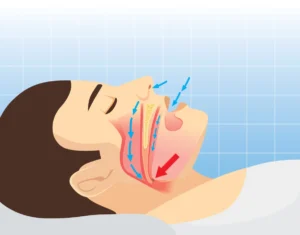
Often, a parasomnia is a secondary symptom of another sleep disorder. Obstructive Sleep Apnea (OSA), for example, causes the sleeper to stop breathing momentarily, forcing the brain to "jolt" awake to resume breathing. These frequent, forced arousals can trigger a sleepwalking episode in susceptible individuals. Similarly, Restless Legs Syndrome (RLS) can cause enough discomfort to fragment sleep and initiate arousals.
The Neurological Implications of REM Behavior Disorder
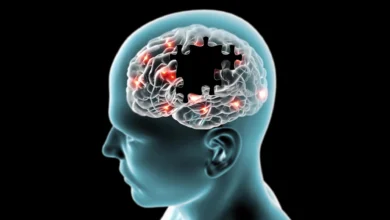
While NREM parasomnias are common in childhood and often disappear by adulthood, the onset of REM Behavior Disorder (RBD) in older adults is a significant clinical red flag. Modern sleep medicine views RBD not just as a sleep disorder, but potentially as a "prodromal" (early-stage) symptom of neurodegenerative disease.
Research has shown a strong correlation between RBD and "synucleinopathies"—a group of neurodegenerative diseases caused by the abnormal accumulation of the protein alpha-synuclein in the brain. These include:
- Parkinson’s Disease
- Lewy Body Dementia
- Multiple System Atrophy
Studies indicate that a high percentage of individuals diagnosed with "idiopathic" (of unknown cause) RBD may develop a neurodegenerative motor or cognitive disorder within 10 to 15 years. Because the brainstem regions that control REM atonia are located near the regions affected by Parkinson’s, the failure of muscle paralysis during sleep is often the first sign that these neural pathways are deteriorating. Consequently, Dr. Morse and other specialists urge patients who experience late-onset dream enactment to seek a full neurological evaluation.
The Social Media Context: Fascination vs. Exploitation
In recent years, "sleepwalking" content has become a staple of social media entertainment. Creators record themselves or family members engaging in bizarre nocturnal activities—cooking full meals, rearranging furniture, or holding nonsensical conversations—to gain millions of views.
However, the medical community views this trend with caution. Recording an individual in a state of parasomnia raises ethical concerns regarding consent, as the individual is not conscious. Furthermore, these videos often trivialize a condition that can be dangerous. Sleepwalking involves a total lack of environmental awareness; individuals have been known to walk out of windows, handle kitchen knives, or wander into sub-zero temperatures. By framing these events as "content," the genuine physical and psychological risks to the patient are often overlooked.
Clinical Management and Safety Interventions
When a patient presents with symptoms of a parasomnia, the primary goals are to ensure safety and identify any treatable triggers. Dr. Morse suggests a multi-tiered approach to management:
Environmental Safety (The "Safe Bedroom" Protocol)
For frequent sleepwalkers or those with RBD, the immediate environment must be modified to prevent injury:
- Floor-level sleeping: Moving the mattress to the floor to prevent falls.
- Securing the perimeter: Installing alarms on doors and windows to alert family members if the individual attempts to leave the room.
- Removing Hazards: Clearing the floor of clutter, padding sharp corners of furniture, and locking away potentially dangerous items like kitchen knives or firearms.
Diagnostic Testing
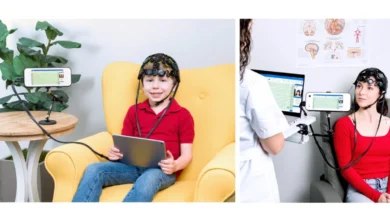
A formal sleep study (polysomnography) is often required, especially when behaviors are violent or occur late in life. This allows clinicians to observe the brain’s electrical activity and muscle tone during different sleep stages, helping to distinguish between NREM arousals, RBD, and nocturnal seizures.
Pharmacological and Behavioral Therapy
If environmental changes are insufficient, medications may be prescribed. For RBD, low-dose melatonin or clonazepam is often effective in restoring muscle atonia or dampening the intensity of the dream enactment. For NREM disorders, addressing the "precipitating storm"—such as treating sleep apnea or improving sleep hygiene—is usually the first line of defense.
Broader Implications and Future Directions
The study of parasomnias provides a unique window into the complexity of the human brain. It challenges our traditional definitions of "awake" and "asleep," proving that the brain can exist in a hybrid state where the body is mobile but the mind is unconscious.
As public awareness grows, the focus must shift from the spectacle of these behaviors to the health implications they carry. The link between RBD and neurodegeneration, in particular, offers a vital opportunity for early intervention. If scientists can identify the transition from RBD to Parkinson’s early enough, it may eventually lead to the development of neuroprotective therapies that can slow or stop the progression of the disease before significant motor symptoms appear.
Ultimately, understanding parasomnias is about more than stopping a person from walking in their sleep. It is about recognizing the delicate balance of the nervous system and ensuring that the "perfect storm" of triggers does not lead to preventable injury or undiagnosed illness. For those living with these conditions, and for their bed partners who often bear the brunt of the physical outbursts, medical consultation is the first step toward reclaiming a safe and restorative night’s sleep. Dr. Morse’s insights serve as a reminder that while the behaviors may appear fascinating from a distance, they are real medical challenges that require a professional, evidence-based approach.