The Great Meat Debate: How Industry-Influenced Guidelines Stoked Scientific Controversy and Challenged Public Health Norms

The intersection of nutritional science and commercial interests has long been a battleground, but few controversies have matched the intense debate sparked by a series of papers published in the Annals of Internal Medicine. These studies, which largely discounted traditional epidemiological research in favor of rigid evaluation frameworks typically reserved for pharmaceutical trials, concluded that adults could continue consuming red and processed meats at current levels. This recommendation flew in the face of decades of established public health consensus, which had consistently linked high meat consumption to elevated risks of chronic diseases, including cancer, cardiovascular complications, and type 2 diabetes.
The publication of these guidelines not only bewildered the broader medical and nutritional communities but also laid bare deep methodological schisms within evidence-based medicine. By prioritizing consumer preferences and perceived behavioral resistance over statistical health risks, the panel’s conclusions ignited a global debate regarding how dietary advice is formulated, funded, and communicated to the public.
Background Context and the Rise of NutriRECS
To understand the weight of the controversy, one must examine the genesis of the recommendations. The guidelines were produced by NutriRECS, an independent international consortium of researchers established to provide systematic reviews and nutritional guidelines. However, investigative reports and disclosures soon revealed complex ties between members of the panel and institutions receiving financial support from agricultural and food industry entities.
NutriRECS adopted a methodology centered on the GRADE (Grading of Recommendations Assessment, Development, and Evaluation) system. Originally engineered to assess the efficacy of pharmaceutical interventions through randomized, double-blind, placebo-controlled trials, GRADE demands a level of experimental control that is notoriously difficult to achieve in nutritional and lifestyle research. Because long-term, randomized clinical trials restricting human diets for decades are virtually impossible to conduct due to ethical and logistical constraints, nutrition science relies heavily on large-scale observational cohorts and prospective studies.
By applying pharmaceutical-grade strictness to nutritional data, the panel classified the existing evidence linking meat to chronic diseases as "low" or "very low" quality. Critics were quick to point out a profound double standard. Public health experts noted that if the GRADE criteria were applied with equal rigor to other lifestyle and environmental factors—such as physical inactivity, inadequate sleep, air pollution, or the consumption of sugar-sweetened beverages—virtually all established public health advisories would similarly fail to meet the threshold of "high-quality" evidence. Consequently, standard recommendations against smoking near others or consuming excessive refined sugars would technically lack the rigorous backing demanded by the panel’s framework.
The Paradox of the Data: Risks Acknowledged, Advice Dismissed
Perhaps the most startling aspect of the NutriRECS publications was the stark contradiction between the panel’s own statistical findings and its ultimate policy recommendations. Even after filtering out observational studies that did not align with their strict criteria, the consortium’s meta-analyses still detected clear associations between red and processed meat intake and adverse health outcomes.
The data analyzed by the panel indicated that moderate reductions in the consumption of unprocessed red meat and processed meats could yield tangible health dividends. Statistical models suggested that scaling back intake could reduce total mortality by 13%, heart disease mortality by 14%, cancer-related mortality by 11%, and the incidence of type 2 diabetes by roughly 24%.
Despite quantifying these substantial health benefits—reductions in conditions that routinely rank among the leading causes of preventable death worldwide—the authors formulated guidelines advising the public to maintain their current levels of unprocessed and processed meat consumption. The justification for this unexpected leap from data to directive rested heavily on a novel factor in dietary guideline formulation: consumer preferences and the psychological concept of a "taste cost."
Prioritizing Palatability Over Prevention
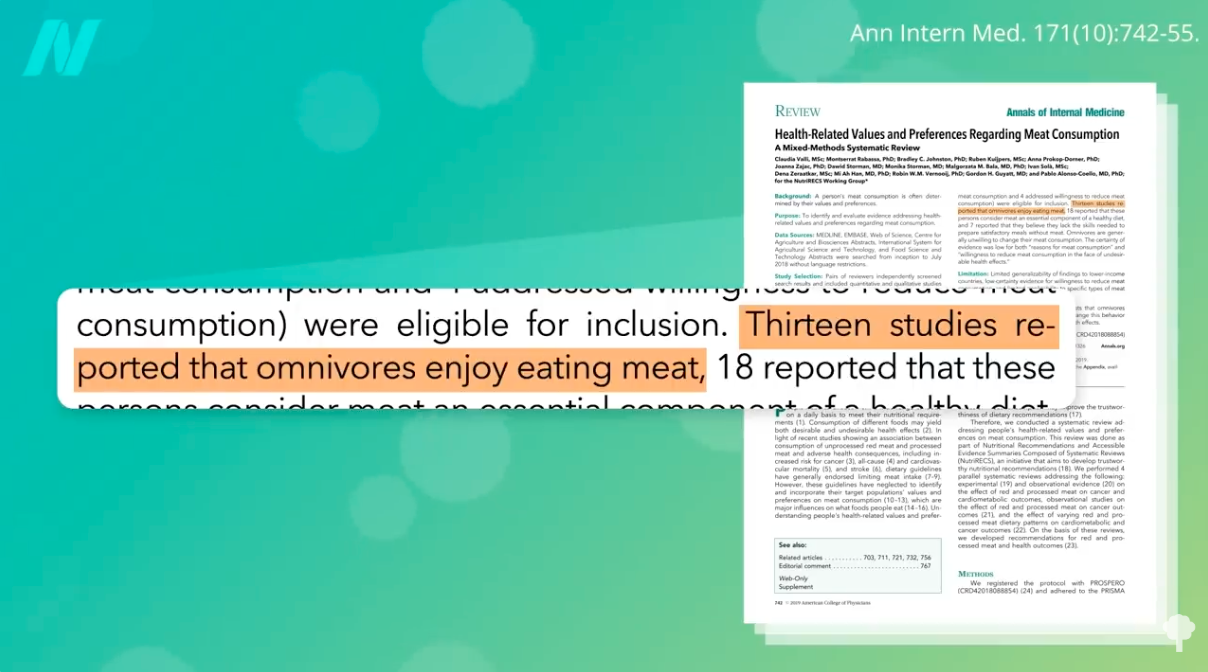
In an unprecedented shift for clinical dietary recommendations, the panel conducted a systematic review of consumer values and preferences regarding meat consumption. Their findings were straightforward: omnivores generally enjoy eating meat and are largely resistant to altering their dietary habits, even when confronted with prospective health risks.
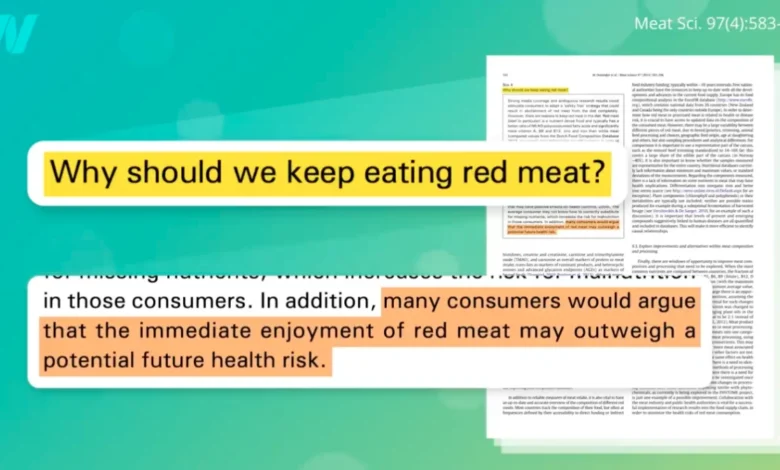
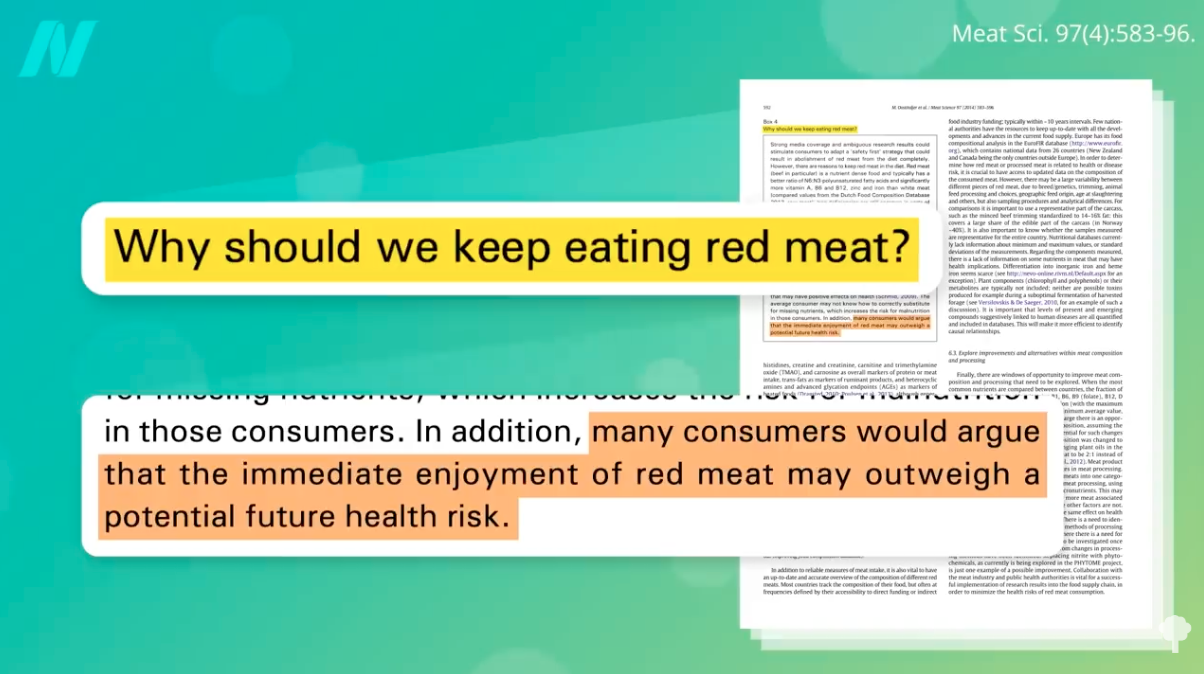
The consortium concluded that for the average consumer, the tangible, immediate enjoyment derived from eating meat outweighed the statistical, long-term risks of developing life-altering conditions like colorectal cancer or cardiovascular disease. In essence, the panel argued that because people like the taste of burgers and bacon, and because forcing dietary compliance imposes a psychological and sensory burden—a "taste cost"—public health agencies should craft guidelines that harmonize with existing behavior rather than challenge it.
This rationale drew immediate and fierce rebukes from prominent epidemiologists, cardiologists, and public health institutions. Critics argued that evaluating nutritional safety through the lens of culinary gratification fundamentally subverts the purpose of public health policy. Dr. David Katz, founder of the Yale Prevention Research Center, likened the logic to arguing that because motorists enjoy the sensation of the wind in their hair, safety organizations should stop recommending motorcycle helmets, or that public health bodies should cease advising people to quit smoking simply because nicotine addiction is difficult to break.
Reactions from the Scientific Community
The publication of the guidelines prompted an extraordinary pushback from the global scientific community. Major institutions, including the Harvard T.H. Chan School of Public Health, issued immediate critiques pointing out methodological flaws and omissions within the papers. Professional nutrition societies and cancer research organizations expressed profound concern that the media release accompanying the studies—which boldly proclaimed there was "no need to reduce red or processed meat consumption for good health"—misled the public and undermined decades of cardiovascular and oncological research.
Critics also highlighted potential conflicts of interest. The involvement of researchers with historical ties to food industry funding sparked debates regarding the independence of nutritional guidelines. While the authors maintained that their methodologies were objective and transparent, the scientific consensus remained that dismissing consistent epidemiological data based on consumer reluctance to change sets a dangerous precedent. Experts warned that if palatability becomes the primary metric for nutritional safety, guidance on sugar, trans fats, alcohol, and ultra-processed foods could similarly be dismantled to accommodate consumer preferences at the expense of population health.
Broader Implications for Public Health Communication
The controversy surrounding the 2019 meat guidelines serves as a watershed moment in the intersection of science, industry, and public communication. It illuminated the persistent challenge of translating complex probabilistic risk into accessible public advice. While chronic disease unfolds over decades and is influenced by myriad cumulative factors, individual dietary choices are driven by immediate gratification, cultural habits, and economic accessibility.
The debate underscored the vital need for transparency in how dietary guidelines are constructed. As regulatory bodies and academic institutions grapple with the integration of patient preferences into clinical practice, the consensus among mainstream epidemiologists remains clear: while lifestyle choices and personal autonomy must be respected, dietary recommendations derived from scientific inquiry must accurately reflect the balance between physiological risk and long-term well-being. When guidelines directly contradict the very data upon which they claim to be built, they risk eroding public trust in scientific institutions, leaving consumers vulnerable to confusion in an already crowded landscape of dietary advice.
Related posts: