The DoYou Global Yoga Survey Reveals the World’s Most Practiced Yoga Styles and Their Growing Popularity

The landscape of global wellness is continually evolving, with yoga standing as a cornerstone of physical and mental well-being for millions worldwide. To understand the current trends and preferences within this expansive practice, DoYou, a leading online yoga platform, conducted an extensive global survey. The "DoYou Global Yoga Survey" garnered participation from over ten thousand individuals across 124 countries, providing an unprecedented look into the most favored yoga styles and the motivations behind their widespread adoption. This comprehensive study, the results of which are now being analyzed, offers valuable insights for practitioners, instructors, and the wellness industry at large, highlighting not only which styles are leading but also the underlying reasons for their appeal.
Key Findings Emerge from a Global Consensus
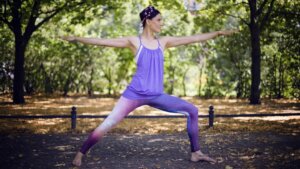
The survey’s findings underscore a clear hierarchy of popularity among yoga disciplines, with certain styles resonating more strongly with a diverse international audience. These results are not merely statistical curiosities; they reflect evolving perceptions of yoga’s benefits, from its athletic applications to its therapeutic and stress-reducing qualities. The data suggests a global inclination towards practices that offer tangible physical results, while also acknowledging the enduring appeal of more traditional and introspective approaches.
Vinyasa Flow: The Dominant Force in Global Practice
Topping the list, with an impressive 57% of respondents identifying it as their primary yoga style, is Vinyasa Flow. This dynamic and fluid form of yoga has captured the global imagination, largely attributed to its continuous movement between poses, often synchronized with breath. Vinyasa is not a single, rigid style but rather an umbrella term that encompasses more vigorous practices like Power Yoga and Ashtanga Yoga. However, when referred to broadly as "Vinyasa," it allows for immense flexibility and creative sequencing. Instructors can tailor Vinyasa classes to suit all levels, from absolute beginners to seasoned practitioners, making it an accessible yet challenging option.
The appeal of Vinyasa Flow lies in its ability to deliver a comprehensive physical workout. Its faster pace and the transitions between poses effectively elevate the heart rate and warm the muscles, aligning with many individuals’ traditional expectations of exercise. This focus on physical exertion, coupled with its often less overtly spiritual nature compared to some other yoga forms, makes it a gateway for many seeking fitness benefits. The immediate physical results, such as increased strength, flexibility, and cardiovascular health, contribute significantly to its widespread adoption. The survey data suggests that practitioners are drawn to Vinyasa for its efficiency in providing both a challenging workout and visible improvements in their physical condition.
Hatha Yoga: A Foundation for Mindful Movement
Securing the second position, with 42% of respondents favoring it, is Hatha Yoga. Like Vinyasa, Hatha Yoga is a broad category that serves as the foundational practice for many other yoga styles. Traditionally, Hatha is often contrasted with Vinyasa, emphasizing a slower, more deliberate approach. In a Hatha class, practitioners typically hold each pose for a series of breaths, allowing for deeper exploration of alignment, sensation, and muscular engagement.
This measured pace makes Hatha Yoga an ideal choice for beginners or those seeking a more meditative and restorative experience. The emphasis on holding poses allows for a profound focus on stretching and building foundational strength and flexibility. The survey indicates that Hatha’s popularity stems from its suitability for a wide range of individuals, offering a pathway into yoga that is less intimidating than more intense styles. Its capacity to foster a sense of calm and presence, while still providing physical benefits, solidifies its place as a perennial favorite. The measured progression within Hatha allows practitioners to develop a deep understanding of their bodies and the practice itself.
Restorative Yoga: The Art of Deep Relaxation and Rejuvenation
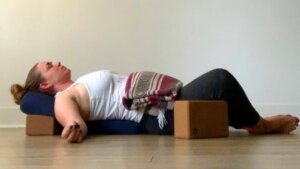
Claiming the third spot with 29% of respondents, Restorative Yoga has gained significant traction for its profound ability to induce relaxation and support the body’s natural healing processes. This style of yoga typically involves holding a few gentle poses for extended periods, with the extensive use of props such as bolsters, blankets, and blocks to provide complete support. The aim is to release tension and promote a state of deep rest without muscular effort.
Commonly incorporated poses include forward folds, gentle twists, and supported backbends, all designed to calm the nervous system and alleviate stress. Many practitioners find Restorative Yoga to be an ideal practice before bedtime, facilitating better sleep and overall well-being. The survey results suggest that in an increasingly fast-paced world, the demand for practices that prioritize relaxation and stress reduction is on the rise. Restorative Yoga directly addresses this need, offering a sanctuary of calm and a powerful tool for managing the pressures of modern life. Its gentle nature makes it accessible to individuals of all physical abilities, including those recovering from illness or injury.
Power Yoga: An Intensified Vinyasa Experience
Also garnering 29% of the vote, Power Yoga emerges as a distinct, yet closely related, popular style. Power Yoga is fundamentally a more athletic and challenging iteration of Vinyasa Flow. While it adheres to the same principles of linking breath with movement and flowing between poses, Power Yoga classes are typically designed to be more demanding. Instructors may increase the pace of transitions, introduce more complex and advanced poses, or extend the duration of holds to build greater muscular strength and endurance.
The appeal of Power Yoga lies in its capacity to deliver an intense physical workout that can rival traditional high-intensity interval training or circuit workouts. Participants can expect to sweat profusely and feel a deep engagement of their muscles. The survey data indicates that a significant segment of the yoga community seeks out these more vigorous practices for their fitness benefits, seeing yoga not just as a spiritual or stretching practice, but as a powerful form of conditioning. This segment of practitioners is often motivated by goals related to building strength, improving stamina, and achieving a high level of physical fitness.
Ashtanga Yoga: The Discipline of Structured Sequences
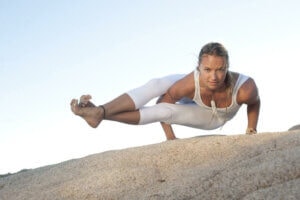
With 25% of respondents identifying as practitioners, Ashtanga Yoga stands out for its structured and disciplined approach. Ashtanga is a form of Vinyasa yoga, but it distinguishes itself by following a specific, prescribed sequence of poses. This means that every Ashtanga class, regardless of the teacher or location, will perform the same poses in the same order. This set sequence is divided into six series, with practitioners progressing through them as they build strength, flexibility, and concentration.
The appeal of Ashtanga lies in its predictability and its ability to foster a deep sense of progress through repetition. For individuals who thrive on routine, clear goals, and measurable advancement, Ashtanga offers a compelling practice. The consistent structure allows practitioners to deeply internalize the poses, refine their technique, and observe their physical and mental development over time. This dedication to a set sequence appeals to those who find comfort and motivation in knowing exactly what to expect and who are driven by the pursuit of mastery. The survey suggests that a dedicated group of practitioners values this structured progression as a pathway to significant personal growth.
Yin Yoga: Deep Tissue Work for Balance and Mobility
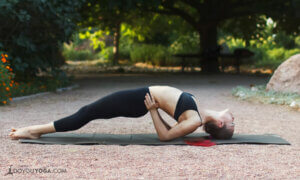
Yin Yoga, favored by 17% of respondents, shares similarities with Restorative Yoga in its emphasis on holding poses for extended periods. However, Yin Yoga targets a different layer of the body. While Restorative Yoga focuses on muscle relaxation, Yin Yoga aims to work the deeper connective tissues, such as fascia, ligaments, and joints. Poses are typically held for three to five minutes, or even longer, allowing gravity and time to gently stress and release these tissues.
This practice is often described as a "yang" to the more dynamic, muscle-focused "yang" of other yoga styles. It requires significant concentration and mindfulness, as practitioners must learn to relax into discomfort and observe the subtle sensations within their bodies. The survey highlights that Yin Yoga is increasingly recognized for its role in injury prevention, improving joint mobility, and enhancing overall flexibility. It offers a complementary practice for those engaged in more vigorous physical activities, promoting balance and resilience within the body. Its ability to foster deep introspection and a profound connection to the body’s internal landscape contributes to its growing popularity.
Bikram/Hot Yoga: The Intensity of a Heated Practice
Bikram Yoga, a specific sequence of 26 poses and two breathing exercises performed in a heated room (typically 35-42°C or 95-108°F), along with more generalized Hot Yoga, accounts for 10% of the survey respondents. Bikram Yoga is known for its rigid adherence to its prescribed sequence and environment, aiming to detoxify the body through intense sweating. Hot Yoga, while also practiced in a heated environment, offers more variety in its sequences and can be adapted to different temperatures and styles.
The primary appeal of heated yoga practices lies in the profound detoxification that many believe occurs through intense perspiration. The heat also allows for greater flexibility, enabling deeper stretches and poses. However, practitioners are strongly advised to prioritize hydration, both in the days leading up to and following a class, due to the significant fluid loss experienced. The survey indicates that a segment of the population is drawn to the challenging and invigorating nature of heated yoga, seeking a powerful, sweat-inducing workout that also offers the potential for deep physical release.
Iyengar Yoga: Precision, Alignment, and Therapeutic Benefits
Rounding out the top popular styles, Iyengar Yoga is practiced by 8% of respondents. A subset of Hatha Yoga, Iyengar Yoga places an exceptionally strong emphasis on precise alignment and the meticulous sequencing of poses. This style is renowned for its systematic approach, often utilizing a wide array of props such as blocks, straps, blankets, and chairs to help students achieve optimal alignment and hold poses safely and effectively.
The focus on precision makes Iyengar Yoga particularly beneficial for therapeutic purposes. It is often recommended for individuals recovering from injuries or managing chronic conditions, as it can help to correct postural imbalances and build strength in a controlled manner. Practitioners of Iyengar Yoga develop a deep understanding of biomechanics and the subtle nuances of each posture. The survey suggests that the dedication to detail and the potential for profound physical correction and rehabilitation contribute to the enduring appeal of this highly refined practice.

Broader Implications and the Future of Global Yoga
The DoYou Global Yoga Survey provides a compelling snapshot of the current yoga landscape, revealing a diverse range of preferences that cater to varying needs and goals. The dominance of Vinyasa Flow highlights a global inclination towards dynamic, fitness-oriented practices. Simultaneously, the strong showing of Hatha and Restorative Yoga underscores the continued demand for foundational, calming, and therapeutic approaches.
The survey’s comprehensive data, gathered from a truly global audience, offers significant implications for yoga instructors, studios, and online platforms. Understanding these trends allows for the development of more targeted programming and content that resonates with a broader audience. For practitioners, the findings serve as a valuable guide, illuminating the vast spectrum of yoga styles available and encouraging exploration beyond their current practice.
The fact that over ten thousand individuals from 124 countries participated in this survey speaks to the universal and growing appeal of yoga. It suggests that yoga is no longer a niche practice but a mainstream discipline integrated into the wellness routines of people worldwide. The insights gleaned from this study will undoubtedly inform the future direction of yoga instruction and practice, ensuring that this ancient discipline continues to adapt and thrive in meeting the evolving needs of a global community. The ongoing analysis of the DoYou Global Yoga Survey promises to yield further insights into the "why" behind these preferences, delving deeper into the motivations, benefits sought, and the overall impact yoga has on the lives of its practitioners. The platform itself has indicated that this survey is part of an ongoing commitment to understanding and supporting the global yoga community.