TSA Implements New Computed Tomography Scanner Rollout Amid Growing Concerns Over Carry-On Size Constraints and Airport Efficiency

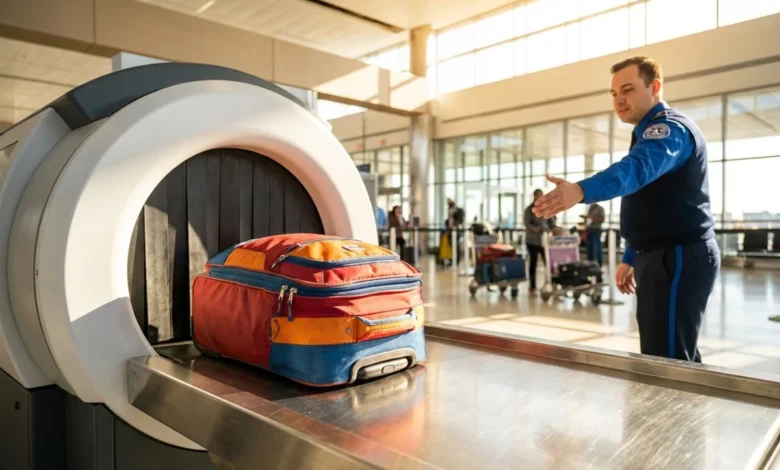
The Transportation Security Administration (TSA) is currently in the midst of a significant technological overhaul at security checkpoints across the United States, transitioning from traditional X-ray machines to advanced computed tomography (CT) scanning systems. While the agency maintains that these upgrades are essential for modernizing security and improving threat detection capabilities, the rollout has introduced unforeseen logistical challenges for travelers, specifically regarding the dimensions of carry-on luggage. As these new machines feature a more restrictive aperture than their predecessors, passengers traveling with oversized bags may find their carry-ons rejected at the screening belt, potentially forcing them to check items at the last minute and disrupting travel plans.
The Technological Shift: Understanding CT Scanning
The transition to CT technology represents a major evolution in how the TSA screens passengers and their belongings. Unlike standard 2-way X-ray imaging, which provides a flat, two-dimensional view of a bag’s contents, CT scanners utilize sophisticated algorithms to generate high-resolution, three-dimensional images. This technology allows TSA officers to rotate and inspect the contents of a bag from every angle on a monitor without the need for the bag to be opened or the contents to be physically manipulated.
According to the TSA, the primary operational benefit of this transition is the reduction of manual bag checks. In many instances, the system’s advanced imaging software can automatically detect explosives and other prohibited items, providing a clearer image than legacy systems. Furthermore, the use of CT technology is intended to streamline the screening process by allowing passengers to keep laptops, tablets, and liquids inside their carry-on bags, rather than removing them for separate inspection. A spokesperson for the agency, identified as Velez, emphasized that the smaller opening is a physical necessity dictated by the internal engineering of the advanced imaging equipment. "This design is necessary to accommodate the advanced imaging technology and ensure optimal performance," Velez stated, noting that the physical constraints are inherent to the high-fidelity scanning process.
Dimensions and Traveler Compliance
The core issue arising from the rollout centers on the physical size of the scanner’s intake. While most major commercial airlines enforce a standard carry-on dimension—typically 22 inches by 14 inches by 9 inches—many travelers have historically utilized bags that slightly exceed these limits, often pushing the boundaries of what fits into overhead bins. Under the new configuration, bags that marginally exceed these airline-mandated dimensions may physically fail to pass through the scanner’s aperture.
For travelers, this creates a potential "bottleneck" at the checkpoint. If a bag cannot fit through the machine, it cannot be screened; if it cannot be screened, it cannot proceed past the security perimeter. The TSA has indicated that in such cases, passengers may be required to return to the ticket counter to check the bag, a process that can result in missed flights and significant frustration. The agency is urging travelers to strictly adhere to the carry-on size policies set by their respective airlines to mitigate the risk of being turned away at the checkpoint.
Chronology of the Modernization Program
The deployment of CT scanners is not an overnight event but part of a multi-year strategy to harden airport security against evolving global threats. The TSA began testing CT technology in limited capacities as early as 2017, with phased rollouts occurring at major international hubs like John F. Kennedy International Airport, Los Angeles International Airport, and Chicago O’Hare.
As of early 2026, the program has entered a more aggressive phase of implementation. The acceleration of this rollout coincides with a period of intense scrutiny regarding the agency’s fiscal management and operational efficacy. In December 2025, reports highlighted ongoing tensions between the agency and the public, with critics questioning the value proposition of the TSA PreCheck program, particularly as the agency introduced new digital identification requirements, such as the Confirm.ID system, which some privacy advocates have labeled as an unnecessary bureaucratic hurdle.
Furthermore, the operational environment for the TSA has been complicated by broader political instability. In March 2026, the federal government faced a prolonged funding impasse as Senate Democrats blocked Republican-led funding bills for the Department of Homeland Security. This legislative deadlock contributed to an environment of uncertainty, with reports of deteriorating wait times and strained resources at airports nationwide. The coincidence of these technological upgrades with operational stressors has amplified public discourse regarding the agency’s priorities.
The Human Element and Operational Impact
Beyond the technical specifications, the human impact of these changes has been a focal point for public feedback. Incidents involving high-profile travelers have highlighted the friction between standardized security procedures and individual passenger experiences. For instance, the December 2025 incident involving Evita Duffy-Alfonso—who reported being detained for a manual pat-down after opting out of body scanner radiation—underscored a growing public sentiment calling for greater sensitivity in security protocols.
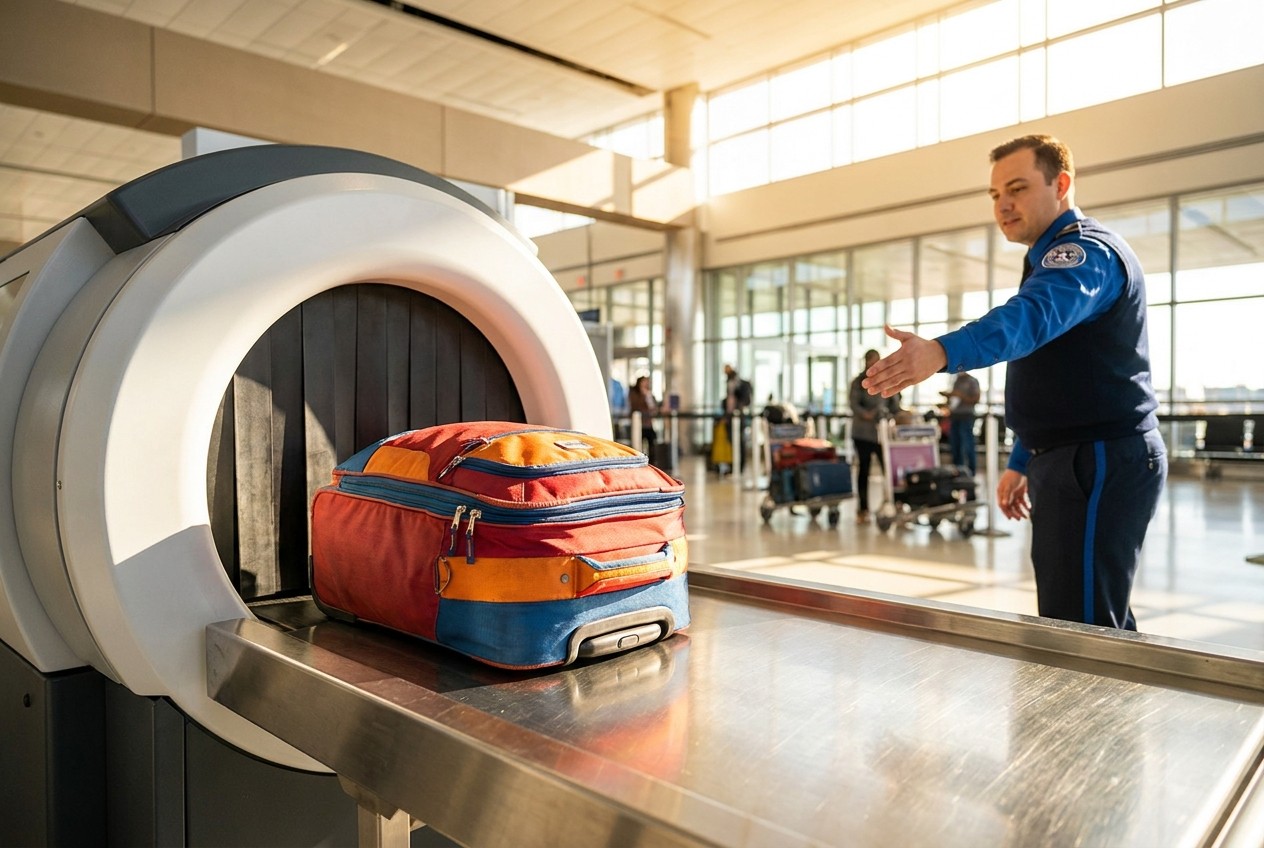
To address concerns regarding the new scanners, the TSA has stated that its officers are trained to assist travelers who encounter difficulties. However, the onus remains on the passenger to ensure their luggage conforms to regulatory standards. The agency recommends that if a traveler is uncertain about whether their bag will fit, they should consult with a TSA officer before entering the scanning queue. Despite these assurances, critics argue that the burden of technology upgrades should not be placed on the traveler through the threat of denied boarding or mandatory baggage checking.
Analysis of Security vs. Efficiency
From a logistical standpoint, the trade-off between screening accuracy and throughput is the central challenge of the CT scanner implementation. While the 3-D imaging technology theoretically improves security by minimizing human error in identifying prohibited items, it also introduces a new point of failure: the physical intake size.
Data from the TSA’s own operational reports suggest that reducing manual bag checks is a net positive for checkpoint speed. However, this is predicated on the assumption that the "input" side of the process—the passengers and their luggage—is perfectly aligned with the technical requirements of the scanners. When that alignment breaks down, as it does with oversized luggage, the entire lane can grind to a halt. The efficiency gains provided by the technology may be offset by the time spent managing rejected bags and re-routing passengers.
Furthermore, the cost of the CT scanner deployment is significant. Each unit represents a substantial capital investment, and the logistical cost of retrofitting existing checkpoints is not trivial. For the taxpayer, the question remains whether the security benefits of the 3-D imaging outweigh the operational costs and the potential for increased traveler inconvenience.
Looking Ahead: The Future of Airport Security
As the rollout continues, the TSA has not provided a definitive completion date for the national installation of CT scanners. The agency is currently in a "transitional state," where airports may have a mix of older X-ray machines and newer CT technology, leading to inconsistent experiences for frequent flyers.
The agency’s guidance for the foreseeable future is clear:
- Verify Dimensions: Before arriving at the airport, check the specific carry-on dimensions permitted by the airline. If a bag is close to the limit, it is safer to check it.
- Prepare for Assistance: If a bag is identified as potentially oversized, notify the TSA officer at the checkpoint entrance to determine the best course of action before committing to the scanning lane.
- Stay Informed: Monitor TSA and airline communications, as policies regarding digital ID, bag sizes, and checkpoint procedures remain subject to change as the technological environment evolves.
Ultimately, the shift to CT scanning is a reflection of the agency’s commitment to staying ahead of sophisticated threats. However, the path to implementation serves as a reminder of the delicate balance required to maintain a secure air travel system while ensuring that the passenger experience remains navigable. The success of this program will likely be measured not just by the accuracy of the scans, but by the agency’s ability to communicate these changes effectively and manage the flow of travelers through increasingly complex security environments. As the nation’s airports continue to modernize, the integration of hardware, policy, and public cooperation will remain the defining feature of the American travel experience.