Skinnytaste Releases Free 7-Day High-Protein Meal Plan and Grocery List for September 2026

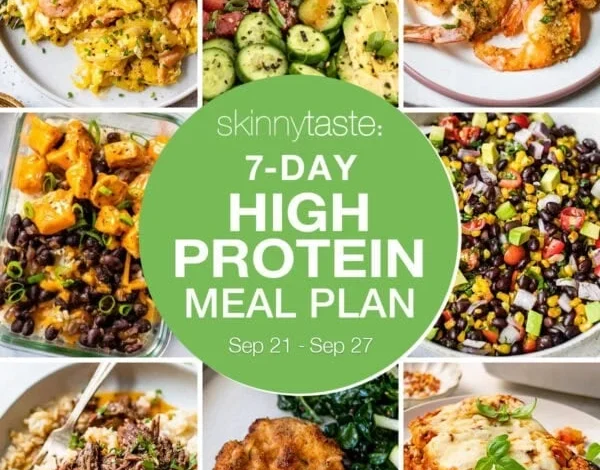
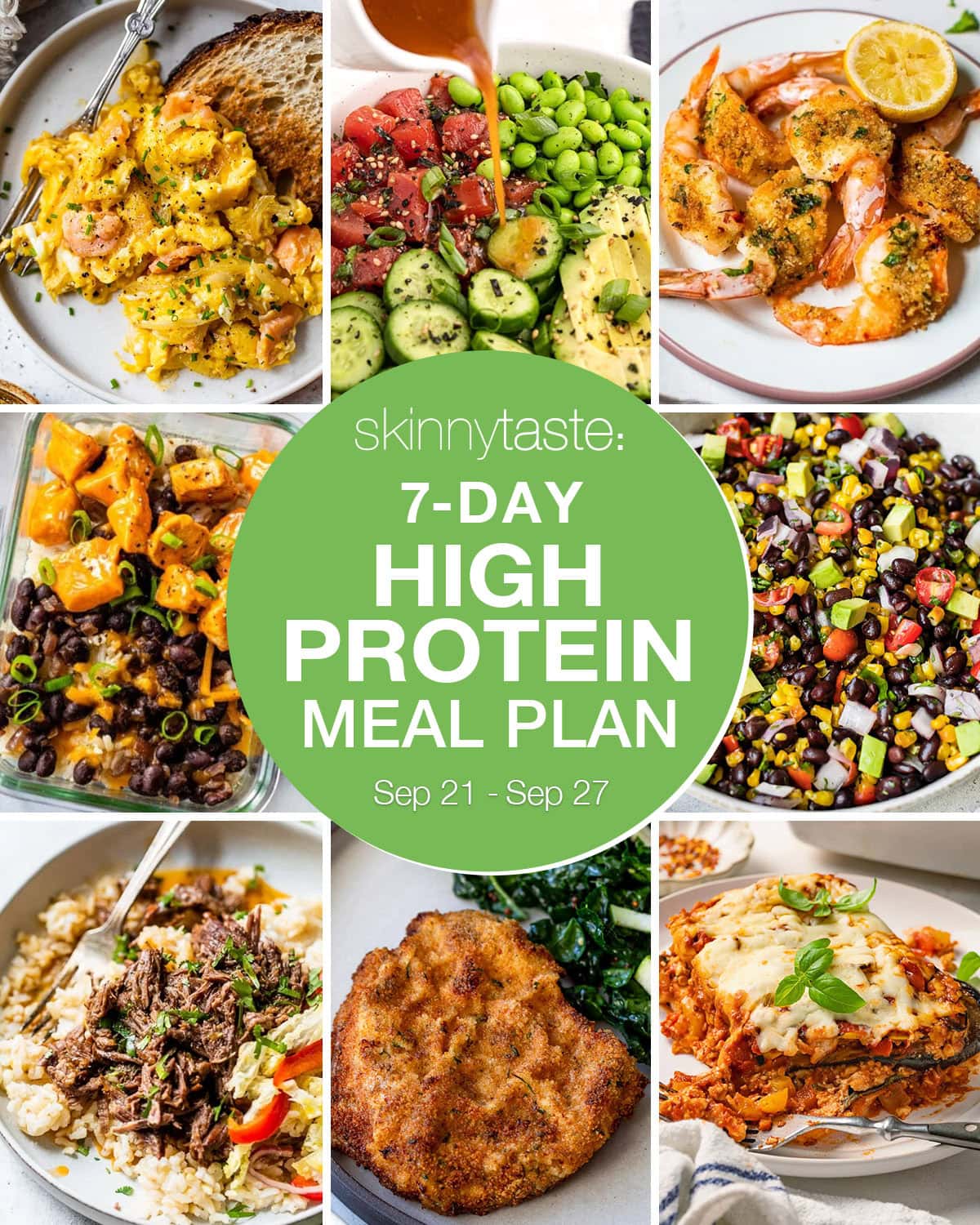
The popular culinary platform Skinnytaste has officially published its latest nutritional resource, introducing a comprehensive, free 7-day high-protein meal plan designed to coincide with the seasonal shift into autumn. Scheduled for the week of September 21 through September 27, 2026, the newly released schedule provides curated breakfast, lunch, and dinner concepts alongside an integrated grocery list. Every recipe featured within the program includes calculated macronutrient breakdowns and updated Weight Watchers (WW) points, reflecting recent adjustments made by the dietary program to incorporate zero-point staple foods such as oatmeal.
This structured diet program arrives as part of an ongoing trend toward macronutrient tracking, particularly high-protein regimens aimed at muscle retention, satiety, and metabolic health. As consumer interest in fitness-oriented nutrition continues to expand across mainstream demographics, digital recipe publishers are increasingly pivoting toward structured meal planning that bridges the gap between culinary satisfaction and clinical nutritional targets.
Background Context and the Rise of High-Protein Diets
In recent years, dietary paradigms have significantly shifted away from strict low-fat or low-carbohydrate models toward higher protein intake across various demographic segments. Nutrition science increasingly supports the role of elevated protein consumption—often defined as ranging from 1.2 to 2.0 grams per kilogram of body weight—in supporting lean muscle mass preservation, enhancing metabolic rate, and increasing satiety through the regulation of hunger hormones such as ghrelin and peptide YY.
The creator of Skinnytaste noted that adopting a high-protein framework has served as a personal turning point for strength training and overall dietary adherence. By distributing protein intake more evenly across daily meals—targeting roughly 30 grams per meal supplemented by strategic snacking—individuals often report reduced cravings for hyper-palatable, calorie-dense foods high in refined sugars and sodium.
However, nutritionists and medical professionals consistently emphasize that high-protein diets require personalization. While generally safe for the broader population, individuals with pre-existing renal impairments, chronic liver disease, gout, or specific metabolic disorders must exercise caution. Excess protein consumption can place additional filtration demands on compromised kidneys, underlining the necessity of consulting primary care physicians or registered dietitians before undertaking drastic dietary modifications.

Structure and Implementation of the September 2026 Meal Plan
The newly introduced September meal plan is systematically organized to balance preparation efficiency with nutritional density. Designed with flexibility in mind, the program assumes a baseline caloric target of approximately 1,500 calories per day for women, though creators stress that caloric needs fluctuate based on age, basal metabolic rate (BMR), daily activity levels, and individual fitness objectives. Ample room is intentionally built into the daily guidelines to accommodate beverages, supplemental fruits, desserts, and personal preferences.
The structural breakdown of the plan allocates single-serving portions for breakfasts and lunches from Monday through Friday, while dinners and all weekend meals scale to accommodate a family of four. Several recipes incorporate intentional leftovers to streamline mid-week preparation and reduce household food waste.
Daily Nutritional Overview and Chronological Schedule
- Monday, September 21
- Breakfast: Breakfast Quesadilla
- Lunch: Buffalo Chicken Rice Bowls
- Dinner: Ratatouille Lasagna paired with a Vegan Caesar Salad
- Daily Totals: Approximately 1,369 calories and 128.5 grams of protein.
- Tuesday, September 22
- Breakfast: Peach Pie Cottage Cheese Bowls
- Lunch: Buffalo Chicken Rice Bowls
- Dinner: Instant Pot Braised Beef served with two corn tortillas, one ounce of avocado, and Southwestern Black Bean Salad
- Daily Totals: Approximately 1,269 calories and 123.5 grams of protein.
- Wednesday, September 23
- Breakfast: Peach Pie Cottage Cheese Bowls
- Lunch: Buffalo Chicken Rice Bowls
- Dinner: Leftover Instant Pot Braised Beef served with Cilantro Lime Cauliflower Rice and leftover Southwestern Black Bean Salad
- Daily Totals: Approximately 1,303 calories and 122.5 grams of protein.
- Thursday, September 24
- Breakfast: Breakfast Quesadilla
- Lunch: Buffalo Chicken Rice Bowls
- Dinner: Pork Milanese with Kale and Apple Slaw, accompanied by Roasted Sweet Potatoes
- Daily Totals: Approximately 1,368 calories and 120.5 grams of protein.
- Friday, September 25
- Breakfast: Strawberry Banana Smoothie
- Lunch: Tuna Poke Salad (half-recipe portion)
- Dinner: Sheet Pan Shrimp Oreganata paired with Orzo featuring Zucchini and Tomato
- Daily Totals: Approximately 1,296 calories and 128 grams of protein.
- Saturday, September 26
- Breakfast: Lox and Eggs with Onions (double recipe scale) accompanied by one slice of whole-grain toast and one cup of mixed berries
- Lunch: Italian Sub Broccoli Salad
- Dinner: Dining out (unrestricted)
- Daily Totals: Approximately 840 calories and 48.5 grams of protein (excluding dinner out).
- Sunday, September 27
- Breakfast: Zucchini Oats (quadruple recipe scale)
- Lunch: Thai-Inspired Chicken Salad
- Dinner: Spicy Whole Wheat Linguine with Sausage and Roasted Red Peppers, served alongside a Raw Shredded Brussels Sprouts Salad with Lemon and Oil
- Daily Totals: Approximately 1,345 calories and 122.5 grams of protein.
Technological Integration and Weight Watchers Updates
A significant operational challenge for digital recipe platforms involves maintaining synchronization with shifting commercial diet point systems. Weight Watchers recently updated its program parameters to include new zero-point food categories, notably incorporating staples like oatmeal. While automated point recalculations across older database entries require systematic manual audits, Skinnytaste has successfully updated recipes published between 2018 and 2025.
To bridge any remaining gaps for active program subscribers, all recipes featured on the platform maintain direct hyperlinks to the official Weight Watchers recipe builder tool. When accessed via mobile devices, this integration automatically computes accurate point values based on individual user parameters, mitigating discrepancies arising from legacy database entries.
Broader Economic and Public Health Implications
The publication of structured, free meal plans highlights a broader shift in digital health media toward accessible, preventative wellness tools. Amid persistent economic pressures affecting grocery pricing, consumers increasingly look to centralized meal planning as a mechanism to curb food expenditures, minimize spoilage, and maintain nutritional compliance without retaining private coaching professionals.
Public health analysts observe that democratizing access to macro-calculated recipes supports community-level health literacy. By providing exhaustive shopping lists categorized by grocery department—spanning fresh produce, lean proteins, dairy, dry goods, and pantry staples—platforms lower the logistical barrier to entry for individuals attempting to overhaul their dietary habits.
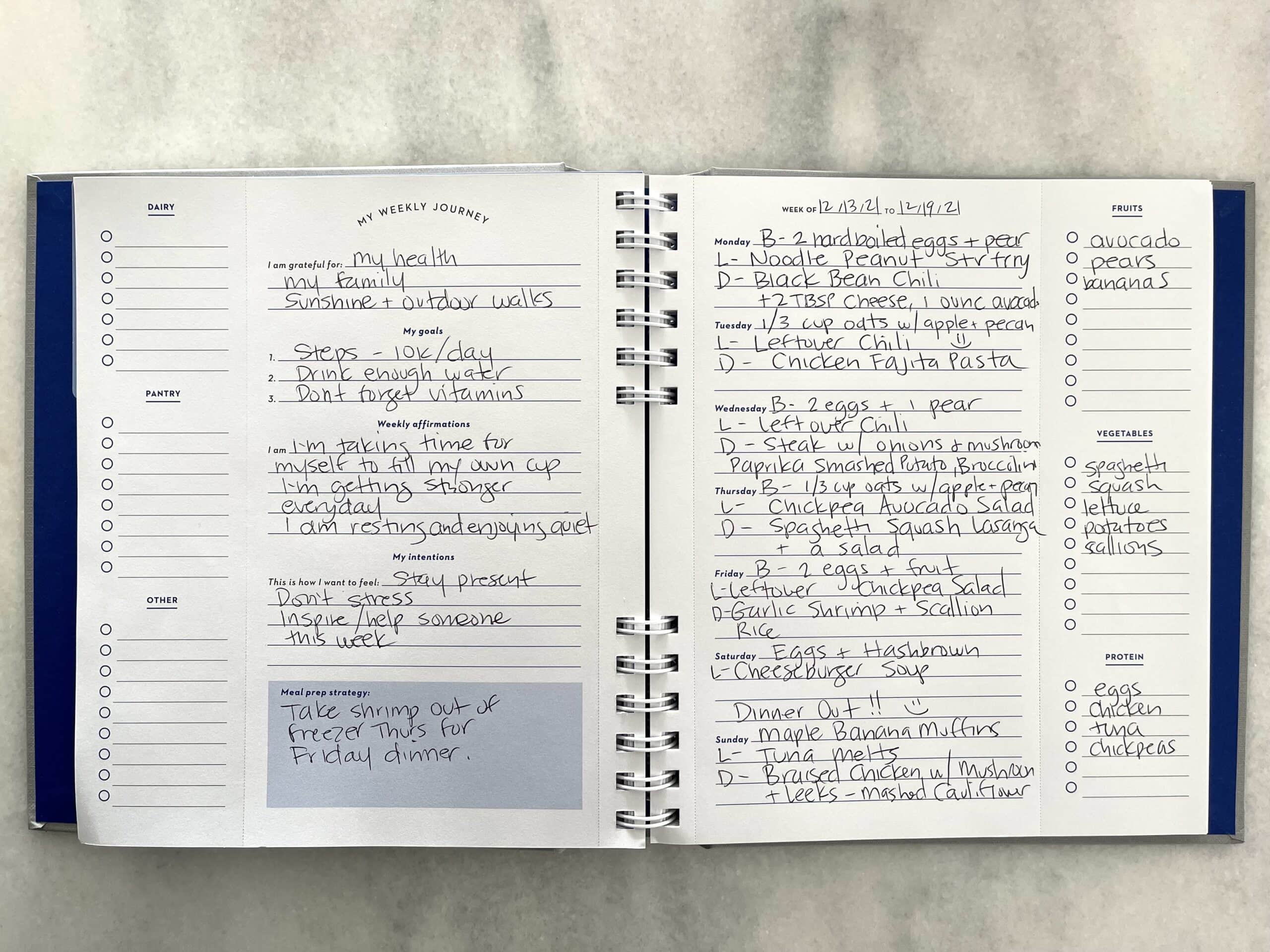
As consumer demand for specialized nutritional content accelerates, publishers continue to expand their product ecosystems, moving beyond static blog posts into physical planning tools, dedicated digital applications, and upcoming specialized cookbook publications. Observers note that the integration of community support networks, such as dedicated peer-to-peer discussion groups on social media platforms, further reinforces behavioral adherence through shared accountability and collaborative culinary experimentation.