The health and fitness industry has undergone a seismic shift since 2017, the year semaglutide, marketed under the brand name Ozempic, first gained widespread attention. What began as a clinical intervention for type 2 diabetes has evolved into a global phenomenon for weight management, fundamentally altering the landscape for personal trainers, nutritionists, and health coaches. As of 2026, data indicates that over 10 percent of the adult population in the United States is utilizing a glucagon-like peptide-1 (GLP-1) receptor agonist. This rapid adoption has transformed the role of the health coach from a primary driver of weight loss to a specialized support professional tasked with managing the complex physiological and behavioral side effects of pharmacological intervention.
The historical trajectory of these medications is marked by an initial skepticism within the fitness community. When GLP-1s first hit the mass market, many professionals feared that the drugs would render traditional coaching obsolete. The prevailing concern was that if a pharmaceutical could induce weight loss, the need for human accountability, nutritional guidance, and exercise programming would evaporate. However, the last decade has proven the opposite: as the prevalence of these medications has risen, so has the demand for nuanced, expert guidance. The modern health coach is no longer competing with the drug; they are now an essential partner in a multidisciplinary approach to metabolic health.
The Evolution of the Coaching Paradigm
The transition from viewing GLP-1s as a competitive threat to an additive tool reflects a maturing industry. While early concerns focused on the bypass of foundational health habits, the current consensus emphasizes that medication is only one piece of the puzzle. According to insights from industry experts like Brian St. Pierre, MS, RD, the primary hurdle today is not the medication itself, but the lack of integrated support for those taking it. The market has shifted from "coaching for weight loss" to "coaching for GLP-1 support," a distinction that identifies a specific, underserved population: those who are medically managing their weight but lack the behavioral framework to sustain their results long-term.
Statistical analysis suggests that this support is critical. Clinical trials have consistently demonstrated that patients who integrate resistance training and high-protein nutrition with GLP-1 therapy experience significantly better outcomes regarding body composition compared to those who rely on the medication alone. Without these interventions, research indicates that up to 40 percent of total weight loss can be attributed to the reduction of lean muscle mass, rather than adipose tissue. This "muscle-loss risk" is a primary area where qualified coaches provide essential oversight, shifting the focus from the scale to functional capacity and metabolic health.
Categorizing the Modern Client Journey
To better serve this growing demographic, health professionals have identified seven distinct client archetypes, each representing a unique stage in the medication journey and a different level of readiness for behavioral coaching.
- The Honeymooner: Often in the initial phase of treatment, these clients experience rapid, "effortless" weight loss. Their readiness for coaching is low because the medication is currently meeting their primary goal. The coaching objective here is to build rapport without the "righting reflex," ensuring that when the initial progress plateaus, the client views the coach as a trusted resource.
- The Ambivalent Candidate: These individuals are at the precipice of beginning treatment. Their hesitation is often rooted in systemic stigma regarding obesity or fear of side effects. Coaches assist by providing data-driven, neutral information, helping the client articulate the drivers of their ambivalence, and guiding them toward productive discussions with their medical providers.
- The Ready-to-Quitter: Facing severe side effects such as nausea or chronic fatigue, these clients are often discouraged. The coaching focus shifts to symptom management through experimental dietary adjustments—such as smaller, more frequent meals—and ensuring they are communicating effectively with their doctors to optimize dosage.
- The Muscle-Loss Risk: This cohort experiences weight loss without the structural protection of strength training. Coaches focus on educating the client on the necessity of protein intake and resistance training to preserve lean mass, often utilizing objective metrics like DEXA scans to highlight the "invisible" changes occurring in their body composition.
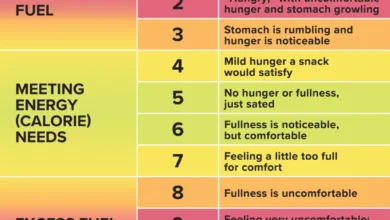
- The Under-Fueler: In some cases, the appetite-suppressing effects of the medication are so potent that the client stops eating sufficient calories. This presents a significant health risk, potentially masking disordered eating patterns. The coaching priority is to establish a structured, nutrient-dense eating schedule to prevent metabolic downregulation and nutrient deficiencies.
- The Graduate: These clients have successfully reached their goals and are choosing to discontinue the medication. The risk of weight regain is high, and the coaching strategy shifts toward long-term habit maintenance. The focus is on ensuring that the behavioral "ruts" formed during the medication period are deep enough to support them once the appetite-suppressing effects subside.
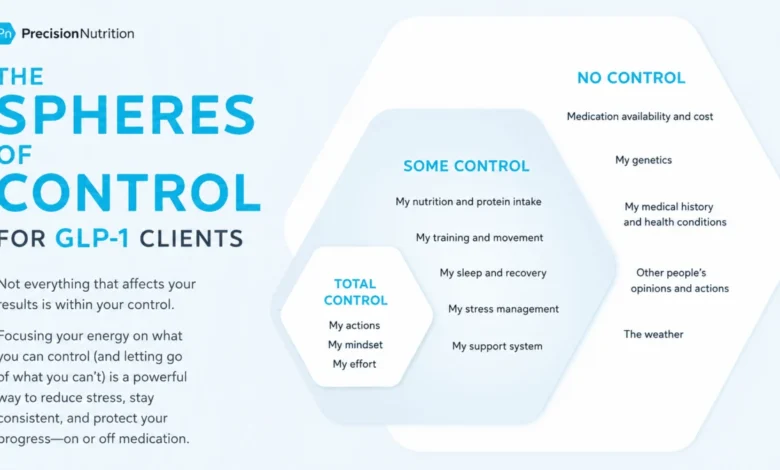
- The Priced-Out: External economic factors, such as changes in insurance coverage, often force these clients to stop treatment prematurely. The coaching approach here is one of empathy and structural support, shifting the focus from the inaccessible medication to the "spheres of control"—prioritizing habits and behaviors that remain within their reach regardless of their financial or medical status.
Clinical Implications and Ethical Boundaries
A critical component of this new coaching landscape is the strict adherence to the scope of practice. Health coaches are not medical practitioners. While they can support a client’s journey, the regulation of dosage, the interpretation of blood panels, and the medical management of severe side effects remain the sole responsibility of licensed physicians.

The role of the coach is to act as the "bridge" between the clinic and daily life. For instance, when a client reports severe nausea, the coach does not diagnose the cause; instead, they facilitate a conversation about how to log symptoms and document food intake so the client can present a clear, actionable picture to their doctor. This collaborative model is rapidly becoming the gold standard in the fitness and wellness industry.
The Broader Economic and Societal Impact
The rise of GLP-1 medications has also prompted a reevaluation of obesity as a chronic, manageable condition. Historically, the fitness industry focused on short-term "transformation" challenges. Today, the focus is shifting toward "chronic management," mirroring the way cardiovascular or metabolic diseases have been treated for decades.
This societal shift has profound implications for the fitness business model. Coaches who specialize in GLP-1 support are finding that their retention rates are higher, as the need for behavioral guidance persists over months and years rather than weeks. As the medication landscape continues to evolve, with new drug iterations and shifting insurance policies, the coach’s role as a stable, knowledgeable, and non-judgmental presence becomes increasingly valuable.
Future Outlook and Professional Development
The industry is currently seeing a surge in specialized certifications, such as those offered by the GLP Coaching Institute, which are designed to provide professionals with the specific science and communication frameworks necessary for this demographic. These programs emphasize that the future of coaching lies in "dynamic responsiveness"—the ability to shift from a focus on exercise intensity to nutritional optimization, and from there to mental health support, depending on the client’s current state within the GLP-1 lifecycle.
Ultimately, the goal for the industry is to move past the binary of "pro-medication" vs. "pro-lifestyle." The reality is that the most successful outcomes are achieved when both are fully integrated. By establishing deep-seated habits—such as consistent resistance training, high-protein nutrition, and stress management—while the medication provides the necessary metabolic window, clients are better positioned to maintain their health improvements for the long term.
As we move further into the decade, the focus remains clear: the success of a client on a GLP-1 medication is not measured by the speed of their weight loss, but by the strength of the habits they build along the way. Coaches who understand this, and who are prepared to meet their clients at every stage of their journey, will be the architects of a new, more sustainable model of health and fitness.