The medical landscape for obstructive sleep apnea (OSA) has long been dominated by mechanical interventions, most notably Continuous Positive Airway Pressure (CPAP) therapy. However, a new, pharmacologic frontier is emerging as Mosanna Therapeutics announces successful Phase 1 results for MOS118, an investigational nasal spray that seeks to treat the condition by restoring the body’s innate physiological responses rather than simply forcing the airway open with pressurized air.
The MOSAIC study, a randomized, double-blind, placebo-controlled clinical trial, successfully demonstrated that MOS118 is both safe and well-tolerated in healthy human subjects. By focusing on the neuromuscular root cause of OSA, this development represents a significant departure from the traditional paradigm of respiratory medicine, offering a potential alternative for patients who find existing treatment options cumbersome or ineffective.
Understanding the Physiological Mechanism of MOS118
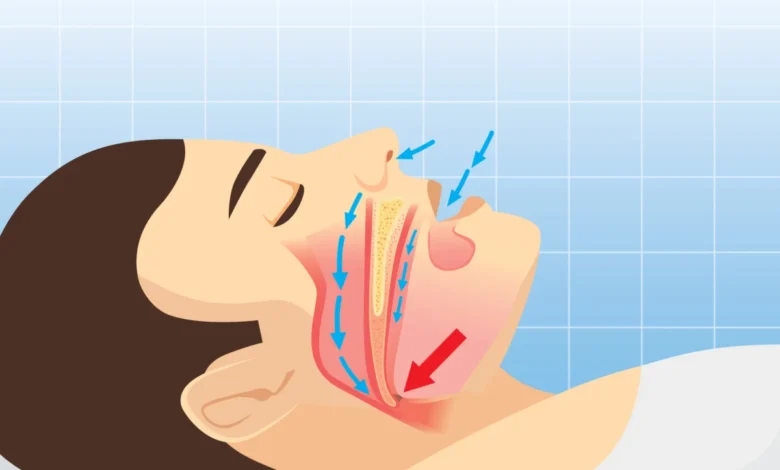
Obstructive sleep apnea is characterized by the repeated collapse of the upper airway during sleep, leading to oxygen desaturation and fragmented rest. While structural anatomy—such as the size of the tonsils or the shape of the soft palate—is often blamed, research increasingly points to a failure in the neuromuscular control of the pharyngeal dilator muscles.
In a healthy individual, the body utilizes the "negative pressure reflex." When a person inhales, pressure-sensing nerves in the upper airway detect the negative pressure generated by the lungs. These nerves transmit a signal to the brain, which in turn triggers the activation of the dilator muscles to keep the airway patent. In OSA patients, this reflex is notoriously sluggish or desensitized during sleep.
MOS118 is designed to function as a pharmacological bridge. As a small-molecule pan-potassium channel inhibitor, the drug is formulated as a microparticle suspension intended for intranasal delivery before bedtime. By sensitizing the sensory nerve endings within the upper airway, the medication amplifies the natural reflex arc. The goal is to "wake up" the dilator muscles and ensure they remain active throughout the sleep cycle, effectively preventing the collapse that leads to apnea events. Crucially, the local administration is intended to ensure the drug remains within the nasal and upper-pharyngeal tissues, minimizing systemic absorption and the potential for side effects elsewhere in the body.
The MOSAIC Study: Clinical Methodology and Results
The MOSAIC trial was structured to prioritize rigorous safety and pharmacokinetic data collection. Enrolling 32 healthy adult volunteers, the study utilized a sequential dose-escalation design, which included both single-ascending-dose (SAD) and multiple-ascending-dose (MAD) cohorts. This structure is standard in early-stage pharmaceutical development, allowing researchers to observe how the human body processes the drug at varying concentrations before advancing to therapeutic efficacy studies.
Safety protocols during the trial were comprehensive. Researchers utilized continuous 12-lead electrocardiogram (ECG) telemetry to monitor for cardiac activity, paired with real-time pharmacokinetic sampling to track how the drug moved through the bloodstream. Furthermore, clinicians performed detailed nasal examinations to ensure that the microparticle suspension did not cause irritation, inflammation, or damage to the delicate mucosal tissues of the nose and throat.
According to the data released by Mosanna Therapeutics, the study reached its primary endpoints. There were no serious adverse events reported across all four cohorts, and the drug’s profile suggests that it can be safely administered to humans without significant systemic impact.
Contextualizing the Need for Novel OSA Therapies
The urgency for new OSA treatments is underscored by the current limitations of the standard of care. Despite its high efficacy, CPAP therapy suffers from notoriously low long-term adherence rates. Studies have frequently indicated that between 30% and 50% of patients fail to use their CPAP machines for the recommended duration, often citing discomfort, mask leakage, noise, or the social stigma associated with the equipment.
Alternative treatments, such as oral appliances that reposition the jaw, are often less effective for patients with severe OSA. Hypoglossal nerve stimulation, a surgical alternative, is invasive and expensive, limiting its accessibility to a specific subset of the patient population.
If successful in further trials, MOS118 would be the first of its kind: a non-invasive, pharmacologic treatment that is as simple to use as an over-the-counter nasal spray. By fitting into a patient’s existing nightly hygiene routine, the therapy addresses the "adherence gap" that has plagued sleep medicine for decades.
Timeline and Future Clinical Development
The successful completion of the Phase 1 MOSAIC study marks the transition from basic safety validation to therapeutic investigation. Mosanna Therapeutics has confirmed that it is now moving forward with a Phase 2 trial. This next phase will involve 24 patients who have been clinically diagnosed with obstructive sleep apnea.
The focus of this upcoming study will be to evaluate the safety and tolerability of the drug when administered nightly over a seven-day period. While the healthy volunteer study confirmed the drug’s safety profile, the seven-day patient study will provide the first indication of how the drug interacts with the altered physiology of someone suffering from chronic OSA.
The clinical program is being conducted in the United States under an Investigational New Drug (IND) application cleared by the Food and Drug Administration (FDA). This regulatory clearance provides the necessary framework for the company to eventually seek approval for broader clinical use.
Broader Implications and Industry Analysis
The development of MOS118 occurs amidst a broader industry trend toward "precision sleep medicine." For years, the sleep apnea market was stagnant, relying almost exclusively on pneumatic splinting (CPAP). However, recent advancements in biotechnology have allowed for a more granular understanding of the neurological and muscular deficits that cause sleep-disordered breathing.
From a market perspective, the success of a pharmacological agent for OSA would be disruptive. The global sleep apnea market is valued in the billions, and the introduction of a drug that could replace or supplement CPAP therapy would likely attract significant interest from both the medical community and major pharmaceutical entities.
However, challenges remain. The primary hurdle for any new OSA drug is demonstrating long-term durability and sustained efficacy across diverse patient phenotypes. Because OSA is a heterogeneous condition—caused by a variety of anatomical and neurological factors—a "one-size-fits-all" drug may not work for every patient. Furthermore, the FDA typically requires robust evidence that a new therapy not only improves breathing metrics (such as the Apnea-Hypopnea Index) but also translates into meaningful patient-reported outcomes, such as reduced daytime sleepiness and improved quality of life.
The Path Forward
David A. Weber, PhD, CEO of Mosanna Therapeutics, has framed the success of the MOSAIC study as a critical milestone. By demonstrating that the drug is both safe and capable of interacting with the intended physiological targets, the company has cleared the most significant initial hurdle in drug development.
"With these results, we can now proceed to evaluate MOS118 in the patients it is intended to treat, testing a distinct pharmacologic approach to obstructive sleep apnea," Weber noted in a recent press statement. "MOS118 is designed to restore the body’s natural reflex for maintaining an open airway during sleep with a simple, locally acting nasal spray. We believe this approach has the potential to offer patients an easy-to-use treatment that fits into their nightly routine."
As the medical community looks toward the results of the upcoming seven-day trial, the focus will be on whether the pharmacological sensitization of the upper airway translates into a measurable reduction in apnea events. If the data holds, the transition from mechanical air pumps to targeted nerve sensitization could redefine the standard of care, offering millions of patients a quieter, more convenient, and more natural way to ensure a restorative night’s sleep. The results of the upcoming Phase 2 study are expected to be a bellwether for the future of pharmacologic sleep apnea treatment.
Related posts: