Daily Vitamin K2 Supplementation Shows Promise in Slowing Coronary Artery Calcification Rates

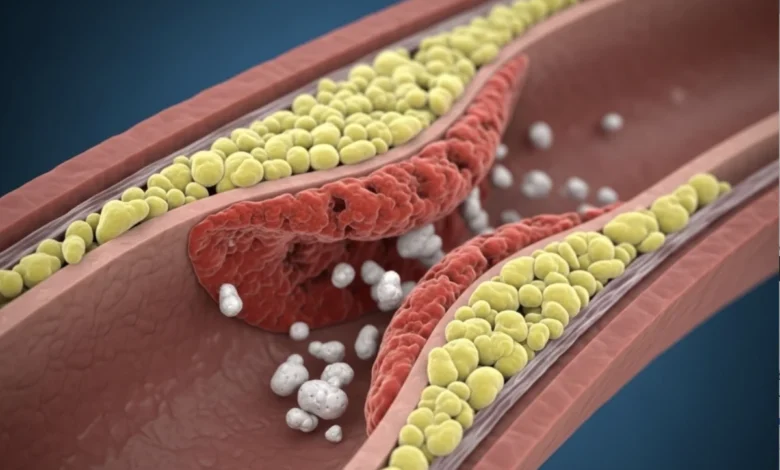
Recent findings published in JAMA Cardiology have shed new light on the potential management of atherosclerotic cardiovascular disease, pointing to a widely available nutritional supplement as a potential adjunct therapy. According to a rigorous two-year clinical trial conducted by researchers at the Maastricht University Medical Center in the Netherlands, daily supplementation with 360 micrograms of menaquinone-7 (MK-7)—a specific, highly bioavailable form of vitamin K2—significantly slowed the progression of coronary artery calcification (CAC) in a high-risk patient cohort.
While the intervention did not halt or reverse existing arterial hardening, the observed deceleration in calcium accumulation offers a glimmer of hope in a medical landscape that currently lacks targeted, effective pharmacological treatments specifically designed to reverse or slow vascular calcification. Given that cardiovascular disease remains the leading cause of mortality globally, identifying safe, affordable, and accessible interventions to mitigate plaque progression is of paramount importance to the medical community.
Patient Demographics and Study Design
The clinical trial enrolled 180 participants, all of whom were classified as being at an elevated risk for myocardial infarction. At baseline, every patient exhibited confirmed atherosclerotic cardiovascular disease, with baseline coronary artery calcification scores ranging between 50 and 400 Agatston units (AU), as measured by advanced 128-slice multiple-detector computed tomography (CT) scans.
The study cohort reflected a realistic cross-section of modern cardiology patients. At the outset of the trial, 78% of the participants were actively taking statin medications—a class of drugs widely prescribed to manage cholesterol and reduce cardiovascular events, though paradoxically associated with the promotion of stable, calcified plaques and subsequent increases in CAC scores. Furthermore, between 67% and 74% of the cohort consisted of current or former smokers, a demographic historically vulnerable to accelerated CAC progression compared to lifelong non-smokers.
In addition to statins and smoking history, a substantial portion of the participants managed concurrent medical conditions: roughly two-thirds had a documented diagnosis of hypertension and were regularly prescribed pharmacological interventions such as angiotensin-converting enzyme (ACE) inhibitors, beta-blockers, calcium channel blockers, and diuretics.
The 180 men and women were randomized into two equal parallel groups through a double-blind protocol. One group received once-daily oral tablets containing 360 micrograms of MK-7—specifically the MenaQ7 ingredient manufactured by Gnosis by Lesaffre—while the control group received identical placebo tablets matching the active treatment in size, shape, color, and packaging. The dosage selection of 360 micrograms was informed by preliminary data and pharmacokinetic observations derived from earlier human trials.
Chronology and Evaluation Metrics
Throughout the duration of the two-year study, the researchers established a strict chronological evaluation framework. Patients were systematically assessed at baseline, 6 months, 12 months, and the final 24-month mark. At these intervals, clinical teams drew blood samples to monitor serum vitamin K status and administered repeated CT scans to quantify changes in coronary artery calcification.
Compliance with the daily regimen was closely monitored, with researchers estimating full adherence to the MK-7 intervention to be approximately 80% over the full course of the 24 months. Biochemical verification confirmed the efficacy of the supplementation: among participants taking the active MK-7 tablets, plasma levels rose dramatically from a median baseline of 0.5 micrograms per liter to 6.56 micrograms per liter by the end of the second year. Conversely, MK-7 plasma levels in the placebo group remained essentially flat near zero.
Quantifying the Results: Modest Yet Meaningful Progression
When evaluating the primary endpoints, the data revealed that daily MK-7 supplementation did not entirely avert the progression of coronary artery calcification. Agatston scores continued an upward trajectory across both trial cohorts over the two-year timeline. However, the velocity of this pathological acceleration was markedly lower among those receiving the active vitamin K2 intervention.
Within the placebo group, the median CAC score advanced from an initial baseline of 145 AU (with a range of 99 to 217) to 173 AU after the first year, eventually climbing to 214 AU by the conclusion of the study at month 24. In stark contrast, participants in the MK-7 supplementation group started with a median score of 135 AU (range 89 to 226), which rose to 150 AU at year one and reached 184 AU by year two.
Utilizing generalized estimating equations (GEE) to analyze the longitudinal trajectory of the data, the research team calculated that patients taking MK-7 experienced a 29% lower CAC progression over the two-year period based on Agatston scores, alongside a 42% reduction in the progression of arterial calcium mass compared to the placebo cohort. In practical terms, the yearly increase in Agatston scores was attenuated by an average of 19 AU among the MK-7 subjects.

Lead investigator Dr. Liv M. Vossen and her colleagues summarized the implications of these findings, noting that the trial demonstrates the capability of MK-7 supplementation to meaningfully mitigate the formation of new coronary artery calcification in individuals living with mild coronary disease. The research team emphasized the clinical relevance of this discovery, pointing out that vitamin K2 represents an inexpensive, exceptionally safe, and readily available over-the-counter product.
Mechanistic Insights: Plaque Composition and Arterial Elasticity
To understand why vitamin K2 influences vascular health, scientists examine the biochemical pathways governing calcium metabolism in soft tissues. Vitamin K serves as an essential enzymatic cofactor for gamma-glutamyl carboxylase, the enzyme responsible for activating matrix Gla protein (MGP). In its active, carboxylated state, MGP acts as a potent, natural inhibitor of calcification in arterial walls. When vitamin K status is suboptimal—or when vitamin K antagonists are introduced—unactivated MGP accumulates, significantly accelerating arterial stiffening and calcification.
Prior foundational work led by Dr. Leon Schurgers, chair of the Department of Biochemistry at the Cardiovascular Research Institute Maastricht (CARIM) and a co-investigator on the Vossen trial, established that targeted supplementation with MK-7 directly improves vitamin K-dependent MGP activation. This biochemical restoration subsequently reduces arterial stiffness and enhances vascular elasticity. These findings align with earlier placebo-controlled data involving peri- and post-menopausal cohorts, wherein improved arterial elasticity following MK-7 intake translated into clinically significant reductions in blood pressure.
Despite these encouraging physiological mechanisms, the Maastricht trial team exercised scientific caution regarding structural changes within the coronary arteries. While MK-7 supplementation appeared to slightly curb increases in stenosis severity—noting that 41% of placebo patients experienced worsening stenosis compared to 33% of the MK-7 group—this specific variance did not reach traditional thresholds for statistical significance.
Furthermore, detailed sub-analysis revealed that the observed increases in CAC scores primarily correlated with the conversion of previously non-calcified plaques into partially calcified lesions. Based on this observation, the researchers hypothesized that MK-7 primarily exerts its protective influence by slowing down the calcification process within newly developing, vulnerable plaques, while having a negligible impact on lesions that have already undergone extensive, mature calcification.
Industry Reactions and Expert Perspectives
The nutraceutical and medical research communities have responded to the publication with guarded optimism. Dr. Hogne Vik, a medical and scientific advisor at Gnosis by Lesaffre—the enterprise that supplied the MenaQ7 ingredient utilized in the study—described the trial outcomes as remarkable, reiterating the acute scarcity of existing pharmacological interventions capable of addressing the complex pathology of vascular calcification.
At the same time, the study authors and independent cardiologists have underscored the necessity of balanced interpretation. While the statistical attenuation of calcium accumulation is scientifically compelling, the trial was not powered or structured to determine whether a two-year course of MK-7 directly translates into a reduction in hard clinical endpoints, such as fatal and non-fatal myocardial infarctions, strokes, or overall cardiovascular mortality.
Furthermore, researchers note that the presence of confounding variables—such as the widespread concurrent use of statins, which independently alter plaque morphology and calcium density—necessitates further investigation. Because statins are known to promote the calcification of soft, unstable plaques into safer, highly calcified structural formations (a process often viewed by clinicians as stabilizing), parsing the precise, isolated contributions of vitamin K2 in a heavily medicated patient population remains a complex epidemiological challenge.
Broader Implications and Future Horizons
The publication of the Maastricht University trial in JAMA Cardiology marks a significant step forward in nutritional cardiology. It provides high-grade, randomized, placebo-controlled clinical data validating biochemical hypotheses that have circulated within academic circles for decades.
As cardiovascular researchers look toward the horizon, future investigations will likely focus on extended-duration trials designed to track hard clinical events over five to ten years. These upcoming studies will need to determine whether the modest, yet statistically robust, slowing of coronary artery calcification observed with daily MK-7 intake can ultimately lower the incidence of cardiovascular events in broader, diverse patient populations.
In the interim, clinicians and patients navigating the management of early-stage atherosclerotic disease possess a new data point regarding adjunctive self-care. While vitamin K2 cannot replace standard-of-care medical therapies, lifestyle modifications, and pharmacological interventions prescribed by cardiologists, its demonstrated safety profile, low cost, and proven ability to engage vascular protective proteins render it a compelling subject of ongoing clinical interest and personalized preventive medicine.