Blackberry Cobbler: A Seasonal Culinary Staple and the Evolution of Gluten-Free Baking

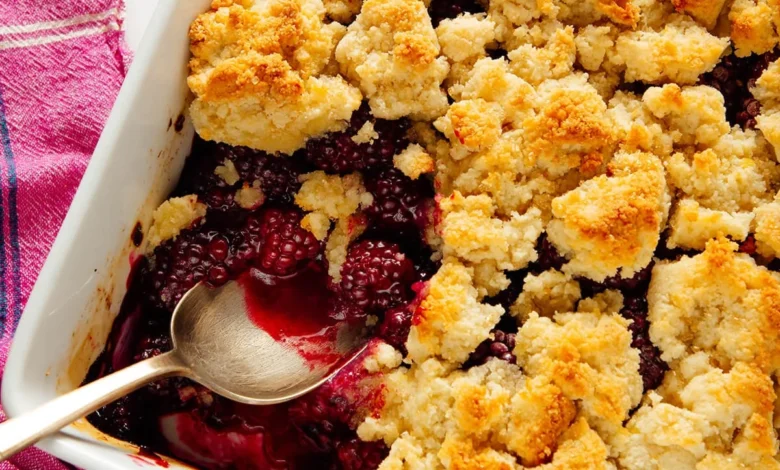
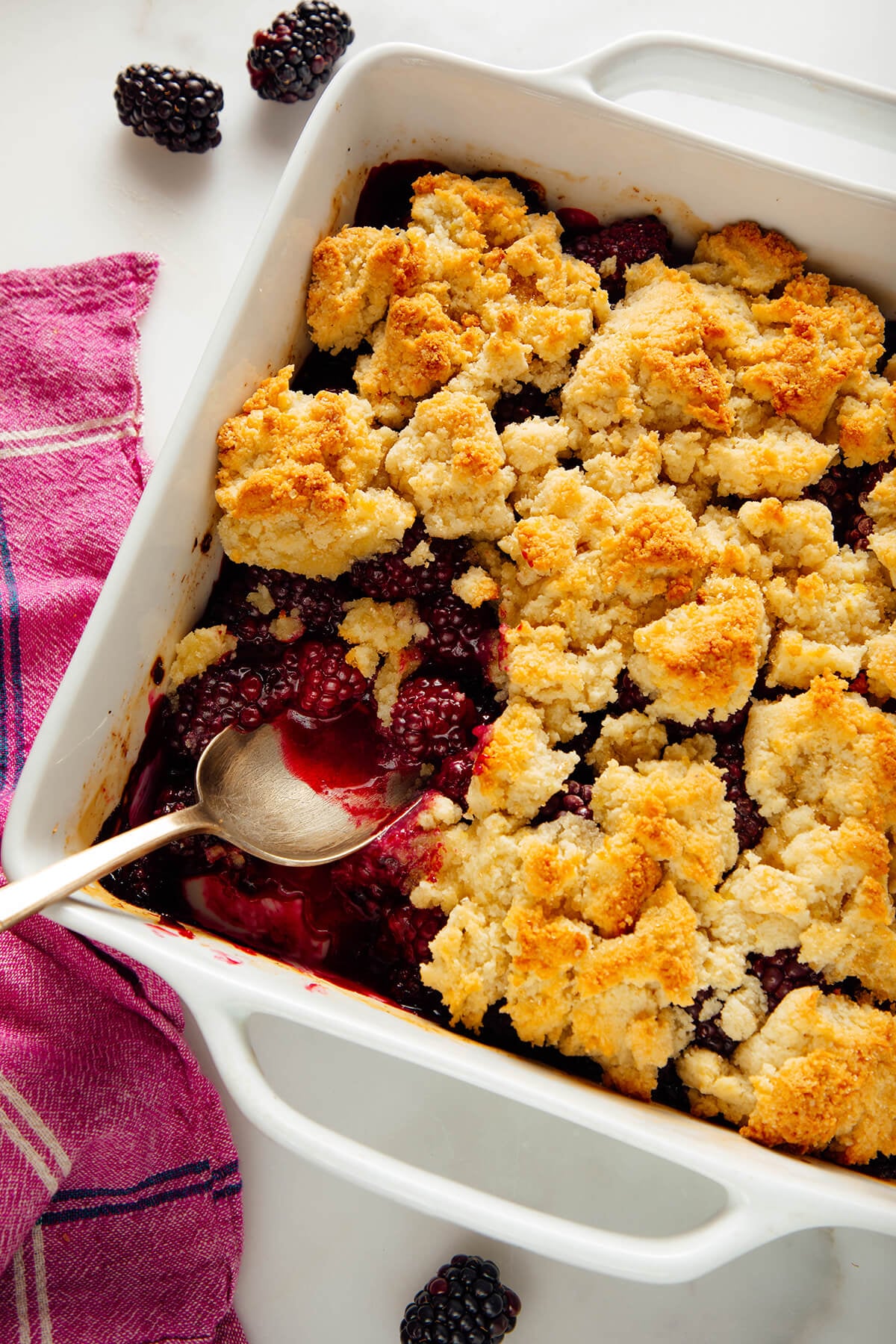
The preparation of a classic blackberry cobbler serves as a quintessential example of seasonal cooking, blending traditional baking techniques with modern dietary modifications. As summer harvests reach their peak, home cooks and professional bakers alike turn to this dessert, which relies on the chemical transformation of fresh, jammy blackberries paired with a crisp, scone-like topping. While the dish has historical roots dating back to early American settlers, recent culinary trends have shifted toward gluten-free alternatives, utilizing nutrient-dense ingredients such as almond flour to accommodate evolving dietary requirements.
The Science of Seasonal Baking
The culinary appeal of the blackberry cobbler lies in the specific interaction between heat and fruit. When blackberries are subjected to oven temperatures, a phenomenon known as pectin release occurs. Pectin is a natural structural polysaccharide found in the cell walls of the fruit. As the cell walls break down under heat, the fruit releases its natural sugars and acids, creating a thickened, "jammy" consistency that is distinct from the textures achieved with other stone fruits or orchard berries.
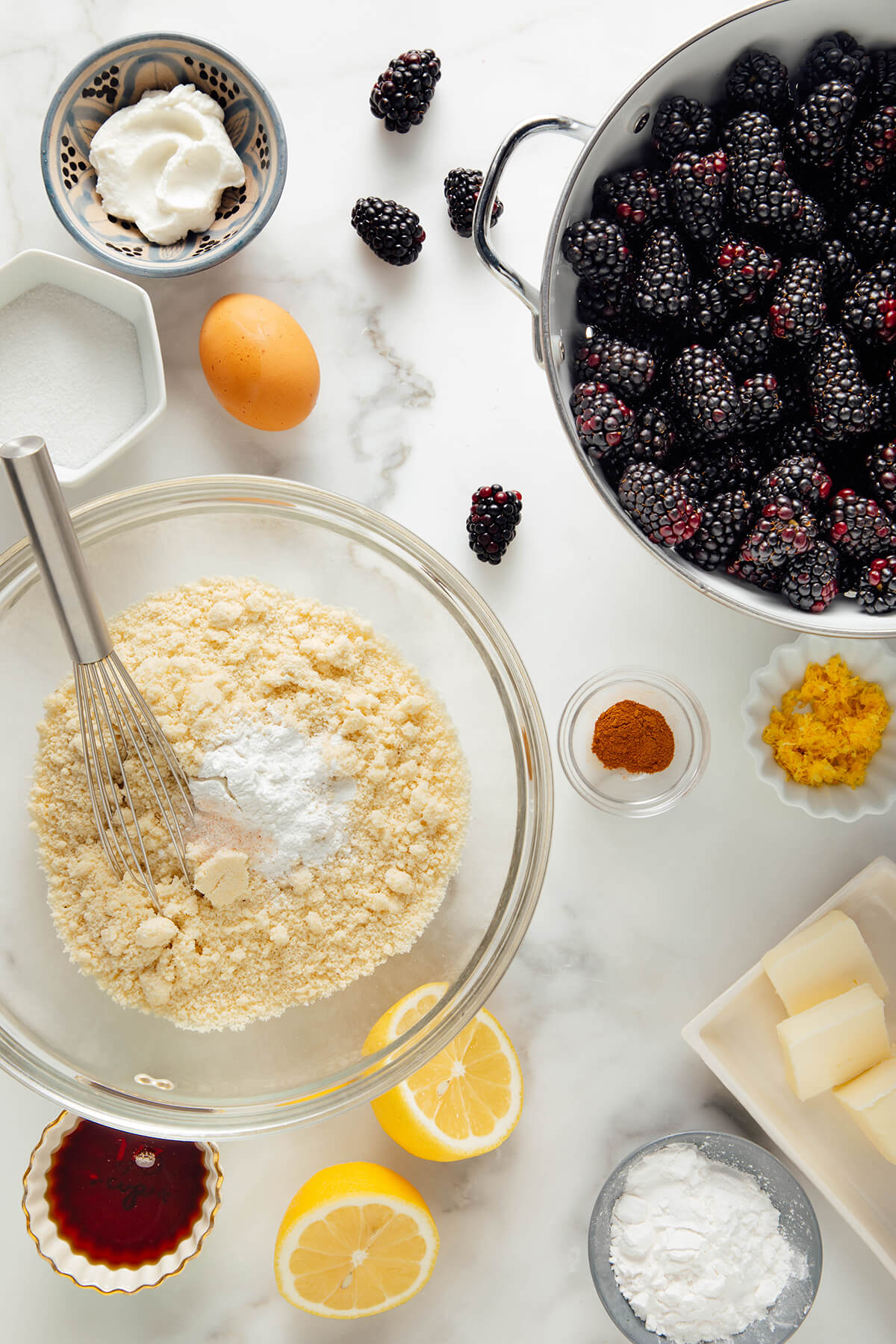
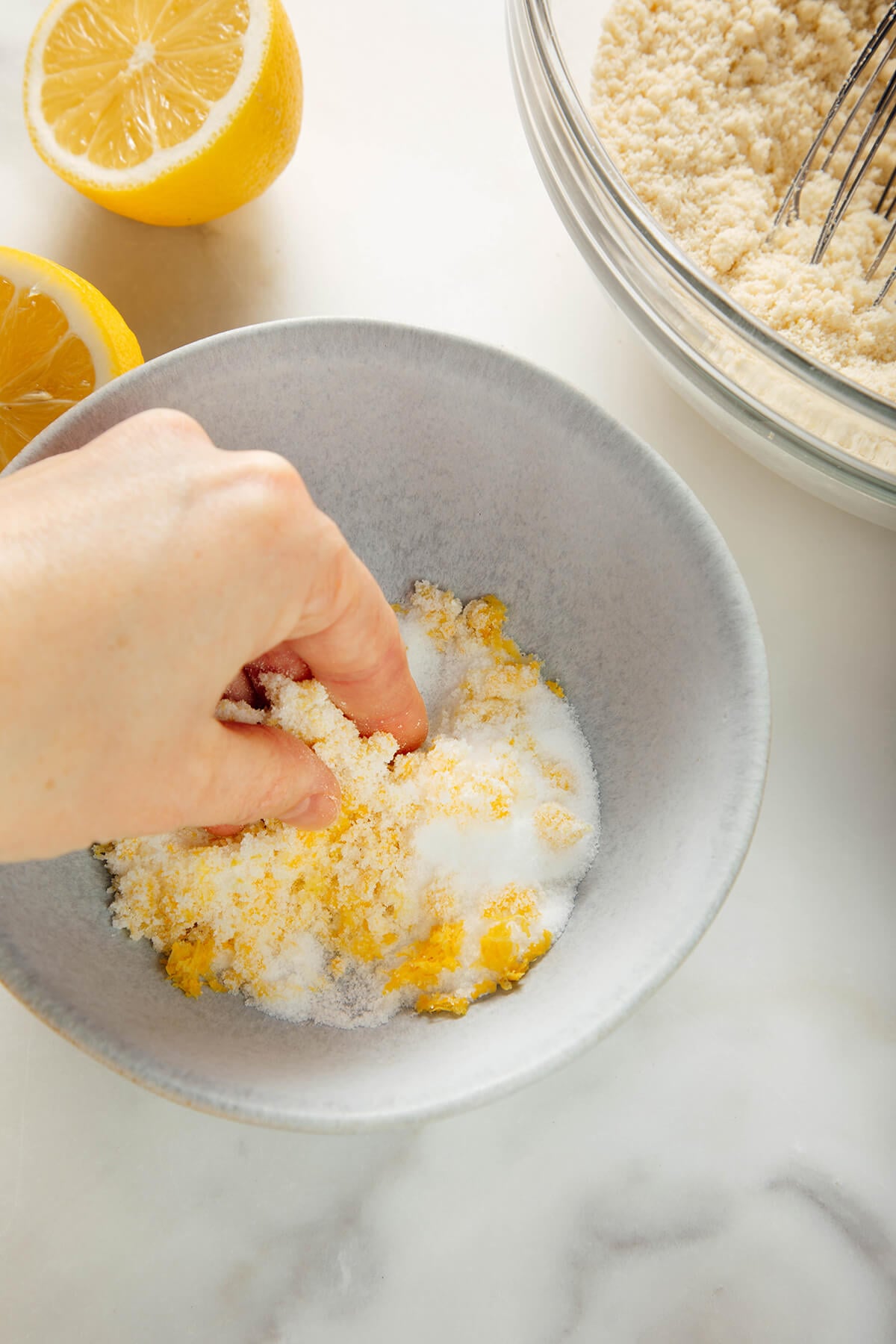
Culinary experts note that baking enhances the subtle floral undertones of the blackberry, a characteristic often masked when the fruit is consumed raw. The addition of complementary aromatics—such as lemon zest to brighten the acidity, a pinch of cinnamon for warmth, and cultured dairy like Greek yogurt for a tangy structural binding—serves to elevate the flavor profile of the base.
Chronology and Preparation Methodology
The construction of a high-quality cobbler requires a precise, two-stage thermal approach to ensure the topping achieves a golden, crust-like texture without the underlying fruit becoming overly reduced or scorched.
- The Preparation Phase: The process begins with the maceration of fresh blackberries, typically combined with sweeteners such as maple syrup or granulated sugar. This stage allows for the osmotic pressure to draw out the fruit’s juices, which will eventually thicken into a syrup.
- The Initial Thermal Application: The fruit is placed in a baker and subjected to initial heat. This step is critical for ensuring the berries reach a state of uniform breakdown.
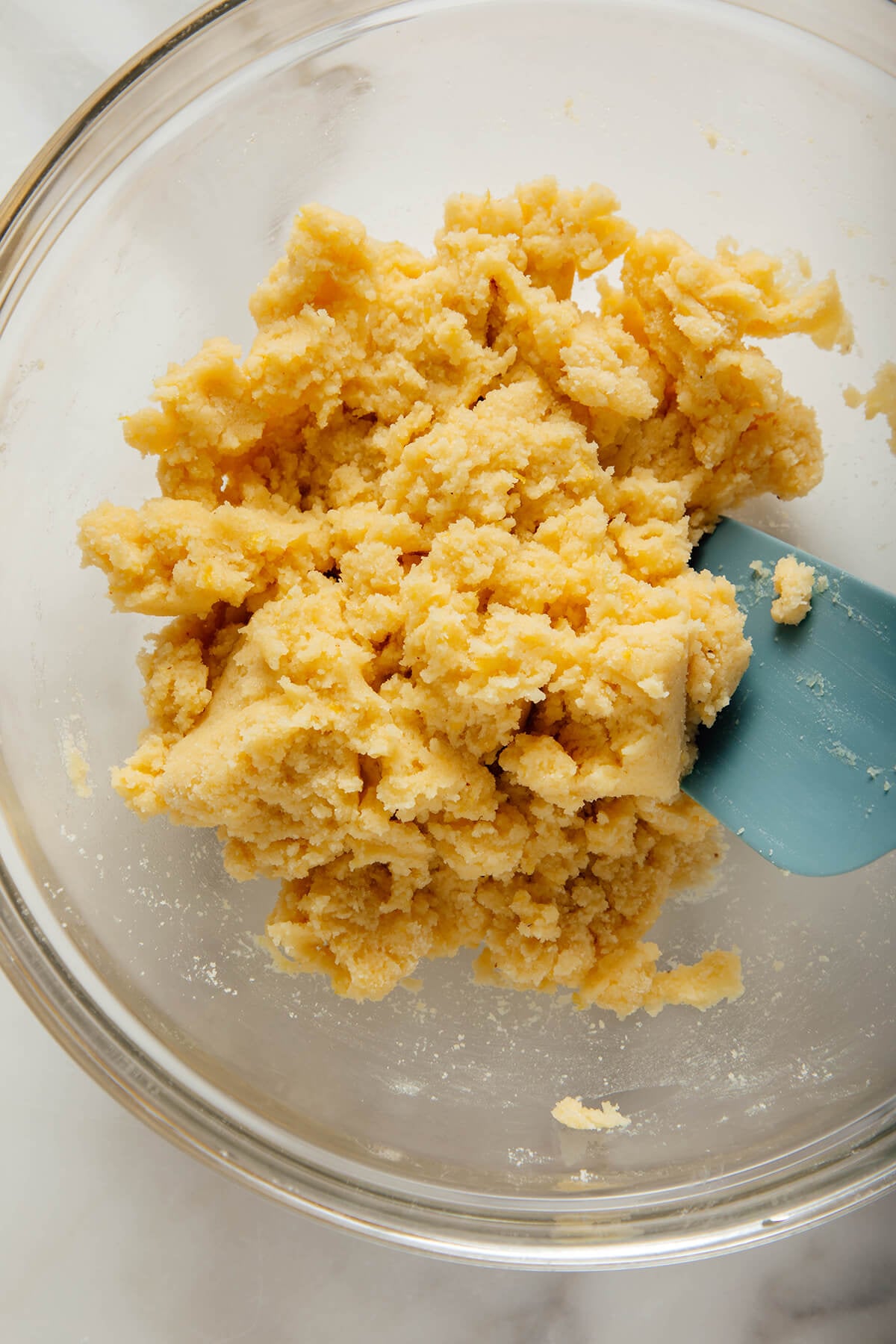
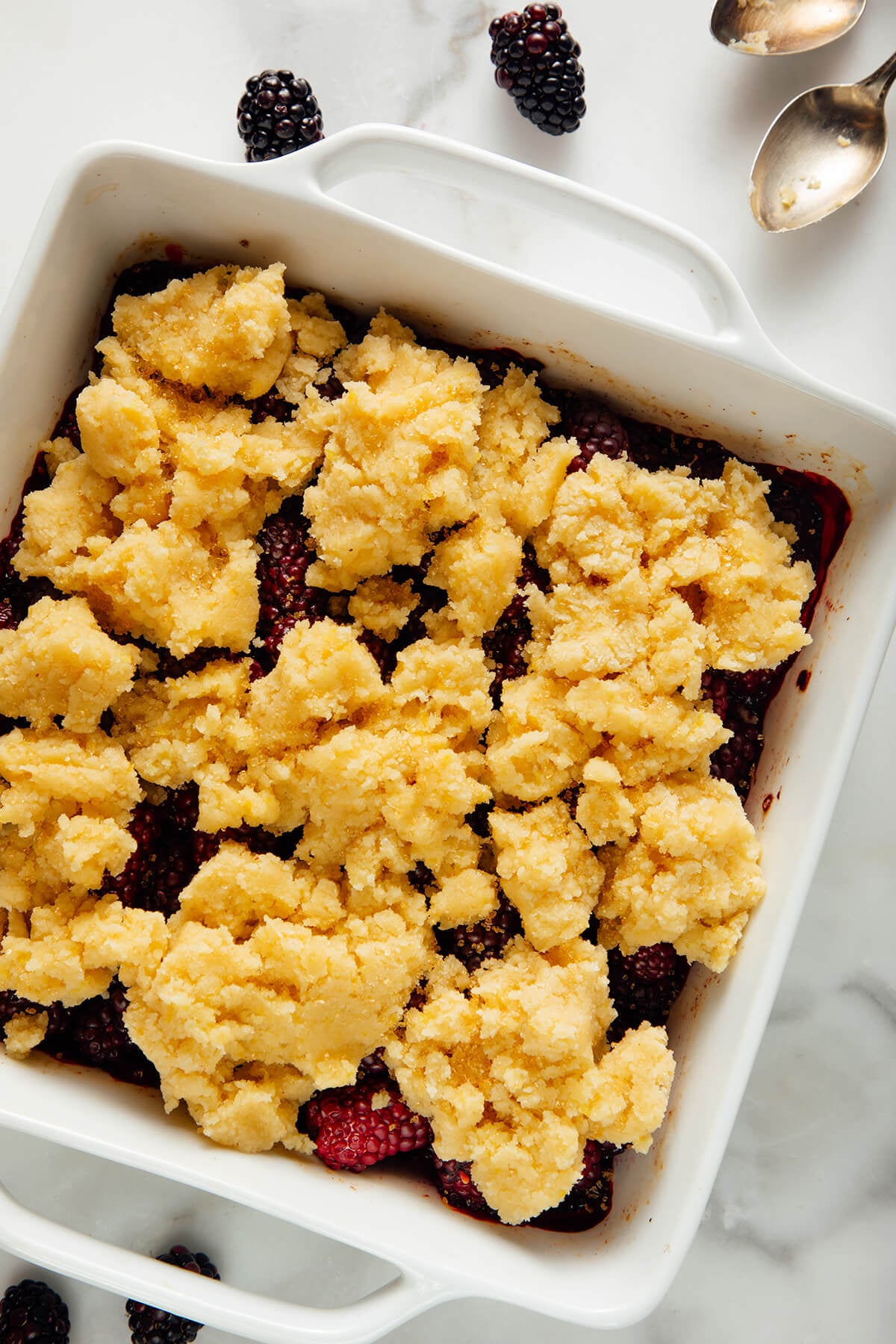
- The Topping Integration: The topping—a mixture of almond flour, leavening agents, and fats—is added in the latter stages of the baking process. Because almond flour lacks the elasticity of wheat-based gluten, it produces a tender, crumbly crust that mimics the texture of a traditional scone while remaining accessible to those with celiac disease or non-celiac gluten sensitivity.
Supporting Data: The Rise of Alternative Flours
The shift toward almond flour in dessert preparation is supported by broader consumer data indicating a significant increase in the demand for gluten-free and grain-free baking supplies. According to market research in the culinary sector, the global gluten-free market is projected to continue expanding at a steady compound annual growth rate. Almond flour, specifically, has gained traction due to its high protein content and healthy fat profile, which provides a satiating quality that traditional all-purpose flour lacks.
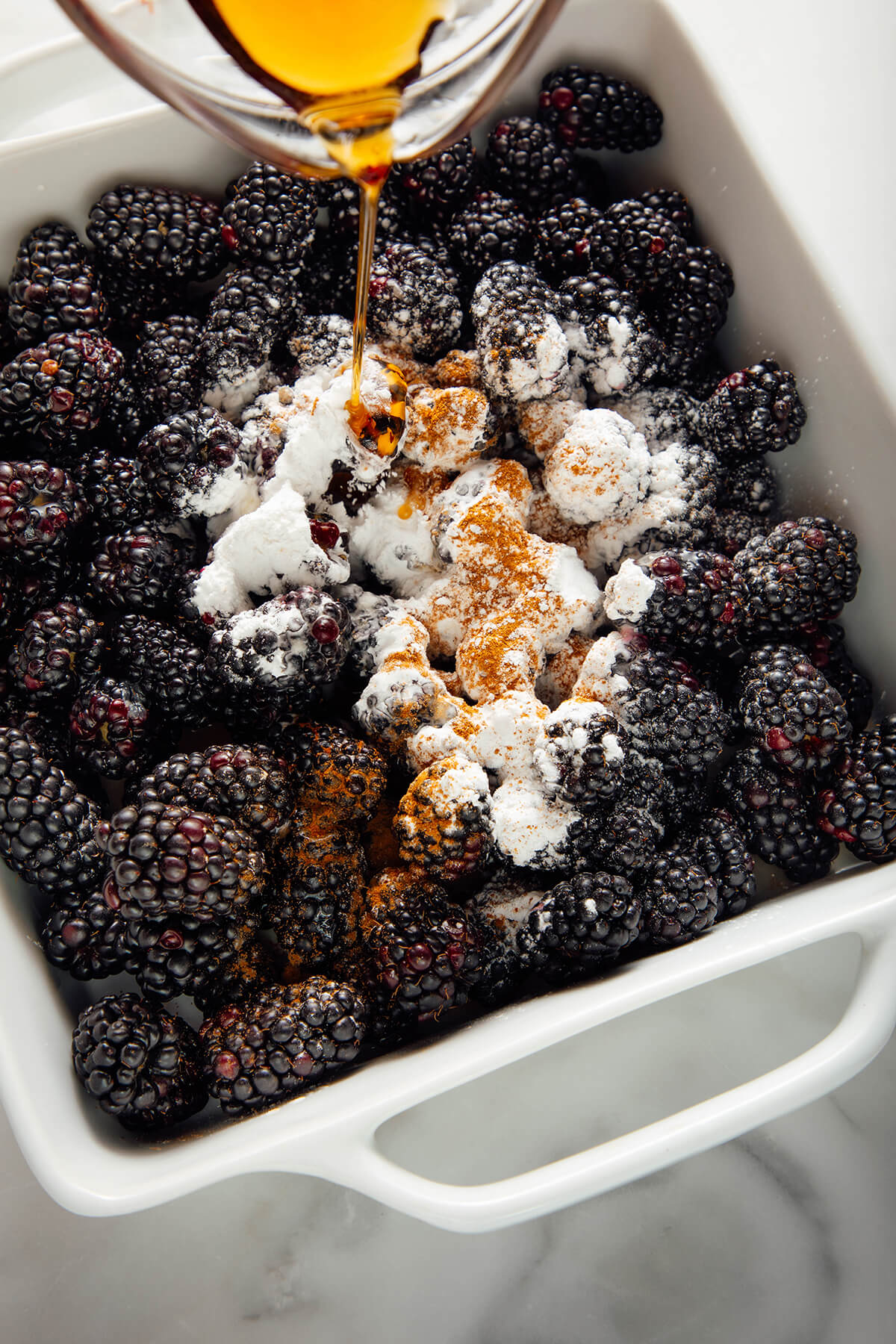
Beyond nutrition, the functional properties of almond flour make it a preferred choice for home bakers. Unlike wheat flour, which requires careful handling to avoid over-mixing and the subsequent development of tough gluten strands, almond flour is forgiving. It does not require kneading and provides a natural, nutty sweetness that pairs effectively with the tartness of dark berries.
Expert Perspectives and Culinary Techniques
Kathryne Taylor, a noted culinary author, emphasizes that the success of a cobbler often depends on the quality of the primary ingredients. When fresh berries are unavailable, the use of frozen, high-quality fruit is a viable, and often preferred, alternative. However, the technique for incorporating frozen fruit differs from that of fresh produce.
"To prevent a watery, thin consistency, frozen berries should be defrosted gradually," experts advise. This allows for the controlled release of moisture. If time is a constraint, a slow, temperature-controlled defrost in the oven while it preheats can help maintain the structural integrity of the berries before the final baking stage. The goal is to ensure the fruit reaches a state of being "cool to the touch" but fully thawed, preventing the dilution of the syrup.
Broader Culinary Implications
The blackberry cobbler represents a microcosm of the "farm-to-table" movement, which prioritizes the use of seasonal, whole-food ingredients. By reducing the reliance on highly processed, bleached wheat flours and refined sugars, recipes like this reflect a broader societal shift toward intentional eating.
Furthermore, the adaptability of the cobbler format—which can be easily transitioned from peaches in the mid-summer to blueberries or blackberries in the late summer—highlights the versatility of fruit-based desserts. This adaptability ensures that the recipe remains relevant across various agricultural cycles, making it a staple for Independence Day gatherings and autumn dessert menus alike.
Impact on Home Economics and Dietary Accessibility
The democratization of these techniques, often shared through digital platforms, has empowered home cooks to experiment with complex dietary needs without sacrificing flavor. By providing clear, step-by-step instructions and technical notes—such as the recommendation for specific "super-fine" almond flour brands—culinary creators reduce the barrier to entry for novice bakers.
The economic implications are also noteworthy. As the cost of premium grocery items fluctuates, the ability to utilize simple, staple ingredients like nuts and seasonal fruit encourages a more sustainable and cost-effective approach to dessert preparation. When compared to the cost of pre-packaged, allergen-friendly baked goods, which are often priced at a premium, the DIY approach to gluten-free baking provides both a financial and nutritional advantage.
Conclusion
As the culinary landscape continues to evolve, the blackberry cobbler remains a testament to the enduring appeal of simple, fruit-forward desserts. Through the careful balance of acidity, sweetness, and textural contrast, this dish offers a refined experience that honors the natural quality of the fruit. Whether served warm with a side of cream or enjoyed as a standalone treat, its popularity is a direct result of the thoughtful application of basic baking principles and the smart integration of modern, grain-free alternatives. As more consumers prioritize gut health and nutrient density, it is likely that the use of almond-based toppings will continue to define the next generation of classic American desserts.