The Evolving Dynamics of the Sandwich Generation: How Navigating Elder Care Reframes Parental Approaches and Fosters Empathy

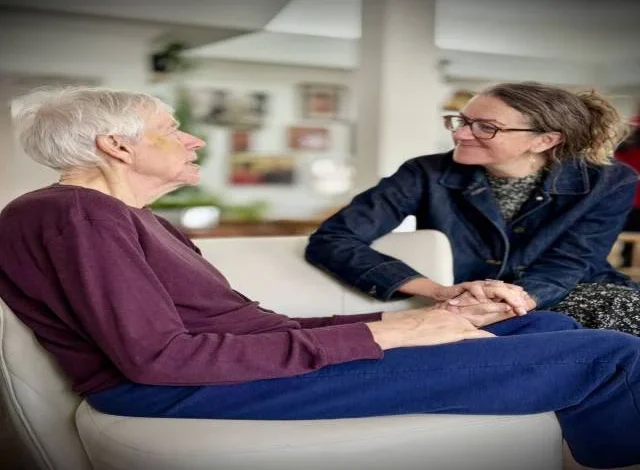
The phenomenon of the "sandwich generation"—adults simultaneously caring for aging parents and their own children—is rapidly becoming a defining characteristic of modern family life. While often perceived as a profound challenge due to its inherent demands on time, finances, and emotional resources, this complex caregiving role is increasingly revealing unexpected positive outcomes, particularly in how it shapes and enriches an individual’s parenting philosophy. Far from being solely a burden, the intricate dance of multi-generational care can cultivate a deeper sense of presence, empathy, and resilience, fundamentally altering a parent’s approach to raising their children.
Demographic shifts worldwide are accelerating the growth of this caregiving demographic. According to the Pew Research Center, roughly one in four U.S. adults in their 40s and 50s provides financial support to both an aging parent and a child. This figure is projected to rise significantly, with all members of the Baby Boomer generation expected to be over 65 by 2030, increasing the pool of individuals requiring elder care. This demographic reality, coupled with people having children later in life, means more families are finding themselves navigating the dual responsibilities of child-rearing and elder care. The sheer scale of this societal shift underscores the importance of understanding not only its challenges but also its unforeseen benefits.
The daily realities of sandwich generation caregiving are undeniably demanding. Tasks can range from coordinating complex medical appointments for an elderly parent with dementia, managing prescriptions, and navigating the complexities of elder housing options, to simultaneously attending to the developmental needs, school schedules, and emotional well-being of young children. This constant juggling act can lead to increased stress, financial strain, and a sense of being perpetually stretched thin. However, many individuals in this situation report that the experience has forced a re-evaluation of priorities and an adoption of new perspectives that ultimately make them more effective and emotionally attuned parents.
Redefining Communication: The Power of Presence Over Volume
One of the most profound shifts reported by caregivers is a re-evaluation of communication, particularly the understanding that presence often outweighs the sheer volume of words. Early childhood development theories often highlight the importance of language exposure for infants and toddlers, leading many parents to believe that constant verbal interaction is paramount. While crucial in foundational years, this perspective can evolve when confronted with the realities of caring for an elder experiencing cognitive decline, such as dementia.
As individuals lose their ability to articulate thoughts or follow complex conversations, caregivers learn to rely on non-verbal cues, shared silence, and attuned presence. This experience can translate directly into parenting. Observing the gradual loss of linguistic capacity in a loved one can highlight the transient nature of verbal communication and underscore the deeper connection forged through shared experiences, quiet companionship, and empathetic understanding. For children, particularly those entering pre-teen or teenage years who may be more internal or less inclined to constant chatter, this shift allows for a more authentic connection. Instead of striving for an ideal of ceaseless dialogue, parents learn to value silent companionship, engaging in parallel activities like art, cooking, or listening to music together, recognizing that these moments of shared presence are vital for strengthening bonds, irrespective of spoken words. This refined approach to communication emphasizes emotional attunement and the quality of interaction over the quantity of verbal exchange, fostering a deeper, more accepting relationship dynamic with children.
Cultivating Public Grace and Empathy
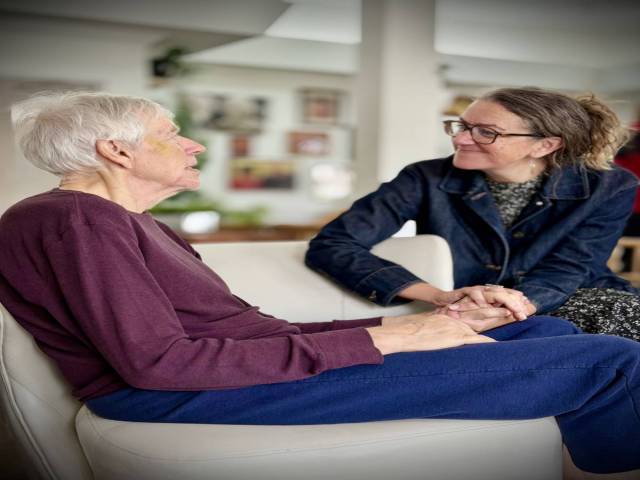
Navigating public spaces with both young children and aging parents, especially those with cognitive or physical limitations, presents unique challenges and profound opportunities for character development. Children may have tantrums, exhibit boundless energy, or ask inconvenient questions, while elders with dementia might display behaviors that diverge from societal norms, such as unintentional shoplifting or uninhibited vocalizations. These situations often elicit discomfort or judgment from onlookers, placing caregivers in awkward positions where they might feel compelled to explain or apologize.
However, these experiences serve as powerful lessons in compassion and public grace. Witnessing firsthand how a loved one’s non-standard behavior can be met with impatience or kindness from strangers underscores the importance of empathy. Caregivers learn to advocate for their family members and, in doing so, develop a deeper understanding of neurodiversity and the spectrum of human behavior. This translates into a conscious effort to model and teach children the value of humility and compassion towards others, regardless of their perceived "normalcy." Instead of prioritizing efficiency or adherence to rigid social protocols, parents learn to champion understanding and patience. When individuals meet neurodivergent behaviors, whether in a three-year-old or an 83-year-old, with an attitude of "yes, and…"—accepting the situation and adapting—they often unlock moments of unexpected delight, connection, and learning. This approach not only fosters a more inclusive mindset in children but also challenges societal norms that often marginalize those who operate outside conventional expectations.
Recognizing the Limits of Self-Sufficiency: The Value of Professional Support
The notion that family caregivers must shoulder all responsibilities alone is a pervasive and often damaging myth. Many individuals enter the caregiving journey believing that with enough dedication, love, and effort, they can manage every aspect of an elder’s needs, particularly when facing progressive diseases like dementia. However, conditions such as Alzheimer’s disease are widely acknowledged by medical professionals, including neurologists like Bruce Miller, as "the blackbelt of caregiving" due to their immense complexity and the specialized knowledge required.
The decision to seek professional memory care for an aging parent, while often accompanied by feelings of guilt or perceived failure, frequently proves to be a critical turning point for both the elder and the family. Observing the expertise, patience, and fresh energy that professional caregivers bring to the table can be profoundly illuminating. These professionals approach the individual as they are in the present, unburdened by the cumulative grief and personal history that family members inevitably carry. They possess specialized training in managing challenging behaviors, ensuring safety, and enhancing quality of life, which often surpasses what even the most devoted family can provide without risking severe burnout.
This realization—that needing professional help is not a failure but a strategic and loving decision—has significant implications for parenting. It reinforces the understanding that children, too, benefit immensely from the guidance and expertise of professionals outside the immediate family unit. Teachers, daycare providers, coaches, therapists, and other specialists bring diverse perspectives, energy, and knowledge that complement parental efforts. They see children with "new eyes," free from the projections and emotional baggage that even the most loving parents can unconsciously carry. Embracing professional support for both elders and children fosters a broader "village" approach to care, acknowledging the limitations of individual capacity and celebrating the collective wisdom and resources available to nurture development across the lifespan.
Navigating the Inevitability of Grief and Change
Life is a continuous process of evolution, marked by both exciting growth and inevitable loss. For sandwich generation caregivers, this truth is starkly evident in the juxtaposition of children "becoming" themselves while parents are simultaneously "unbecoming" through age and illness. The profound grief associated with an elder’s decline, particularly from conditions like dementia where memories and personality gradually fade, is often referred to as "ambiguous loss"—a loss without closure, where the person is physically present but psychologically absent. This anticipatory grief is layered with the bittersweet grief of watching children grow, marking the end of one developmental stage as they transition to the next.

Parents grieve the tiny baby who once fit perfectly on their torso, the toddler whose hand they carried everywhere, or the small child who needed constant supervision. These losses, while generally associated with positive developmental progression, are nevertheless real and deeply felt. The experience of simultaneously mourning the past of an elder and the fleeting stages of childhood teaches a profound lesson in the multi-faceted nature of grief. It highlights that change, whether perceived as positive or negative, inherently involves letting go.
This dual grief can foster a greater acceptance of life’s impermanence and the cyclical nature of existence. It encourages parents to embrace the present moment with their children, understanding that each stage is fleeting. Simultaneously, it allows for a more compassionate approach to an elder’s decline, recognizing the dignity in release from a body or mind that no longer serves them. Accepting grief as an integral part of love and relationships, rather than an adversary to be avoided, allows for a fuller experience of life’s transitions, fostering resilience and emotional depth in both parents and, by extension, their children.
The Unifying Power of Shared Awe
Perhaps one of the most unexpected and unifying lessons from sandwich generation caregiving is the profound value of shared awe. As cognitive abilities decline, individuals with dementia can sometimes experience a renewed, almost childlike wonder at the natural world. Simple observations—a vibrant sunset, a tree’s intricate root system, or the flight of a bird—can evoke genuine mystification and profound questions, often stripped of academic pretension or cynical analysis. These moments of unadulterated awe offer a unique window into the beauty of simple perception.
This experience mirrors the delight of observing the world through a child’s eyes. Toddlers, with their rapidly expanding schemas, find wonder in every leaf, every puddle, and every ant. Even older children, with their burgeoning imaginations and nascent philosophical inquiries, can articulate breathtakingly original perspectives on the world, from their unique spiritual beliefs to their observations on human behavior. These spontaneous expressions of curiosity and wonder from both the very young and the very old serve as powerful reminders for caregivers to slow down, pay attention, and reconnect with their own sense of awe.
Psychological research consistently demonstrates the benefits of experiencing awe, including increased feelings of well-being, humility, and connection. For sandwich generation parents, these shared moments with both their children and their elders provide vital emotional nourishment. They underscore that true connection often lies not in complex conversations or grand achievements, but in the simple, shared appreciation of existence. This perspective fosters a profound reverence for the internal worlds of those they care for, acknowledging the continuous evolution and unique insights each individual possesses. By embracing this capacity for shared awe, caregivers can navigate the often-heartbreaking and heart-bursting adventure of multi-generational life with greater joy, presence, and profound connection.
Broader Societal Implications and Future Outlook
The experiences of the sandwich generation are not isolated incidents but reflect broader societal shifts that demand attention and policy considerations. The increasing longevity of populations, coupled with evolving family structures and economic pressures, necessitates a re-evaluation of how societies support caregivers.

Economic Impact: The financial strain on sandwich generation caregivers is substantial, often involving out-of-pocket expenses for elder care, lost wages due to reduced work hours or career interruptions, and increased household costs. Studies estimate the economic value of unpaid caregiving to be hundreds of billions of dollars annually, highlighting its critical but often unacknowledged contribution to the economy. Policies such as paid family leave, caregiver tax credits, and increased funding for affordable elder care services are crucial to mitigate this burden.
Mental and Physical Health: Caregivers are at a higher risk for depression, anxiety, and various physical health ailments due to chronic stress. The emotional labor involved in managing the complex needs of two generations can be overwhelming. Recognizing caregiving as a public health issue and providing accessible mental health support, respite care, and support groups are essential.
Changing Family Dynamics: The sandwich generation experience is also reshaping family dynamics, fostering deeper intergenerational bonds in some cases, while also highlighting potential areas of conflict. The lessons learned by these caregivers—such as enhanced empathy, effective communication, and the acceptance of professional support—have the potential to cascade through families, creating more resilient and compassionate family units for future generations.
As global demographics continue to trend towards older populations and evolving family structures, the sandwich generation will only grow in prominence. Understanding the multifaceted impacts of this caregiving role, including its surprising capacity to foster personal growth and refine parenting skills, is vital. By acknowledging both the significant challenges and the profound, often unexpected, benefits, societies can better support these caregivers, ensuring that their invaluable contributions lead to stronger families and more empathetic communities for all.