Crispy Air Fryer Lemon Pepper Wings Deliver Restaurant-Quality Flavor with Fewer Calories

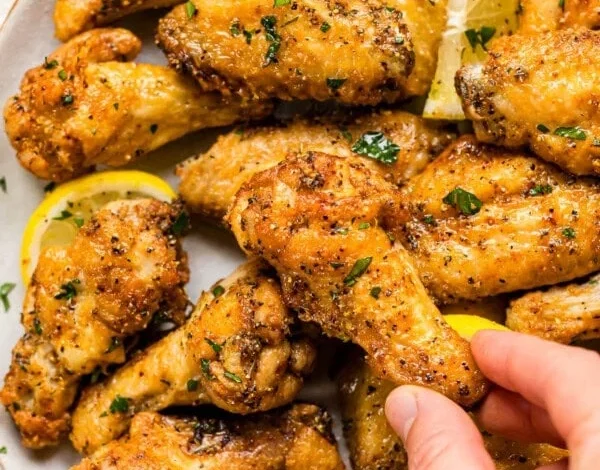
The culinary landscape has witnessed a significant shift toward healthier cooking alternatives without sacrificing the bold, savory flavors traditionally associated with deep-fried comfort foods. A prime example of this gastronomy evolution is the rising popularity of air-fried chicken wings, which utilize rapid convection heat to achieve a crispy exterior while drastically reducing overall fat content. Among the myriad flavor profiles capturing public interest, lemon pepper has emerged as a frontrunner, balancing zesty citrus notes with the robust warmth of cracked black pepper and garlic.
Culinary developments in home-cooking technology have increasingly empowered domestic chefs to replicate, and often surpass, the quality of commercial restaurant fare. Traditional chicken wing preparations rely heavily on immersion frying in vats of oil, a method that imparts heavy fats and substantial caloric density. Modern culinary strategies, spearheaded by popular recipe developers and home-cooking authorities, leverage the countertop air fryer to achieve an identical or superior crunch using only a fraction of the oil. This cooking technique has transformed how households approach classic party appetizers and game-day spreads, aligning with broader consumer trends favoring mindful eating without culinary compromise.

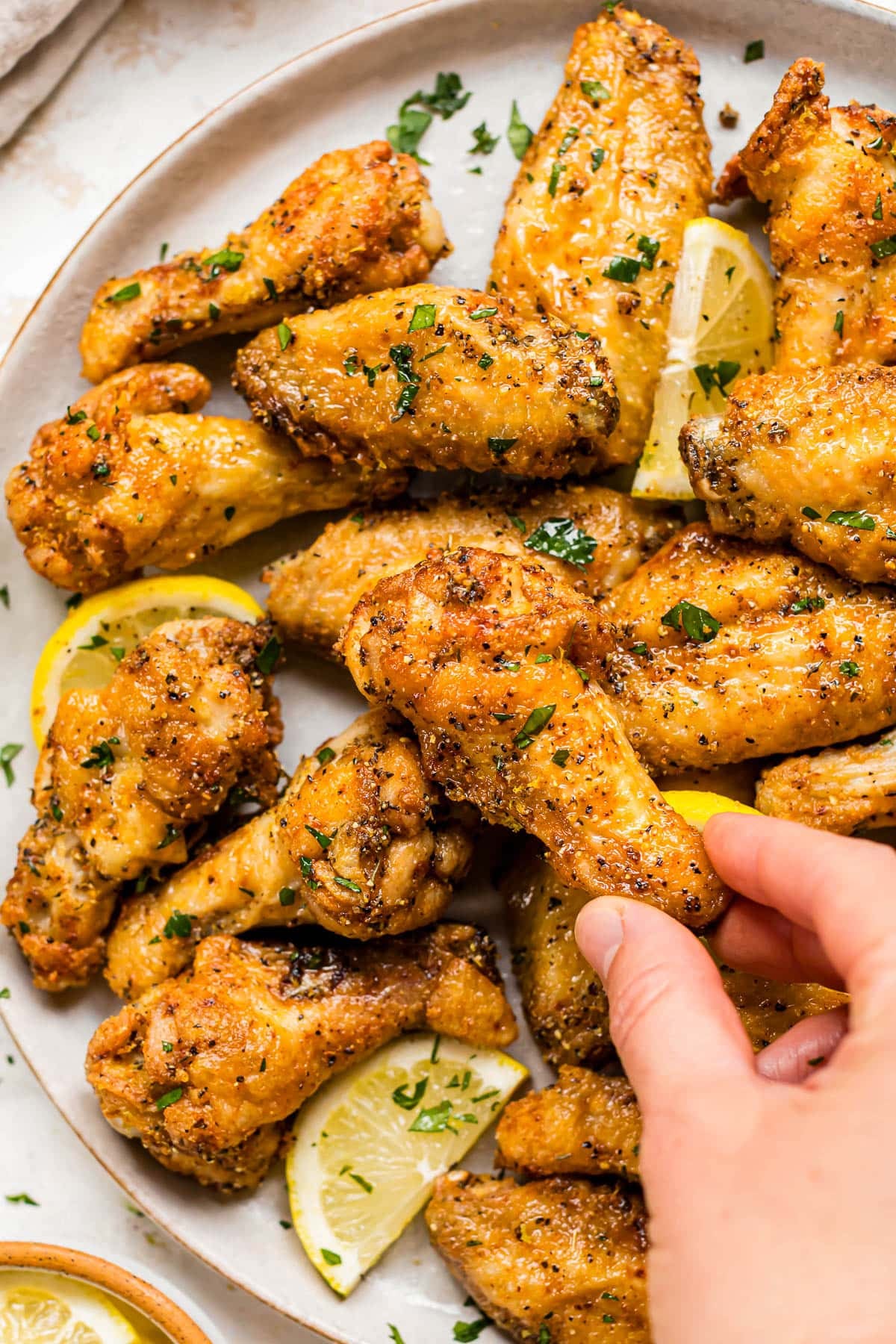
The appeal of lemon pepper wings lies in their unique flavor architecture. Unlike traditional Buffalo wings that drench poultry in heavy, vinegar-and-butter-based hot sauces, lemon pepper wings rely on a dry-rub seasoning base followed by a finishing touch of fresh citrus zest, cracked pepper, and a minimal amount of melted butter to adhere the spices to the skin. This dual-layer seasoning approach ensures that the citrus and spice permeate every bite rather than merely sitting on the surface. Food scientists and culinary experts note that the application of fresh lemon zest at the end of the cooking process preserves the volatile aromatic oils of the citrus fruit, preventing them from burning or turning bitter under high heat.

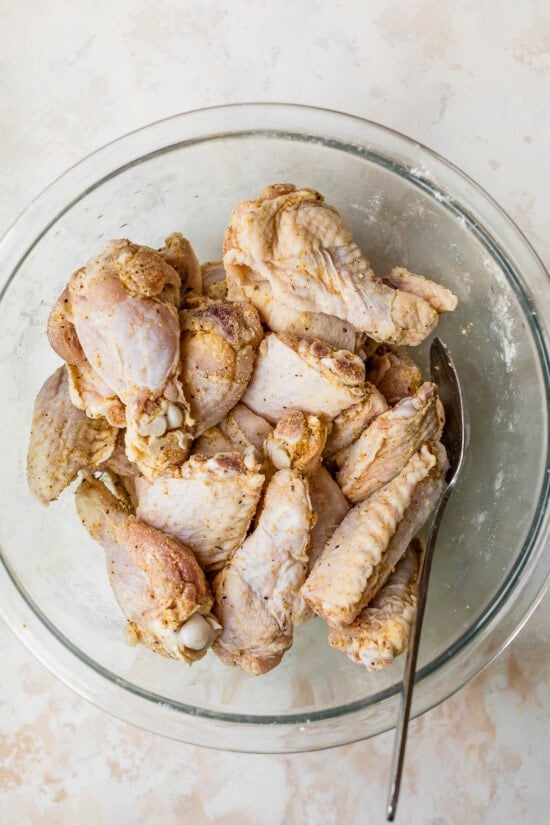
Achieving the optimal texture in an air fryer requires strict adherence to specific culinary protocols. According to home-cooking specialists, the single most critical factor in achieving restaurant-quality crispiness is moisture control. Raw chicken wings inherently harbor surface moisture, which must be thoroughly eliminated using paper towels prior to seasoning. Excess water creates steam during the initial cooking phase, which softens the skin and hinders the rendering of subcutaneous fat. Furthermore, pre-seasoning with high-quality lemon pepper, garlic powder, and a touch of salt ensures deep flavor penetration while the convective airflow of the air fryer works to crisp the exterior to a golden-brown finish.

From a nutritional standpoint, the transition from deep frying to air frying yields measurable health benefits. Standard deep-fried restaurant wings can easily exceed 500 calories per serving alongside excessive amounts of saturated fats and sodium. By contrast, a standard five-wing serving of air-fried lemon pepper wings contains approximately 344 calories, 24 grams of total fat, and a robust 30 grams of protein, with carbohydrates remaining virtually negligible at around 1 gram. This macronutrient profile makes air-fried poultry an attractive option for individuals adhering to high-protein, low-carbohydrate, or calorie-conscious dietary regimens.
The broader cultural impact of recipes adapted for the air fryer extends beyond individual dietary preferences, reflecting a larger lifestyle shift toward efficient home meal preparation. As kitchen appliances have evolved to become standard household fixtures, the demand for accessible, fast, and reliable recipes has surged. Dishes that traditionally required specialized equipment or messy stovetop monitoring can now be executed in roughly 20 to 25 minutes with minimal cleanup. This efficiency has redefined weeknight dinners and casual entertaining, allowing hosts to serve freshly prepared, hot appetizers with unprecedented ease.
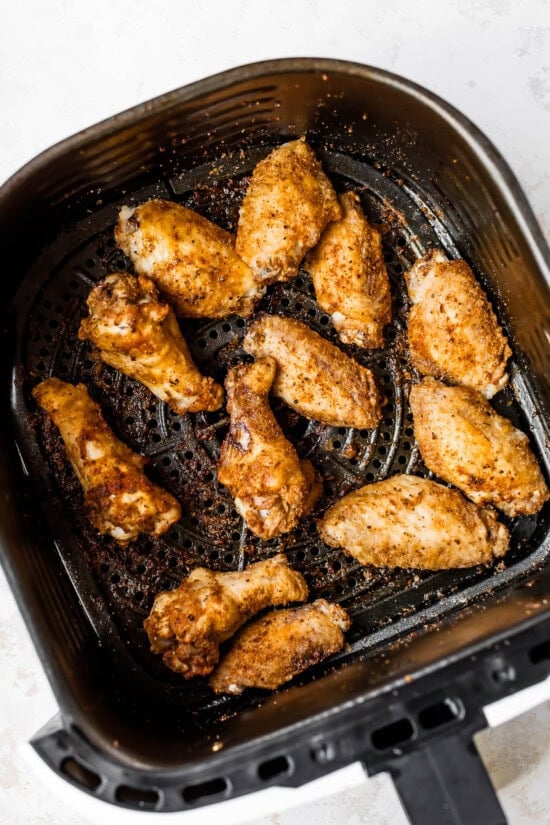
Culinary experts emphasize that while the air fryer is the preferred method for speed and convenience, traditional adaptations remain viable for larger gatherings. For home cooks lacking an air fryer or preparing food for a massive crowd, a conventional oven set to high heat—typically 425 degrees Fahrenheit—can yield comparable results when wings are elevated on a wire rack over a baking sheet. However, the air fryer continues to dominate consumer preference due to its rapid preheating time and concentrated thermal dynamics, which simulate the heavy-duty frying power of commercial kitchens within a compact residential footprint.
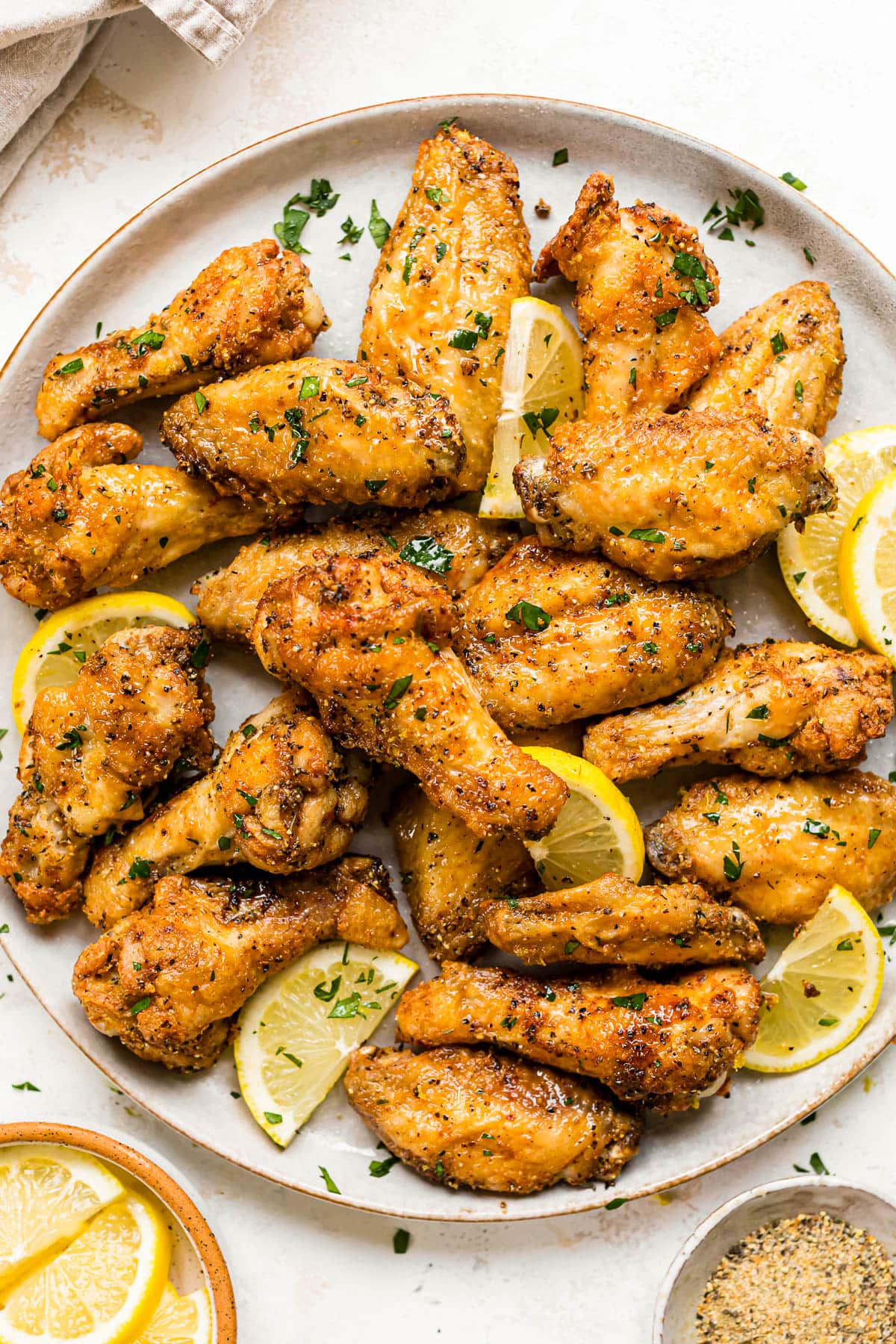
As the market for alternative cooking appliances continues to expand, recipes that marry traditional comfort food flavors with modern nutritional awareness are expected to remain staple features of domestic meal planning. The enduring popularity of lemon pepper wings underscores a broader culinary truth: consumers do not want to sacrifice indulgence for health, provided that innovative preparation methods can bridge the gap between nutrition and taste. Through careful attention to technique, ingredient quality, and modern appliance utilization, home cooks are well-equipped to produce gourmet-level dishes directly from their own kitchens.