The Dangers of Pre-Approval Counterfeiting: Why Underground Retatrutide is Posing Unprecedented Risks to Public Health

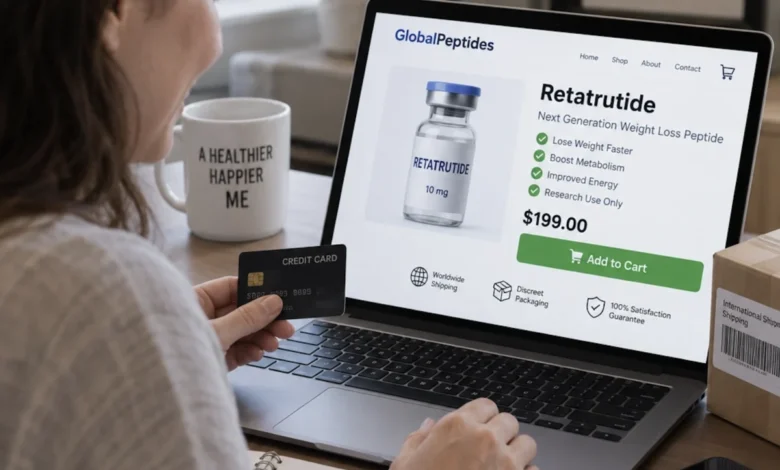
The rapid expansion of global e-commerce and digital pharmacies over the past decade has catalyzed a parallel black market for counterfeit therapeutics, rapidly outpacing regulatory oversight. Historically, illicit manufacturing operations waited for a blockbuster medication to clear clinical trials, win regulatory authorization, and establish a commercial footprint before engineering counterfeit alternatives. However, the emergence of unauthorized, black-market replicas of retatrutide—an investigational triple-agonist peptide currently making its way through late-stage clinical evaluation by Eli Lilly—represents a dangerous shift in pharmaceutical counterfeiting. Popularized as "reta" across social media and wellness forums, this once-weekly injectable has not yet received approval from the U.S. Food and Drug Administration (FDA) or global regulatory counterparts, yet unregulated online vendors are already flooding the internet with bootleg formulations. This phenomenon exposes a critical vulnerability in modern healthcare: when consumer demand for groundbreaking metabolic treatments outpaces the clinical development pipeline, illicit suppliers step into the vacuum, offering unverified products with life-threatening consequences.
Chronology of an Emerging Crisis
The trajectory of retatrutide’s clinical success and the corresponding surge in illicit manufacturing highlight a compressed timeline between scientific discovery and black-market exploitation. As of late September 2026, retatrutide was advancing through Phase 3 clinical evaluation via the comprehensive TRIUMPH and TRANSCEND trial programs. The data emerging from these studies demonstrated remarkable efficacy, positioning the molecule as a powerful therapeutic candidate not only for chronic weight management and obesity, but also for obstructive sleep apnea, knee osteoarthritis, and type 2 diabetes.
The turning point occurred on May 21, 2026, when Eli Lilly officially announced that retatrutide had delivered unprecedented weight loss results in a pivotal Phase 3 obesity trial, with patients receiving a 12-milligram dose achieving reductions in body weight historically comparable to bariatric surgery. This high-profile public announcement acted as a catalyst for underground chemistry networks. Within weeks, counterfeit iterations of the unapproved drug began flooding online markets, prompting immediate alarm among health authorities worldwide. By mid-2026, international regulatory bodies, including the Therapeutic Goods Administration (TGA) in Australia and the FDA in the United States, began issuing urgent public safety warnings as patients presenting with severe adverse events traced their symptoms back to illicitly sourced "reta."
Clinical Data and the Mechanism of Action
To understand why consumer demand has reached such frantic levels, clinicians must examine the unique pharmacology of retatrutide. Unlike previous generations of weight-loss therapeutics, retatrutide is a single peptide engineered to activate three distinct physiological receptors simultaneously: glucose-dependent insulinotropic polypeptide (GIP), glucagon-like peptide-1 (GLP-1), and the glucagon receptor. This triple-agonist mechanism produces synergistic metabolic effects, enhancing caloric expenditure, improving glycemic control, and suppressing appetite more aggressively than single or dual-agonist therapies currently on the market.

While Phase 3 trials continue to validate these therapeutic benefits, the drug remains strictly investigational. The rigorous dosing protocols, stepped titration schedules, and stringent patient monitoring implemented in clinical settings exist precisely because regulatory agencies and developers are still mapping out the molecule’s full safety profile. When individuals bypass these clinical structures to purchase unapproved peptides online, they transform themselves into uncontrolled subjects in an invisible, unmonitored human trial.
Documented Harms and Severe Health Consequences
The human toll of consuming unapproved, black-market retatrutide has manifested in alarming clinical presentations and fatalities. Regulatory agencies have logged multiple severe adverse events linked directly to bootleg vials purchased through grey-market websites. In the United States, the FDA has recorded two fatalities associated with fake retatrutide products: a 41-year-old woman who suffered fatal cardiac arrest following an injection, and a 49-year-old woman who succumbed to severe dehydration and subsequent cardiac arrest.
International health authorities have reported similar catastrophic outcomes. In Victoria, Australia, health officials documented a cluster of acute liver toxicity cases tied to bootleg retatrutide use. Concurrently, the TGA reported a harrowing case involving a patient who experienced severe, intractable vomiting and a subsequent esophageal tear after self-administering a supposed retatrutide product obtained online. Subsequent laboratory analysis of the recovered vial revealed a terrifying reality: the product contained zero retatrutide. Instead, it was filled with semaglutide compounded at eight times the concentration found in legitimate, FDA-approved medications.
These findings underscore the systemic perils of the grey market. Independent laboratory testing of confiscated vials regularly uncovers gross contamination, incorrect active pharmaceutical ingredients, improper dosing concentrations, and dangerous levels of endotoxins. Without quality control, sterile manufacturing standards, or chain-of-custody verification, consumers face catastrophic risks of microbial infection, chemical toxicity, and accidental overdose.
Regulatory and Industry Response
In response to the proliferation of dangerous counterfeits, pharmaceutical developers and global health regulators have launched coordinated awareness campaigns. Eli Lilly has updated its corporate safety communications, explicitly warning the public that illicit retatrutide products "may contain unknown ingredients, harmful contaminants and impurities" and emphasizing that no entity can legally manufacture or distribute the drug for human use outside of authorized clinical trials.

This crisis compounds an existing global challenge regarding falsified metabolic peptides. The World Health Organization (WHO) issued a formal medical product alert concerning falsified semaglutide products in 2024, and the FDA has repeatedly cautioned clinicians and patients against utilizing unapproved, compounded, or counterfeit GLP-1 receptor agonists. However, unlike established medications like semaglutide—where licensed compounding pharmacies and legal supply chains provide a benchmark for authenticity—retatrutide occupies an unprecedented category. Because no approved commercial or compounded version exists, every single vial of retatrutide currently sold online is, by definition, a counterfeit of a non-existent legal product. There is no legitimate supply chain, no licensed manufacturer, and no legal prescribing pathway.
Implications for Clinical Practice and Harm Reduction
For frontline clinicians, primary care physicians, and wellness practitioners, the rise of pre-approval drug counterfeiting necessitates a proactive approach to patient communication. Experts emphasize that healthcare providers must initiate open, non-judgmental dialogues with patients regarding weight-loss peptides to prevent them from seeking dangerous alternatives in the shadows. Pretending that patients are not encountering or considering these substances online merely forfeits a vital opportunity for intervention and education.
Public health advocates and standards organizations argue that modern clinical practice must embrace pragmatic harm reduction frameworks. When patients inquire about peptides like retatrutide, clinicians should clearly articulate the fundamental distinction between authorized therapeutics and underground research chemicals. A sound clinical response centers on the core question of accountability: if a product causes an adverse reaction, who stands behind it? While legitimate manufacturers and licensed compounding pharmacies provide verifiable safety frameworks, grey-market websites offer zero recourse, no accountability, and absolute danger.
Ultimately, as regulatory bodies and standards organizations like PepMD work to establish credentialing infrastructure, pharmacy recognition, and transparent research pathways for peptide medicine, the immediate defense against pre-approval counterfeiting remains patient education. Until retatrutide successfully completes its clinical development program, clears regulatory hurdles, and enters the market through legal channels, any vial purchased online represents an unregulated, life-threatening gamble.