The culinary landscape is continually evolving, with a growing emphasis on dietary modifications that cater to specific health needs and preferences. Among these, grain-free alternatives have garnered significant attention, offering a departure from traditional ingredient staples. One such innovation making waves in kitchens and breakfast bowls alike is grain-free granola. This article delves into the multifaceted appeal of grain-free granola, exploring its origins, nutritional advantages, and adaptable nature, providing a comprehensive overview for consumers and food enthusiasts.
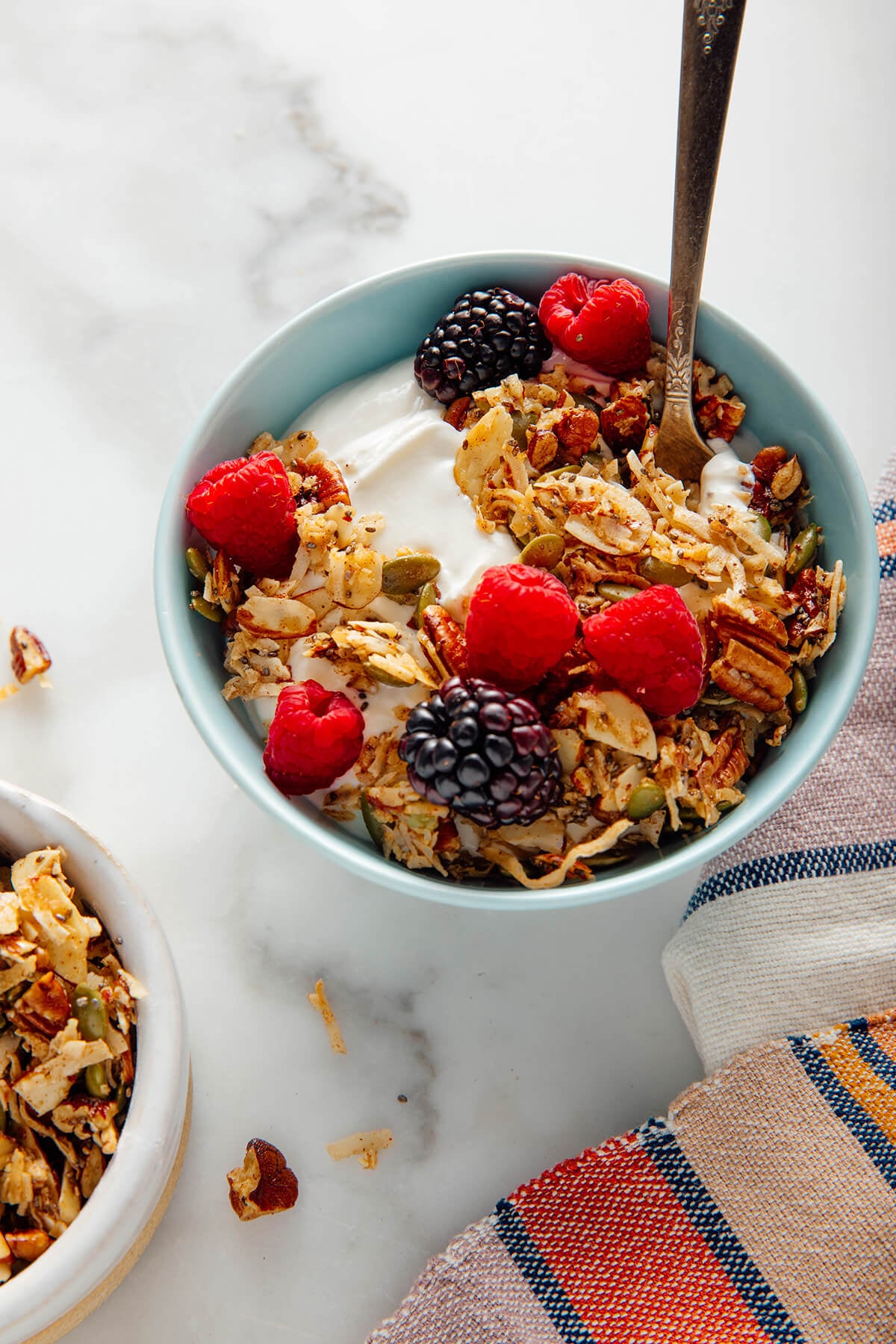
The concept of grain-free granola emerged as a response to the increasing demand for alternatives to conventional oat-based recipes. While traditional granola has long been a beloved breakfast staple, its reliance on grains, particularly oats, posed a challenge for individuals with gluten sensitivities, celiac disease, or those adhering to specific low-carbohydrate or paleo dietary frameworks. The development of grain-free granola addresses this gap by reimagining the classic crunchy topping using a foundation of nuts, seeds, and dried fruits.
This dietary shift gained momentum partly due to a broader awareness of nutritional science and personalized eating plans. As research into dietary impacts on health conditions like blood sugar management intensified, individuals sought out nutrient-dense, low-glycemic alternatives. The original inspiration for this particular grain-free granola recipe can be traced back to Lily Nichols, a registered dietitian and author of "Real Food for Pregnancy." Nichols’ work highlights the importance of nutrient-rich foods during pregnancy, and her exploration of grain-free options resonated with many seeking to manage gestational diabetes or simply adopt a more wholesome eating pattern. The adaptation and popularization of this recipe by food bloggers and home cooks underscore its broad appeal beyond specific dietary restrictions, demonstrating its inherent deliciousness and versatility.
The Nutritional Advantages of Grain-Free Granola
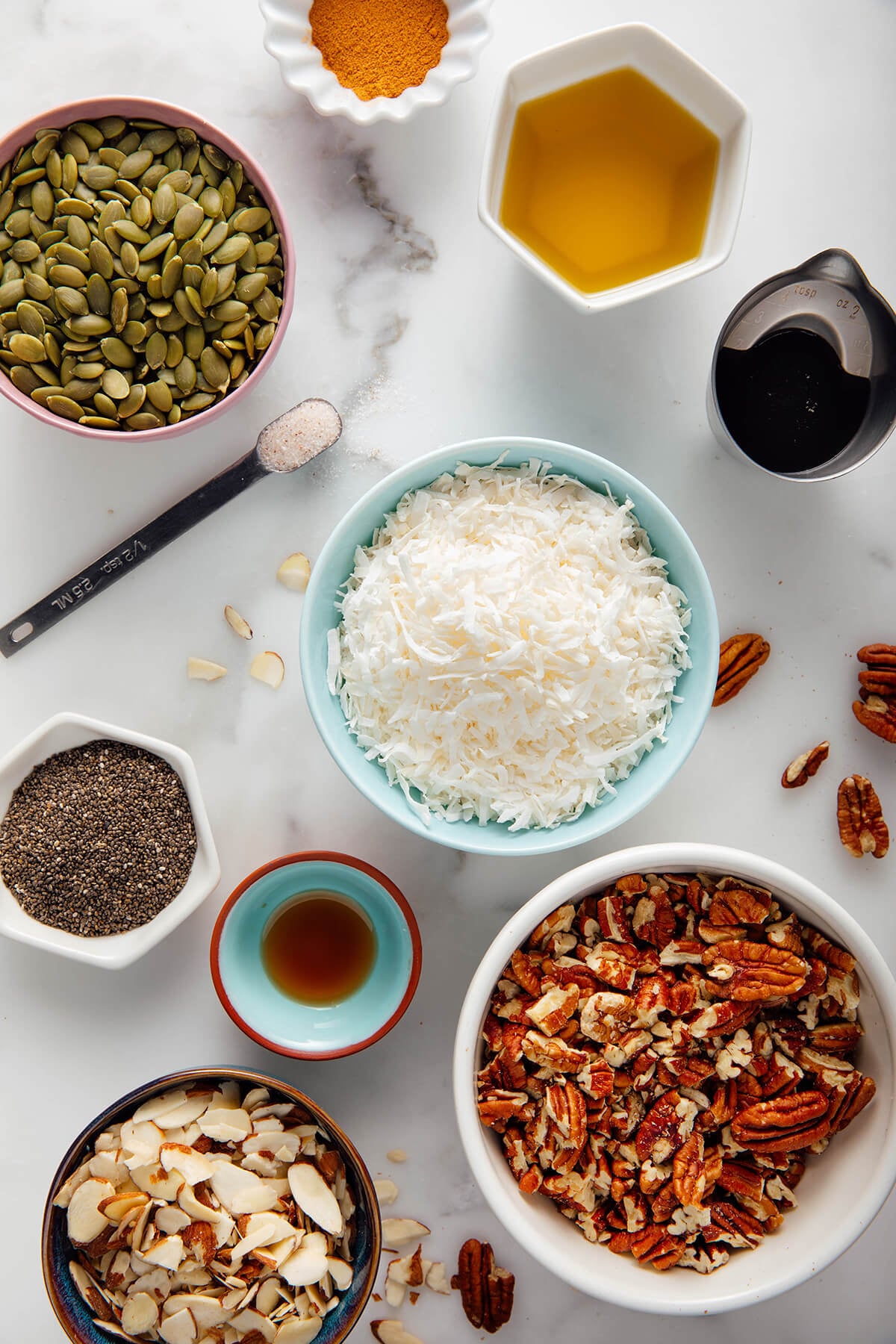
The primary appeal of grain-free granola lies in its departure from grains, offering a distinct nutritional profile. Traditional granola, while often wholesome, can be a significant source of carbohydrates. Grain-free versions typically substitute oats with a medley of nuts and seeds, which are rich in healthy fats, plant-based proteins, and fiber.
- Healthy Fats: Nuts such as almonds, walnuts, and pecans, along with seeds like chia and flax, are abundant in monounsaturated and polyunsaturated fats. These fats are crucial for heart health, reducing inflammation, and supporting cognitive function. For instance, almonds, a common base ingredient, are packed with vitamin E and magnesium, while walnuts are a good source of omega-3 fatty acids.
- Protein Content: The nut and seed composition of grain-free granola significantly boosts its protein content compared to many oat-based varieties. Protein is vital for satiety, muscle repair, and overall metabolic health. This makes grain-free granola a more filling and sustained energy source.
- Fiber Rich: Both nuts and seeds contribute substantial dietary fiber. Fiber aids in digestion, helps regulate blood sugar levels, and promotes a feeling of fullness, which can be beneficial for weight management. Chia seeds, in particular, are renowned for their soluble fiber content, which can absorb water and form a gel-like substance, further contributing to satiety.
- Lower Glycemic Impact: By eliminating grains, grain-free granola generally has a lower glycemic index, meaning it causes a slower and more gradual rise in blood sugar levels. This is particularly advantageous for individuals managing diabetes or seeking to avoid energy spikes and crashes. The natural sweetness often comes from a modest amount of maple syrup or honey, which are typically used in smaller quantities than in some commercial granolas.
- Nutrient Density: Beyond macronutrients, nuts and seeds provide a spectrum of essential micronutrients. Depending on the specific ingredients used, grain-free granola can be a good source of vitamins (like B vitamins and vitamin E), minerals (such as magnesium, zinc, and iron), and antioxidants.
Data from nutritional databases often shows that while calorie counts can be similar due to the fat content of nuts and seeds, the nutrient density per serving is often higher in grain-free options when focusing on micronutrients and beneficial fats. For example, a typical serving of grain-free granola might offer a comparable amount of protein and fiber to a serving of oat-based granola, but with a significantly lower carbohydrate load and a more robust profile of healthy fats and certain minerals.
Culinary Adaptability and Flavor Profiles
The inherent flexibility of grain-free granola recipes allows for extensive customization, catering to a wide array of palates and dietary needs. The base ingredients – nuts, seeds, and natural sweeteners – can be manipulated to create diverse flavor profiles and textures.
Ingredient Customization
-
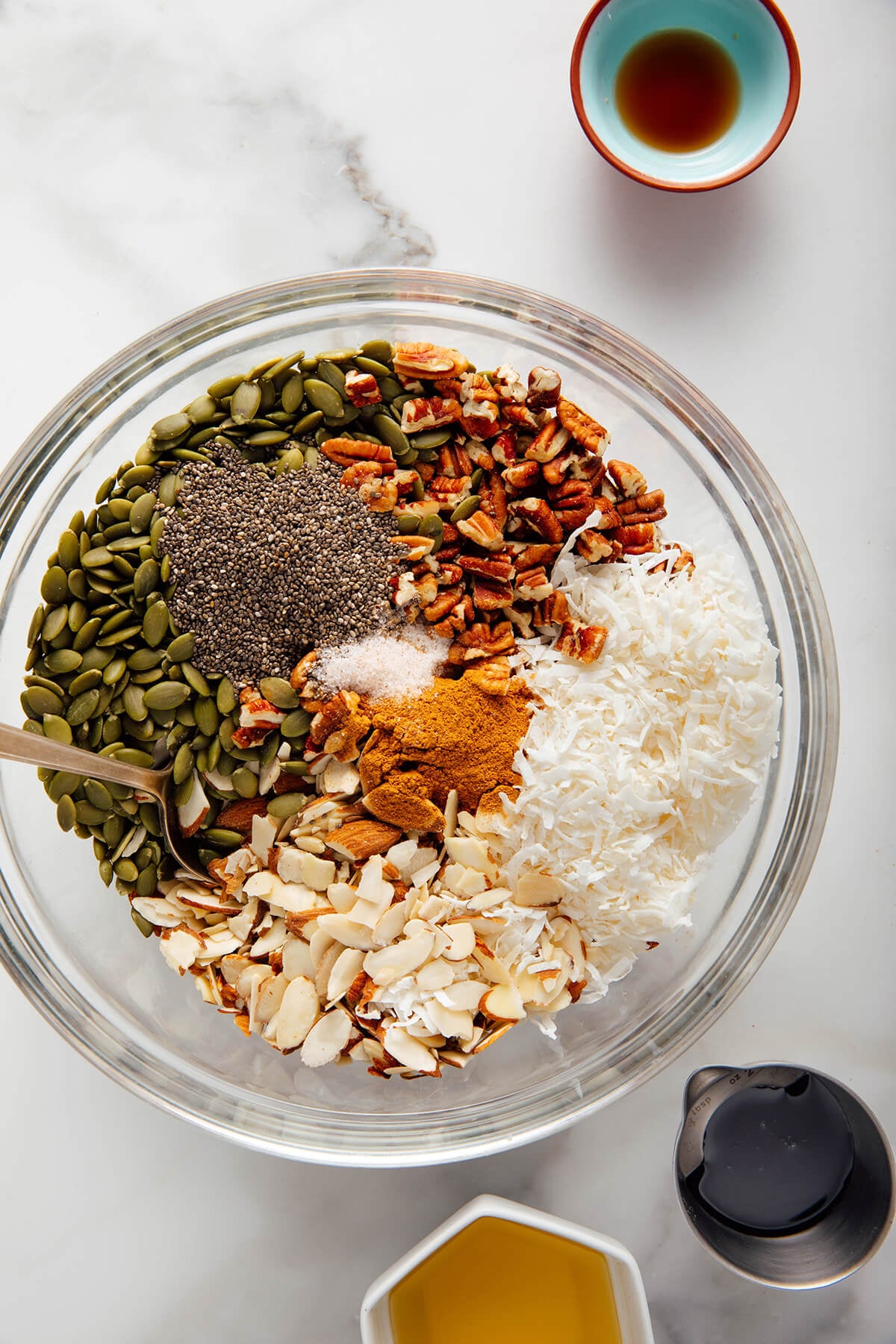
Nut and Seed Variety: The foundation of grain-free granola is its nut and seed blend. While almonds, pecans, and walnuts are popular choices, other options include:
- Pepitas (Pumpkin Seeds): Offer a slightly sweet, earthy flavor and a satisfying crunch. They are also a good source of magnesium and zinc.
- Sunflower Seeds: Provide a mild, nutty taste and are rich in vitamin E and selenium.
- Macadamia Nuts: Contribute a buttery richness and a creamy texture.
- Cashews: Offer a sweet flavor and a tender bite.
- Hemp Seeds: Add a subtle nutty flavor and are a complete protein source.
- Flax Seeds and Chia Seeds: These small seeds are often incorporated for their nutritional benefits and their ability to bind ingredients together, contributing to a slightly clustered texture. Flax seeds offer lignans, while chia seeds are rich in omega-3s and fiber.
-
Coconut Integration: Desiccated coconut, whether finely shredded or in larger flakes, is a frequent addition. It imparts a subtle tropical sweetness and contributes to the overall crispness of the granola. Adjusting the quantity of coconut allows for a more pronounced or subdued coconut flavor.
-
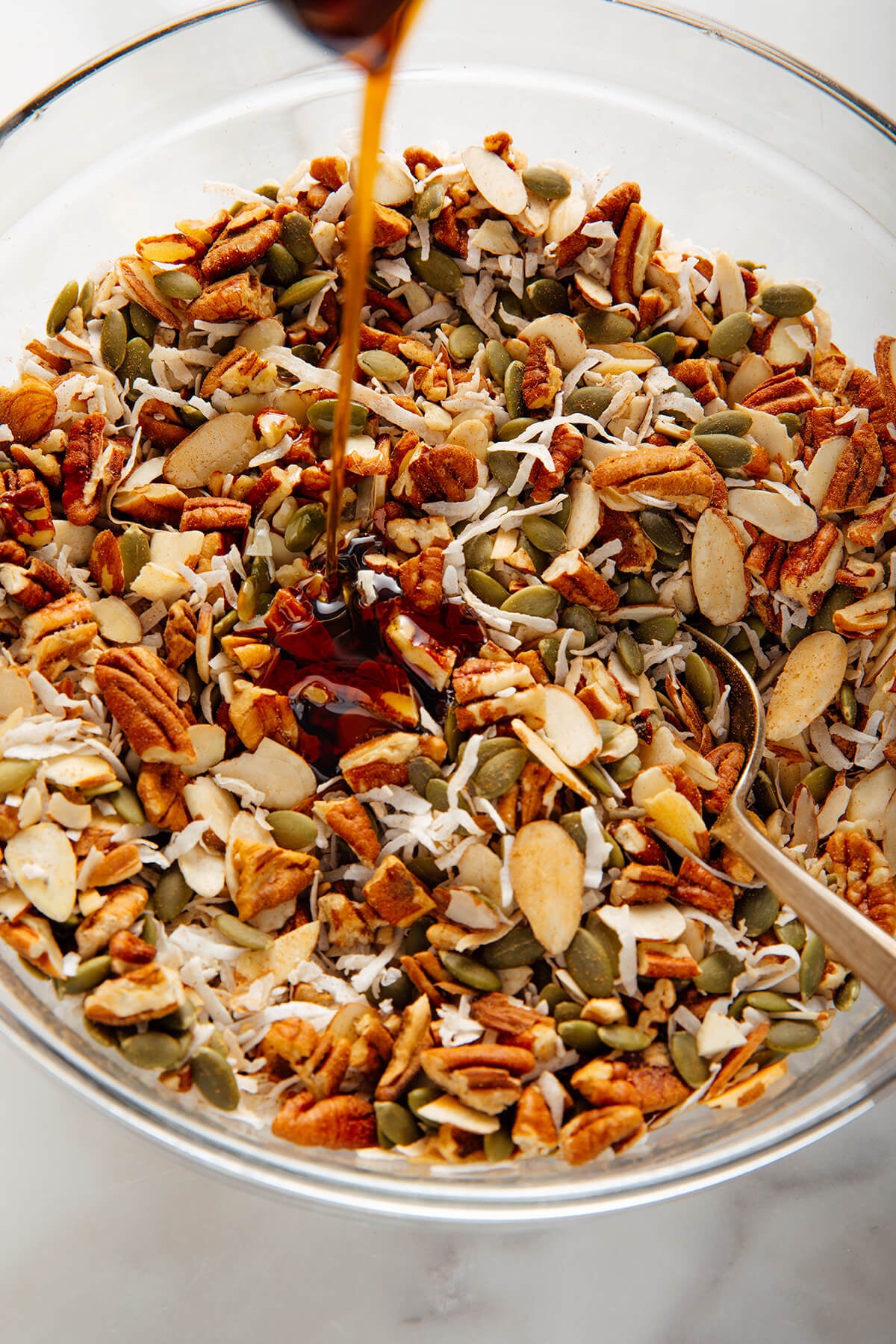
Sweetener Choices: The sweetness in grain-free granola is typically achieved through natural liquid sweeteners such as maple syrup or honey. Both provide a distinct flavor profile and contribute to the caramelized crunch when baked. For a vegan option, maple syrup is the preferred choice. The amount of sweetener can be adjusted to personal preference, allowing for a less sweet, more savory granola.
-
Spice and Flavor Enhancements:
- Cinnamon: A classic spice that complements the nutty flavors, cinnamon adds warmth and depth.
- Vanilla Extract: Enhances the overall sweetness and aroma.
- Other Spices: Combinations like pumpkin spice blend can be used for seasonal variations, offering notes of nutmeg, cloves, and ginger.
- Cocoa Powder: For a chocolatey twist, unsweetened cocoa powder can be added.
- Dried Fruits: While not always included due to sugar content, small amounts of dried cranberries, apricots, or raisins can be incorporated for bursts of sweetness and chewiness.
Texture and Clumping
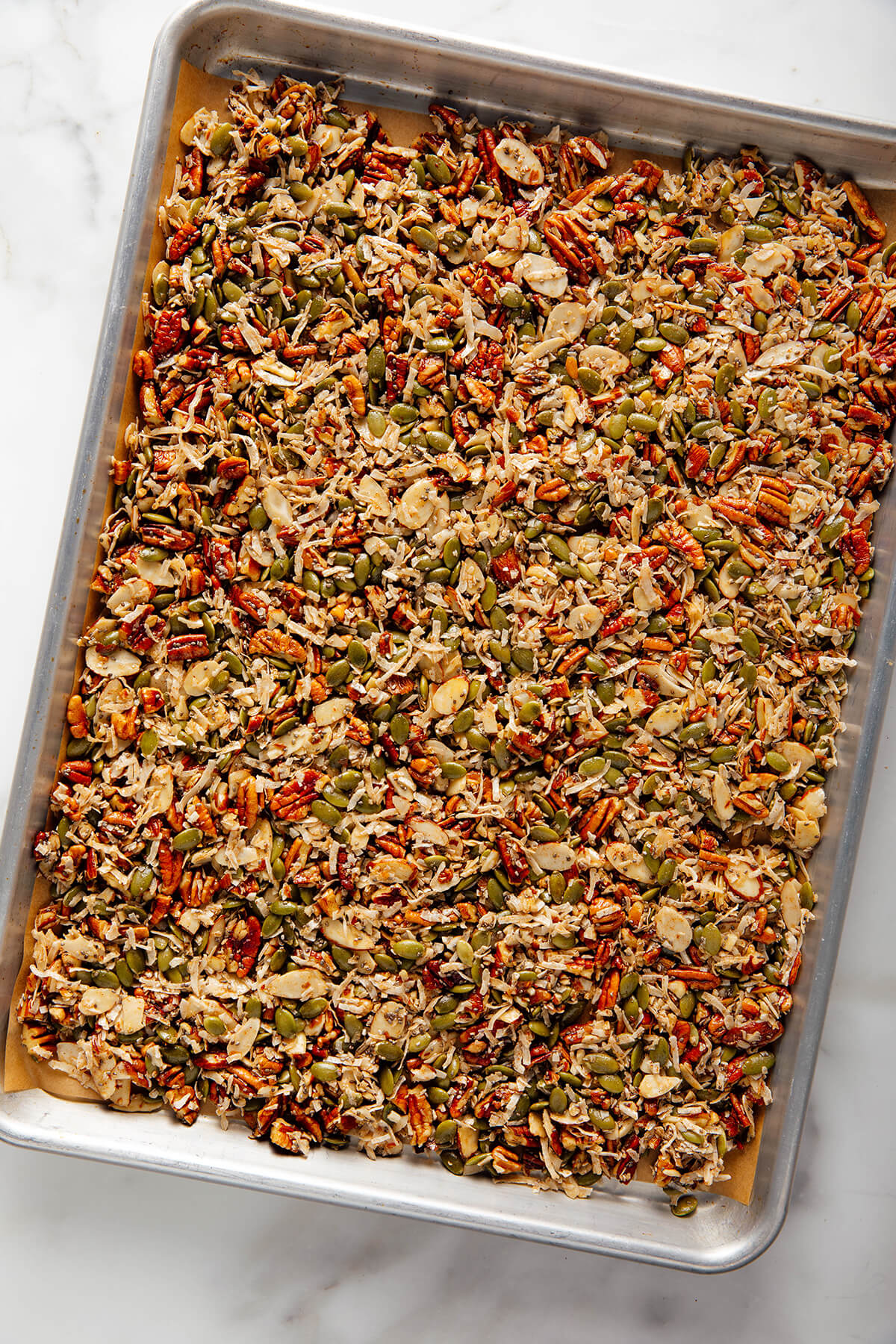
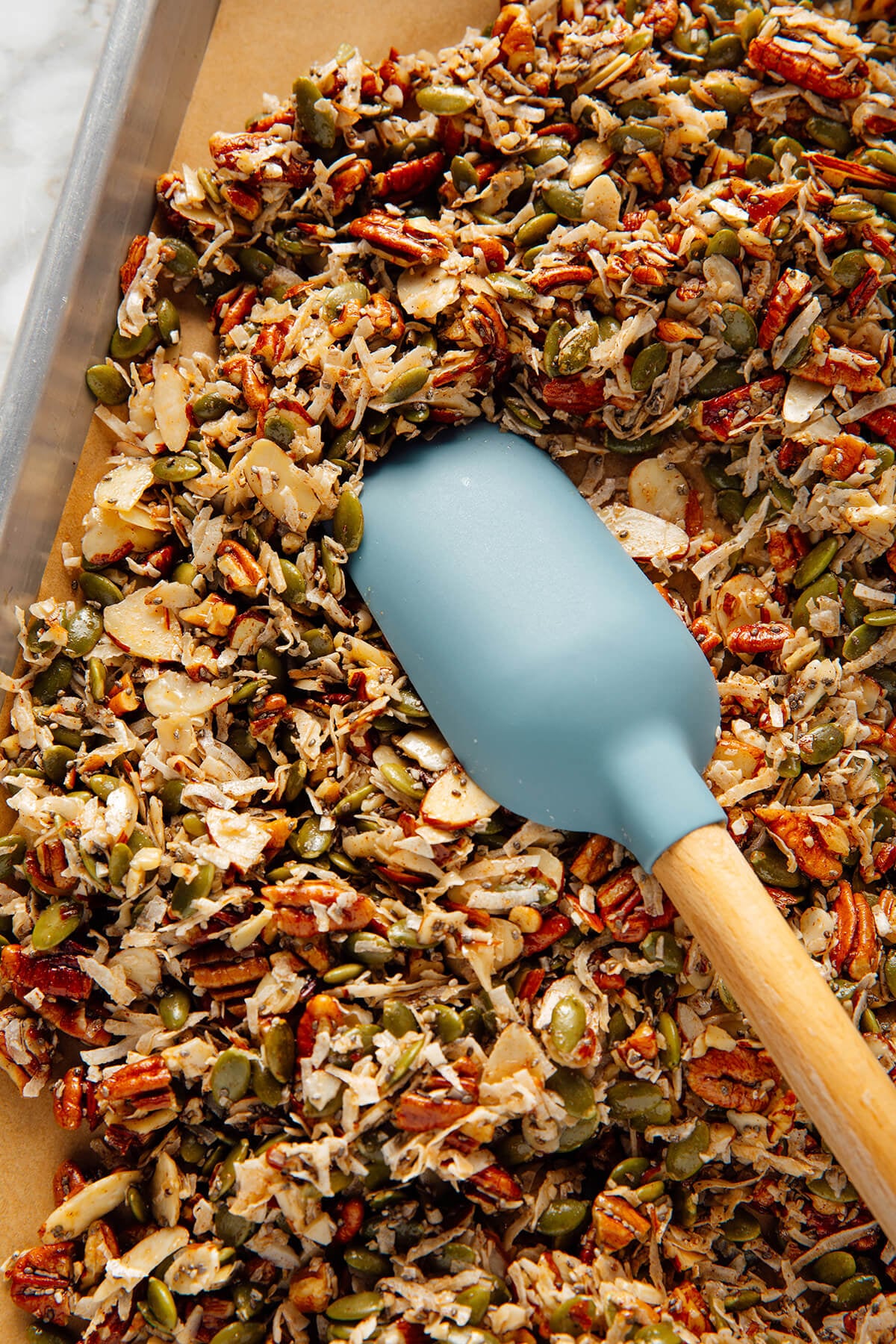
Achieving the desired texture, particularly the formation of small clusters, is a hallmark of good granola. In grain-free recipes, this is often accomplished through the careful balance of wet and dry ingredients, along with the baking process. The binding properties of sweeteners and the natural oils from nuts and seeds play a crucial role. Allowing the granola to cool completely on the baking sheet without disturbing it is a key technique for encouraging the formation of desirable clumps.
Serving Suggestions and Culinary Applications
The versatility of grain-free granola extends beyond a simple topping for yogurt. Its crunchy, flavorful nature makes it a valuable addition to a variety of dishes and snacks.
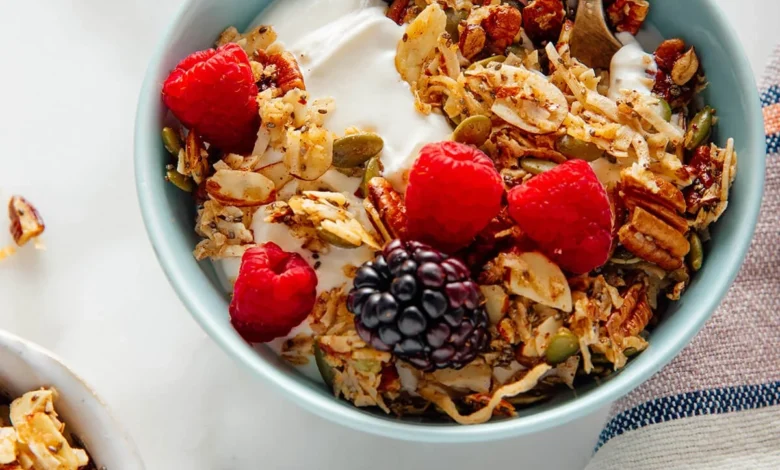
- Yogurt and Parfaits: This is perhaps the most classic application. A generous sprinkle over Greek yogurt, skyr, or plant-based yogurts adds texture and flavor. It also elevates simple fruit parfaits.
- Smoothie Bowls: Grain-free granola provides a delightful textural contrast to the smooth, creamy base of smoothie bowls.
- Oatmeal and Porridge Alternatives: While the granola itself is grain-free, it can be used to top other grain-free porridges made from ingredients like quinoa flakes, buckwheat groats, or even blended cauliflower.
- Salad Topping: For a sweet and savory crunch, grain-free granola can be sprinkled over salads, particularly those featuring fruits, goat cheese, or a light vinaigrette.
- Dessert Ingredient: It can be incorporated into no-bake desserts, used as a crust for pies or cheesecakes, or simply enjoyed as a standalone snack.
- Trail Mix Component: Its portability and satisfying crunch make it an excellent addition to homemade trail mixes.
Recipe Tips for Success
To ensure the best results when preparing grain-free granola, several practical tips can be followed:
- Ingredient Freshness: It is paramount that all nuts and seeds are fresh. Rancid nuts or seeds can impart an unpleasant flavor that will spoil the entire batch. A quick sniff test before use is advisable.
- Uniform Chopping: For larger nuts like pecans or walnuts, ensuring they are chopped to a relatively uniform size helps them bake evenly. Pre-chopped nuts can save time.
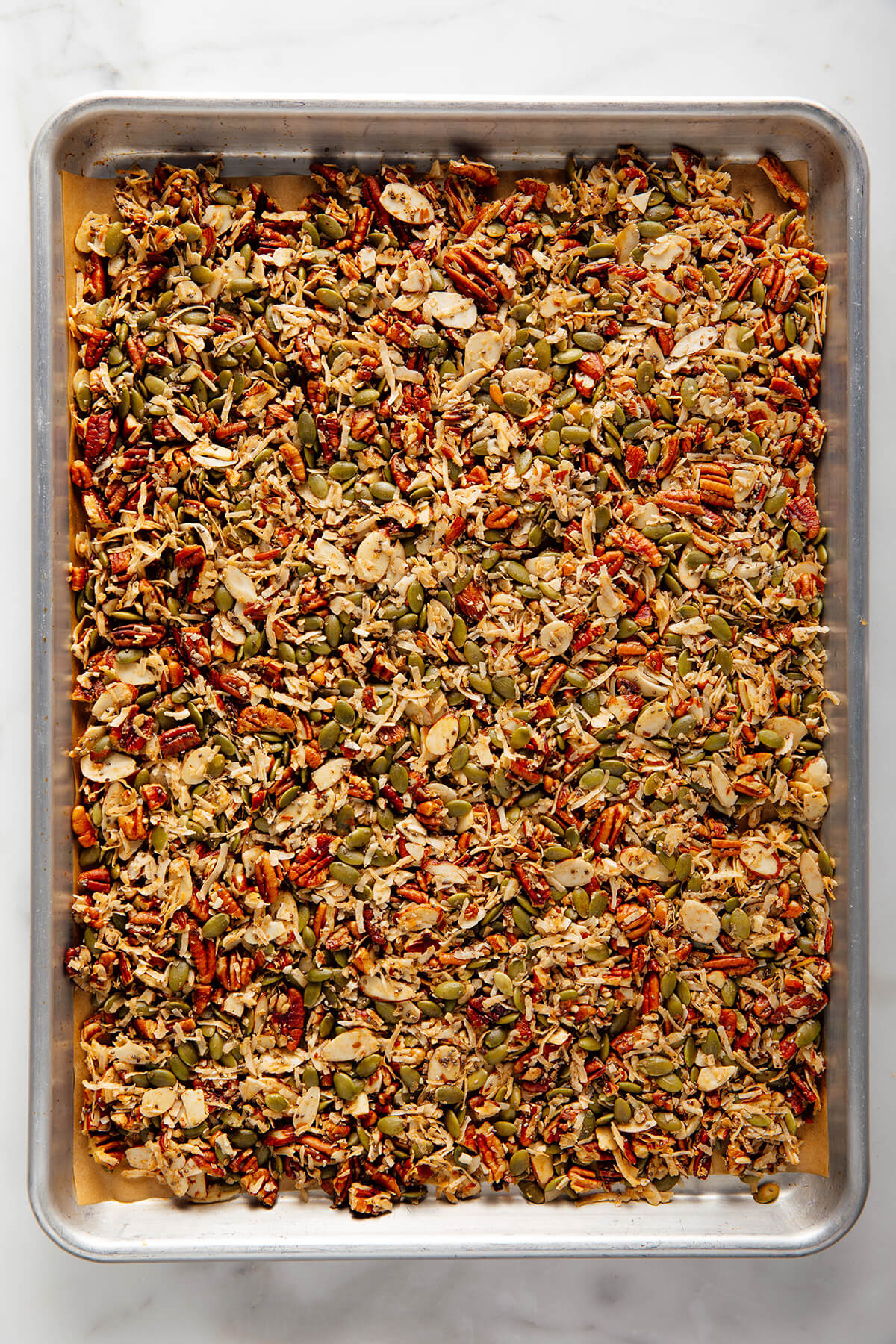
- Even Spreading: When spreading the mixture on the baking sheet, an even layer is crucial for consistent baking and crisping.
- Cooling Period: As mentioned, allowing the granola to cool completely on the baking sheet is key to developing clusters. Resist the urge to stir or move it while it’s still hot.
- Storage: Store the cooled granola in an airtight container at room temperature for optimal freshness. Properly stored, it can last for several weeks.
Considerations for Dietary Restrictions
Grain-free granola offers significant advantages for individuals with specific dietary needs.
- Gluten-Free: By its nature, grain-free granola is suitable for those with celiac disease or gluten sensitivity. It provides a safe and delicious alternative to traditional baked goods.
- Paleo and Whole30: Many grain-free granola recipes align with paleo and Whole30 principles, as they focus on whole, unprocessed ingredients and avoid grains, refined sugars, and legumes. However, sweeteners like maple syrup and honey are often used in moderation, so checking specific adherence guidelines is recommended.
- Nut-Free Adaptation: For individuals with nut allergies, the recipe can be adapted. Replacing nuts with seeds like pepitas and sunflower seeds, and potentially increasing the quantity of coconut (if tolerated), can create a nut-free version.
The emergence and refinement of grain-free granola represent a significant culinary innovation, driven by a deeper understanding of nutrition and a desire for inclusive, delicious food options. Its adaptability, combined with its inherent health benefits, positions it as a valuable and enduring addition to the modern pantry, offering a satisfying crunch and a nutrient-rich boost to a variety of meals and snacks. As dietary trends continue to evolve, grain-free granola stands as a testament to the creativity and responsiveness of the food industry and home cooks alike.