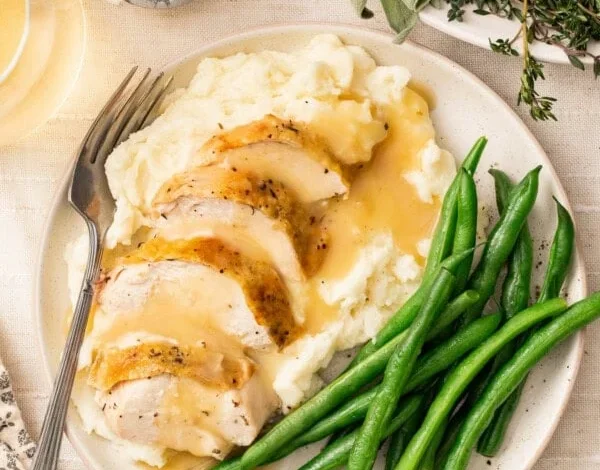
The culinary landscape of the traditional North American Thanksgiving holiday is experiencing a quiet yet significant shift, driven by changing household demographics, economic factors, and a broader reassessment of food preparation efficiency. While the whole roasted turkey has historically anchored the November feast, culinary experts, food economists, and home economists report a steady rise in alternative main courses. Among these, the whole-roasted chicken paired with scratch-made pan gravy has emerged as the preeminent choice for smaller gatherings, nuclear families, and individuals seeking the familiar aromatic profile of a holiday roast without the logistical burdens associated with a 15-to-20-pound bird.
This culinary pivot is not merely a matter of personal preference; it is supported by demographic shifts in modern housing and family structures. According to recent census data, the average household size in the United States has steadily declined over the past several decades, with single-person households and couples without children representing a growing share of the population. For these smaller consumer segments, preparing a massive holiday turkey often results in an unsustainable volume of leftovers, leading to food fatigue and unnecessary waste. The Thanksgiving roasted chicken provides an optimal yield—typically serving four to six individuals—making it mathematically and practically suited for contemporary dining tables.

Furthermore, culinary professionals note that the preparation of a traditional turkey frequently introduces variables of timing and uneven cooking. The stark contrast between dense, quick-to-dry breast meat and slower-cooking dark meat often requires specialized techniques, such as spatchcocking or complex basting schedules, to achieve satisfactory results. By contrast, a standard roasting chicken requires significantly less oven time—generally under an hour—while naturally retaining moisture when properly handled.

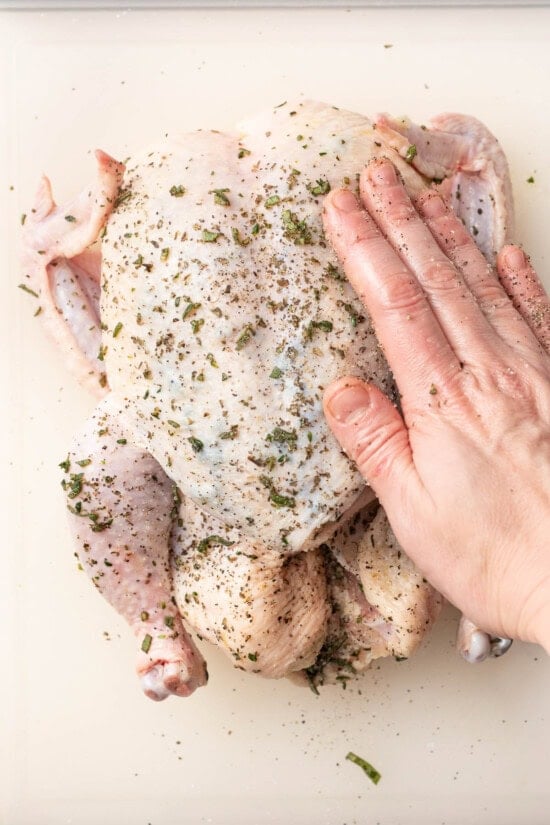
The mechanics of this modern holiday centerpiece rely heavily on established culinary science, particularly the method of dry brining. Food science literature indicates that applying salt to poultry several hours or even a full day prior to cooking allows sodium ions to penetrate the muscle tissue. This process denatures specific proteins, enhancing the meat’s capacity to retain natural moisture throughout the roasting process. Simultaneously, the surface moisture evaporates during the refrigeration period, laying the chemical groundwork for the Maillard reaction—the complex chemical reaction between amino acids and reducing sugars that yields a crisp, golden-brown skin.
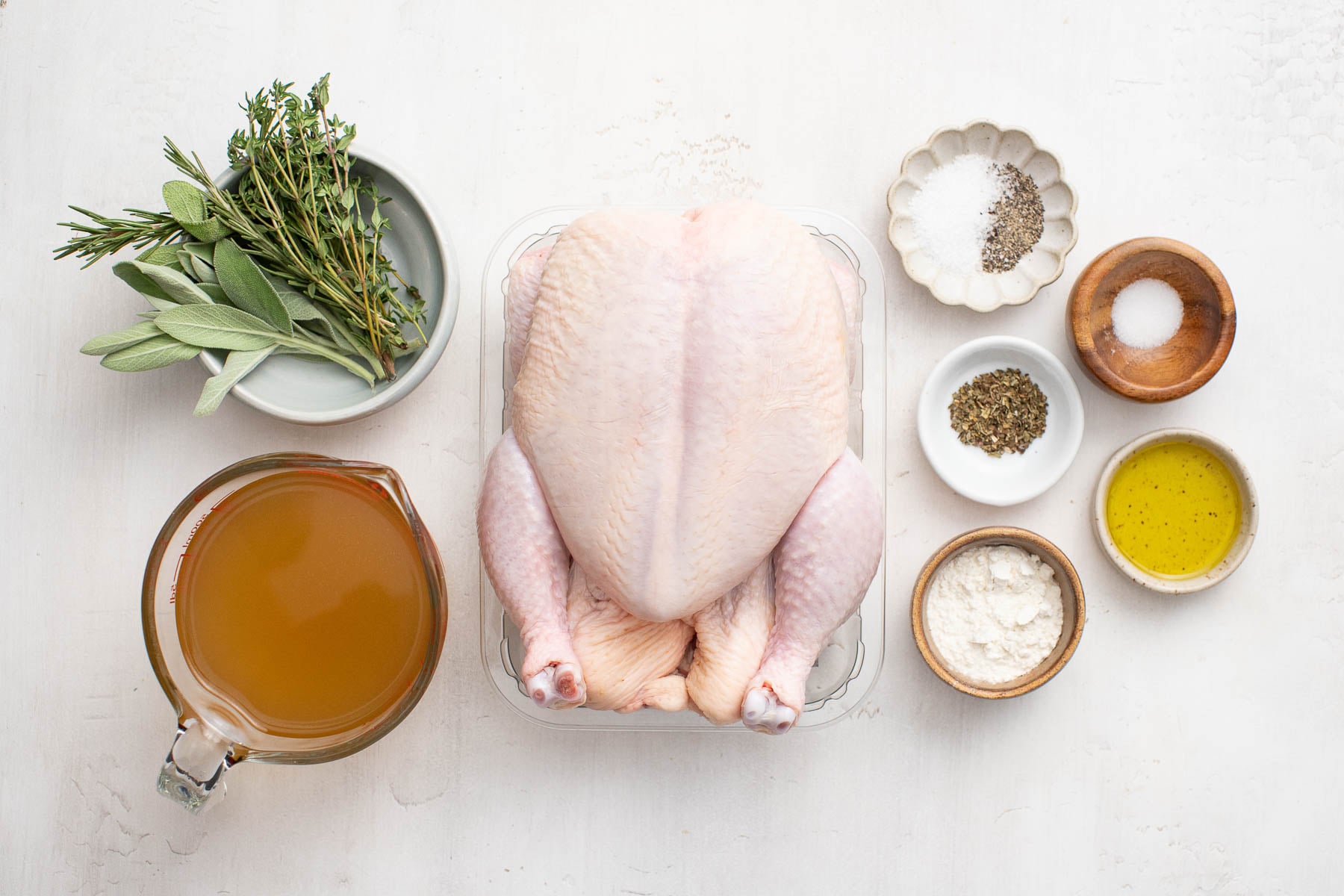
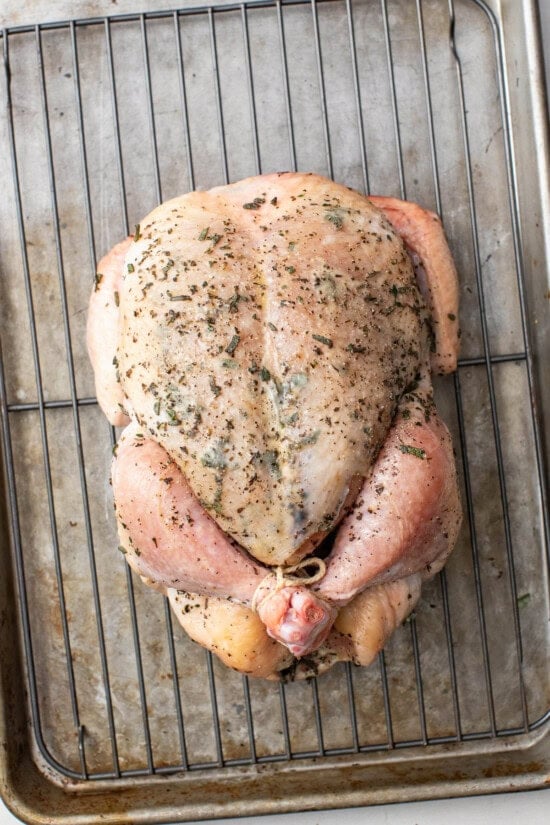
Culinary timeline management for this updated holiday dish diverges sharply from the pre-dawn preparations often required for a Thanksgiving turkey. The preparatory phase begins up to 24 hours in advance with the dry-brining process, utilizing kosher salt and selected aromatics such as fresh thyme, rosemary, and black pepper. On the day of the meal, the active preparation window requires approximately 30 minutes to temper the bird, apply fats or aromatics beneath the loosened skin, and truss the extremities for even heat distribution.
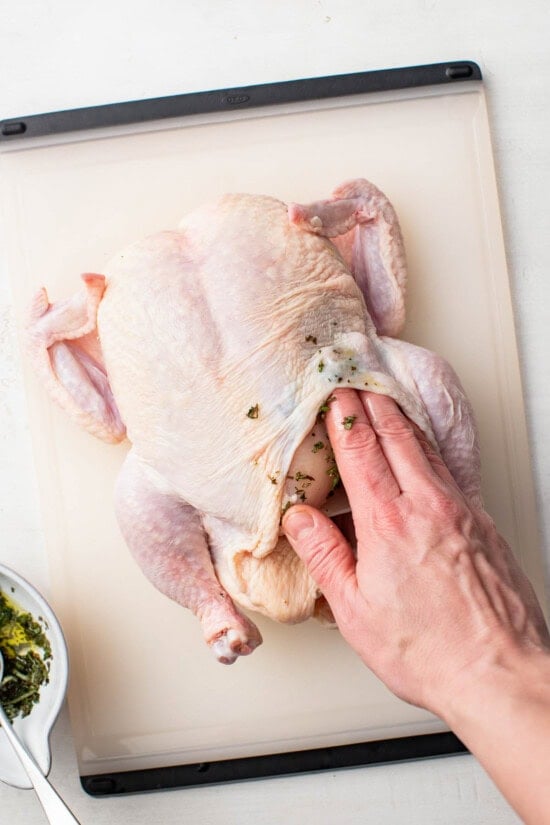
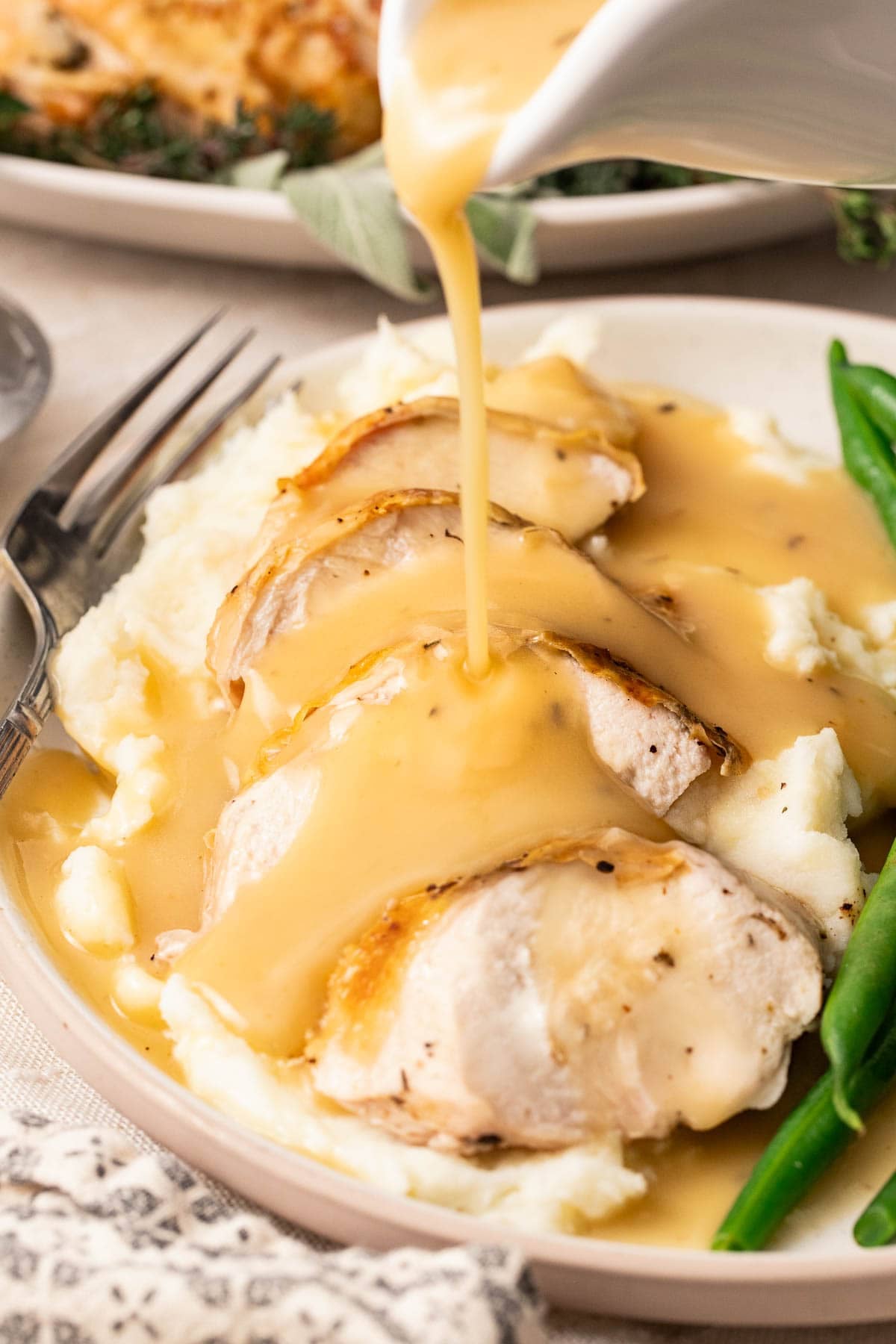
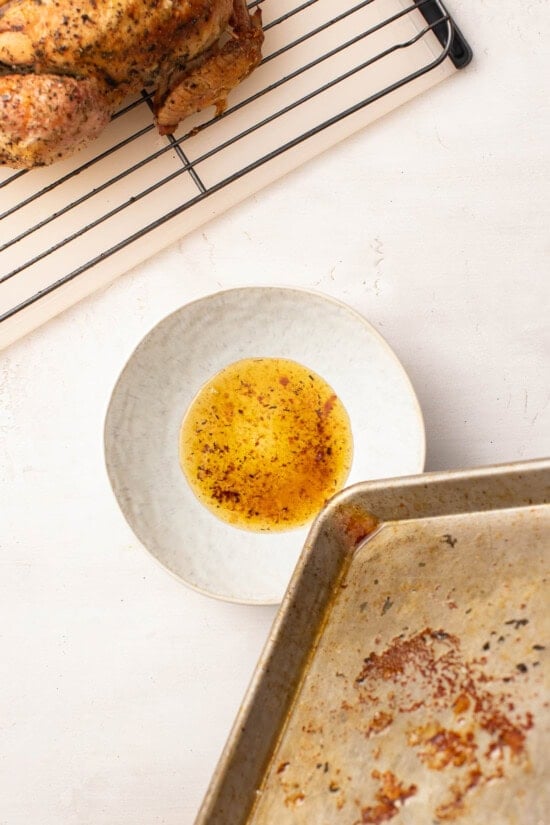
The active thermal phase involves roasting the chicken in a conventional or convection oven preheated to an appropriate high temperature to encourage skin crisping, followed by a steady roast until a wireless or digital meat thermometer registers an internal temperature of 160 degrees Fahrenheit in the thickest portion of the breast. Following extraction from the heat source, a mandatory resting period of 15 to 20 minutes allows the internal juices to redistribute evenly throughout the muscle fibers, preventing moisture loss upon carving. The residual pan drippings—rendered chicken fat and concentrated proteins—form the foundational base for a traditional pan gravy, whisked together with flour or starch and stock to create a smooth, viscous accompaniment.
From an economic perspective, the substitution of chicken for turkey aligns with broader consumer purchasing trends observed in retail food markets. Poultry pricing data compiled over recent years indicates that whole chickens offer a more stable and predictable cost-per-pound metric compared to seasonal holiday turkeys, which frequently experience supply-chain surges and price volatility driven by seasonal demand spikes. Additionally, the reduction in overall cooking time translates to measurable energy savings for households, a minor yet increasingly relevant factor in domestic budgeting.
Nutritional analysts point out that while both poultry varieties offer high-quality, complete lean proteins, a standard 4-ounce serving of roasted chicken with skin provides a balanced nutritional profile containing approximately 291 calories, 31.5 grams of protein, and 15 grams of fat, with a controlled carbohydrate count derived primarily from the accompanying gravy thickeners. This aligns with a growing consumer interest in health-conscious holiday meal planning that does not sacrifice traditional flavors or sensory satisfaction.
The broader implications of this trend extend into the culinary media and publishing industries, where recipe developers and food platforms have observed a marked increase in engagement for scaled-down holiday menus. As consumers continue to redefine traditional celebrations to match their lifestyle requirements, the Thanksgiving roasted chicken with homemade gravy stands out as a practical evolution of a classic institution, proving that the warmth and comfort of the holiday season are determined less by the scale of the main dish and more by the culinary execution and shared experience of the meal.