Persistent physical shifts in the lower extremities are frequently dismissed by the general public as the inevitable consequences of the aging process. However, medical experts emphasize that symptoms such as persistent coldness, unexplained fatigue, or non-healing wounds may serve as critical clinical indicators of Peripheral Artery Disease (PAD). This condition, characterized by the narrowing of peripheral arteries, significantly restricts blood flow to the limbs and is statistically correlated with an elevated risk of systemic cardiovascular events, including myocardial infarction and stroke. Despite its prevalence, approximately 70 percent of the American population remains unaware of the condition, according to data from the Society for Vascular Surgery’s PAD Pulse Alliance.
Understanding the Clinical Scope of Peripheral Artery Disease
Peripheral Artery Disease is a manifestation of systemic atherosclerosis, where fatty deposits—plaque—accumulate within the arterial walls. This progressive narrowing reduces the delivery of oxygenated blood to the muscles and tissues of the legs. While many patients associate leg discomfort with general senescence, clinical observation reveals that specific patterns of physical change demand medical investigation.
The diagnostic landscape for PAD has evolved significantly over the past two decades. Early detection is paramount, as the disease is often a "silent" indicator of widespread vascular dysfunction. Epidemiological data indicates that the condition is more prevalent in populations over the age of 65, though it frequently appears in younger individuals who present with specific risk factors, such as tobacco use, hypertension, hyperlipidemia, and type 2 diabetes.
Identifying the Five Critical Red Flags
Medical practitioners suggest that patients monitor for five distinct changes that extend beyond typical aging-related decline.
1. Non-Healing Ulcerations
The presence of a persistent sore on the toe, heel, or the lateral aspect of the ankle that fails to close over several weeks is a primary warning sign. Because tissue repair is dependent on consistent oxygen and nutrient delivery via the bloodstream, arterial insufficiency creates a deficit that halts the healing process. These wounds typically present as deep, circular lesions with distinct, "punched-out" edges. Unlike venous ulcers, which are generally shallower and located on the inner lower leg, arterial ulcers are often associated with ischemic pain that may intensify during nocturnal hours.
2. Abnormal Coloration and Blue Toe Syndrome
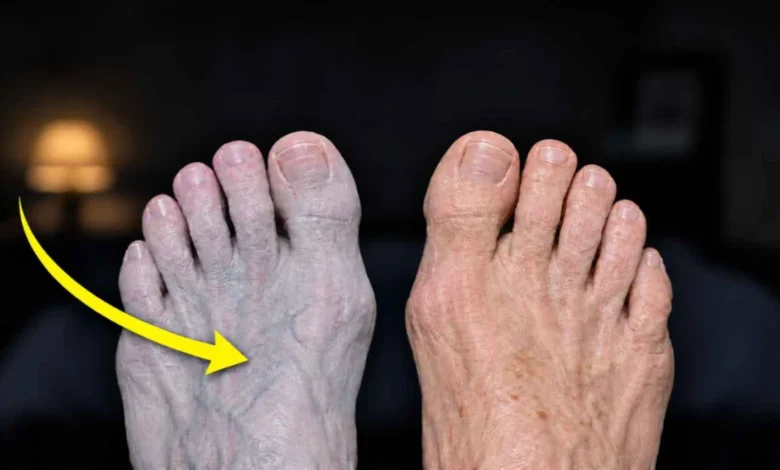
Vascular health is often reflected in the skin’s appearance. Physicians monitor for "pallor on elevation"—a phenomenon where the leg turns pale when lifted and transitions to a deep, dusky red (dependent rubor) when placed in a dependent position. Furthermore, "Blue Toe Syndrome" represents a more acute emergency. This occurs when a segment of arterial plaque embolizes, traveling downstream to occlude smaller vessels in the toes. This condition requires immediate medical intervention to prevent tissue necrosis.
3. Alterations in Skin and Hair Distribution
While commonly cited in medical literature, the loss of hair on the lower extremities and the development of thin, shiny skin should be interpreted with caution. Research published in the Archives of Dermatology and various vascular studies indicate that while these features can be associated with chronic ischemia, they are not pathognomonic. Hair loss on the legs may be attributable to genetic factors or hormonal changes; thus, it is considered a supportive, rather than definitive, diagnostic indicator when evaluated alongside other symptoms.

4. Asymmetrical Temperature and Strength Deficits
A persistent temperature differential between the two legs—where one limb remains significantly cooler to the touch than the other—is a clinical indicator of localized flow restriction. While conditions such as Raynaud’s phenomenon or thyroid dysfunction can cause cold extremities, asymmetrical presentation necessitates an objective assessment of pedal pulses by a healthcare professional.
5. The Phenomenon of Silent Decline
Perhaps the most deceptive symptom is the gradual, painless reduction in physical activity. While "claudication"—the classic, painful cramping in the calves during exertion—is widely recognized, it only manifests in approximately 11 percent of PAD patients. A substantial portion of the population experiences a "silent" form of the disease, characterized by subtle behavioral modifications. Patients may unknowingly shorten their stride, avoid stairs, or decrease their walking pace to mitigate discomfort they do not consciously identify as pain. Over time, this leads to muscle atrophy and a decrease in physical endurance, which is often misattributed to natural aging.
Diagnostic Challenges and Modern Testing Protocols
The primary diagnostic tool, the Ankle-Brachial Index (ABI), measures blood pressure at the ankle relative to the arm. A ratio of 0.9 or lower is typically indicative of PAD. However, the efficacy of the ABI is limited in specific patient demographics.
In patients with advanced diabetes or chronic kidney disease, arterial calcification can render the vessels incompressible. In such cases, the blood pressure cuff may provide a falsely elevated reading, leading to a "normal" ABI result despite underlying vascular obstruction. Clinical guidelines now advocate for the "Toe-Brachial Index" (TBI) as a more accurate alternative, as the smaller arteries of the toes are less prone to the calcification that compromises ankle readings. Furthermore, medical experts recommend that if a patient reports symptoms despite a normal resting ABI, a post-exercise treadmill test should be performed to uncover flow limitations that only manifest under physical stress.
Broader Health Implications
The clinical significance of identifying PAD extends far beyond the legs. The presence of peripheral arterial disease is considered an independent predictor of major adverse cardiovascular events (MACE). Patients diagnosed with PAD are at a significantly higher risk for coronary artery disease and cerebrovascular accidents.
Official practice guidelines from organizations such as the American Academy of Family Physicians (AAFP) emphasize that once PAD is diagnosed, the treatment pathway is multifaceted. Therapeutic exercise programs, supervised by clinical professionals, have been shown to increase pain-free walking distances by nearly 180 percent. Additional standard-of-care protocols include aggressive smoking cessation programs, the management of blood glucose levels for diabetic patients, and the implementation of lipid-lowering and antihypertensive therapies.
Conclusion and Future Outlook
As the population ages, the incidence of vascular-related decline is expected to rise. Public health officials urge a shift in perspective: moving away from the fatalistic acceptance of "getting older" and toward a proactive monitoring of circulatory health. While the symptoms discussed—particularly in isolation—do not confirm a diagnosis of PAD, they serve as essential triggers for a formal medical consultation. Given the silent progression of the disease and its link to life-threatening cardiac events, early detection through validated clinical testing remains the most effective strategy for preserving both limb function and overall cardiovascular longevity. Patients are encouraged to consult with their primary care providers or vascular specialists if they notice these persistent changes, as timely intervention can effectively arrest disease progression and improve quality of life.