Unlocking the Cellular Secrets of the Mediterranean Diet: How Mitochondrial Microproteins Bridge Food and Longevity

The Mediterranean diet has long been heralded by the global medical community as a gold standard for promoting longevity, cardiovascular health, and cognitive preservation. However, the precise biological mechanisms translating a plate of olive oil, fresh fish, and legumes into cellular defense have remained largely elusive. Now, a groundbreaking study conducted by researchers at the University of Southern California (USC) Leonard Davis School of Gerontology reveals a surprising and intricate molecular link: tiny proteins produced by mitochondria, the energy-generating powerhouses within our cells.
According to the research, adherence to a traditional Mediterranean dietary pattern is directly correlated with elevated blood concentrations of two specific mitochondrial microproteins known as humanin and SHMOOSE. These molecules, previously recognized for their roles in combating cardiovascular disease and neurodegeneration, act as molecular messengers. They translate everyday nutritional choices into physiological signals that dictate how cells function, manage stress, and age. As chronic diseases associated with aging continue to strain global healthcare infrastructure, these findings offer a profound glimpse into the future of precision nutrition and molecular gerontology.
Tracing the Discovery: Two Decades of Mitochondrial Breakthroughs
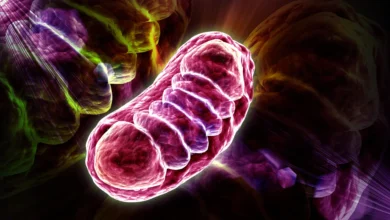
To understand the significance of the USC Leonard Davis School’s latest findings, one must examine the decades of scientific inquiry preceding them. For more than twenty years, researchers have challenged the traditional dogma that mitochondria are exclusively cellular power plants responsible for ATP generation. Led by USC Distinguished Professor Pinchas Cohen—a senior author on the current study—scientists have increasingly recognized that mitochondria play active regulatory roles in metabolism, cellular stress responses, and the aging trajectory.
Unlike the vast majority of proteins encoded within the nuclear DNA of a cell’s nucleus, mitochondrial microproteins originate from genetic instructions embedded inside the mitochondria themselves. These instructions reside within small segments of mitochondrial DNA referred to as open reading frames. Historically, substantial portions of these mitochondrial genomic regions were dismissed as nonfunctional junk DNA. However, modern genetic exploration has upended that assumption, demonstrating that these segments successfully encode biologically active molecules capable of profound systemic effects.
The timeline of these discoveries underscores their growing medical relevance:
- 2003: Pinchas Cohen and his collaborative research team first identify humanin. Subsequent decades of study link the microprotein to improved insulin sensitivity, enhanced cardiovascular health, increased longevity, and the preservation of cognitive functions.
- Recent Years: Cohen’s research team identifies SHMOOSE (Small Human Mitochondrial ORF Over SErine tRNA), a more recently discovered microprotein that quickly attracts intense scientific interest due to its neuroprotective properties against Alzheimer’s disease-associated amyloid proteins.
- Present Study: Led by USC Leonard Davis Instructional Associate Professor of Gerontology Roberto Vicinanza, researchers connect these powerful microproteins directly to human dietary patterns for the first time, bridging ancient nutritional traditions with cutting-edge molecular biology.
Inside the Study: Methodology and Supporting Data
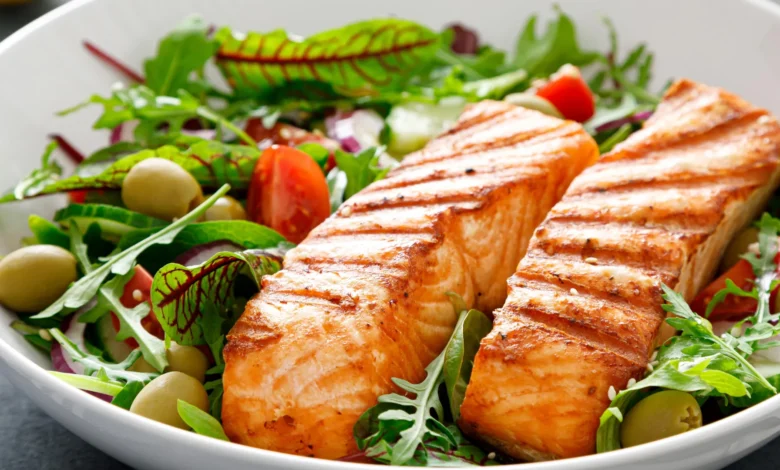
To evaluate the intersection between diet and mitochondrial biology, the USC research team designed an observational study examining blood samples and dietary metrics from older adults. Participants were categorized based on how closely and consistently their daily nutritional habits aligned with a traditional Mediterranean diet—an eating pattern heavily emphasizing extra virgin olive oil, fresh fish, beans, lentils, nuts, fruits, and vegetables, while restricting refined carbohydrates, red meats, and ultra-processed foods.
The biochemical analysis yielded striking correlations:
- Microprotein Concentration: Individuals whose dietary habits most closely matched the Mediterranean framework exhibited significantly higher concentrations of both humanin and SHMOOSE in their bloodstreams.
- Oxidative Stress Reduction: Closely aligned participants demonstrated noticeably lower indicators of oxidative stress. This destructive biological process occurs when harmful reactive oxygen species overwhelm the body’s endogenous antioxidant defenses, systematically damaging cellular proteins, DNA, and lipids over time.
- Dietary Component Specifics: The data revealed nuanced relationships between individual dietary components and specific microproteins. Higher consumption of olive oil, fish, and legumes tracked closely with increased humanin levels. Meanwhile, generous olive oil intake paired with the strict avoidance of refined carbohydrates—such as white bread, pastries, and industrial sugary snacks—correlated with elevated SHMOOSE concentrations.
- Enzymatic Suppression: Further investigation linked higher humanin levels with diminished activity of Nox2, an enzyme responsible for generating reactive oxygen species. By potentially suppressing excessive Nox2 activity, humanin may help mitigate vascular damage and offer an additional layer of cardiovascular protection.
Official Responses and Scientific Implications
The implications of the USC study extend far beyond basic nutritional science, offering actionable insights for clinical medicine and preventive gerontology.
"These microproteins may act as molecular messengers that translate what we eat into how our cells function and age," stated Roberto Vicinanza, lead author of the study. "It’s a new biological pathway that helps explain why the Mediterranean diet is so powerful." Vicinanza suggests that this dynamic represents a novel cardioprotective and neuroprotective mechanism, proving that healthy, minimally processed traditional eating patterns reflect the biological environments to which ancient cellular organelles like mitochondria evolved to adapt.
Co-author Pinchas Cohen emphasized the diagnostic and therapeutic potential of the discovery. "These findings suggest that specific components of the Mediterranean diet may directly influence mitochondrial biology," Cohen noted. "Humanin and SHMOOSE could serve as biomarkers for adherence to the Mediterranean diet and have clinical significance."
Biomarkers—measurable biological indicators of a physiological state—are invaluable in modern medicine. If validated through further clinical trials, humanin and SHMOOSE could eventually be utilized by physicians to objectively measure how closely a patient’s internal biology is responding to dietary interventions, bypassing the inaccuracies often inherent in self-reported dietary questionnaires.
From Global Dietary Heritage to Personalized Medicine
Dr. Vicinanza’s commitment to the Mediterranean diet transcends laboratory walls. His academic pursuits are deeply intertwined with international advocacy for the preservation of this cultural and nutritional heritage. Previously, Vicinanza collaborated extensively with the Municipality of Pollica in Italy—an area officially recognized as a UNESCO Mediterranean Diet emblematic community—to champion global nutritional health and environmental sustainability. These collaborative efforts contributed directly to the establishment of the International Day of the Mediterranean Diet, observed annually on November 16 under the auspices of the United Nations.
Despite the promising nature of the findings, the researchers maintain rigorous scientific objectivity. Because the study was observational and relatively small in scale, it successfully identified robust correlations between dietary patterns and biological markers, but it could not definitively prove causality. Confounding variables such as overall socioeconomic status, baseline physical activity, and broader lifestyle habits must be rigorously controlled in subsequent experimental trials.
The next critical phase of research will transition from observation to causation. Scientists aim to conduct controlled dietary intervention trials to determine whether actively adopting a Mediterranean-style diet directly increases humanin and SHMOOSE production, and whether those biochemical elevations translate into measurable clinical improvements in cardiovascular resilience, cognitive preservation, and metabolic health.
Ultimately, this research serves as a foundational stepping stone toward the emerging paradigm of precision nutrition. By deciphering the molecular conversations occurring between our plates and our mitochondria, medical science moves closer to designing personalized, evidence-based dietary strategies that harness the body’s internal biology to promote healthier, more resilient aging on a global scale.
Related posts: