Decoding Nutritional Overwhelm: The Evolution and Implementation of the Foundational Five Meal Template in Modern Dietetics


In an era saturated with conflicting dietary advice, macro-tracking apps, and rigid elimination regimens, the modern consumer faces unprecedented levels of nutritional fatigue. The fundamental questions—ranging from adequate protein intake and micronutrient sufficiency to satiety and culinary satisfaction—frequently transform meal preparation from a routine daily necessity into a source of cognitive overload. Responding to this widespread friction in dietary habits, nutrition science has increasingly pivoted toward simplified, sustainable frameworks that prioritize behavioral psychology alongside biochemical needs. At the forefront of this movement is the Foundational Five Nourish Meal Template, developed by registered dietitians as a practical adaptation of traditional clinical plate methods. Designed to eliminate the necessity of meticulous calorie counting and food restriction, this visual framework integrates core nutritional science with individualized flexibility, offering a standardized approach to everyday wellness.
Origins and Clinical Context of Visual Meal Planning
The conceptual framework of the Foundational Five is rooted in foundational nutrition science and builds upon established public health tools such as the United States Department of Agriculture’s MyPlate and specialized clinical tools like the Diabetic Plate Method. For decades, dietetic practice has relied on these proportional models to educate patients on macronutrient distribution without requiring complex mathematical computations. However, traditional clinical models often overlook the sensory and psychological dimensions of eating, which many behavioral nutritionists argue are critical for long-term adherence.
Developed nearly a decade ago within the broader context of the Mindful Nutrition Method, the Foundational Five was formulated to address the high attrition rates associated with strict short-term diets. Historical data from behavioral health studies consistently indicate that restrictive dietary patterns—particularly those requiring rigorous gram-weight tracking or the complete elimination of specific food groups—yield high initial compliance followed by significant rebound weight gain and psychological fatigue. By shifting the clinical focus from dietary restriction to nutrient addition, the Foundational Five model aligns with modern preventative medicine trends that emphasize metabolic health, sustainable behavior change, and the reduction of diet-induced anxiety.
Anatomy of the Foundational Five Framework
Rather than prescribing rigid serving sizes or eliminating food categories, the framework categorizes meal components into five distinct physiological and sensory elements: Protein, Fat, Starchy Carbohydrates, Non-Starchy Carbohydrates, and the Flavor Factor. Each component plays a distinct role in human physiology, metabolic regulation, and culinary satisfaction.
Protein serves as the primary structural macronutrient, essential for tissue synthesis, immune function, and the regulation of satiety hormones such as ghrelin. Clinical research demonstrates that adequate protein consumption at breakfast and subsequent meals significantly blunts postprandial glycemic spikes and stabilizes appetite signaling pathways. The template accommodates both plant-based sources—such as legumes, tofu, tempeh, and quinoa—and animal-based options, encouraging sustainable and ethically sourced varieties when accessible.
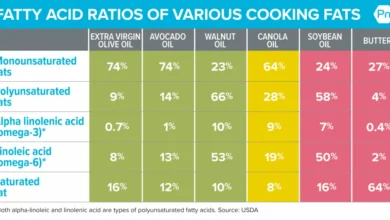
Dietary fats, primarily unsaturated fats derived from plant and marine sources, function synergistically with protein to promote satiety while fulfilling critical roles in cellular integrity and hormonal synthesis. Furthermore, dietary fats are obligatory for the bioavailability and systemic absorption of fat-soluble vitamins (A, D, E, and K), which govern neurological, dermatological, and immunological health.
Carbohydrates are structurally divided into two functional categories to optimize energy delivery and gastrointestinal health. Starchy carbohydrates—including whole grains, root vegetables, and legumes—supply glucose as the primary metabolic fuel for cerebral and muscular tissue, while providing complex carbohydrates and soluble fiber. Soluble fiber feeds the commensal microbiota of the gastrointestinal tract, supporting short-chain fatty acid production and modulating systemic inflammation. Non-Starchy Carbohydrates, predominantly leafy greens and fibrous vegetables, provide essential micronutrients, antioxidants, and physical bulk that assist in mechanical digestion and glycemic regulation without dense caloric loads.
The fifth element, designated as the Flavor Factor, incorporates culinary herbs, spices, sauces, and aromatics. While traditionally omitted from clinical macronutrient guides, this component addresses the psychological and sensory dimensions of food consumption. Nutritional researchers emphasize that palatability and culinary enjoyment are vital mediators of long-term dietary adherence, reducing the psychological deprivation commonly linked to chronic dieting.
Behavioral Implications and Public Health Impact
The broader public health implications of moving away from quantitative tracking toward qualitative meal templates are significant. Behavioral analyses of long-term weight management programs indicate that sustained health outcomes are driven by consistency rather than episodic perfection. When individuals rely on strict macro-tracking, social dining, travel, and unexpected schedule disruptions frequently trigger psychological abandonment of their nutritional protocols, fostering a cyclical pattern of start-and-stop behaviors.
By utilizing a visual check system that verifies the presence of all five nutritional elements, consumers can construct balanced meals in diverse environments—including restaurants, social gatherings, and professional settings—without specialized tools. Clinical observations from practitioners utilizing the Mindful Nutrition Method report marked reductions in food guilt, lower incidences of restrictive binge cycles, and improved subjective energy levels among participants. Furthermore, this approach aligns with contemporary nutritional psychiatry guidelines, which advocate for dietary patterns that support gut-brain communication and metabolic resilience without inducing orthorexic fixations.
Implementation Strategies for Everyday Nutrition
Implementing the Foundational Five model in a clinical or personal context begins with an assessment of individual nutritional goals, metabolic requirements, and personal tolerances, such as diagnosed food allergies or celiac disease. Rather than overhauling an entire dietary pattern overnight, behavioral specialists recommend gradual integration, beginning with historically challenging eating occasions, such as weekday breakfasts or lunches.
Because physiological demands vary based on biological sex, age, activity level, and metabolic health, the template remains inherently customizable. Portion sizes are adjusted dynamically in response to internal hunger and satiety cues rather than external numerical targets. This intuitive approach fosters interoceptive awareness, teaching individuals to recognize physiological signals of fullness and energy requirements.
As chronic lifestyle diseases continue to place a heavy burden on global healthcare systems, preventative health strategies are increasingly prioritizing accessible, psychologically sustainable interventions. Frameworks like the Foundational Five demonstrate that effective nutritional care does not require complex quantification; rather, it bridges the gap between rigorous biochemical science and the practical realities of daily human behavior.