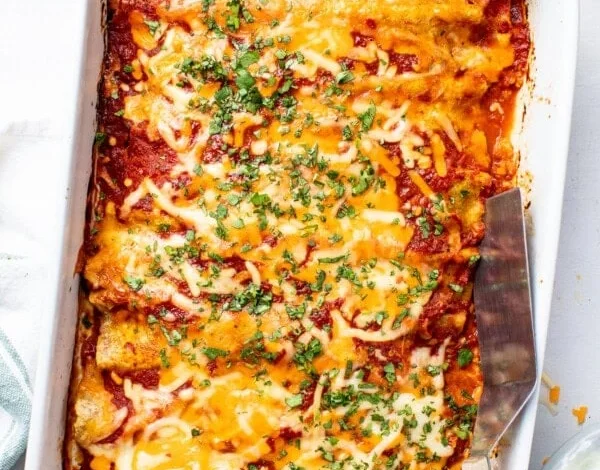
The culinary landscape of weeknight home cooking continues to shift toward dishes that successfully balance nutritional density with robust flavor profiles. Among the latest recipes gaining traction across digital food publications is a high-fiber variation of a comfort-food classic: Turkey and Black Bean Enchiladas. Developed as a practical solution for utilizing leftover ground poultry, the dish merges lean protein with fiber-rich legumes, catering to a growing consumer demand for health-conscious comfort foods that can be prepared efficiently within a standard household routine.
Main Facts and Nutritional Profile
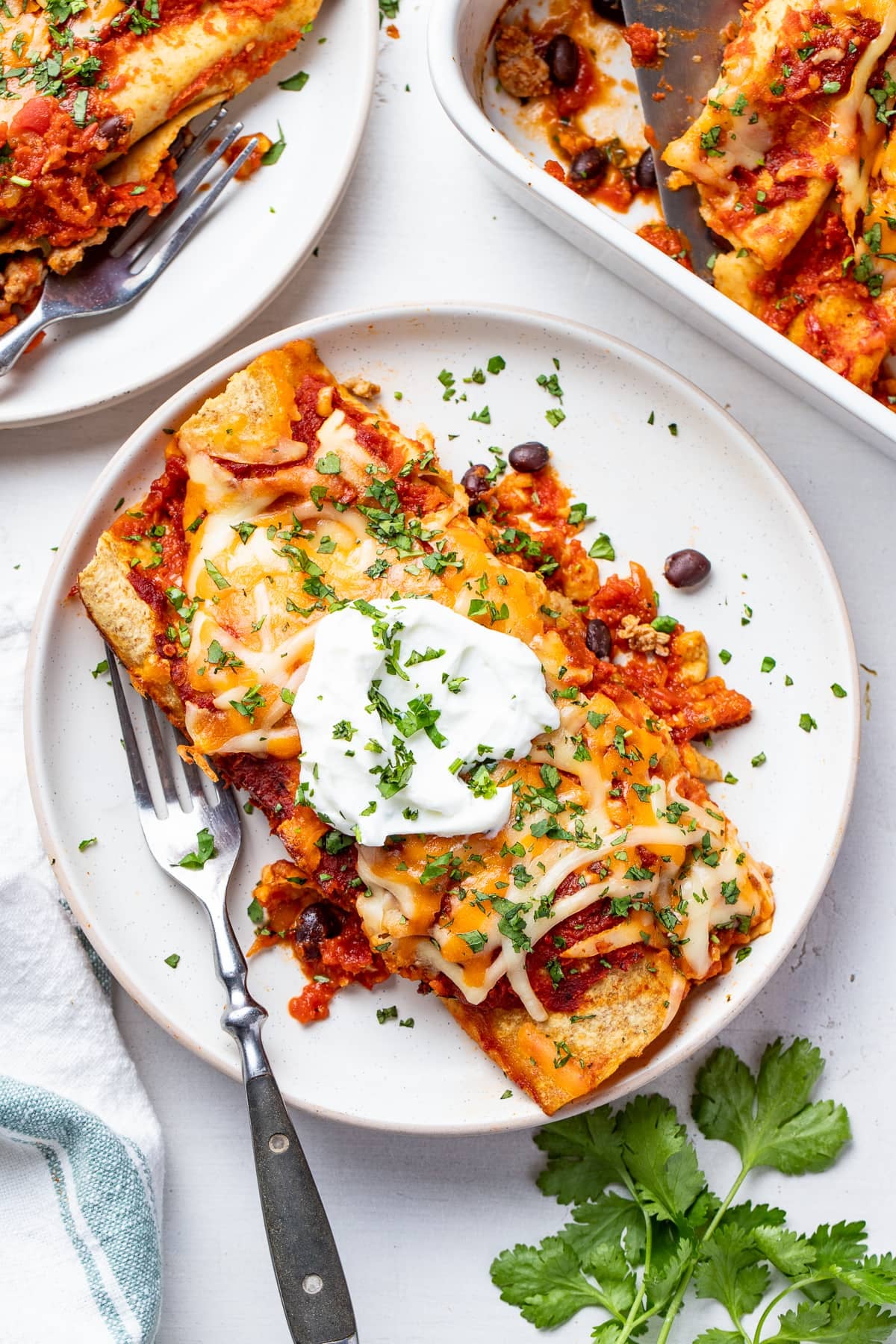
The recipe, which has remained a staple in home-cooking repertoires for over a decade, is designed to maximize dietary fiber and lean protein without sacrificing traditional Tex-Mex flavor profiles. Each individual serving yields approximately 271.5 kilocalories, 24 grams of protein, and a substantial 15 to 24 grams of dietary fiber, depending on specific ingredient adjustments.
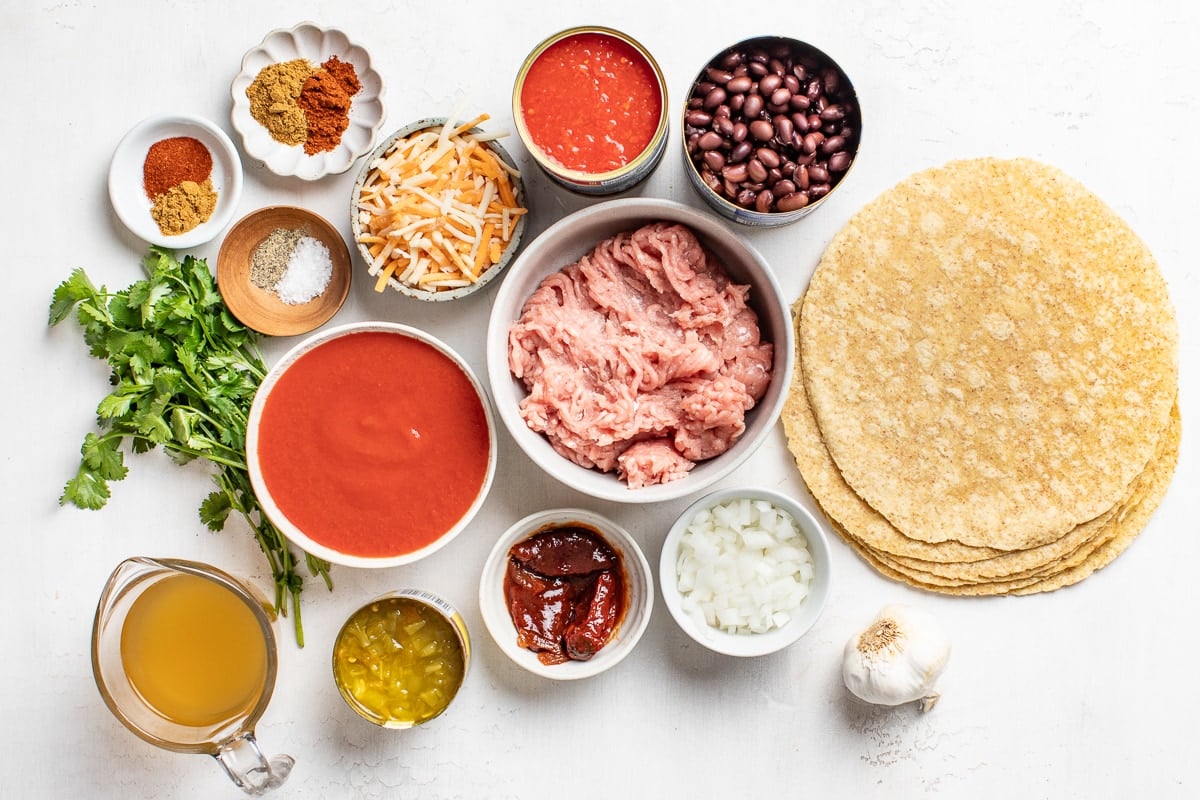
The primary components of the dish include:
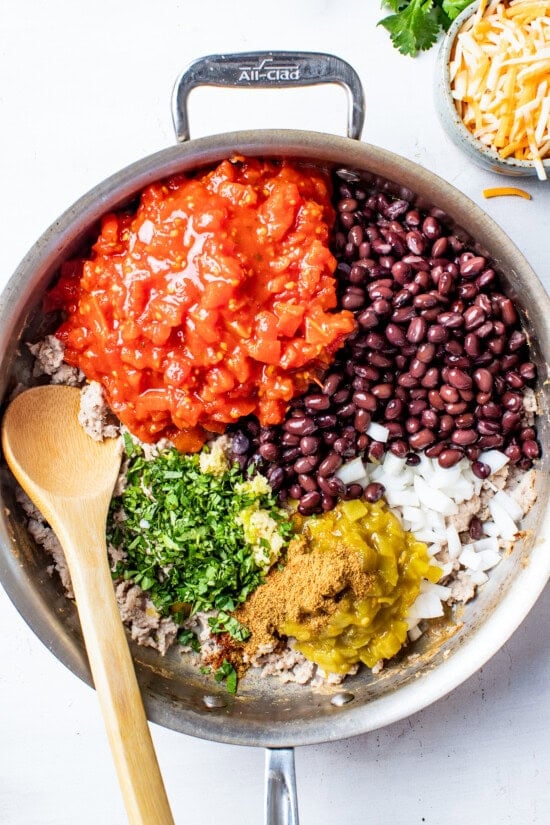
- Enchilada Filling: Seasoned ground turkey combined with black beans, aromatic spices, and chiles.
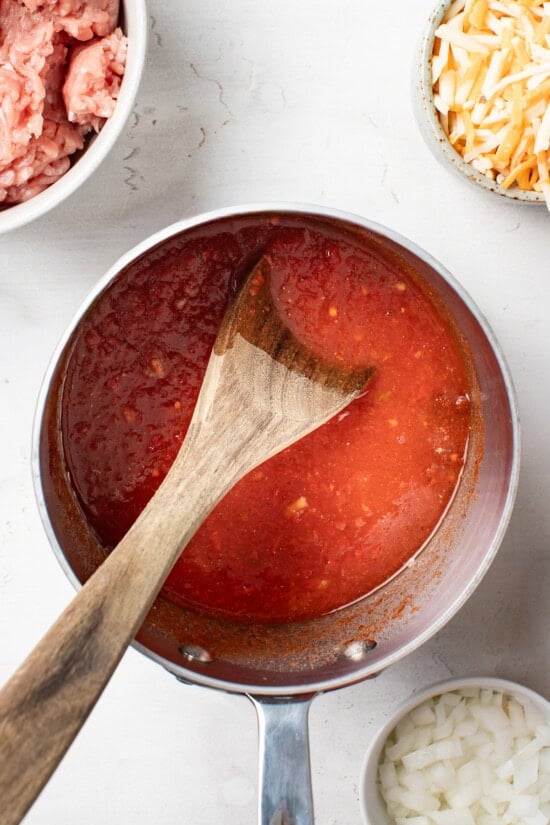
- Enchilada Sauce: A savory, spiced tomato- or chile-based sauce, with recommendations favoring homemade variations over commercial canned alternatives for depth of flavor.
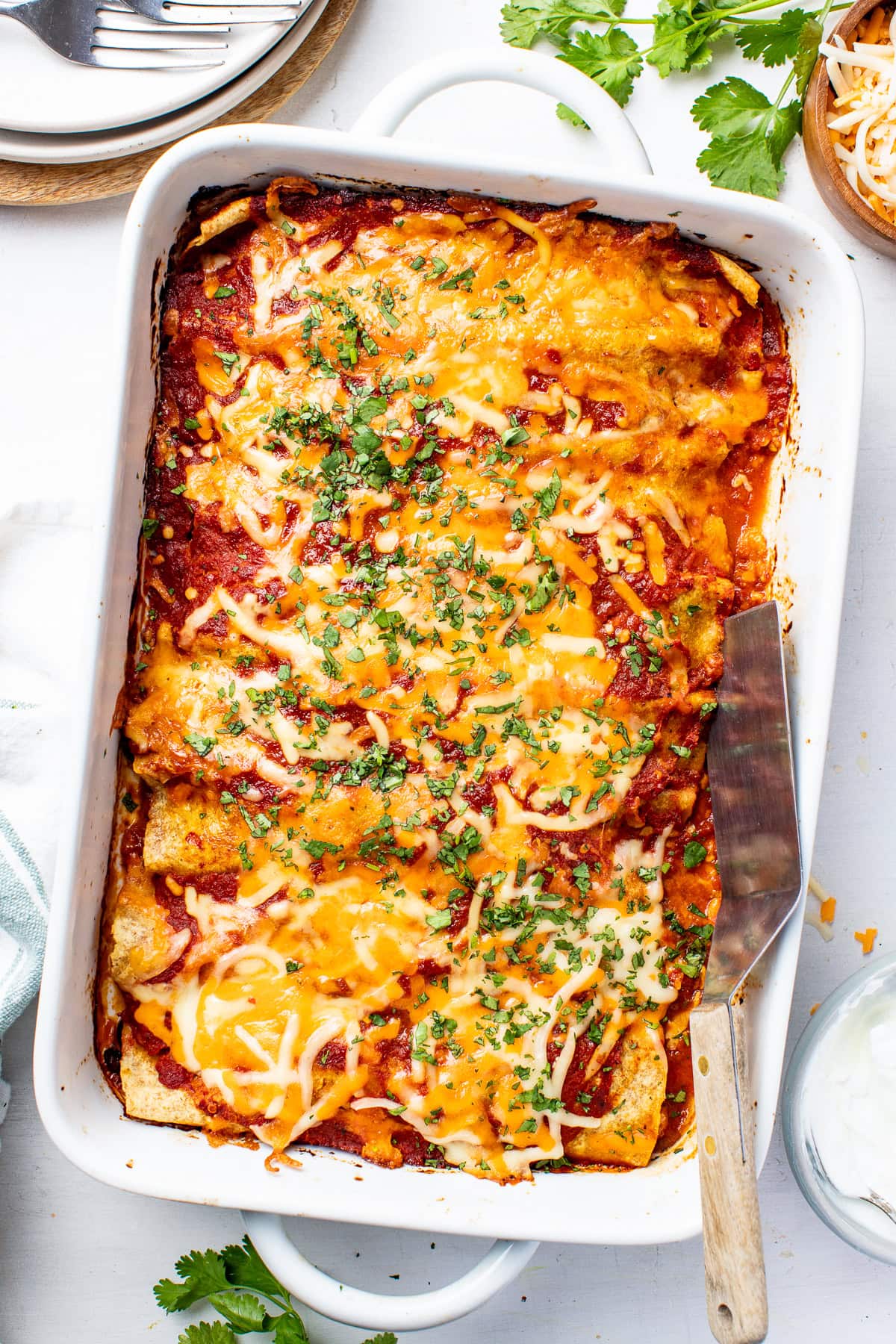
- Assembly: Rolled tortillas—typically corn or flour—stuffed with the turkey and bean mixture, coated in the prepared sauce, and topped with a controlled amount of melted cheese before baking.
Dietitians and culinary experts note that incorporating black beans into poultry dishes significantly increases soluble fiber intake, which supports cardiovascular health and digestive regulation. Furthermore, utilizing lean ground turkey offers a lower-saturated-fat alternative to traditional beef fillings, aligning with modern dietary guidelines recommended by public health organizations.

Chronology and Evolution of the Recipe
The concept of integrating black beans into poultry enchiladas emerged during a broader cultural shift in the late 2000s and early 2010s, as home cooks sought ways to adapt traditional Latin American recipes to fit contemporary American nutritional standards.

- 2010: Early iterations of the high-fiber turkey and black bean enchilada formula were introduced to digital platforms, emphasizing pantry staples and budget-friendly ingredients.
- Mid-2010s: Culinary creators refined the preparation methods, emphasizing the time-saving benefits of making components—such as the filling and sauce—in advance to accommodate busy schedules.
- Present Day: The recipe has evolved to incorporate advanced meal-prep strategies, including freezer-friendly instructions and guidance on minimizing food waste by preserving leftover ingredients, such as chipotles in adobo, using standard household freezing techniques.
Supporting Data and Culinary Methodology
Culinary analysts observe that weeknight dinners featuring ground meats remain among the most searched categories in digital food media due to their affordability and versatility. Ground turkey, in particular, has seen steady market demand as a preferred substitute for red meat in family-centric households.
Preparation guidelines for the Turkey and Black Bean Enchiladas emphasize structural integrity and flavor development:
- Sauce and Filling Preparation: Both elements can be prepared up to 48 hours in advance, streamlining the final assembly process.
- Assembly and Rolling: Proper handling of tortillas is highlighted as a critical step to prevent tearing. Warming tortillas prior to rolling ensures flexibility.
- Baking Phase: The assembled enchiladas are baked until the sauce bubbles and the cheese reaches a melted consistency, typically requiring moderate oven temperatures to ensure even heat distribution throughout the dish.
Common culinary pitfalls associated with enchilada preparation include utilizing excessively watery fillings that compromise the texture of the tortillas, or over-baking, which can dry out the poultry. Expert guidance recommends simmering the turkey and bean mixture until excess moisture has evaporated before assembly.
Broader Impact and Dietary Implications
The enduring popularity of recipes like Turkey and Black Bean Enchiladas reflects broader consumer trends prioritizing functional nutrition. As public health initiatives continue to emphasize the importance of dietary fiber—which the average adult consumes in quantities below recommended daily values—home-cooking platforms are increasingly evaluated on their ability to deliver nutrient-dense meals that require minimal specialized culinary skill.
Moreover, the versatility of the recipe allows for numerous dietary adaptations. Variations often include substituting plant-based proteins for ground turkey to accommodate vegetarian diets, utilizing gluten-free tortillas for individuals with celiac disease or gluten sensitivities, or adjusting the spice profile to suit regional taste preferences.
By combining accessible ingredients with clear, step-by-step preparation methods, dishes of this nature reinforce the role of home cooking in achieving long-term nutritional goals without sacrificing culinary satisfaction.