Unlocking the Colon Cancer Puzzle: Researchers Discover How a Common Gut Bacterium Triggers Tumor Formation

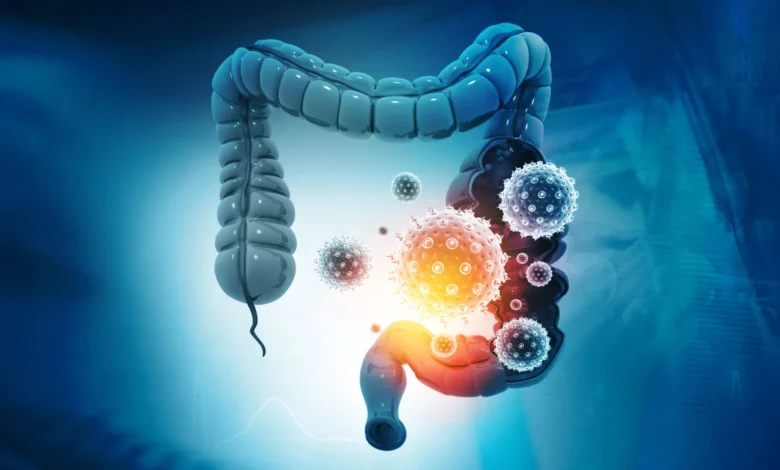
For nearly two decades, the biomedical research community has understood that a prevalent gut bacterium can secrete a potent toxin capable of damaging the intestinal lining and driving tumor growth. However, a fundamental missing link has consistently eluded scientists: how this toxin initially anchors itself to intestinal cells to instigate its destructive cascade. Now, a multi-institutional research team has successfully mapped that critical initial step, exposing a specific biological vulnerability that could fundamentally reshape preventative strategies for colorectal cancer and related gastrointestinal diseases.
The breakthrough, published in the prestigious journal Nature, was spearheaded by investigators at the Johns Hopkins Kimmel Cancer Center, the Bloomberg-Kimmel Institute for Cancer Immunotherapy, and the Johns Hopkins University School of Medicine. By deploying advanced genetic screening technologies, the research team identified a cellular protein known as claudin-4 as the essential docking receptor for the bacterial toxin, designated as BFT. Building rapidly upon this discovery, the team engineered a molecular decoy that successfully intercepted the toxin in laboratory models, shielding living tissue from harm and opening new avenues for prophylactic medicine.
Main Facts and the Discovery of Claudin-4
The core of the discovery revolves around Bacteroides fragilis, an anaerobic bacterium that permanently colonizes the human gastrointestinal tract. While this microorganism is a standard component of the healthy gut microbiome for up to 20 percent of the human population, a specific subset of these bacteria produces an aggressive protein known as B. fragilis toxin (BFT). When secreted, BFT compromises the structural integrity of the colon, triggering chronic inflammation and promoting the genesis of colorectal polyps and tumors.
Despite years of intensive study, the exact mechanism by which BFT gained entry into cells remained elusive. Earlier research established that the toxin targeted and dismantled E-cadherin, a structural protein crucial for maintaining intercellular adhesion and barrier function in the colon. Yet, biochemical analyses revealed that BFT did not bind directly to E-cadherin, implying the existence of an uncharacterized intermediary receptor.
To solve this long-standing biochemical mystery, researchers utilized CRISPR-Cas9 genome-wide screening. Led by Maxwell White, an M.D./Ph.D. candidate in the laboratory of senior author Dr. Cynthia Sears, the team collaborated with Harvard Medical School’s Dr. Matthew Waldor. By systematically mutating and disabling genes within human colon epithelial cells, the investigators sought to pinpoint which cellular component was mandatory for BFT binding.
The genomic screen delivered an unequivocal result: the gene responsible for producing claudin-4. When this specific gene was knocked out, BFT completely lost its ability to adhere to the cell surface, rendering it incapable of subsequently damaging E-cadherin. This confirmed that claudin-4 functions as the indispensable primary receptor for the bacterial toxin, a mechanism previously undocumented among bacterial proteases.
Chronology of Research and Structural Validation
The path to this recent revelation spans nearly twenty years of methodical scientific inquiry, marked by several foundational milestones in molecular oncology and microbiology:
- 2005–2009: Initial epidemiological and laboratory studies begin to link toxin-producing strains of Bacteroides fragilis with human inflammatory bowel diseases and elevated risks of colorectal carcinogenesis.
- 2009: Dr. Cynthia Sears and her colleagues publish a landmark study in Nature Medicine demonstrating that BFT administration actively promotes colon tumorigenesis in murine models, establishing a causative link between the bacterium, mucosal inflammation, and cancer.
- 2010–2022: Multiple research groups attempt to identify the cellular receptor for BFT, widely hypothesizing interactions with G protein-coupled receptors or standard cell-signaling proteins, yielding repeated dead ends.
- 2023–2024: Utilizing genome-wide CRISPR screening technologies, the Johns Hopkins and Harvard teams isolate and validate claudin-4 as the true binding site, overturning previous hypotheses regarding the toxin’s operational mechanics.
- 2024: Structural biology collaborations with the Molecular Biology Institute of Barcelona confirm the physical interaction between BFT and claudin-4, demonstrating a precise one-to-one molecular complex. Concurrently, preclinical testing of a soluble claudin-4 decoy successfully protects murine models from toxin-mediated tissue damage.
To cement these genetic findings with physical data, the Johns Hopkins team partnered with structural biologists F. Xavier Gomis-Rüth and Ulrich Eckhard at the Molecular Biology Institute of Barcelona. Using state-of-the-art biophysical assays, the international collaboration proved that BFT and claudin-4 form a tight, highly specific molecular complex in a strict one-to-one stoichiometric ratio. Interestingly, even cutting-edge artificial intelligence platforms, such as AlphaFold, struggled to fully predict the intricate three-dimensional architecture of this binding interface, underscoring the necessity of empirical structural biology in resolving complex protein interactions.
Supporting Data and Mechanistic Insights
Colorectal cancer remains one of the leading causes of cancer-related mortality worldwide, with environmental factors, chronic inflammation, and the composition of the gut microbiome playing deeply intertwined roles in its development. The identification of the BFT-claudin-4 axis provides vital quantitative insight into how microbial metabolites and secreted factors can subvert normal epithelial physiology.
In healthy tissue, claudin-4 is an integral component of tight junctions—multiprotein complexes that regulate paracellular permeability and prevent the unregulated passage of luminal antigens, toxins, and microbes into the underlying mucosa. By exploiting claudin-4 as a functional anchor, BFT subverts a structural protein designed to protect the host, turning a cellular gatekeeper into an entryway for pathological damage.
Furthermore, the discovery highlights a distinct enzymatic strategy. BFT is a zinc metalloprotease. While typical proteases act immediately upon contact with their primary substrate, BFT relies on its preliminary attachment to claudin-4 to position itself correctly before executing its proteolytic cleavage of E-cadherin. This multi-step pathogenesis represents a unique paradigm in bacterial virulence.
Official Responses and Expert Perspectives
The academic and clinical communities have greeted the findings with substantial enthusiasm, recognizing the study as a major step forward in both microbiology and oncology.
"We’ve made several attempts over time to identify the receptor, so this is an exciting moment," said Dr. Cynthia Sears, Bloomberg-Kimmel Professor of Cancer Immunotherapy and professor of medicine at Johns Hopkins University. Dr. Sears emphasized that decoding the mechanics of bacterial toxins provides a blueprint for entirely novel diagnostic and therapeutic modalities. "Understanding how bacterial toxins work can open doors to new approaches for detection and therapy for associated diseases, including diarrhea, colorectal cancer, and bloodstream infections," she noted.
Maxwell White, the study’s lead author, underscored the surprise of the discovery, noting that claudin-4’s role as a structural tight-junction component rather than a classic signaling receptor upended initial laboratory assumptions. "It took a while to get the assay working and validate the approach, but once we were able to screen, claudin-4 was a clear, resounding top hit," White stated.
The development of the molecular decoy—achieved in collaboration with Dr. Min Dong’s laboratory at Harvard Medical School, including researcher Kang Wang—demonstrates the immediate translational potential of the work. By fabricating soluble proteins mimicking claudin-4 sequences, the researchers successfully tricked the circulating toxin into binding with the decoy rather than the epithelial cells of the host intestine. In murine trials, this pharmacological interception completely neutralized the pathogenic effects of BFT.
Broader Impact, Implications, and Future Horizons
The implications of this discovery extend far beyond basic microbiology, offering a tangible framework for clinical intervention in human gastrointestinal diseases.
Preventative Oncology and Pharmacology
While animal models successfully demonstrated that the molecular decoy protects against acute tissue degradation, researchers emphasize that further studies are required to determine whether this strategy can definitively prevent colorectal cancer initiation in human populations. Nevertheless, the development of a targeted interception mechanism provides a clear medicinal blueprint.
Researchers are now pivoting toward the optimization of these findings. According to the study team, future iterations of the decoy strategy could involve small molecule inhibitors or engineered biologics boasting enhanced pharmacological stability, improved bioavailability, and simplified delivery mechanisms suited for human clinical administration. Small molecules and protein-based biologics represent two of the most rapidly advancing pillars of modern pharmacotherapy, offering precise targeting with minimized systemic toxicity.
Microbiome Management and Diagnostics
As the scientific consensus solidifies around the role of the microbiome in oncogenesis, defining the precise molecular interactions of pathogenic bacterial strains allows for more sophisticated diagnostic assays. Clinicians may one day utilize biomarker panels to screen for high-risk strains of Bacteroides fragilis and deploy targeted prophylactic treatments to neutralize BFT production before chronic inflammation can induce mutational changes in epithelial cells.
Funding and Collaborative Support
This multifaceted research endeavor was supported by a coalition of major biomedical funding bodies. Financial contributions were provided by the Bloomberg-Kimmel Institute for Cancer Immunotherapy, Janssen Research and Development, Cancer Research UK, the Howard Hughes Medical Institute, and the National Institutes of Health under specific grant allocations (including R01 AI042347, R01 NS080833, R01 NS117626, R01 AI170835, and R01 AI189789). Additional key contributions to the study were authored by Jason Chen, Shaoguang Wu, Abby L. Geis, and Jessica Queen of Johns Hopkins, alongside Hailong Zhang, Karthik Hullahalli, and Jie Zhang of Harvard Medical School.
As investigators continue to refine the three-dimensional structural models of the BFT-claudin-4 complex and transition toward human clinical trials, this foundational discovery stands as a testament to the power of modern genomic screening in solving decades-old biomedical mysteries. By mapping the precise molecular handshake that initiates bacterial pathogenesis, science has moved one step closer to intercepting colorectal cancer at its earliest microbial roots.