Magnesium: Understanding the Essential Mineral and the Science Behind Modern Supplementation


Magnesium is a cornerstone of human physiological health, serving as a vital cofactor in over 300 biochemical reactions. From the rhythmic beating of the heart to the intricate firing of neurons and the structural integrity of the skeletal system, this essential mineral is fundamental to systemic homeostasis. Despite its ubiquity in biological processes, public health data consistently indicates a widespread shortfall in dietary magnesium intake, prompting a surge in the popularity of specialized mineral supplements. As the market for these products expands, discerning the differences between chemical formulations has become increasingly important for consumers and healthcare providers alike.

The physiological requirements for magnesium are well-documented by global health authorities. According to the National Institutes of Health (NIH), the recommended daily allowance for adults generally falls between 310 and 420 milligrams, with specific needs fluctuating based on age, biological sex, and physiological status. Magnesium is abundant in a variety of whole foods, including dark leafy greens, legumes, nuts, seeds, and unrefined grains. Nevertheless, modern dietary patterns—often characterized by high consumption of processed foods—have contributed to a widespread, sub-clinical deficiency. While the kidneys are remarkably efficient at conserving magnesium when intake is low, long-term suboptimal consumption can impact metabolic function and exacerbate vulnerabilities to chronic conditions.
A Chronology of Research and Dietary Awareness
The clinical interest in magnesium has evolved significantly over the last several decades. In the mid-20th century, magnesium was primarily studied in the context of severe deficiency, which is relatively rare in healthy individuals. However, as longitudinal health studies gained prominence in the 1990s and early 2000s, researchers began to identify correlations between magnesium status and the prevalence of chronic metabolic syndromes.

By the 2010s, the focus shifted toward "sub-clinical" deficiencies—a state where individuals are not overtly symptomatic but lack the optimal levels required for long-term health protection. In 2024 and 2025, the research landscape saw an influx of randomized, double-blind, placebo-controlled trials focusing on specific magnesium compounds, such as magnesium L-threonate, moving the field away from generalized mineral recommendations toward a more nuanced, compound-specific understanding of human physiology.
The Mechanism of Action and Systemic Impact
At the cellular level, magnesium acts as a gatekeeper for energy metabolism. It is a critical component of adenosine triphosphate (ATP), the primary energy carrier in cells. Without adequate magnesium, the body cannot effectively synthesize DNA, manage protein production, or maintain the electrical potential across cell membranes. Furthermore, magnesium serves as a natural antagonist to calcium; while calcium facilitates muscle contraction, magnesium promotes relaxation. This delicate balance is essential for the prevention of muscle spasms, the maintenance of blood pressure within healthy ranges, and the regulation of cardiac rhythm.

Recent investigations into the mineral’s impact on neurological health have yielded promising, albeit preliminary, insights. Because magnesium is involved in the modulation of neurotransmitter pathways, researchers are currently exploring its potential role in mitigating anxiety, improving sleep architecture, and supporting cognitive longevity. However, scientific consensus maintains that these benefits are most pronounced in individuals who are correcting a pre-existing deficit rather than those who are already magnesium-sufficient.
Analyzing the Diversity of Supplement Formulations
One of the most common points of confusion for the modern consumer is the chemical diversity of magnesium supplements. Magnesium must be bound to a carrier molecule to remain stable, and this bond dictates how the mineral is absorbed, distributed, and eventually excreted.
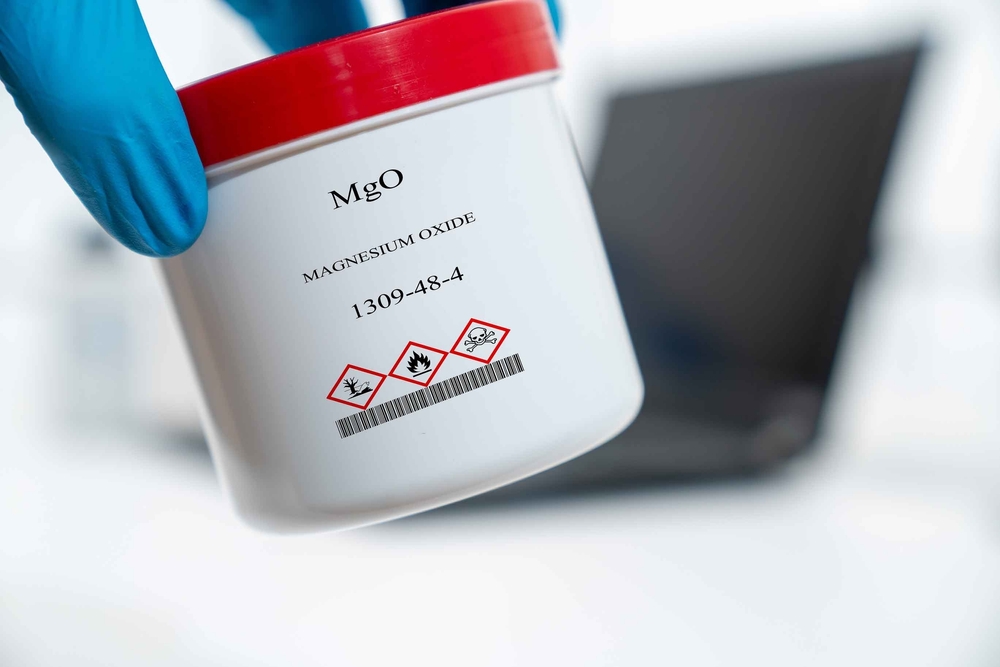
- Magnesium Oxide: Characterized by high elemental magnesium content, this form is frequently found in inexpensive supplements. However, its low solubility limits its bioavailability. Clinically, it is utilized primarily for its osmotic laxative effect rather than as a reliable method for increasing systemic magnesium levels.
- Magnesium Bisglycinate: Composed of magnesium bound to the amino acid glycine, this form is widely regarded for its superior absorption and tolerability. Because glycine is an inhibitory neurotransmitter, this combination is often favored by clinicians for patients who experience gastrointestinal sensitivity or are seeking support for sleep routines.
- Magnesium Citrate: This form is highly soluble and exhibits high bioavailability. Its propensity to draw water into the intestinal tract makes it a dual-purpose supplement, serving both as a source of magnesium and as a remedy for occasional constipation.
- Magnesium Malate: Linked to malic acid—a key intermediate in the Krebs cycle—this form is often researched in the context of energy production and muscular recovery. While marketing materials frequently associate it with relief for fibromyalgia, current clinical evidence remains insufficient to confirm these specific therapeutic claims.
- Magnesium L-Threonate: This represents the cutting edge of magnesium research. Developed specifically for its ability to cross the blood-brain barrier, it has shown potential in enhancing synaptic density and improving cognitive performance. Recent trials indicate that it may have a unique role in supporting working memory and episodic recall in younger and middle-aged populations.
Data-Driven Considerations and Safety Profiles
The transition from whole-food consumption to concentrated supplementation requires a measured approach. Regulatory bodies advise that adults limit supplemental magnesium intake to 350 mg per day unless under the explicit supervision of a medical professional. Excess intake—particularly from highly soluble forms—can lead to diarrhea, nausea, and abdominal cramping.
More critically, the pharmacological implications of magnesium supplementation cannot be overstated. Magnesium interacts with various classes of medication, including bisphosphonates (used for osteoporosis), certain antibiotics (such as tetracyclines and fluoroquinolones), and diuretics. Clinical guidelines mandate a window of at least two hours between the administration of these medications and magnesium supplementation to prevent the reduction of drug efficacy.

Implications for Public Health and Future Trends
The broader implication of current research is a paradigm shift toward personalized nutrition. As the scientific community continues to move past the "one size fits all" approach to mineral supplementation, healthcare providers are increasingly focusing on the specific chemical forms that match a patient’s health goals.
For instance, the emergence of data regarding Magnesium L-threonate and cognitive performance suggests that we may soon see mineral therapies integrated into neurology and geriatric care more formally. Similarly, the ongoing validation of magnesium bisglycinate as a standard, high-tolerability supplement provides a safe, evidence-based intervention for the general population.

However, researchers caution against the trend of "self-prescribing" based on anecdotal evidence found online. The complexity of mineral interaction within the body—specifically the interplay between magnesium, calcium, and vitamin D—requires a holistic view. If an individual suspects a deficiency, the first step should always be an assessment of dietary intake and a consultation with a healthcare provider to rule out underlying conditions, such as malabsorption syndromes or kidney function issues, which can drastically alter how the body processes mineral supplementation.
Conclusion
Magnesium remains an indispensable element of human health, serving as a quiet but powerful regulator of the body’s most critical systems. While dietary sources remain the gold standard for maintaining adequate levels, the strategic use of supplements can bridge the gap for those with increased needs or compromised absorption. By focusing on bioavailable forms and adhering to established safety protocols, individuals can effectively support their long-term physiological health. As science advances, the focus will likely remain on optimizing these delivery systems, ensuring that supplementation is not just a reactive measure, but a proactive strategy for maintaining systemic well-being.
Related posts: