Over 60? Why Chronic Cold Feet Are Often a Symptom of Diminishing Nitric Oxide and How Strategic Nutrition Can Restore Circulation

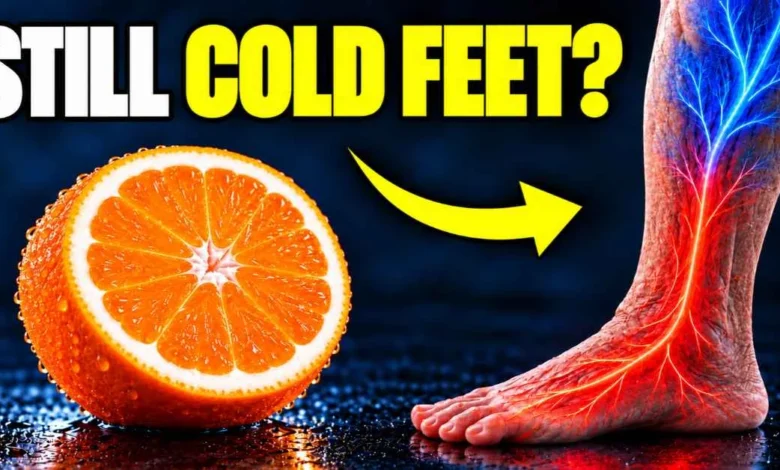
Chronic cold feet, particularly in individuals over the age of 60, represent a common yet frequently misunderstood physiological challenge. While often dismissed as a benign byproduct of aging or cold environments, persistent coldness in the extremities can be a clinical indicator of compromised vascular function. As the body ages, the efficiency of the circulatory system—specifically the mechanisms responsible for vasodilation and blood vessel maintenance—begins to decline. Recent research suggests that by shifting focus away from singular dietary interventions, such as beet juice consumption, and toward a multifaceted nutritional approach, older adults can effectively support vascular health and improve peripheral circulation.
The Physiology of Peripheral Circulation
To understand why extremities lose warmth, one must first examine the role of nitric oxide, a critical signaling molecule produced by the endothelium, or the inner lining of blood vessels. Nitric oxide serves as a vasodilator, signaling the smooth muscle within blood vessel walls to relax, thereby increasing diameter and blood flow.
As individuals pass the age of 60, the production and bioavailability of nitric oxide often drop precipitously. This decline is compounded by structural changes in the arterial walls, which lose elasticity over time, becoming more rigid and prone to oxidative stress. A clinical analogy is that of a garden hose: if the source of water (nitric oxide production) is diminished, the conduit (the blood vessel) is compromised by structural leaks (oxidative damage), and the material itself becomes brittle (arterial stiffening), the volume and reach of the fluid flow to the extremities will inevitably suffer.
The Limitations of Single-Nutrient Interventions
Many individuals seek relief through beet juice, which is high in dietary nitrates that the body converts into nitric oxide. While beneficial, this approach only addresses the "supply" side of the circulation equation. It does not account for the structural integrity of the vessels or the protective mechanisms required to prevent the rapid degradation of nitric oxide. Comprehensive vascular health requires a three-pronged approach: supporting raw material production, protecting existing vessels from oxidative leakage, and maintaining the structural flexibility of the arterial walls.
Nutrient Profiles for Vascular Support
Clinical research has identified three specific nutrients that play a pivotal role in maintaining vascular health during the aging process.
1. Taurine: The Guardian of Arterial Flexibility
Taurine, a naturally occurring amino acid, is essential for maintaining the health of blood vessel walls. A 2023 study published in the journal Science highlighted a significant clinical concern: taurine levels in human blood decline by approximately 80 percent by the time individuals reach their seventh decade. This deficiency correlates with decreased arterial elasticity. Subsequent trials, including research published in the journal Hypertension, have indicated that taurine supplementation in adults with borderline-hypertension can improve vascular responsiveness and contribute to lower blood pressure readings. Dietary sources are primarily limited to animal proteins, specifically seafood and dark poultry meat, making it a critical consideration for those with plant-based diets.
2. Citrus Bioflavonoids: The Shield Against Oxidative Damage
Vitamin C and the bioflavonoid hesperidin, found in high concentrations in citrus fruits, act as protective agents for nitric oxide. Nitric oxide is notoriously unstable and prone to oxidative breakdown; vitamin C serves as an antioxidant that preserves its integrity. Furthermore, hesperidin has demonstrated efficacy in improving small vessel function. Notably, research suggests that the highest concentration of these beneficial compounds is found in the "pith"—the white, spongy layer between the fruit and the peel—which is frequently discarded by consumers.

3. L-Citrulline: The Precursor to Arginine
The amino acid L-citrulline serves as a precursor to L-arginine, which is the direct substrate for nitric oxide synthesis. While many supplements provide L-arginine directly, oral consumption often leads to significant degradation in the digestive tract. L-citrulline bypasses this limitation, as it is efficiently absorbed and subsequently converted into arginine within the body. Clinical data from Florida State University suggests that regular intake of watermelon extract, a primary source of citrulline, can improve arterial function and reduce central blood pressure.
The Role of Dietary Sodium and Lifestyle Factors
Beyond the addition of specific nutrients, the moderation of sodium intake is critical. High sodium consumption is associated with increased arterial stiffness and the degradation of nitric oxide pathways. Research conducted at the University of Colorado demonstrated that even in individuals with mildly elevated blood pressure, a significant reduction in sodium intake—down to approximately one teaspoon per day from all sources—resulted in measurable improvements in vascular responsiveness.
Furthermore, physical movement remains the most effective natural mechanism for stimulating nitric oxide production. The mechanical stress of blood flow against vessel walls during exercise triggers the endothelium to release more nitric oxide, essentially acting as a biological "tap" that increases flow to the extremities.
Clinical Considerations and Professional Guidance
While dietary adjustments offer promising avenues for managing cold extremities, they are not a substitute for medical intervention. Medical professionals emphasize that chronic cold feet should be evaluated for underlying conditions such as peripheral artery disease (PAD), diabetes, or cardiovascular insufficiency. Symptoms that warrant immediate medical attention include:
- Unilateral or bilateral calf pain during activity (claudication)
- Slow-healing sores or ulcers on the feet or lower legs
- Discoloration of the skin, such as persistent pallor or a blueish hue
- Asymmetric temperature differences between the two feet
Patients currently prescribed medication for blood pressure, heart conditions, or blood sugar management, or those with diagnosed kidney disease, must consult their primary care physician before initiating any supplement regimen. Supplements, particularly those containing vitamin K2, can interact with anticoagulants like warfarin.
Conclusion and Future Implications
The shift toward a holistic approach to circulation—one that emphasizes the synergy of taurine, citrus-derived flavonoids, and L-citrulline—marks a move away from simplistic "quick-fix" health trends. By focusing on the biological mechanisms of vascular health, older adults can adopt sustainable dietary habits that support not just the warmth of their feet, but the long-term integrity of their cardiovascular systems.
As the population continues to age, the integration of these nutritional strategies into daily routines represents a proactive step in managing the systemic effects of aging. However, the efficacy of these interventions remains contingent upon the individual’s overall medical profile, reinforcing the necessity of a physician-led approach to circulatory health. Regular monitoring and a commitment to movement remain the cornerstones of maintaining a healthy, functional cardiovascular system well into later life.