Maintaining cardiovascular health after the age of 60 often involves a complex balancing act of supplementation and dietary management, particularly concerning the regulation of calcium in the body. While calcium is essential for bone density and skeletal integrity, medical researchers have increasingly focused on the phenomenon of vascular calcification—the accumulation of calcium deposits within the arterial walls. This condition, often exacerbated by the improper use of vitamin D and calcium supplements, can lead to arterial stiffening and increased cardiovascular risk. Understanding the interplay between key nutrients—specifically pomegranate polyphenols, magnesium, and vitamin K2—is essential for ensuring that calcium is directed toward the skeletal system rather than the circulatory system.
The Mechanism of Vascular Calcification
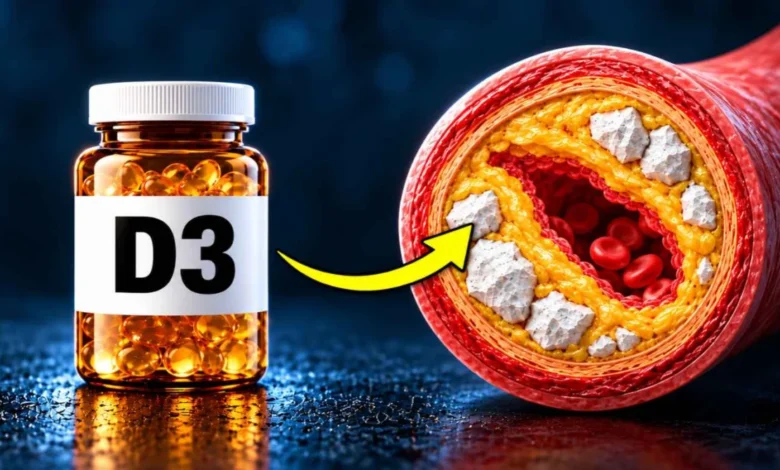
The clinical narrative surrounding arterial health often centers on the "calcium paradox." Calcium is a vital mineral, with approximately 99% of the body’s supply residing in bones and teeth. However, its biological mobility is regulated by specific proteins and vitamins. Vitamin D3 is widely recognized for its role in enhancing intestinal calcium absorption. While this is beneficial for bone health, the process can become problematic if the body lacks the secondary mechanisms required to transport that calcium into the bone matrix.
In the absence of regulatory signals, absorbed calcium may remain in the bloodstream, eventually depositing in the tunica media and intima of the arteries. These deposits contribute to the formation of arterial plaque, a process often triggered by inflammation and the oxidation of low-density lipoprotein (LDL) cholesterol. When the arterial wall is damaged or inflamed, it becomes a receptive site for these mineral deposits, leading to a loss of arterial elasticity and a higher probability of atherosclerotic events.
The Role of Pomegranate Polyphenols
Pomegranate (Punica granatum) has emerged as a subject of interest in nutritional science due to its high concentration of polyphenols, specifically punicalagins. These compounds function primarily as antioxidants, mitigating the "rusting" effect of oxidized LDL cholesterol within the vascular system.
Clinical investigations into pomegranate consumption suggest a protective effect on the arterial lining. A notable 2004 study published in the journal Clinical Nutrition examined patients with carotid artery stenosis, finding that consistent daily intake of pomegranate juice over 12 months was associated with a reduction in carotid intima-media thickness (CIMT) by up to 30%. While subsequent larger-scale studies have yielded mixed results regarding the reversal of existing plaque, the consensus remains that the anti-inflammatory properties of pomegranate polyphenols serve as a protective barrier, reducing the sites where calcium is likely to aggregate.
Magnesium: The Critical Mineral Co-Factor
Magnesium acts as a vital co-factor for over 300 enzymatic reactions in the human body, including those that govern calcium homeostasis. Despite its importance, it is frequently absent from the list of minerals in fortified foods. Magnesium serves three primary functions in preventing arterial calcification:

- Crystal Inhibition: Magnesium prevents calcium and phosphate from binding into hard hydroxyapatite crystals, the same mineral structure found in bones. By maintaining these minerals in a softer, more soluble state, magnesium reduces the risk of crystalline deposits in blood vessels.
- Cellular Regulation: Under conditions of metabolic stress, vascular smooth muscle cells can undergo an "osteogenic transition," essentially behaving like bone cells and promoting mineralization. Magnesium inhibits this phenotypic switch, protecting the integrity of the vessel walls.
- Vitamin D Activation: Magnesium is required for the conversion of vitamin D into its active form. Without adequate magnesium, vitamin D supplementation may be largely ineffective, failing to facilitate the necessary calcium transport to the bones.
Data from the Framingham Heart Study underscores this relationship; researchers found that higher magnesium intake correlated significantly with lower levels of coronary artery calcium (CAC). In patient populations with chronic kidney disease—a group highly susceptible to vascular calcification—magnesium supplementation has been shown to slow the progression of mineral deposition, making it a critical nutrient for long-term heart health.
Vitamin K2 and the Matrix Gla Protein
The most critical factor in directing calcium to the skeletal system is vitamin K2, specifically in the form of menaquinone-7 (MK-7). Vitamin K2 is distinct from K1, which is primarily responsible for blood clotting. K2 works by "switching on" the Matrix Gla Protein (MGP), a potent inhibitor of vascular calcification.
MGP is synthesized in the arterial wall, but it is produced in an inactive, uncarboxylated state. Vitamin K2 acts as the catalyst that carboxylates MGP, enabling it to bind and remove calcium from the arterial walls. Simultaneously, K2 activates osteocalcin, a protein that facilitates the incorporation of calcium into the bone matrix.
The Rotterdam Study, a long-term epidemiological project involving over 5,000 participants, demonstrated that individuals with the highest dietary intake of natural vitamin K2 had a 52% lower risk of severe aortic calcification. Furthermore, a 2017 study from Maastricht University involving postmenopausal women showed that 180 micrograms of MK-7 per day significantly improved arterial stiffness over three years. This evidence suggests that K2 is not merely a supplement but a foundational component of cardiovascular maintenance.
Clinical Implications and Risk Management
The prevalence of vascular calcification in older adults has led to a re-evaluation of common supplementation practices. Medical professionals now advise caution regarding high-dose calcium supplementation without adequate intake of K2 and magnesium.
- Supplementation Risks: Research, including meta-analyses of the Women’s Health Initiative, has indicated that excessive calcium supplementation (exceeding 1,000 mg/day) may be associated with an increased risk of cardiovascular events in certain cohorts.
- Fat-Soluble Absorption: Both vitamin D and vitamin K2 are fat-soluble. Therefore, their bioavailability is significantly increased when taken in conjunction with dietary fats, such as olive oil, avocados, or eggs.
- Medication Interactions: It is imperative that patients consult with healthcare providers before altering their regimen. Specifically, patients on anticoagulants such as warfarin (Coumadin) must be monitored, as vitamin K2 can influence blood clotting parameters. Similarly, individuals with pre-existing kidney disease must exercise caution with magnesium intake to avoid hypermagnesemia.
Beyond Supplements: The Necessity of Mechanical Loading
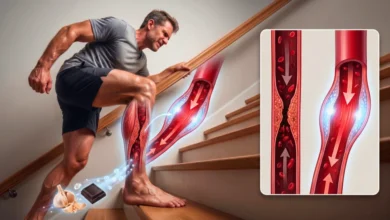
While nutritional intervention provides the chemical environment necessary to prevent calcification, it cannot replace the mechanical stimulus required for bone health. Physical activities that involve weight-bearing—such as walking, stair climbing, and resistance training—send critical physiological signals to the body to prioritize the storage of calcium in the skeletal system. This mechanical stress is a non-negotiable aspect of the body’s internal "foreman," directing calcium to where it is needed most.
Conclusion: A Multidisciplinary Approach
The management of cardiovascular health after age 60 requires a departure from singular, nutrient-focused thinking. Instead, it demands a holistic approach that integrates the protective anti-inflammatory benefits of pomegranate, the regulatory crystalline inhibition of magnesium, and the calcium-directing power of vitamin K2. By viewing these nutrients as essential partners to vitamin D rather than isolated supplements, individuals can significantly improve their odds of maintaining vascular elasticity and skeletal strength. As with any significant change to a health regimen, these strategies should be implemented under the guidance of a physician, ensuring that interventions are tailored to an individual’s specific medical history and diagnostic profile.