Effective Strategies for Relieving Chronic Neck and Shoulder Tension Through Mindful Movement

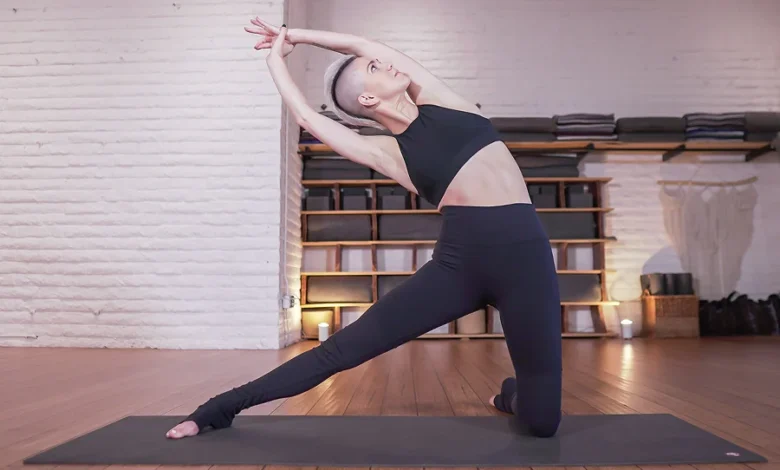
The modern workplace has undergone a significant transformation, with sedentary habits, prolonged screen time, and ergonomic challenges becoming the standard for millions of professionals. As a direct result, physical medicine practitioners and orthopedic experts have observed a sharp rise in patients reporting chronic neck and shoulder tension. This condition, frequently characterized by localized pain, restricted range of motion, and associated tension headaches, is rarely the result of a single acute injury. Instead, it is typically the cumulative effect of repetitive, suboptimal postural habits that place chronic strain on the cervical spine and the trapezius muscle groups.
The Anatomy of Tech Neck and Cumulative Stress
Recent clinical data suggests that the phenomenon often referred to as "tech neck" is a growing public health concern. When an individual tilts their head forward to view a smartphone or laptop, the mechanical load placed on the cervical spine increases exponentially. Research indicates that while the human head weighs approximately 10 to 12 pounds in a neutral, upright position, a forward tilt of just 15 degrees increases the force on the neck muscles to roughly 27 pounds. At a 60-degree angle—a common posture for mobile device users—that load can escalate to 60 pounds, creating significant potential for ligamentous strain and muscular fatigue.
Beyond the biomechanical factors, the intersection of psychological stress and physical posture creates a feedback loop. High-stress environments often trigger an unconscious "fight-or-flight" response, which manifests physically as elevated shoulders and a tightened thoracic cavity. When sustained over an eight-to-ten-hour workday, this unconscious bracing leads to the formation of myofascial trigger points, commonly known as knots, which further limit mobility and increase the threshold of pain for the individual.
Chronology of Muscle Tension Development
The development of chronic upper-body discomfort generally follows a predictable timeline:

- The Incubation Phase (0–2 hours): Initial onset occurs as postural integrity begins to wane. The head drifts forward, and the shoulders round inward, placing the rhomboids and middle trapezius in a state of chronic lengthening.
- The Fatigue Phase (2–5 hours): Without ergonomic intervention, the muscles responsible for stabilizing the shoulder girdle reach a point of exhaustion. Micro-tears in the muscle fibers may occur, triggering a systemic inflammatory response.
- The Compensatory Phase (5+ hours): The body attempts to compensate for the fatigue by recruiting secondary muscle groups, such as the levator scapulae and sternocleidomastoid. This is often when individuals begin to experience radiating pain or tension-type headaches originating from the base of the skull.
Therapeutic Efficacy of Yoga-Based Intervention
In recent years, the medical community has increasingly looked toward therapeutic movement as a low-risk, high-reward intervention for chronic musculoskeletal tension. Yoga, specifically when practiced with an emphasis on alignment and breathwork, serves as a dual-modality treatment. Physically, it addresses the hypertonicity of the muscles through systematic stretching; neurologically, it utilizes the parasympathetic nervous system to downregulate the body’s stress response.
A 2022 study published in the Journal of Occupational Health found that employees who incorporated five-minute "movement breaks" involving controlled cervical and thoracic rotations reported a 34% reduction in self-reported neck pain over a six-week period. These results highlight that the intervention need not be exhaustive to be effective; rather, it is the consistency of the habit that yields long-term health outcomes.
Clinical Techniques for Tension Release
For those seeking to mitigate the impact of desk-bound labor, specific movements have been identified as highly effective for decompression.
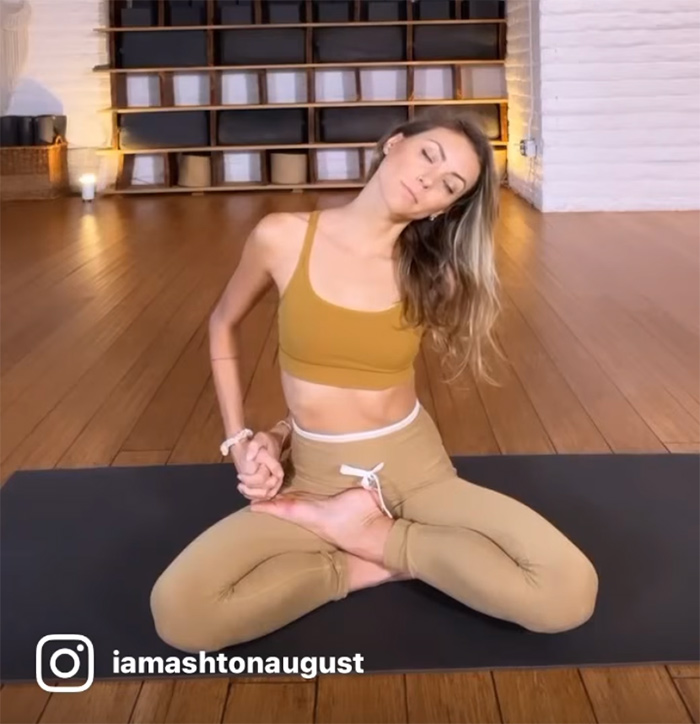
Lateral Cervical Elongation
This movement targets the upper trapezius and the lateral neck chain. By gently inclining the ear toward the shoulder while simultaneously anchoring the opposite arm, the practitioner creates a controlled eccentric contraction. This process is essential for lengthening the muscles that have become shortened due to habitual slouching.
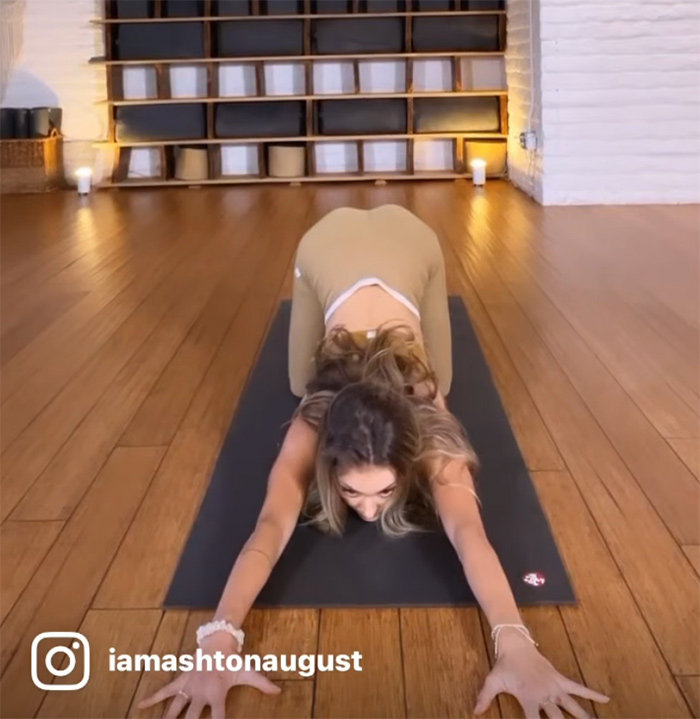
Thoracic Mobilization in Puppy Pose
The "Puppy Pose" variant, when modified with a chin tuck, serves to decompress the cervical spine. By keeping the hips stacked over the knees, the practitioner isolates the thoracic spine and the latissimus dorsi. This position is particularly effective for those whose neck tension is secondary to mid-back stiffness.
Rotational Mobility with Seal Pose Dips
The integration of spinal extension with lateral rotation addresses the thoracic spine’s frequent lack of mobility. By "tenting" the fingers and performing shoulder dips, the practitioner engages the serratus anterior and rhomboid muscles, facilitating better blood flow to the upper back and encouraging the shoulder blades to track correctly against the rib cage.
Professional Recommendations and Risk Management
While mindful movement and yoga are widely supported as safe, non-pharmacological approaches to pain management, they are not a panacea for all forms of discomfort. Healthcare providers emphasize the importance of distinguishing between simple muscular tension and underlying pathology.
Dr. Aris Thorne, a specialist in rehabilitative medicine, notes, "Movement is medicine, but it must be applied with intention. If a patient experiences numbness, tingling, or radiating pain down the arms, these are ‘red flag’ symptoms that suggest nerve impingement rather than simple muscular tightness. In such cases, a professional diagnostic scan, such as an MRI or X-ray, is necessary to rule out cervical disc herniation or spinal stenosis."
Furthermore, the implementation of these techniques should always be preceded by an assessment of the individual’s ergonomic environment. Adjusting a computer monitor to eye level and ensuring the chair provides adequate lumbar support are foundational steps that precede the need for physical therapy or corrective exercise.
Long-Term Implications for Workplace Wellness
The broader implications of this issue suggest that corporations and individual professionals must prioritize ergonomic health as a component of overall productivity. Chronic pain is a leading driver of absenteeism and "presenteeism"—a state where employees are physically present but unable to function at full capacity due to discomfort.
By integrating brief, evidence-based movement protocols into the standard workday, organizations can mitigate the long-term costs associated with chronic musculoskeletal issues. The data remains clear: the human body was designed for movement, not for the static postures demanded by the digital age. Through consistent application of corrective stretches, informed by an understanding of spinal mechanics, individuals can effectively reverse the cycle of tension, restore range of motion, and significantly improve their daily quality of life.
Conclusion and Best Practices
The transition from chronic discomfort to functional ease requires a shift in mindset. Rather than waiting for pain to become acute, individuals should view movement as a prophylactic measure. A routine consisting of five to ten minutes of targeted stretching, performed daily, can prevent the structural adaptations that lead to long-term injury.
As with any physical discipline, practitioners are encouraged to consult with a physician or physical therapist if they have a history of neck injury, arthritis, or neurological symptoms. For the vast majority, however, the path to relief lies in the deliberate, consistent application of mindful movement—an accessible, cost-effective, and sustainable solution to the pervasive challenge of modern-day neck and shoulder tension. By prioritizing spinal alignment and regular, gentle physical activity, professionals can navigate the demands of the modern workplace without sacrificing their physical well-being.
Related posts: