Mediterranean Bean Salad: A Nutritional Analysis of Meal Prep Staples and Dietary Efficiency

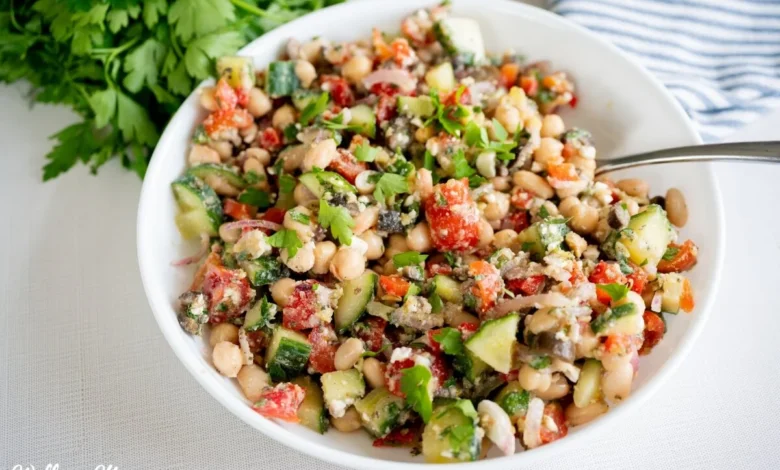
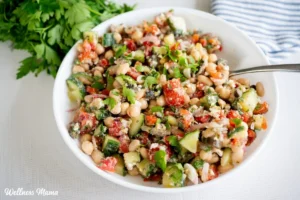
The growing trend of meal preparation, often referred to as "batch cooking," has seen a significant shift toward nutrient-dense, shelf-stable, and plant-forward dishes that prioritize both dietary health and logistical efficiency. Among the most versatile components of this culinary movement is the Mediterranean bean salad, a dish characterized by its reliance on legumes, fresh produce, and heart-healthy fats. As households increasingly seek to minimize food waste and optimize time management, the scientific and nutritional consensus suggests that such preparations offer a robust solution to the challenges of modern, fast-paced nutrition.
Nutritional Composition and Dietary Benefits
From a nutritional standpoint, the Mediterranean bean salad serves as a quintessential example of the Mediterranean diet, which has been widely studied for its associations with improved cardiovascular health, reduced inflammation, and stabilized blood glucose levels. The combination of chickpeas and cannellini beans provides a dual-protein and high-fiber foundation. According to dietary guidelines from the USDA, legumes are categorized as both a vegetable and a protein source, providing essential micronutrients including folate, potassium, and magnesium.
A standard one-cup serving of this salad, as outlined in nutritional profiles, typically contains approximately 200 calories, with a notable fiber content of 6 grams. This fiber-to-calorie ratio is significant for satiety, which contributes to weight management and digestive health. Furthermore, the inclusion of extra virgin olive oil—the primary fat source in this dish—introduces monounsaturated fatty acids, which have been clinically proven to support arterial health. The addition of fresh vegetables, such as bell peppers and tomatoes, introduces Vitamin C and A, further enhancing the micronutrient density of the meal.
The Science of Meal Preparation and Food Longevity
The rise of "make-ahead" culinary practices is rooted in both economic necessity and the desire for improved health outcomes. Research indicates that when individuals prepare their own meals, they consume fewer calories and lower amounts of sodium and processed additives compared to those who rely on pre-packaged or restaurant-prepared food.
The Mediterranean bean salad is particularly well-suited for this practice because, unlike traditional salads utilizing leafy greens, it does not rely on ingredients that wilt or oxidize rapidly. Because the base consists of legumes and dense vegetables like cucumbers and peppers, the dish maintains its structural integrity for three to four days when refrigerated. Food scientists often note that the "marination effect"—where the acid from lemon juice and the fats from olive oil permeate the beans—actually improves the texture and flavor profile of the dish over a 24-hour period. This chemical interaction breaks down the outer cellulose of the vegetables, allowing the seasonings to penetrate the core, which renders the salad more palatable upon storage.
Historical Context and Cultural Evolution
The Mediterranean bean salad is a modern evolution of ancient dietary patterns prevalent in the Levant, Greece, and Italy. Historically, these cultures relied heavily on the "triad" of Mediterranean agriculture: cereals, olives, and legumes. While the modern version incorporates ingredients like chickpeas and feta cheese—which are staples of Greek and Middle Eastern markets—the methodology remains consistent with age-old preservation techniques.
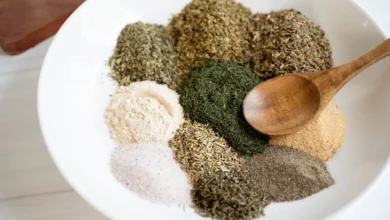
The integration of herbs such as mint, parsley, and oregano served a dual purpose in historical culinary traditions: they acted as natural preservatives and provided essential antioxidants. In a contemporary context, these herbs serve as flavor enhancers that eliminate the need for excessive sodium, which is a critical consideration for public health initiatives aiming to reduce global hypertension rates.
Industry Trends in Home Cooking and Sustainability
The shift toward home-based meal planning has been accelerated by rising food costs and a broader awareness of environmental sustainability. By utilizing shelf-stable pantry items like dried or canned legumes, consumers can significantly reduce the carbon footprint associated with their diets. Legumes, in particular, are nitrogen-fixing crops, meaning they require fewer synthetic fertilizers and less water than animal-based proteins.
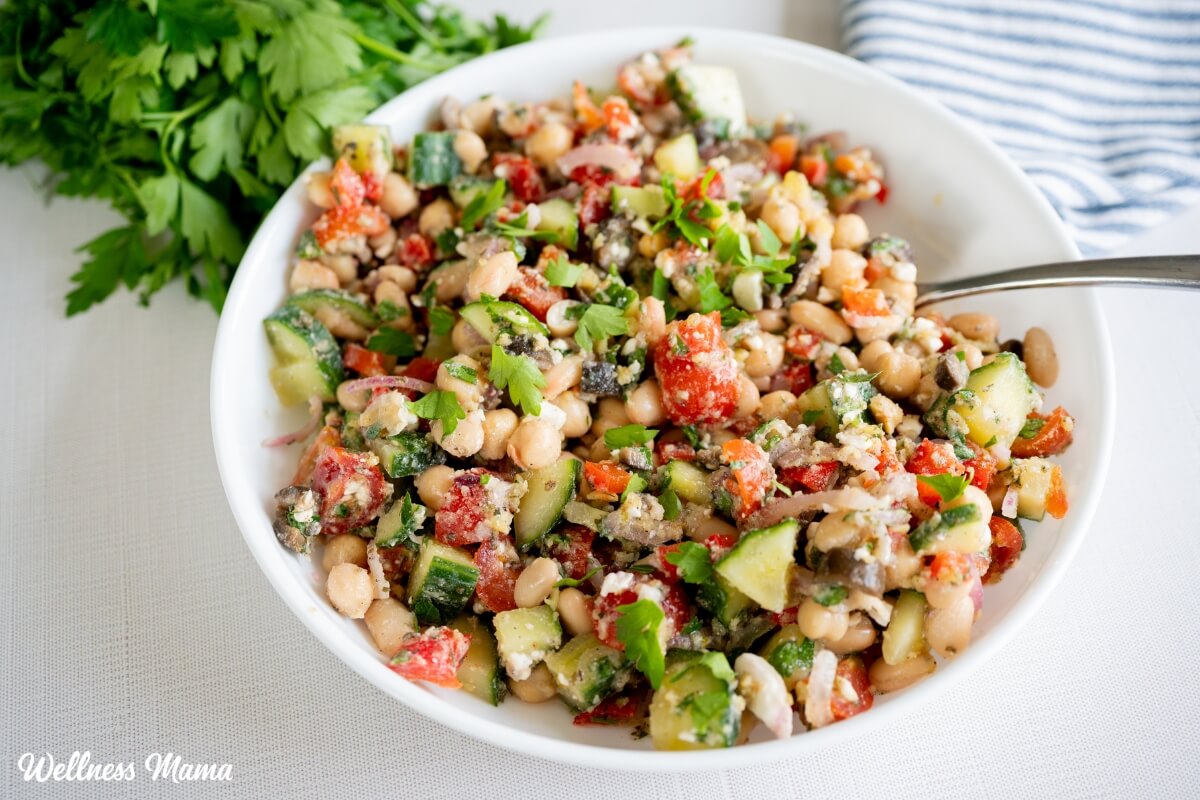
Industry analysts observe that the popularity of the Mediterranean bean salad is emblematic of a broader "flexitarian" movement. As more consumers adopt meat-free days, recipes that offer the sensory experience of a full meal—salty, acidic, crunchy, and savory—without the reliance on animal protein are seeing increased search volume and adoption. The flexibility of the recipe, allowing for substitutions such as Great Northern beans or butter beans, aligns with the modern focus on "zero-waste" kitchens, where cooks utilize available pantry inventory rather than purchasing specialized, single-use ingredients.
Analysis of Storage and Preparation Protocols
To maximize the efficiency of this dish, culinary professionals emphasize the "jar method." By storing the dressing separately or ensuring the salad is tightly sealed, the volatile compounds in the herbs are preserved. The acidity of the lemon juice acts as a natural stabilizer, preventing bacterial growth that might otherwise occur in more delicate preparations.
Data regarding food safety indicates that keeping such salads at temperatures below 40°F (4°C) is critical. Because the dish contains perishable dairy (feta cheese) and fresh produce, strict adherence to cold-chain management at home is advised. For those utilizing this for office lunches, the use of insulated containers is recommended to ensure that the salad remains at an optimal temperature, preserving both its texture and its safety profile.
Implications for Public Health and Time Management
The logistical benefits of the Mediterranean bean salad extend to the workplace and school environments. In an era where time-poverty is a significant barrier to healthy eating, the "batch preparation" model reduces the decision-making fatigue associated with daily meal planning. By dedicating one hour on a weekend to the preparation of such a salad, an individual secures a consistent, nutritionally dense lunch option for the majority of the work week.
Public health advocates suggest that such interventions are highly effective in promoting long-term health adherence. When a healthy, appealing meal is readily available, the probability of selecting ultra-processed convenience foods decreases significantly. This "nudge" in the home environment is a powerful tool for dietary improvement, supporting the broader goal of reducing diet-related chronic diseases such as Type 2 diabetes and heart disease.
Future Outlook and Culinary Customization
As the culinary landscape continues to prioritize convenience without sacrificing quality, the Mediterranean bean salad remains a cornerstone of the modern diet. Future trends suggest a continued emphasis on "mix-and-match" ingredients, where base recipes are adjusted based on seasonal availability. For instance, the inclusion of locally sourced heirloom tomatoes during the summer months or the addition of roasted winter squash during the off-season provides year-round relevance to the basic legume-and-acid formula.
Furthermore, the integration of technology, such as automated meal planning applications, has made it easier for households to scale these recipes. Whether for a single professional or a large family gathering, the math behind doubling or tripling the recipe is straightforward, further cementing the status of the bean salad as a permanent fixture in the repertoire of the efficient, health-conscious cook.
Ultimately, the Mediterranean bean salad is more than a simple recipe; it is a manifestation of efficient, sustainable, and health-forward living. By bridging the gap between historical dietary wisdom and modern logistical needs, it provides a viable, scalable, and highly nutritious template for daily sustenance in the 21st century. As research continues to validate the benefits of fiber-rich, plant-forward eating, the popularity of such dishes is expected to persist as a staple of the global culinary dialogue.