The Complex Relationship Between Candida Albicans and Autism Spectrum Disorder

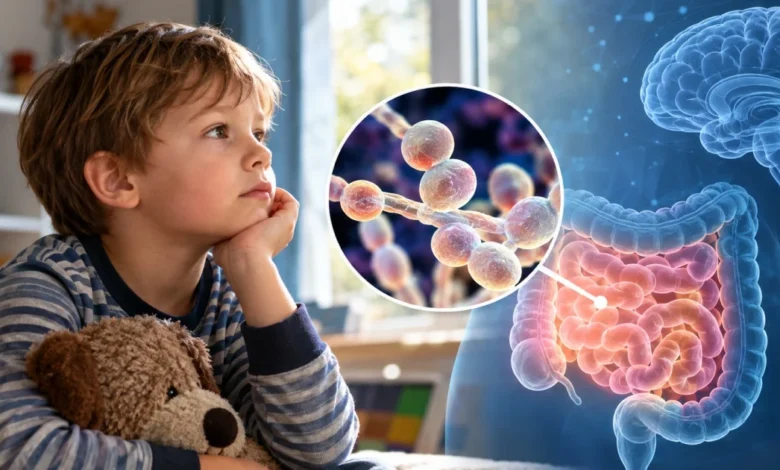
Candida albicans, a yeast species naturally present in the human digestive tract, has long been a subject of investigation within the broader study of the human microbiome. Recently, a growing body of research has turned its attention to the potential overrepresentation of this fungus in children diagnosed with autism spectrum disorder (ASD). While initial reports suggesting high prevalence rates have captured significant public and scientific interest, the nuance of these findings requires a careful examination of current data, the limitations of existing studies, and the critical distinction between correlation and causation.
The Emergence of a Scientific Hypothesis
The interest in Candida in the context of ASD began with observations of gastrointestinal (GI) distress in children with autism, which is a frequently reported clinical feature. Researchers hypothesized that if the gut microbiome in children with ASD differs significantly from that of neurotypical children, these differences might extend beyond the well-studied bacterial populations to include fungal communities, or "mycobiota."
A pivotal moment in this area of study occurred in 2023 with the publication of a meta-analysis in African Health Sciences. This analysis synthesized data from four separate studies to investigate the prevalence of Candida albicans in the gut of children with ASD. The findings indicated a combined odds ratio of 7.21, suggesting that children with an ASD diagnosis were substantially more likely to test positive for the yeast than their neurotypical peers. This figure, while statistically significant, was derived from a relatively small pool of 415 children across disparate geographic locations, highlighting the preliminary nature of the research.
Chronology of Research and Discovery
The investigation into the gut-brain axis as it relates to ASD has evolved through several distinct phases:
- Early 2000s–2015: Initial studies focused primarily on bacterial dysbiosis, noting that children with autism often suffered from chronic constipation, diarrhea, and abdominal pain. Anecdotal reports began to circulate regarding the use of antifungal treatments, though these lacked robust clinical evidence.
- 2016–2021: As sequencing technology improved, researchers began to characterize the fungal component of the microbiome. Studies started to identify that fungal diversity in the gut might be altered in neurodivergent populations.
- 2022–2024: High-profile studies, including a notable 2022 cohort study in the Journal of Clinical Medicine and a 2024 analysis published in Nutrients, solidified the observation that Candida albicans is more frequently detected in stool samples of children with ASD.
- 2025–2026: Recent reviews, such as those found in the Journal of Clinical Investigation and Frontiers in Cellular and Infection Microbiology, have shifted the focus toward the biochemical pathways—such as immune system activation and metabolite production—that might explain why this association exists.
Evaluating the Statistical Landscape
The 81.9% figure cited in various reports originates from a specific 2022 Egyptian study that evaluated 83 children. While this number is high, it is vital to contextualize it within the broader scientific framework. Scientific consensus maintains that a single cohort study, regardless of its result, cannot be generalized to the global population of individuals with ASD.
When the meta-analysis pooled the data from 254 children with ASD and 161 controls, the variance in testing methods—ranging from traditional stool cultures to modern DNA sequencing—created challenges in direct comparison. Furthermore, the populations studied lived in different environmental contexts, consumed varying diets, and had differing access to medical care, all of which are variables known to influence the gut microbiome. Experts caution that the 7.21 odds ratio, while a strong signal for further research, does not demonstrate that Candida plays a functional role in the development or severity of autism symptoms.
The Mechanics of the Gut-Brain Axis
The connection between the gut and the brain is mediated by three primary pathways: the immune, the neuronal, and the endocrine/systemic. The current hypothesis regarding Candida suggests that if the fungus is indeed more prevalent, it may be a byproduct of, rather than a cause of, the physiological environment of an autistic gut.
For instance, children with ASD often exhibit heightened food selectivity. A diet that is restricted in variety can fundamentally alter the intestinal environment, potentially creating a niche that favors the proliferation of Candida. Similarly, higher rates of antibiotic usage—often necessitated by recurrent infections or other health issues in children with ASD—can deplete the beneficial bacteria that typically keep fungal populations in check.
A more complex theory involves the production of metabolites. Some research suggests that Candida albicans may produce ammonia or interact with propionic acid in the gut, potentially forming compounds that mimic neurotransmitters like GABA. While this is an intriguing biochemical pathway, it remains largely theoretical. There is currently no clinical evidence to suggest that the presence of Candida in the gut of a child with ASD is a primary driver of neurological differences.
Addressing Common Misconceptions
The excitement surrounding the "gut-fungi" link has unfortunately led to the promotion of unverified treatments. It is critical to state that there is no medical evidence supporting the use of antifungal medications, restrictive "anti-yeast" diets, or specific probiotic protocols as a means to treat or "cure" autism.
The medical community warns that such interventions can be harmful. Restrictive diets, in particular, may lead to nutritional deficiencies in children who are already experiencing food selectivity. Furthermore, the use of antifungal medication without a clinical diagnosis of a systemic fungal infection is not standard practice and carries the risk of side effects and the development of antifungal resistance. Parents and caregivers are urged to view these findings as a developing field of scientific inquiry rather than a diagnostic tool or a treatment roadmap.
Broader Implications and Future Directions
The complexity of ASD cannot be distilled into a single biological marker. As noted by the National Institute of Mental Health, autism is a heterogeneous condition influenced by a combination of genetics—accounting for roughly 40% of heritable risk—and a wide array of environmental factors. The gut microbiome is simply one piece of a vast, interconnected puzzle.
Moving forward, the scientific community is prioritizing larger, longitudinal studies that can control for diet, medication history, and environmental factors. Researchers are looking to determine if the presence of Candida is a consistent feature across different ethnic and socioeconomic backgrounds. Additionally, there is a push to move beyond mere "detection" to "functional analysis," which seeks to understand what these fungi are actually doing within the digestive system and how they interact with the host’s immune system.
Conclusion: A Clue, Not a Conclusion
The current research into Candida albicans and ASD represents a necessary expansion of our understanding of the gut-brain axis. It underscores the reality that the microbiome is not limited to bacteria and that fungal populations are active participants in the internal ecosystem of the human body.
However, the current body of literature serves as a foundation for future questions rather than a conclusion. The association between Candida and ASD is an interesting, statistically relevant observation that warrants continued, rigorous study. It highlights the importance of gut health in the overall well-being of individuals on the spectrum, but it does not shift the clinical understanding of autism as a complex, neurodevelopmental condition.
For families and clinicians, the takeaway is clear: while the science is evolving and the potential for new discoveries is high, current findings do not support changes in medical practice. The primary focus remains on supportive care, symptom management, and respecting the diversity of the autism spectrum. As research progresses, the medical community will continue to evaluate these findings with the skepticism and thoroughness required to ensure that patient care remains rooted in evidence-based medicine. The "second brain" of the gut remains a frontier, but it is one that must be navigated with patience and a commitment to scientific accuracy.
Disclaimer: This information is for educational purposes only and does not constitute medical advice, diagnosis, or treatment. Always consult with a qualified healthcare professional regarding any medical concerns, developmental milestones, or dietary changes. Do not ignore professional medical advice or delay seeking it because of information presented here.