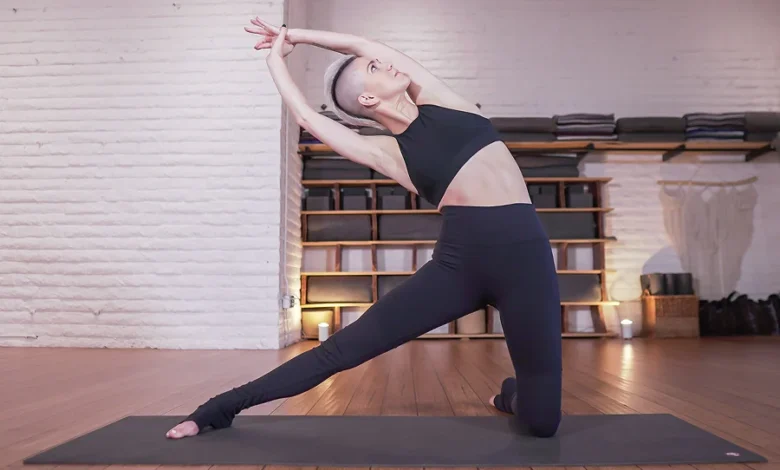
Modern lifestyle patterns, characterized by prolonged sedentary behavior, digital device usage, and heightened psychological stress, have precipitated a global rise in musculoskeletal disorders affecting the upper body. Recent health data from physical therapy and ergonomics research indicates that neck and shoulder pain is among the most frequently reported occupational health complaints, with prevalence rates reaching as high as 50% among office-based professionals. As sedentary work environments become the global standard, the physiological consequences—ranging from localized discomfort to chronic tension headaches—have necessitated a shift toward proactive, low-impact preventative measures, with yoga emerging as a primary modality for non-pharmacological relief.
The Anatomy of Modern Tension: A Physiological Overview
The human neck and shoulder complex is a sophisticated network of muscles, ligaments, and joints designed for mobility. However, the human head, which averages between 10 and 12 pounds, acts as a significant load-bearing weight. When the head is held in a neutral position, the cervical spine effectively manages this weight. Research into "tech neck"—the biomechanical strain caused by looking down at handheld devices—reveals that for every inch the head drifts forward from neutral alignment, the stress on the cervical spine increases exponentially. At a 60-degree angle, the effective weight exerted on the neck can reach upwards of 60 pounds.
This chronic mechanical strain is compounded by the physiological response to stress. When an individual experiences emotional or mental pressure, the sympathetic nervous system activates the "fight or flight" response. This often leads to unconscious muscle bracing, particularly in the trapezius and levator scapulae muscles. Over time, this chronic activation prevents muscles from returning to a resting state, leading to a cycle of ischemia, where blood flow is restricted, and metabolic waste products accumulate in the muscle tissue, manifesting as pain and stiffness.

Chronology of Physical Degeneration
The development of chronic upper body tension is rarely an acute event; it is a cumulative process. The typical timeline of progression begins with subtle postural deviations.
- Phase 1: Early-Onset Fatigue (0–3 years of repetitive work): During this initial stage, individuals may notice occasional tightness or "heaviness" in the shoulders by the end of a workday. Mobility remains mostly intact, and symptoms typically resolve with rest.
- Phase 2: Compensatory Adaptation (3–7 years): Muscle memory begins to lock in forward-rounded shoulders and a slight forward-head posture. This phase often involves the development of trigger points, or "knots," which can radiate pain into the base of the skull, causing tension headaches.
- Phase 3: Chronic Dysfunction (7+ years): At this stage, the body’s structural integrity is altered. Chronic inflammation and connective tissue thickening can lead to reduced range of motion, chronic migraine conditions, and potential nerve impingement.
Clinical Perspectives and Yoga as an Intervention
The medical community increasingly acknowledges that movement-based interventions, such as yoga, provide benefits that exceed simple stretching. By integrating eccentric and concentric muscle loading with controlled breathing, yoga serves a dual purpose. It physically releases the sarcomeres—the fundamental units of muscle contraction—while simultaneously stimulating the parasympathetic nervous system via the vagus nerve.
"The therapeutic value of yoga in the treatment of chronic cervical and thoracic pain lies in its ability to address the interplay between the nervous system and the musculoskeletal system," notes Dr. Elena Vance, a specialist in rehabilitative movement. "While standard stretching targets muscle length, yoga demands proprioceptive awareness, which helps patients identify and release habitual tension throughout the day."
Data from a 2022 clinical review of office-based wellness programs suggests that employees who participate in at least three 15-minute guided mobility sessions per week report a 35% reduction in self-reported neck and shoulder pain within the first month.

Evidence-Based Movement Protocols
To counteract the aforementioned physiological damage, specialists recommend a routine of daily mobility exercises. These movements should be performed with a focus on range of motion rather than intensity.
The Lateral Cervical Release
By placing the body in a seated position and allowing the ear to gravitate toward the shoulder while the opposing arm is weighted toward the floor, the practitioner performs a lateral release of the trapezius. This movement addresses the "side-chain" tension that often causes sharp pain during head rotation.
Thoracic Extension via Puppy Pose
The Puppy Pose, specifically with a chin-tuck modification, acts as a structural reset for the upper back. By maintaining the hips above the knees, the practitioner facilitates a stretch in the latissimus dorsi and the pectoralis minor. The chin tuck ensures the cervical spine remains in a neutral, supported position, effectively reversing the "forward-head" compression common in desk workers.
Dynamic Rotational Mobility
Using Seal Pose variations—specifically incorporating shoulder dips—allows for the mobilization of the thoracic spine. Because the shoulder blades (scapulae) are designed to glide over the rib cage, restricted thoracic movement often forces the neck to overcompensate. Rotational movements assist in restoring the gliding mechanism of the scapulae, reducing the burden on the cervical spine.

Broader Implications and Long-Term Prevention
The transition from a reactive to a preventative mindset is essential for long-term health. The implications of ignoring chronic shoulder and neck tension extend beyond physical discomfort; they impact cognitive performance, sleep quality, and overall productivity.
From an organizational health perspective, companies that integrate "movement breaks" into the workday have observed higher employee retention and lower absenteeism related to musculoskeletal disorders. The integration of these practices does not require specialized equipment or significant time commitments. Rather, the efficacy of yoga in this context is defined by consistency. By incorporating short, mindful movement sequences, individuals can retrain their neuromuscular patterns, eventually reducing the frequency with which they unconsciously hunch or tense their shoulders.
Conclusion and Best Practices
While yoga is an effective tool for managing neck and shoulder tension, it must be approached with mindfulness. Beginners are advised to maintain a range of motion that remains within the "discomfort-free" zone. Sharp, radiating pain is an indication to cease movement and consult with a medical professional.
For those experiencing persistent symptoms that do not resolve with movement—specifically numbness, tingling in the extremities, or severe, unremitting pain—a professional clinical evaluation is necessary. These symptoms may indicate structural issues, such as cervical disc herniation or nerve compression, which require specialized medical intervention. However, for the majority of the population suffering from tension induced by daily habits, the consistent application of restorative movement and posture awareness remains the most sustainable path toward long-term relief and improved quality of life.
Related posts: