Bunions Affect 1 in 3 Adults; Physical Therapist Recommends 3 Foot-Control Exercises

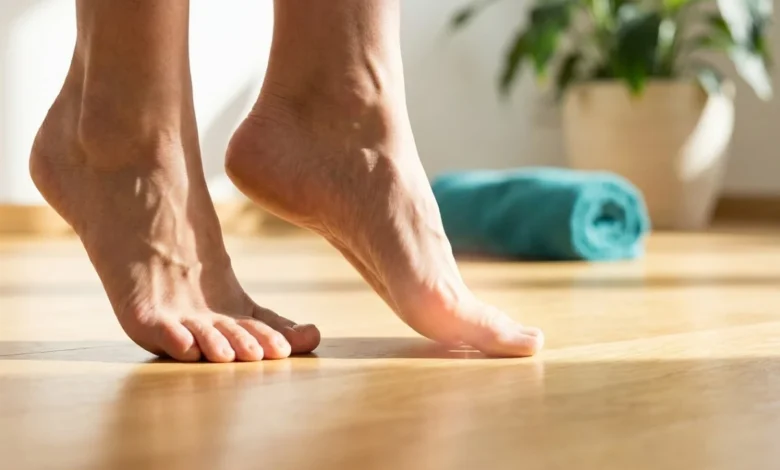
Bunions, medically referred to as hallux valgus, have emerged as a significant public health concern, currently affecting approximately one-third of the adult population. This progressive condition, characterized by a bony deformity at the base of the big toe, often begins as a subtle shift in alignment but can evolve into a chronic source of pain and mobility impairment. As awareness of foot health grows, physical therapists are increasingly emphasizing the role of targeted, early-intervention exercises in managing the symptoms and progression of this pervasive orthopedic issue.
Understanding the Anatomy and Mechanics of Hallux Valgus
The formation of a bunion is a mechanical process where the big toe, or hallux, gradually angles toward the second toe. This lateral deviation forces the first metatarsal bone to push outward, creating the characteristic protrusion at the base of the toe. This structural shift is not merely cosmetic; it fundamentally alters the biomechanics of the foot. When the big toe joint—the metatarsophalangeal (MTP) joint—becomes prominent, it frequently rubs against footwear, leading to inflammation, redness, and bursitis. Over time, this discomfort can cause individuals to alter their gait, which can have cascading effects on the ankles, knees, and hips.
Medical literature, including the Columbia Presbyterian osteoarthritis handbook, defines the condition by the abnormal lateral angulation of the proximal phalanges and a prominent medial metatarsal head. This deformity is rarely the result of a single cause; rather, it is typically an interplay between inherited anatomical predispositions and external environmental stresses. Factors such as ligament laxity, foot shape, and the distribution of weight during the gait cycle are primary contributors. Individuals with a familial history of bunions are statistically more likely to experience the condition, as genetic factors dictate the structural integrity of the foot’s arches and joints.
The Role of Modern Lifestyle and Footwear
While genetics set the stage, modern lifestyle habits often accelerate the progression of hallux valgus. The widespread use of footwear that constrains the toes—specifically high heels and shoes with narrow, pointed toe boxes—has been identified as a major aggravating factor. By compressing the forefoot, these shoes force the toes into an unnatural position and shift the body’s weight toward the ball of the foot.
The impact of this compression is profound. During a natural, efficient walking cycle, the force of a step should land on the heel, transition along the outer edge of the foot, and finally shift inward to the big toe for a powerful, balanced push-off. When the forefoot is compressed or the arch is compromised—such as in cases of flat feet or collapsed medial longitudinal arches—this force is distributed unevenly. The big toe is then subjected to excessive load, which can trigger or exacerbate the drifting of the joint.
Chronology of Clinical Awareness and Intervention
The medical community has shifted its approach to bunions over the last decade. Historically, bunions were often viewed as an inevitable consequence of aging or improper footwear, with surgical correction being the primary recommendation for those in pain. However, recent trends in physical therapy suggest a more proactive, conservative approach.
As of September 2026, reports indicate a surge in professional recommendations for early-stage management. Physical therapist Duke Pan has advocated for a transition from passive symptom management to active, muscle-strengthening protocols. This shift reflects a broader understanding that the small, intrinsic muscles of the foot play a critical role in stabilization. By strengthening these muscles before the deformity becomes rigid or fixed, patients may be able to slow the progression of the angulation and reduce the associated inflammation.
Evidence-Based Exercises for Foot Control
For those in the early stages of hallux valgus, consistent, mindful exercise is key. Physical therapists emphasize that because the foot contains many small muscles that are often underutilized in sedentary lifestyles, progress requires patience and regular practice.
- Toe Separation Training: This exercise targets the abductor hallucis, a muscle responsible for pulling the big toe into proper alignment. By supporting the body’s weight on the heels and lifting the toes to spread them as wide as possible, the patient engages the intrinsic muscles of the inner arch. Maintaining this spread while pressing the toes back to the ground helps retrain the foot to support itself without collapsing inward.
- Arch Training (Short Foot Exercise): This technique involves contracting the muscles in the mid-foot to elevate the arch while keeping the ball of the foot and the heel in contact with the ground. This movement is foundational for restoring the medial longitudinal arch, which serves as the primary shock absorber for the foot.
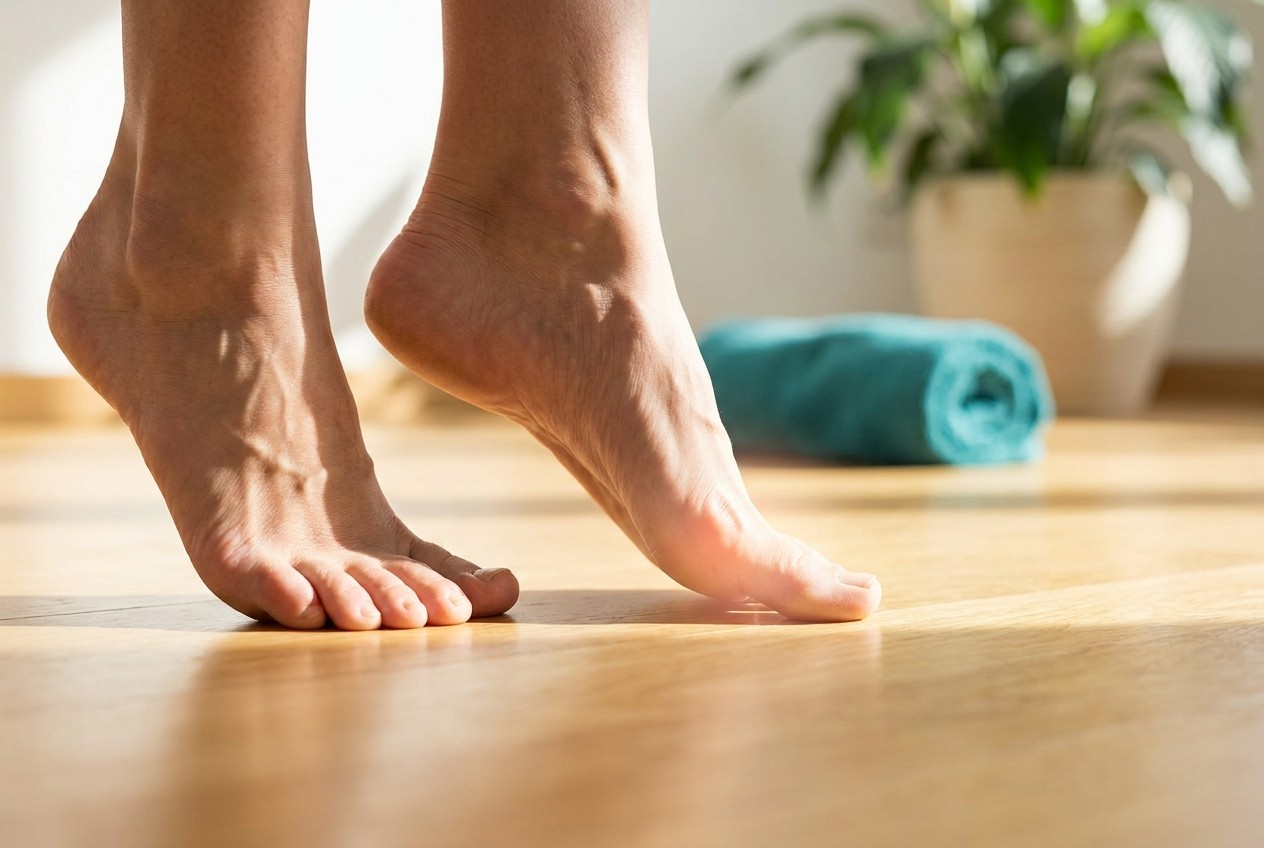
- Calf Raise Training with Proper Alignment: Strengthening the calves is essential, but the manner in which the raise is performed is critical. By rising onto the balls of the feet and focusing the pressure between the second and third toes, patients avoid the habit of pushing off solely with the big toe. This correction prevents the "rolling" of the foot that often leads to increased joint stress.
Implications for Public Health
The broader implications of this foot health crisis are significant. With half of all Americans experiencing notable foot pain by age 50, the economic and quality-of-life impacts are substantial. Chronic foot pain often leads to decreased physical activity, which in turn contributes to other metabolic and musculoskeletal health issues.
Furthermore, the integration of these exercises into daily routines is being framed not just as a treatment for bunions, but as a form of preventative care. While exercise cannot physically "undo" an advanced, bony deformity—which may ultimately require orthopedic intervention or surgery—it provides a vital tool for those with mild to moderate symptoms. For post-surgical patients, these same exercises are crucial for rehabilitation, ensuring that the foot regains its functional strength and that the gait pattern is corrected to prevent recurrence.
Professional Guidance and When to Seek Help
Despite the benefits of at-home exercises, professional assessment remains the gold standard for diagnosis and treatment planning. Experts advise that individuals experiencing persistent pain, numbness, difficulty in walking, or those with diabetes should avoid attempting self-treatment without consulting a podiatrist or physical therapist. Diabetes, in particular, requires careful foot monitoring due to the risk of nerve damage and impaired healing.
When professional care is necessary, it is often multidisciplinary. Orthopedic shoes, for instance, are increasingly viewed as functional tools rather than merely supportive footwear. As Dr. Joe Hribick of Lebanon Valley College notes, the definition of an orthopedic shoe centers on its adaptability and ability to provide cushion, arch support, and room for the toes to function naturally.
Conclusion: The Future of Foot Care
The growing prevalence of hallux valgus serves as a reminder of the importance of lower-extremity maintenance. While the structural challenges of bunions are complex, the combination of early detection, appropriate footwear, and targeted physical therapy offers a viable path for many. As researchers continue to conduct larger, high-quality studies on the efficacy of these conservative measures, the consensus remains clear: foot health is an essential component of overall longevity. By prioritizing the strength and mechanical alignment of the feet early, individuals can mitigate the long-term impact of bunions and maintain mobility throughout their lives.
As of late 2026, the guidance from clinical professionals is consistent: treat the foot as a dynamic system rather than a static base. By engaging the muscles of the arch and correcting the mechanics of the gait cycle, patients can build a foundation that supports better alignment, reduces the risk of deformity progression, and improves overall comfort in every step.
Related posts: