In the modern landscape of exercise science, the debate between isolation training and compound movement patterns has largely shifted in favor of the latter. As time-poor individuals seek to maximize the return on their physical training, researchers have increasingly highlighted the physiological advantages of compound movements—exercises that engage multiple joints and muscle groups simultaneously. Unlike isolation exercises, which target a specific muscle, such as the bicep curl or the leg extension, compound movements mimic natural, functional patterns, leading to greater hormonal responses, enhanced metabolic output, and improved athletic coordination.
The Evolution of Training Methodologies
The history of resistance training has evolved from the early 20th-century emphasis on bodybuilding, which prioritized aesthetic muscle isolation, to the contemporary focus on functional fitness and high-intensity interval training (HIIT). In the late 20th century, the rise of specialized weight machines in commercial gyms reinforced the popularity of isolation training. However, longitudinal studies conducted over the past two decades have suggested that for the general population, the efficiency of multi-joint movements far outweighs the localized benefits of single-joint training.
Chronologically, the transition toward compound-centric programming gained momentum in the early 2000s with the rise of CrossFit and the subsequent academic research into Metabolic Resistance Training (MRT). This period marked a departure from traditional "bro-splits"—where specific body parts are trained on specific days—toward full-body integration. The scientific consensus, supported by data from the American College of Sports Medicine (ACSM), suggests that multi-joint exercises are superior for developing muscular strength and increasing resting metabolic rate.
Physiological Mechanisms and Efficiency Data
The assertion that compound movements are significantly more efficient is rooted in the recruitment of larger muscle mass. When a person performs a squat, for example, they are simultaneously engaging the quadriceps, hamstrings, glutes, adductors, and the core stabilizers. This expansive recruitment requires a greater oxygen demand and triggers a more robust systemic response.
Data indicates that by engaging multiple muscle groups, the body experiences a higher post-exercise oxygen consumption (EPOC) rate. This "afterburn" effect is where the body continues to consume oxygen and burn calories at an elevated rate for hours after the workout concludes. While isolation exercises have their place in clinical physical therapy or professional bodybuilding to correct muscular imbalances, they lack the cardiovascular and metabolic stimulus provided by movements like the deadlift, overhead press, or lunge variations. Studies on metabolic efficiency have noted that individuals performing compound-heavy protocols can achieve results comparable to, or exceeding, traditional cardio-focused routines in roughly one-third of the time.
Core Movements for Optimal Functional Fitness
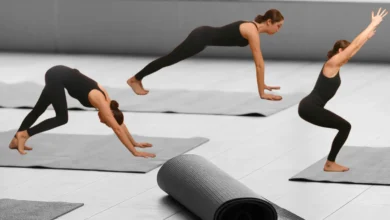
To maximize the efficiency of a training session, experts recommend prioritizing five foundational movement patterns. These are considered the pillars of functional physical literacy:
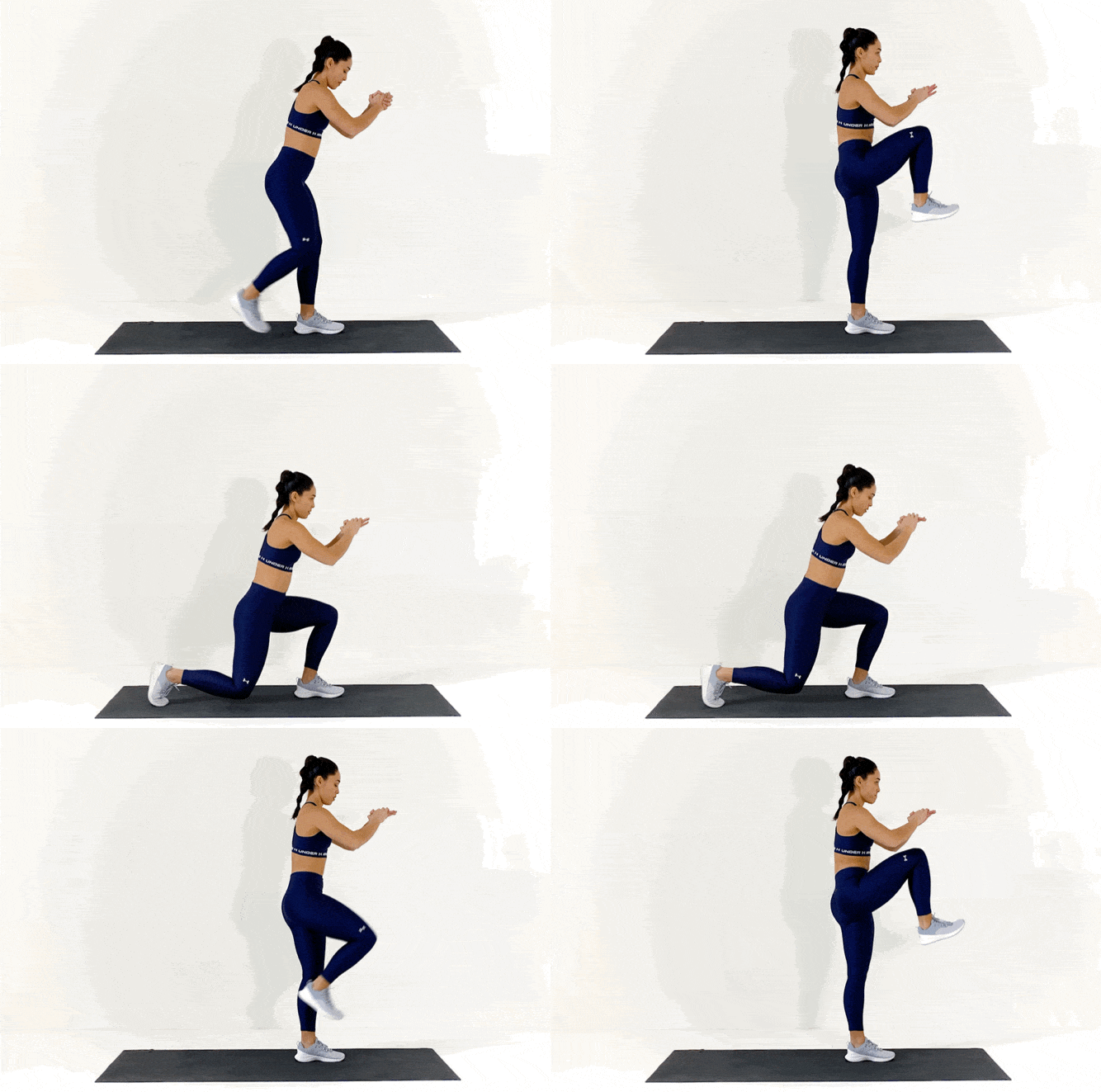
1. The Reverse Lunge with Knee Drive
This movement pattern challenges the unilateral stability of the lower body. By stepping backward into a lunge and driving the knee upward, the practitioner engages the gluteus medius for stability, the quadriceps for propulsion, and the core for balance. It serves as a superior alternative to the leg extension machine, as it forces the body to stabilize under gravity rather than being supported by a mechanical seat.
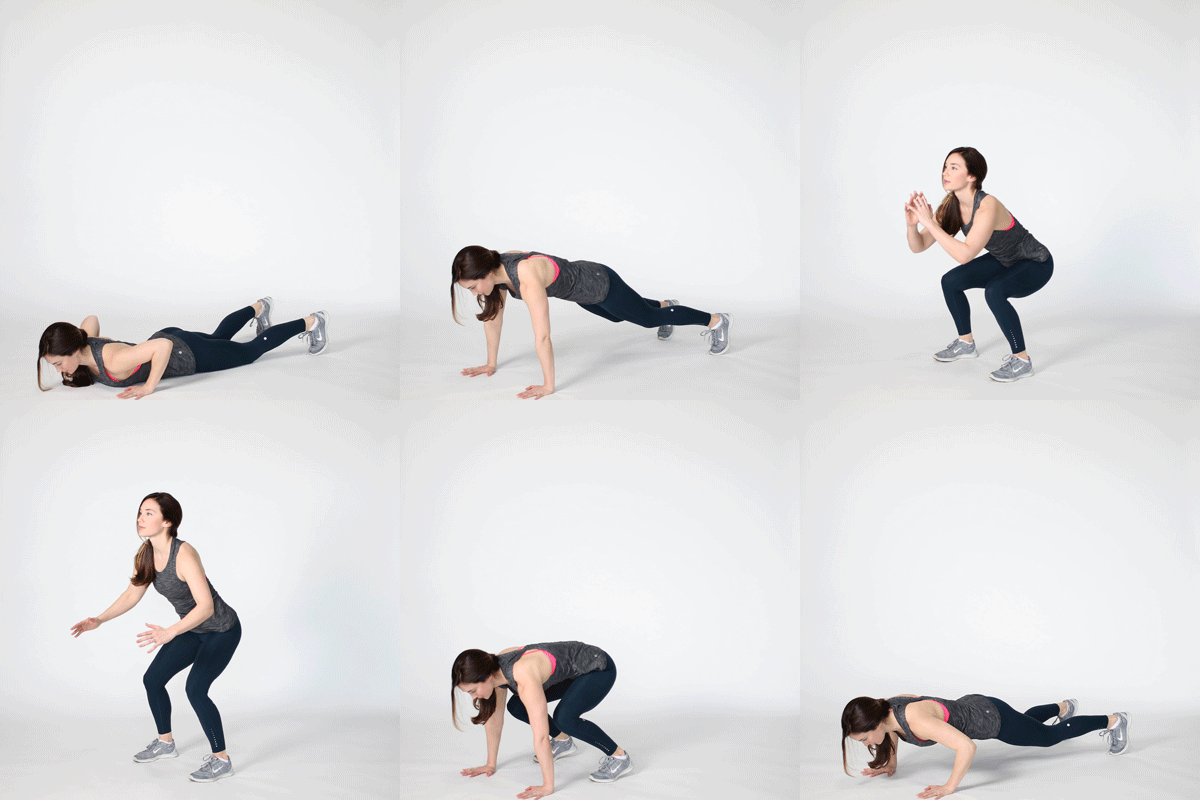
2. The Burpee
Often cited as the gold standard for full-body conditioning, the burpee combines a squat, a plank, a push-up, and a vertical jump. It is essentially a high-intensity integration of upper and lower body mechanics. Because it elevates the heart rate rapidly, it serves as a dual-purpose tool for both strength building and cardiovascular health.
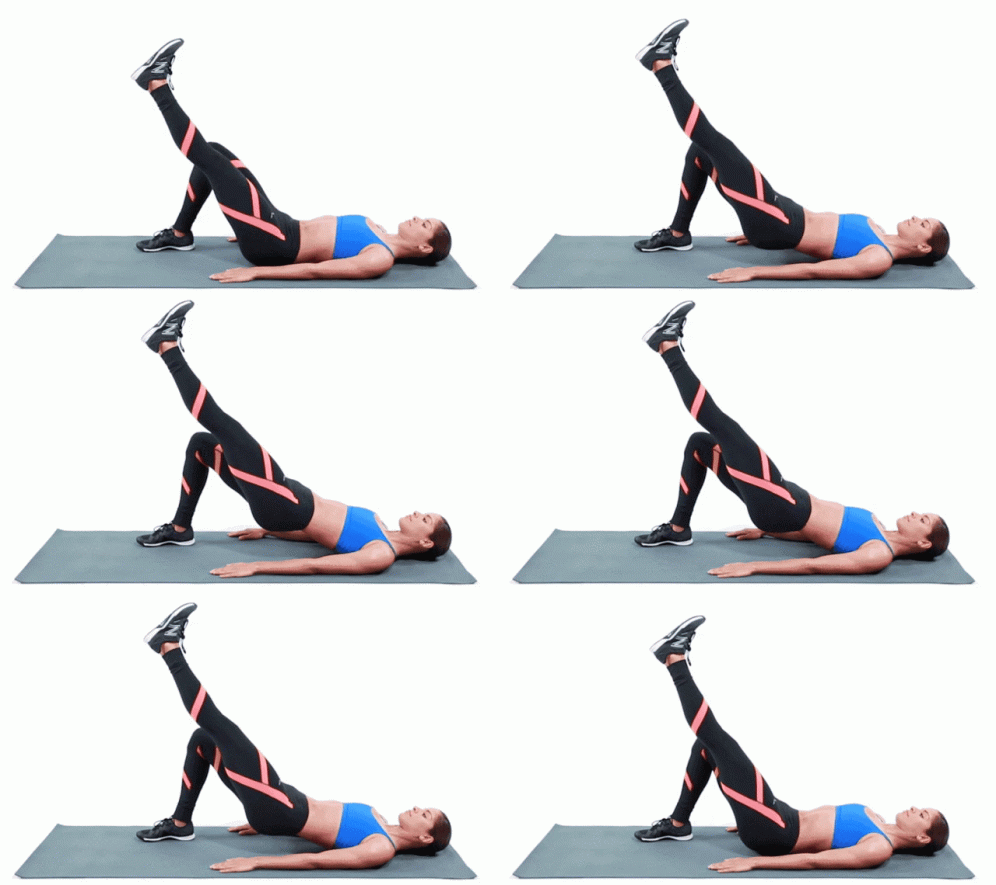
3. The Single-Leg Bridge
Focusing on the posterior chain—the hamstrings and glutes—the single-leg bridge is essential for injury prevention and pelvic stability. By isolating one leg at a time, this movement corrects common imbalances that occur when one side of the body is dominant, which is a frequent cause of lower back pain.
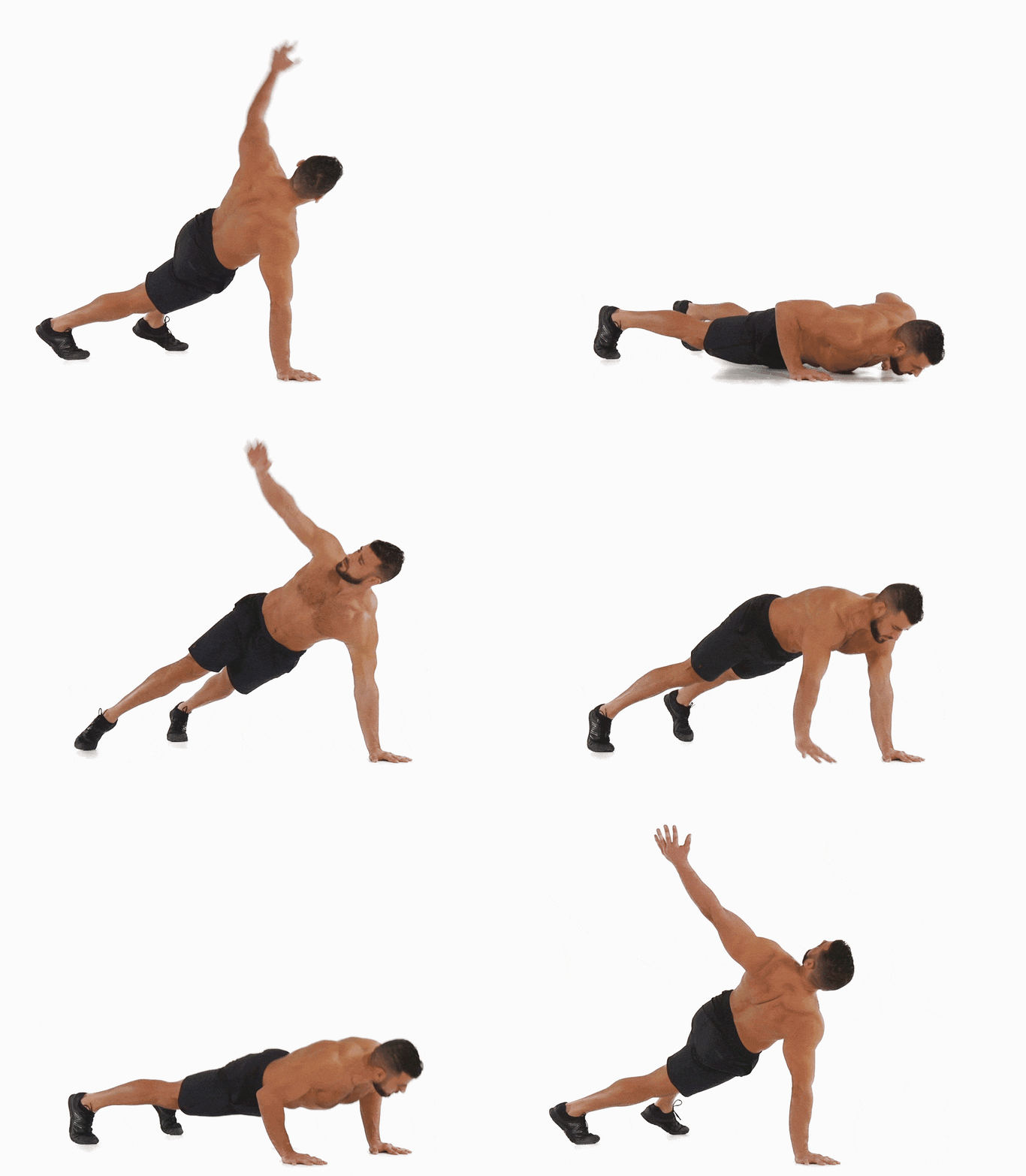
4. The Push-Up with Rotation
The standard push-up is a horizontal pressing movement that targets the chest, shoulders, and triceps. By adding a thoracic rotation at the top of the movement, the practitioner engages the obliques and transverse abdominis. This turns a simple upper-body exercise into a comprehensive core workout.
5. The Air Squat
Often misunderstood as a basic movement, the air squat is the foundation of all lower-body strength. When performed with proper depth—thighs parallel to the floor—it facilitates range of motion in the ankles, knees, and hips. It is the most effective bodyweight movement for bone density development and lower-body muscle hypertrophy.
Expert Perspectives on Safety and Progression
The transition to compound training requires a cautious approach to form. Because these exercises involve multiple joints, the risk of injury increases if the movement is executed with poor technique. Dr. Elena Richards, a consultant in sports kinesiology, emphasizes that "the complexity of compound movements is a double-edged sword. While it provides a superior stimulus, it demands higher levels of motor control. Beginners should prioritize range of motion and technical proficiency before adding external resistance, such as dumbbells or kettlebells."
Professional trainers often advise the "10-15 repetition rule" for those beginning a new program. Performing 10 to 15 reps allows the trainee to focus on the cadence and alignment of the movement without reaching muscular failure too quickly, which is when form typically begins to degrade. For those with chronic conditions, such as lower back pain, compound movements like the squat and the deadlift are actually recommended as rehabilitation tools, provided they are performed under the guidance of a professional. Strengthening the posterior chain is often the most effective intervention for spinal health.
Broader Impact on Public Health
The shift toward compound-based training has profound implications for public health. As sedentary lifestyles contribute to rising rates of metabolic syndrome, obesity, and musculoskeletal disorders, the ability to perform efficient, time-saving workouts becomes a matter of accessibility. Many individuals cite a lack of time as the primary barrier to regular exercise. By utilizing 15-minute, high-intensity, compound-focused protocols, the threshold for entry into a healthy lifestyle is significantly lowered.
Furthermore, the integration of these movements into daily life—such as squatting to pick up objects or using rotational core strength for manual labor—demonstrates the "carry-over" effect of functional training. Unlike isolation machines that teach the body to move in artificial, constrained planes, compound exercises train the body to function as a single, integrated unit.
Conclusion and Future Trends
The science is increasingly clear: for the average individual looking to optimize health, strength, and weight loss, compound exercises provide the most effective return on investment. While there will always be a role for specialized training in clinical and elite athletic environments, the foundational pillars of movement—squatting, lunging, pushing, and pulling—remain the most potent tools available for long-term health.
As technology continues to provide more data on human performance, the emphasis is expected to remain on these multi-joint patterns. Whether through bodyweight calisthenics or weighted resistance training, the focus remains on quality, consistency, and the integration of multiple muscle groups. By adopting a program that prioritizes these movements, individuals can not only reach their fitness goals faster but also build a more resilient and functional body for the years to come.
Ongoing research, including the foundational work cited by the American College of Sports Medicine, continues to support the integration of these movements in public health guidelines. As the fitness industry pivots further toward evidence-based practices, compound exercises are set to remain the cornerstone of any sustainable, efficient, and effective wellness strategy.