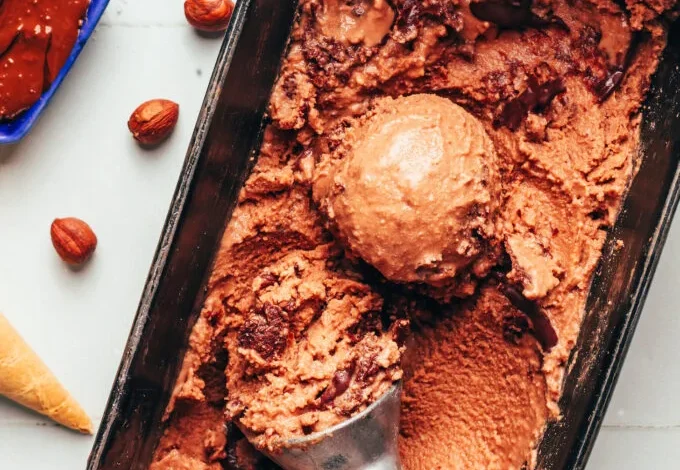
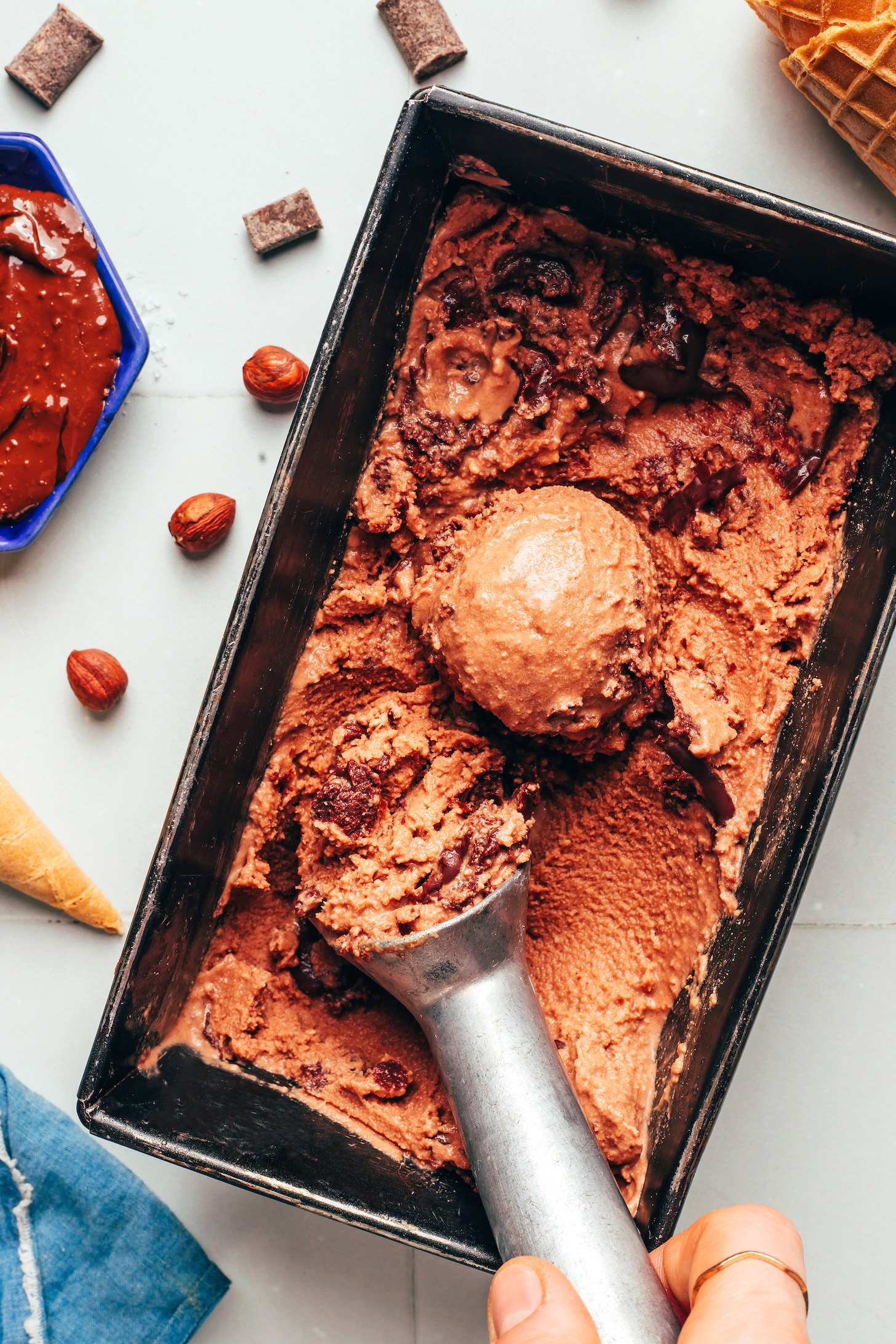
The global plant-based dessert market has reached a new milestone with the introduction of a six-ingredient vegan Nutella ice cream recipe developed by culinary publisher Minimalist Baker. As consumer preferences continue to shift away from dairy-heavy formulations toward sustainable, allergen-friendly alternatives, this release highlights a broader evolution in commercial and home-kitchen baking practices. Combining rich chocolate and toasted hazelnuts into a dairy-free matrix, the recipe addresses long-standing textural challenges associated with plant-based frozen treats while capitalizing on the enduring popularity of hazelnut-cocoa flavor profiles.
The Rising Demand for Plant-Based Frozen Desserts
In recent years, the market for vegan dairy alternatives has expanded rapidly, driven by rising rates of lactose intolerance, dairy allergies, and a growing consumer demographic prioritizing environmental sustainability. According to industry market research, the global vegan ice cream sector is projected to experience a compound annual growth rate exceeding 9% over the next decade. Consumers increasingly demand products that replicate the creamy mouthfeel and decadent flavor profiles of traditional dairy ice cream without relying on animal-derived ingredients.
Historically, homemade vegan ice creams have struggled with icy textures due to the lower fat content or improper water-to-fat ratios of plant-based milks. The formulation introduced by Minimalist Baker addresses this constraint by utilizing canned light coconut milk containing natural emulsifiers, such as guar gum. These emulsifiers stabilize the emulsion of water and fat during the churning process, yielding a product that closely mimics traditional gelato or premium ice cream in both fluffiness and density.
Nutritional Profile and Ingredient Breakdown
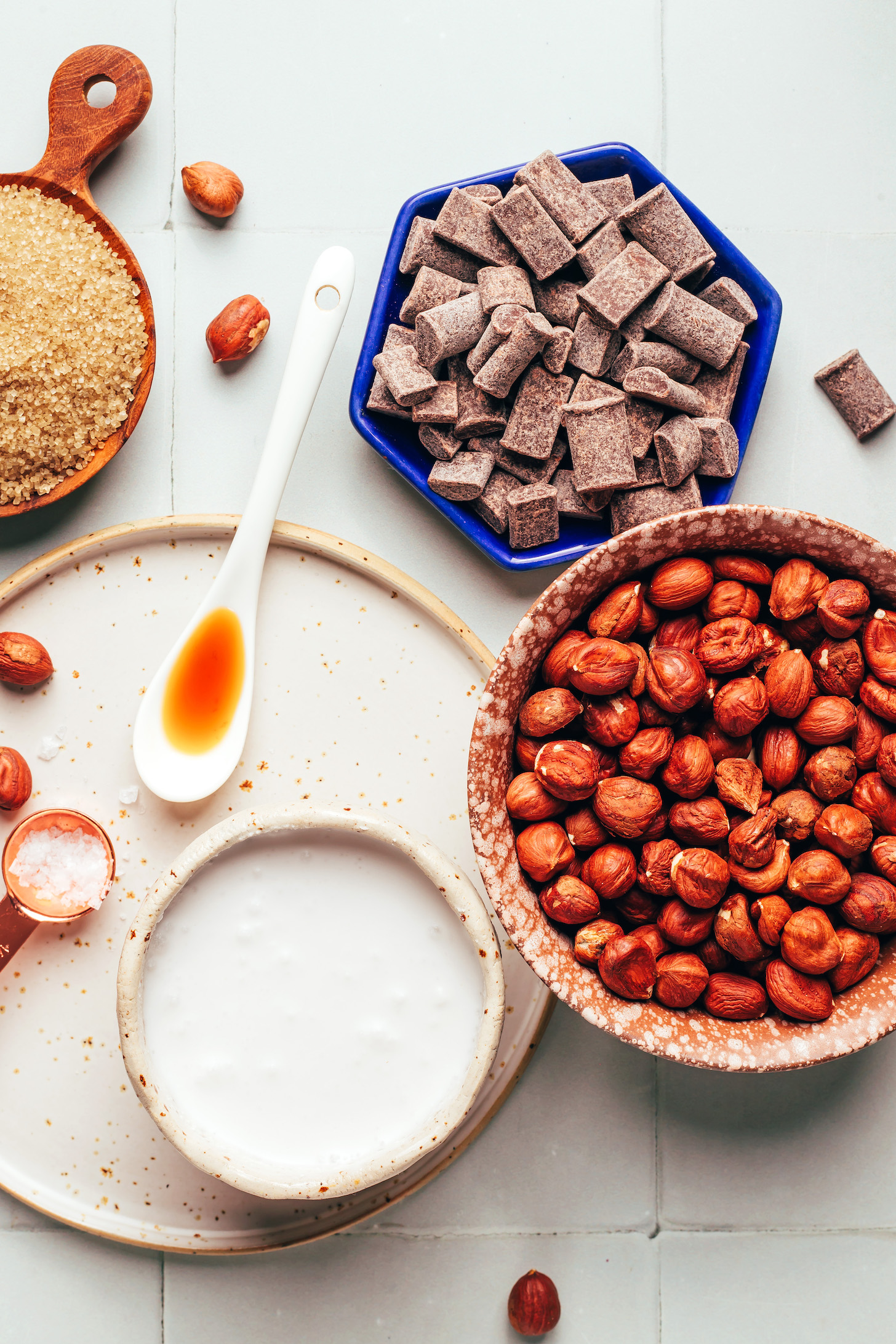
Nutritionally, the six-ingredient recipe balances indulgence with whole-food components. Each half-cup serving contains approximately 277 calories, 21.2 grams of fat—predominantly monounsaturated and saturated fats derived from coconut and hazelnuts—and 21.5 grams of carbohydrates. Unlike many commercial treats laden with artificial stabilizers and high-fructose corn syrup, this formulation relies on unrefined cane sugar, natural vanilla extract, sea salt, quality chocolate chunks, whole hazelnuts, and light coconut milk.
Hazelnuts serve as a nutritional cornerstone for the recipe, offering dietary fiber, Vitamin E, and essential minerals like iron and calcium. Roasting the nuts prior to blending not only releases natural oils to create a smooth, homogenous nut butter base but also activates aromatic compounds that heighten the sensory experience for the consumer. By substituting store-bought spreads with a freshly blended chocolate-hazelnut base, home cooks can control sodium and sugar levels while avoiding palm oil, a common ingredient in traditional commercial spreads that has faced environmental scrutiny.
Chronology of Development and Preparation Methodology
The development of the vegan Nutella ice cream follows a precise multi-step culinary chronology designed to maximize flavor extraction and structural integrity:
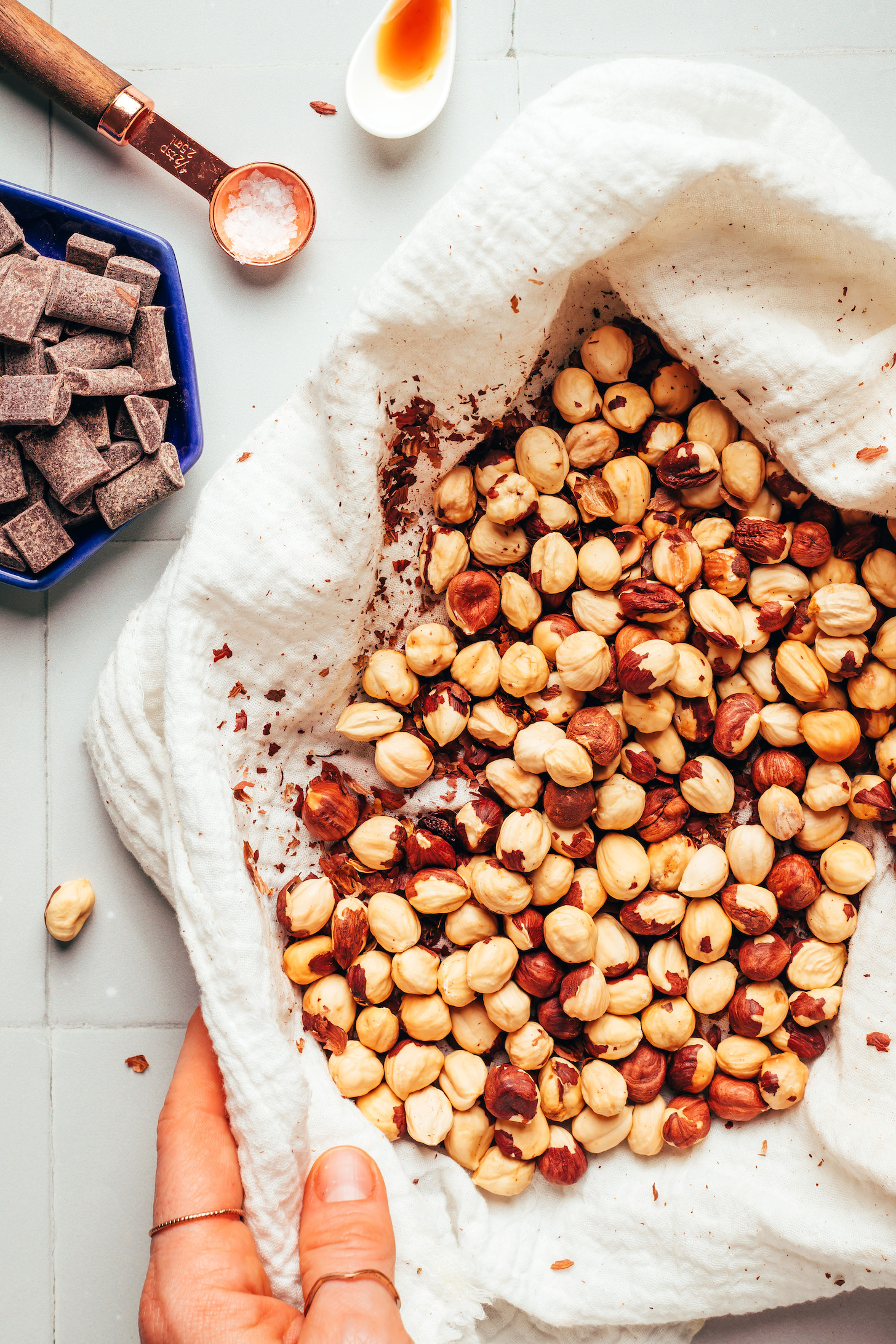
- Preparation and Roasting: Raw hazelnuts are roasted at moderate temperatures to loosen their bitter skins and stimulate natural essential oils. The skins are subsequently removed using a clean kitchen towel.
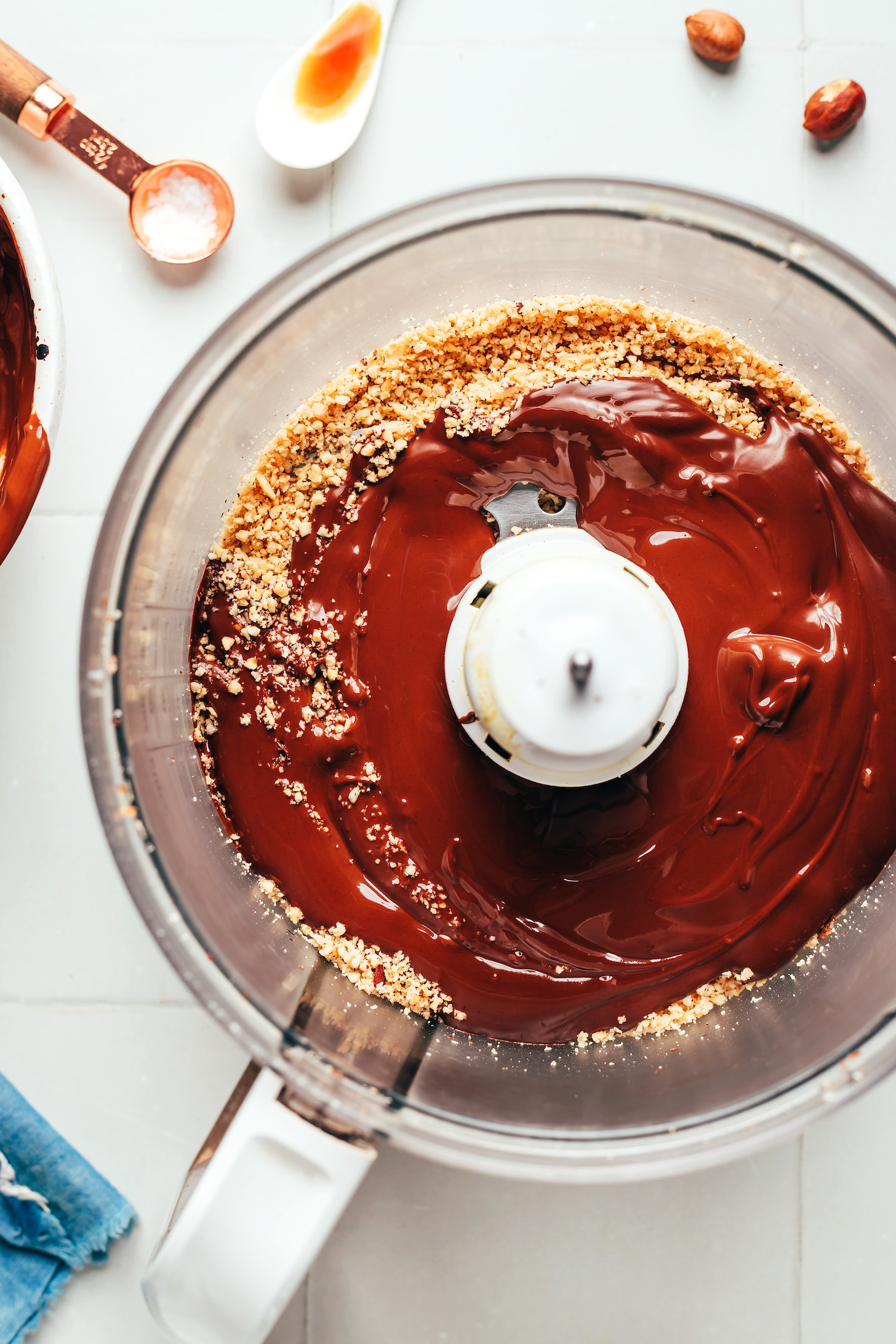
- Emulsification of the Spread Base: The roasted hazelnuts are blended with melted chocolate chunks until a rich, cohesive chocolate-hazelnut paste forms. A portion of this mixture is reserved for final texturing.
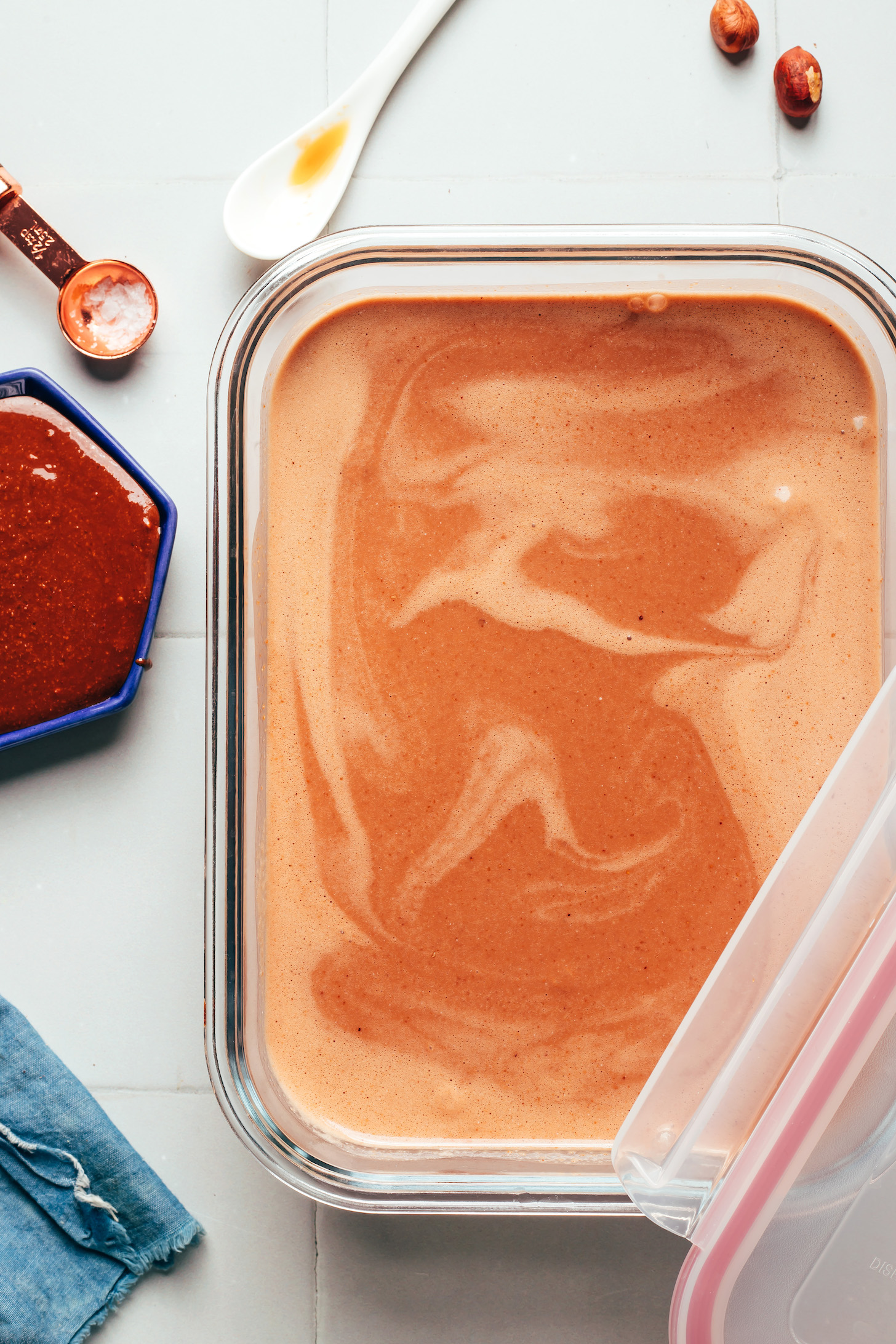
- Integration of Liquid Base: The remaining chocolate-hazelnut paste is combined in a high-speed blender with canned light coconut milk, cane sugar, vanilla extract, and a pinch of salt to enhance sweetness.
- Refrigeration and Chilling Phase: The blended liquid is transferred to a container and refrigerated for a minimum of one hour. This chilling step lowers the thermal baseline of the mixture, which is crucial for optimal ice cream machine performance.
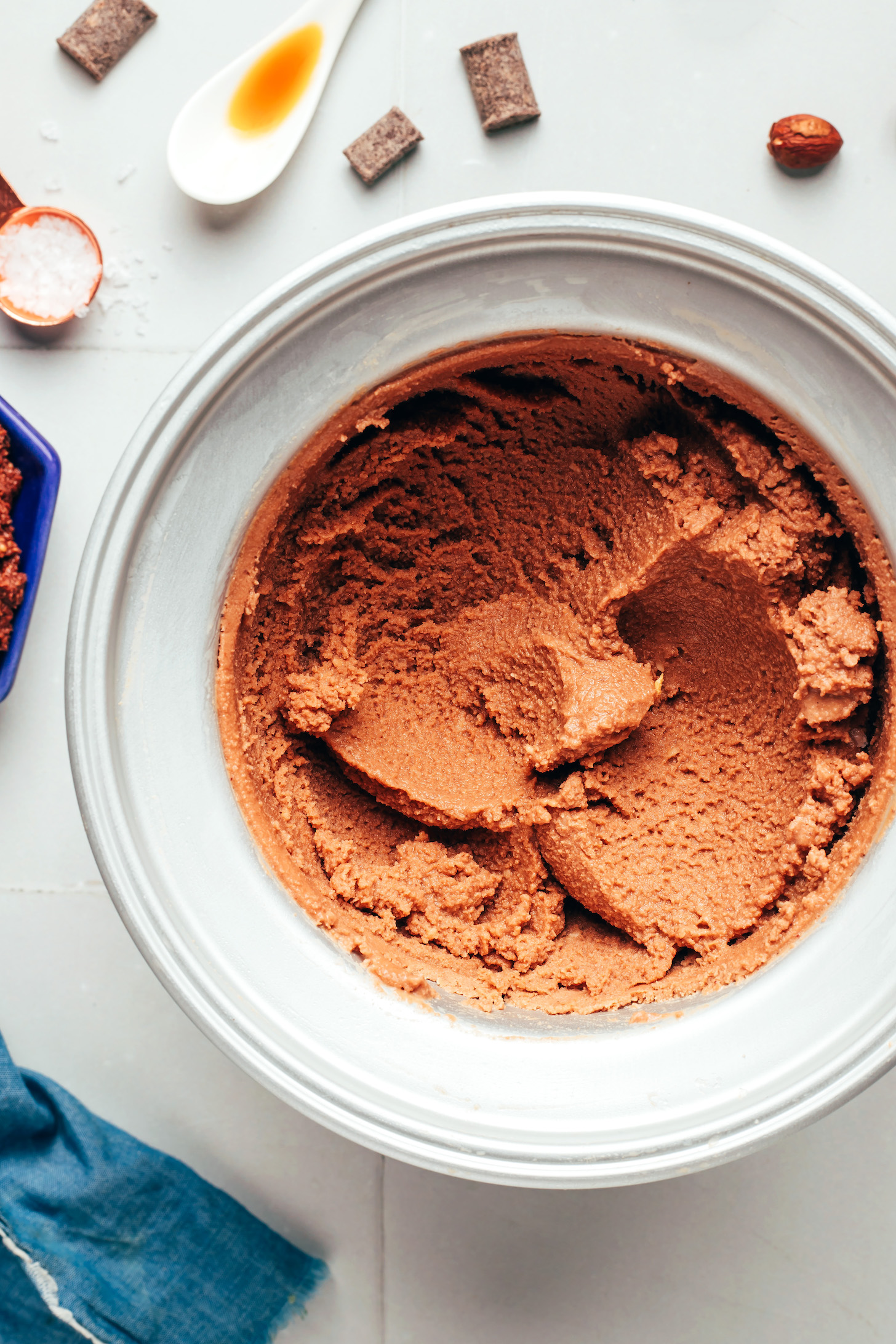
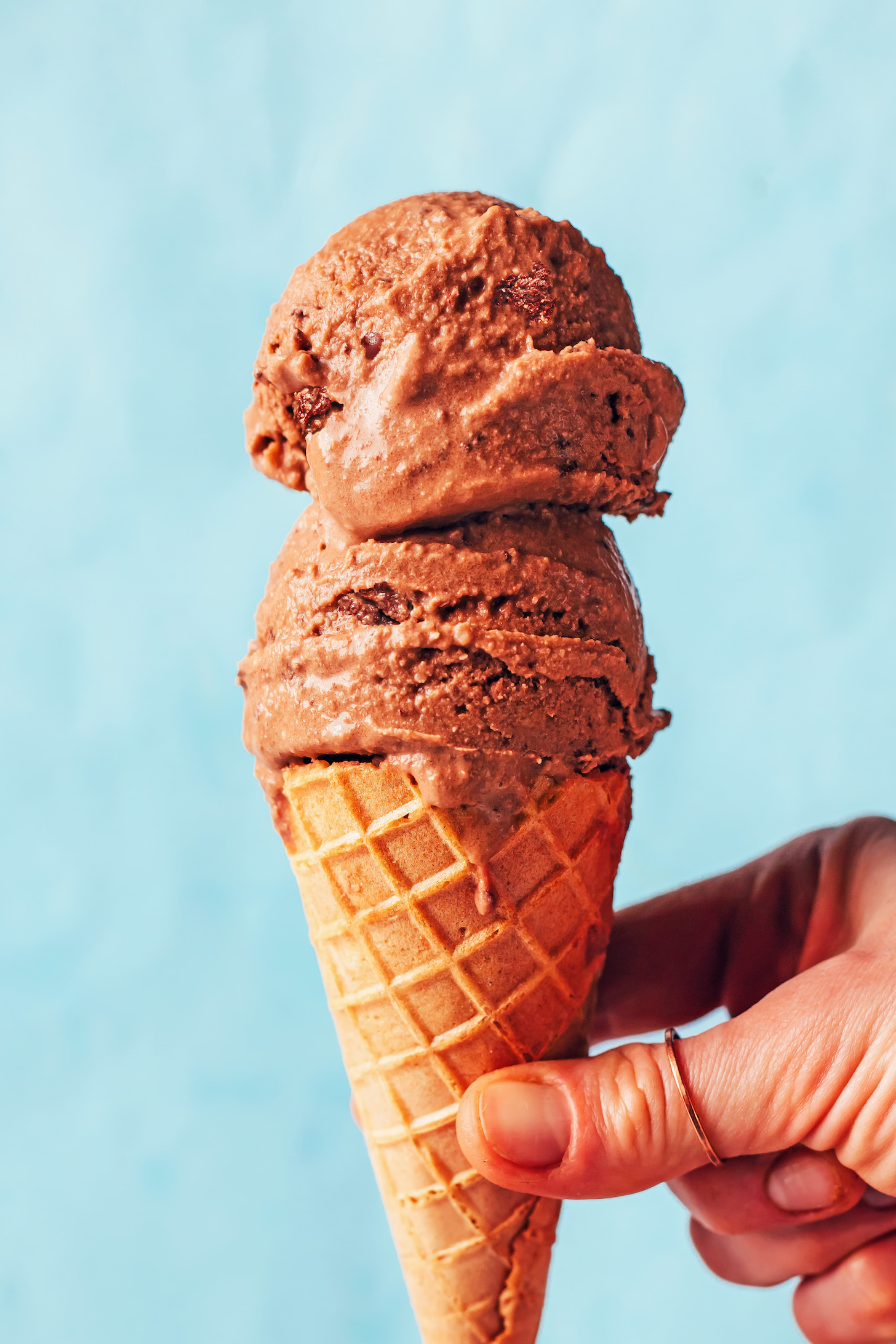
- Churning and Swirling: The chilled base is poured into an ice cream maker and churned for approximately 30 minutes until a semi-solid, aerated consistency is achieved. Finally, the reserved chocolate-hazelnut spread is gently folded in to create distinct ribbons of flavor throughout the dessert.
- Curing and Storage: The finished ice cream can be transferred to an airtight loaf pan and stored in a freezer for up to one month, maintaining its structural quality if properly sealed.
Culinary Analysis and Market Implications
The release of this recipe aligns with broader macro-trends in the culinary arts, specifically the democratization of professional techniques for home cooks. Creating a homemade, dairy-free chocolate-hazelnut spread and incorporating it as a ripple effect within an ice cream base demonstrates how complex commercial manufacturing techniques—such as split-batch inclusions and controlled swirl distribution—can be replicated in residential kitchens using standard appliances.
Furthermore, the formulation reflects an ongoing movement toward minimalistic cooking. By restricting the ingredient list to six core items, the recipe lowers barriers to entry for novice cooks while appealing to experienced culinary enthusiasts focused on clean eating. Food scientists note that reducing ingredient counts without sacrificing flavor relies heavily on synergistic pairings, such as the natural affinity between roasted hazelnuts, dark chocolate, and the subtle coconut undertones of the milk base.
Broader Impact on the Plant-Based Movement
As home-cooking trends increasingly intersect with digital recipe sharing, creations that bridge comfort food nostalgia with dietary restrictions—such as veganism and gluten-free living—tend to gain rapid traction across social platforms. Nutritional analysts suggest that recipes emphasizing familiar flavors like Nutella help normalize plant-based eating for mainstream consumers who might otherwise hesitate to explore vegan cuisine.
The availability of such recipes also supports the growing zero-waste and scratch-cooking movements. By empowering individuals to produce their own nut-based spreads and frozen desserts at home, consumers reduce their reliance on single-use packaging and heavily processed commercial alternatives. As the summer season approaches, innovations like this six-ingredient vegan Nutella ice cream underscore the viability, creativity, and ongoing expansion of the modern plant-based culinary landscape.