Mastering the Arc of Grace: A Journalistic Examination of Kapotasana and the Evolution of Modern Yoga Sequencing


The systematic evolution of modern postural yoga has long relied on the premise that complex asanas are not isolated physical feats, but rather the cumulative result of deliberate, anatomically integrated sequencing. This pedagogical framework, rooted in classical traditions and refined through decades of Western instructional literature, posits that advanced backbends such as Kapotasana (Pigeon Pose) require a meticulous progression of preparatory movements. Historical archives from structural movement publications highlight that proficient instruction treats individual postures not as static destinations, but as momentary pauses within an ongoing continuum of kinetic flow. By analyzing the biomechanical trajectory from passive supports to profound spinal extension, practitioners and educators can better understand the physiological and neurological demands of deep backbending.
Background Context and Pedagogical Evolution
The conceptualization of yoga asanas as fluid transitions rather than rigid shapes gained significant traction in the late 20th century, challenging the rigid alignments often imported during the early days of global yoga dissemination. Renowned instructors of the era, including Angela Farmer, advocated for an experiential approach where the body’s internal sensations dictate the depth and safety of a posture. Within this historical context, advanced backbends like Kapotasana emerged as ultimate tests of physical preparation, nervous system regulation, and psychological surrender.
Historically, practitioners often approached demanding spinal extensions with excessive muscular force, leading to common injuries in the lumbar spine and chronic compression of the thoracic vertebrae. The introduction of progressive sequencing—utilizing props such as bolsters, blankets, and straps—marked a significant shift in instructional methodology. This data-informed approach emphasizes nervous system pacing, ensuring that the sympathetic nervous system is not overstimulated during high-intensity stress postures.
Chronology of the Sequencing Progression
To safely navigate the physiological demands of Kapotasana, instructional frameworks establish a strict chronological progression designed to awaken, stabilize, and mobilize the spinal column.
Phase 1: Passive Neural Regulation and Bolster Work
The initial phase of preparation typically begins with passive backbending utilizing a bolster or rolled blankets positioned beneath the upper back. Maintained for five to ten minutes, this practice allows the practitioner to acclimate the nervous system to spinal extension. Physiological monitoring during this phase indicates that sustained, gentle arching helps modulate the breath, shifting focus toward extended exhalations. This breath control inhibits sympathetic nervous system overstimulation, mitigating the fight-or-flight responses often triggered by sudden backbends. Furthermore, this passive stage conditions the back muscles to release chronic tension, teaching the spine to mold organically to external support.
Phase 2: Active Spinal Integration in Bhujangasana (Cobra Pose)
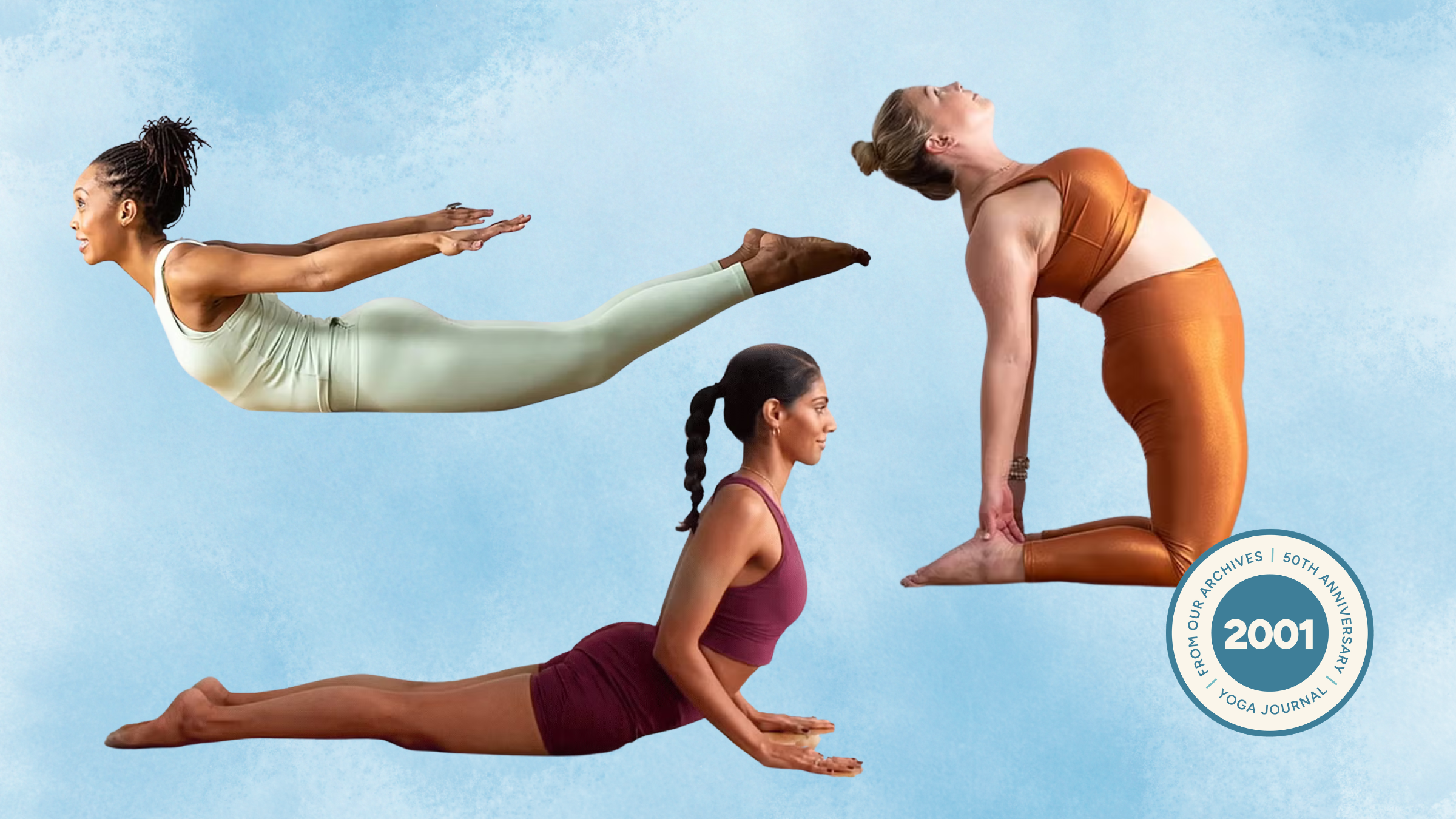
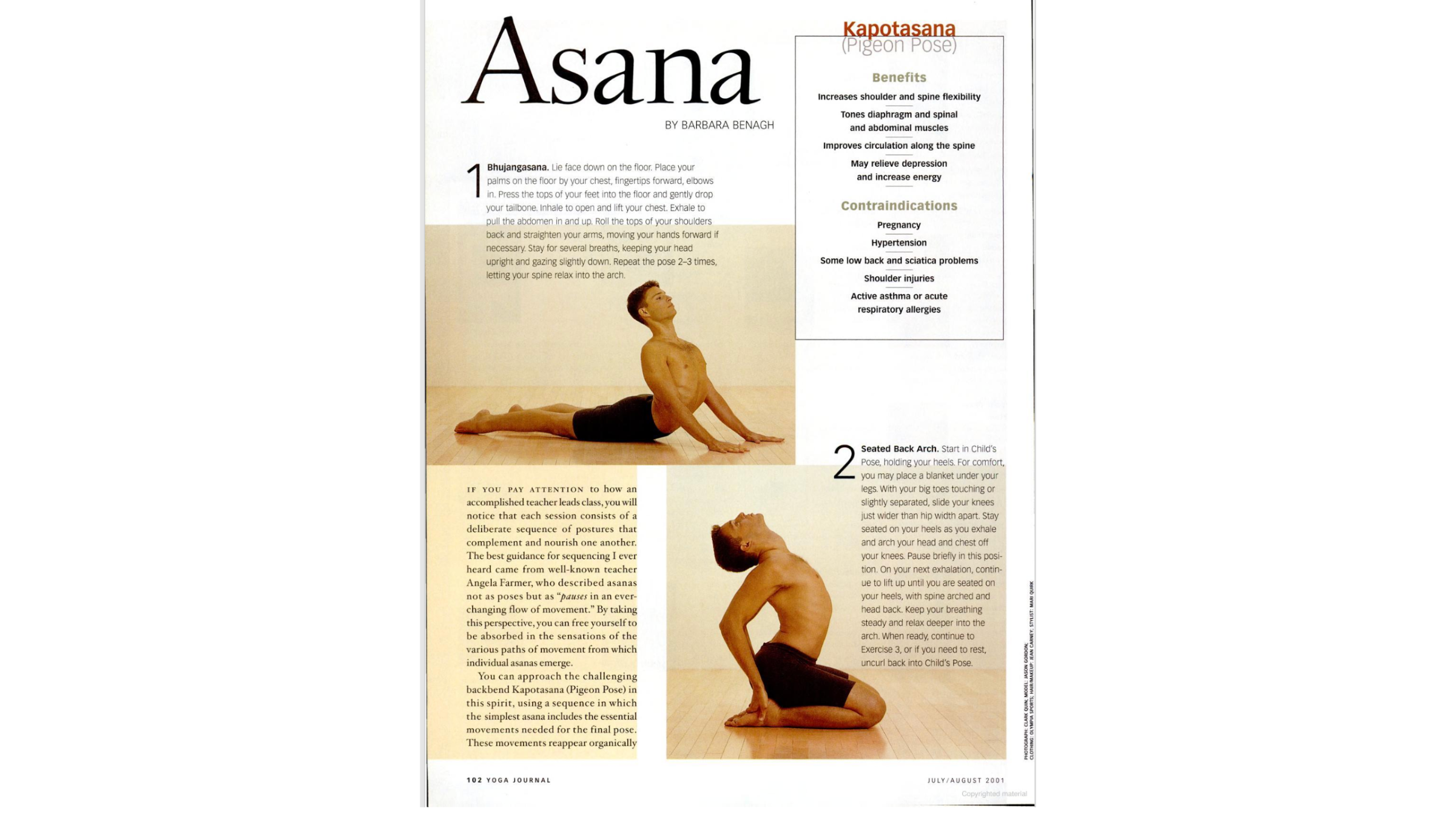
Transitioning to active floor poses, the practitioner engages Bhujangasana to establish the foundational relationship between the grounding action of the lower extremities and the upward flow of the spine.
- Pelvic Stability: Precise muscular engagement of the pelvic floor, transverse abdominis, and gluteal complexes prevents lumbar compression. The pubic bone and tailbone are dynamically balanced to create structural lift.
- Rooting the Lower Body: Lengthening the hamstrings and pressing the tops of the feet firmly into the floor provides the necessary counter-pressure for the torso to elevate.
- Spinal Flow: The movement initiates from the base of the spine, utilizing the breath to rhythmically expand the chest from the inside out. Instructors emphasize avoiding "Cobra on Crutches"—a common fault where the arms bear the brunt of the weight while the spine remains dormant.
Phase 3: Elevating the Arch in Ustrasana (Camel Pose)
Moving from prone backbends to kneeling postures, Ustrasana serves as a critical bridge toward full pigeon pose. Approached ideally from Balasana (Child’s Pose), the practitioner maintains the upward spinal flow established in Cobra.
- Addressing Kinesthetic Numbness: A frequent challenge in Ustrasana is mid-spine immobility, often compensated for by pushing the hips excessively forward. Modern pedagogical adjustments utilize props, such as tucked toes or strategically placed straps, to maintain vertical hip alignment while encouraging thoracic mobility.
- Weight Distribution: Maintaining a balance of weight between the knees and the feet ensures that the lumbar spine remains decompressed, allowing the upper back and chest to absorb the curvature.
Phase 4: Full Expression of Kapotasana
The culmination of the sequence is Kapotasana, a deep backbend requiring the complete integration of leg grounding, spinal elongation, and psychological surrender.
- The Descent: Beginning from a strong Ustrasana, the practitioner gradually releases the grip on the heels, tests structural readiness, and brings the hands through Anjali Mudra (prayer position) overhead toward the floor.
- Kinematic Alignment: Throughout the descent, the front groins remain drawn inward, the thighs are stabilized to prevent forward shifting, and the breath sustains the internal pressure necessary to protect the vertebrae.
- Final Integration: Upon reaching the floor, the practitioner walks the hands toward the feet, grasps the ankles or heels, and rests the head on the feet, maintaining a steady internal scan of the body’s mechanics.
Biomechanical Analysis and Physiological Implications
From an analytical perspective, the transition from foundational backbends to Kapotasana presents significant biomechanical challenges. The human spine is naturally more flexible in flexion and rotation than in extension; therefore, forced extension without adequate thoracic preparation places undue shear stress on the lumbar discs.
Data compiled from movement science analyses of advanced yoga practitioners indicate that successful execution of Kapotasana correlates directly with three primary physiological metrics:
- Thoracic Extension Capacity: The ability to isolate movement in the thoracic spine, overcoming the natural stiffness of the ribcage.
- Hip Flexor and Quadriceps Compliance: Sufficient elasticity in the anterior hip structures to allow the thighs to remain vertical without dumping weight into the lower back.
- Vagal Tone Regulation: The maintenance of a steady, rhythmic breathing pattern (specifically prolonged exhalations) to down-regulate heart rate variability during moments of intense physical demand.
Failure in any of these metrics typically results in compensatory movement patterns, such as lumbar hyperextension, breath-holding, and hyper-contraction of the erector spinae, which dramatically increase the risk of acute strain or chronic injury.
Institutional Perspectives and Expert Consensus
Leading somatic educators and physical therapists specializing in yoga-related biomechanics emphasize that the value of practicing advanced asanas lies not in the aesthetic completion of the shape, but in the fidelity of the internal process.
According to consensus statements from movement analysts, the cultural stigma surrounding "surrender" in physical disciplines often hinders practitioner safety. In high-intensity backbends, physical rigidity is frequently mistaken for strength. True structural integrity, however, requires a delicate equilibrium between muscular effort and conscious release. When practitioners learn to soften resistance through rhythmic breathing rather than forcing the body past its physiological limits, the incidence of practice-related trauma drops significantly.
Furthermore, sports medicine specialists note that the integration of counter-poses—such as Adho Mukha Svanasana (Downward-Facing Dog) and gentle supine twists following deep backbends—is essential for resetting spinal alignment and restoring resting muscle tone. These transitional practices facilitate venous return, alleviate residual tension in the paraspinal muscles, and promote neuromuscular recovery.
Broader Impact on Contemporary Practice
The enduring relevance of structured sequencing methodologies, as documented across decades of instructional archives, underscores a fundamental shift in how physical disciplines are taught and consumed. By moving away from arbitrary posture acquisition and toward an anatomy-informed, process-oriented approach, the modern yoga community has fostered a safer, more sustainable environment for practitioners of all levels.
Ultimately, the journey from a simple prone backbend like Cobra to the profound arc of Kapotasana serves as a microcosm for the broader discipline of mindful movement. It demonstrates that with rigorous attention to foundational mechanics, precise breath regulation, and a willingness to respect physiological limitations, practitioners can safely explore the outer limits of human mobility while cultivating deep somatic awareness.