From Consumer Gadgets to Clinical Biomarkers: The Evolution and Challenge of Wearable Health Data

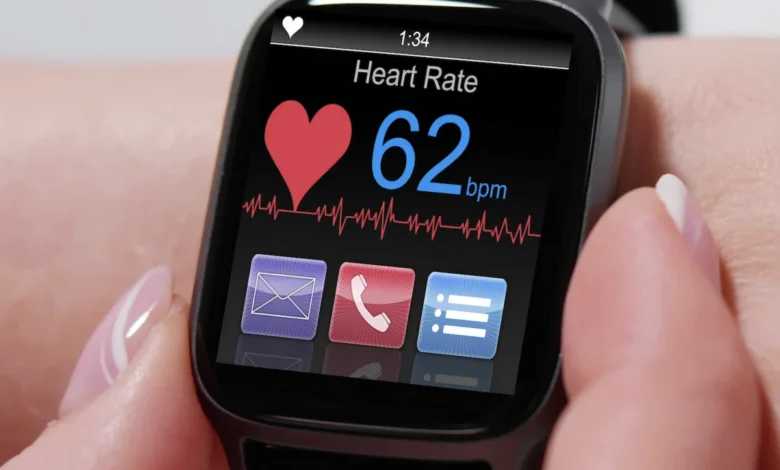
The modern healthcare landscape is undergoing a profound decentralization, driven largely by the proliferation of consumer wellness trackers, smartwatches, and continuous monitoring devices. What began in the mid-20th century as heavy, specialized medical equipment has transformed into sleek, everyday accessories capable of tracking heart rates, sleep architectures, blood glucose levels, and blood oxygen saturation. While this shift empowers individuals to take a proactive stance in managing their health, it simultaneously forces traditional medicine to grapple with a massive influx of decentralized data. As consumer-generated metrics increasingly mirror clinical biomarkers, the medical community, regulatory bodies, and technology developers face urgent questions regarding validation standards, clinical utility, and data privacy.
The Historical Context of Ambulatory Monitoring
The foundation of continuous physiological monitoring was laid more than half a century ago. In the 1960s, biophysicist Norman J. “Jeff” Holter commercialized the portable electrocardiogram, forever changing cardiology. Prior to the invention of the Holter monitor, clinicians relied almost exclusively on short office-visit snapshots, such as standard 12-lead ECGs, to diagnose cardiac abnormalities. This created a severe sampling bias, frequently missing cryptic or intermittent arrhythmias that did not manifest during a brief clinical encounter. Holter famously captured the limitation of traditional diagnostics, noting that assessing a patient’s physiology from a single snapshot is akin to a mining engineer assaying a mountain of ore by testing a single rock.
The introduction of the Holter monitor ushered in an era where diagnostics could follow patients out of the hospital and into their daily lives, quietly capturing critical data before catastrophic cardiovascular events could occur. For decades, this ambulatory monitoring remained strictly within the realm of prescription-based, medical-grade hardware. However, the 21st century fractured this paradigm into two distinct tracks: clinical devices reserved for institutional healthcare, and consumer wellness gadgets produced by technology giants such as Apple, Fitbit, Samsung, Garmin, and Oura.
The Convergence of Consumer Tech and Clinical Medicine

In recent years, the boundary separating consumer wellness products from medical-grade diagnostic tools has steadily eroded. Advancements in sensor accuracy and data processing have enabled everyday wearables to capture physiological metrics once restricted to hospital laboratories.
A prime example of this convergence is the regulatory clearance of over-the-counter continuous glucose monitors, such as Dexcom’s Stelo, which brings continuous metabolic tracking directly to consumers without requiring a traditional physician’s prescription. Similarly, platforms like Apple’s HealthKit aggregate complex health records, clinical lab results, and real-time wearable data into a single ecosystem. Companies like WHOOP have forged partnerships with clinical diagnostic networks such as Quest Diagnostics, seamlessly integrating continuous physiological metrics with comprehensive blood testing.
This technological integration has forced medical professionals to confront a new reality. Physicians specializing in laboratory medicine and diagnostics increasingly recognize the prognostic value of consumer-generated data. Yet, this influx of information has also exposed a glaring disparity: while clinical biomarkers are subjected to rigorous validation frameworks, many consumer metrics operate behind proprietary algorithms that lack standardized benchmarks.
Regulatory Shifts and Government Initiatives
Recognizing the rapid pace of technological innovation, regulatory agencies are actively adapting their frameworks to accommodate the digital health boom. During the Consumer Technology Association’s CES showcase, federal health officials announced updates to guidelines governing the oversight of wearable technologies and artificial intelligence-enabled medical devices, aiming to accelerate their pathway to the market.
Simultaneously, the U.S. Centers for Medicare and Medicaid Services (CMS) and the Food and Drug Administration (FDA) have introduced pilot programs—namely ACCESS and TEMPO (Technology-Enabled Meaningful Patient Outcomes)—designed to facilitate insurance reimbursement for digital health devices. These initiatives allow specific remote-monitoring tools to reach patients while companies gather real-world performance data, bypassing traditional, protracted regulatory pathways reserved for legacy medical devices.

Adding to these federal efforts, the Advanced Research Projects Agency for Health (ARPA-H) launched the Delphi program. This ambitious research initiative focuses on developing low-cost wearable and ingestible biosensors capable of continuously tracking complex biological signals, including hormones, immune markers, and precise therapeutic drug levels. These institutional tailwinds signal a broader governmental push to transform wearables from lifestyle accessories into foundational components of preventative healthcare.
The Promise and Pitfalls of Continuous Tracking
The clinical and preventative benefits of this technological shift are substantial. Millions of individuals credit smartwatch notifications with alerting them to asymptomatic atrial fibrillation, prompting timely medical interventions that potentially averted strokes or heart failure. Continuous glucose monitors have similarly revolutionized metabolic awareness, allowing users to draw direct connections between dietary intake, physical exertion, sleep quality, and real-time glycemic fluctuations. Furthermore, extensive public health research links consistent wearable use with increased baseline physical activity and improved cardiovascular health metrics.
Despite these clear victories, the widespread adoption of consumer health trackers highlights significant operational and diagnostic challenges. Traditional diagnostic medicine operates under strict regulatory oversight. Hospital laboratories are governed by the Clinical Laboratory Improvement Amendments (CLIA) and accredited by organizations like the College of American Pathologists, ensuring that every diagnostic test undergoes rigorous in-house and clinical validation before influencing patient care.
In contrast, consumer wearables often rely on proprietary algorithms that yield composite wellness scores—such as "readiness," "sleep scores," or generalized stress metrics—rather than standardized clinical units. While sleep trackers are generally reliable for identifying total sleep duration and morning wake times, their accuracy in categorizing complex sleep stages remains variable. Heart-rate variability (HRV) metrics, frequently cited by fitness trackers, can differ significantly between hardware brands and lack universal diagnostic correlation, leaving clinicians unable to use the raw figures for direct pathology assessment.
The challenge of false positives is another major hurdle. In a landmark, Apple-supported study involving nearly 419,300 participants using a smartwatch irregular pulse notification app, more than 2,000 individuals received alerts. However, subsequent clinical workups confirmed atrial fibrillation in only about one-third of those who sought follow-up care. While the study proved that wearables can identify relevant arrhythmias at an unprecedented population scale, it also underscored the strain that high false-positive rates place on overburdened healthcare systems.

The Integration of Artificial Intelligence
The complexity of interpreting wearable data is further magnified by the rapid integration of artificial intelligence into healthcare. Patients increasingly turn to AI-powered chatbots for instantaneous health advice, while physicians adopt generative AI tools for clinical documentation, preliminary diagnostics, and decision support.
In theory, large language models possess the computational capacity to synthesize millions of disparate wearable data points into coherent clinical insights. In practice, however, unverified AI systems risk confidently misinterpreting poorly standardized physiological signals, amplifying false positives, and overwhelming clinical infrastructure. Experts argue that if AI is to successfully bridge the gap between raw data and clinical action, it must function not as a standalone diagnostician, but as an intelligent patient sidekick—proactively identifying negative physiological trends and ensuring vulnerable patients do not fall through the cracks of the healthcare system.
Data Privacy and Security Concerns
Beyond clinical accuracy and workflow integration, the explosive growth of consumer health tracking raises urgent questions regarding data privacy. Unlike traditional medical records protected by the Health Insurance Portability and Accountability Act (HIPAA), data collected by commercial consumer wearables generally falls outside federal healthcare privacy protections.
Consumer health data harvested by smartwatches, rings, and fitness apps can frequently be sold on open data markets to commercial brokers. This information can theoretically be accessed by employers, insurance providers, or third-party entities to infer highly sensitive details regarding an individual’s stress levels, mental health, emotional state, and daily behavioral habits.

Lawmakers have begun attempting to address these regulatory loopholes through proposed legislation. Bills such as the SMARTWATCH Data Act and the Health Information Privacy Reform Act seek to extend HIPAA-like protections to health data gathered outside traditional clinical environments. These legislative efforts reflect a growing public consensus that personal biometric data warrants the same strict confidentiality as traditional medical charts.
The Future of Decentralized Medicine
Despite valid concerns surrounding data validation, algorithmic transparency, and privacy, the medical community’s outlook on wearables remains largely optimistic. By granting individuals direct visibility into their own physiology, these devices foster personal agency and open new avenues for early disease detection long before symptoms manifest in a clinical setting.
As the lines between consumer wellness gadgets and medical diagnostics continue to blur, the future of healthcare points toward a decentralized, continuous monitoring ecosystem. For this transition to succeed, however, digital health tools must be subjected to the same rigorous standards of validation, transparency, and clinical accountability that medicine has historically demanded of laboratory diagnostics. Only by holding consumer technology to these high standards can the medical field fully honor the legacy of pioneers like Jeff Holter, ensuring that the future of healthcare is built on robust science rather than isolated data snapshots.