Houthi Militant Seizure of Hanish Islands Escalates Regional Crisis and Threatens Global Energy Security

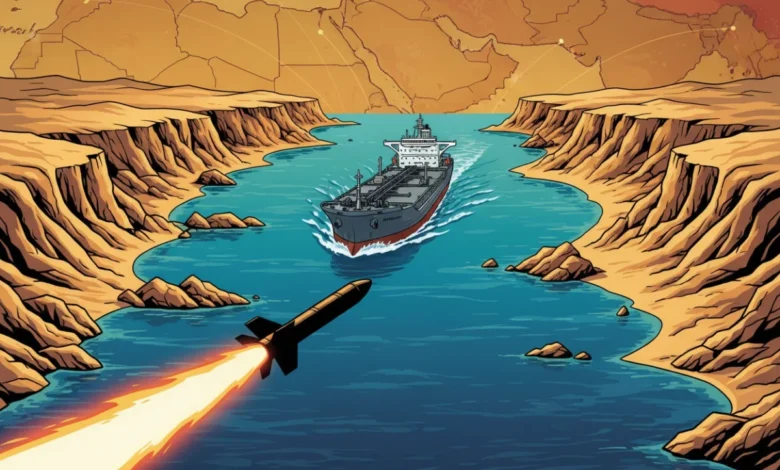
The strategic landscape of the Red Sea has undergone a profound transformation following the seizure of the Greater and Lesser Hanish islands by Houthi militants. This tactical advancement, confirmed by both government officials and Houthi representatives, marks a significant escalation in the ongoing conflict in Yemen. By securing these islands, the Iran-backed group has effectively tightened its operational grip on the Bab al-Mandab Strait, a narrow maritime chokepoint that serves as a critical artery for global trade and a primary conduit for Saudi Arabian oil exports destined for Asian markets.
A Rapid Offensive Along the Coastline
The capture of the Hanish islands was not an isolated incident but the culmination of a swift and coordinated offensive that began on September 3. Over the course of a few days, Houthi forces executed a series of maneuvers that bypassed traditional defensive lines, forcing a retreat by Saudi-backed government forces. The offensive saw the fall of the strategic port city of Mokha and the occupation of Perim Island (Mayyun), located directly within the Bab al-Mandab Strait.
Military analysts note that the speed of the Houthi advance suggests a high level of logistical planning and a shift in the group’s military capabilities. By capturing approximately 130 kilometers of Yemen’s western coastline, the Houthis have effectively denied the Saudi-led coalition a secure foothold along the Red Sea. The proximity of these new positions—now within 32 kilometers of U.S. military assets in Djibouti—has triggered immediate concerns regarding the security of international maritime traffic and the stability of the Horn of Africa.
Chronology of the Escalation
- September 3: The Houthi offensive commences with a rapid movement along Yemen’s western coast.
- September 4-5: Houthi forces capture the port of Mokha and Perim Island, effectively establishing a presence in the Bab al-Mandab Strait.
- September 6: Reports confirm the seizure of the Greater and Lesser Hanish islands, placing the militants in control of key shipping lanes.
- September 7: Saudi Arabia announces the precautionary shutdown of the East-West pipeline following drone attacks, compounding the maritime security crisis.
- September 8-Present: Continued skirmishes occur as the Saudi-backed government attempts to regroup while international shipping companies announce the suspension of operations in the region.
Economic Implications and Energy Market Volatility
The convergence of the Hanish islands’ seizure and the forced closure of Saudi Arabia’s East-West pipeline has sent shockwaves through global energy markets. The pipeline, a 745-mile infrastructure project, serves as a vital bypass for the Strait of Hormuz, allowing Saudi oil to reach the Red Sea port of Yanbu. Rystad Energy reports that this pipeline typically transports between 2.6 million and 4 million barrels of oil per day. With this volume now effectively removed from the supply chain, the impact on global inventory is significant.
Market indicators have responded sharply to these developments. Brent crude futures surged, with prices climbing above $106 per barrel, reflecting investor anxiety over the duration of the supply disruption. Analysts at KCM Trade have warned that if the pipeline remains offline for an extended period—a prospect deemed likely by industry experts—the resulting supply deficit could drive prices to new, unprecedented highs. Furthermore, the convergence of this crisis with an existing diesel shortage in the United States and stronger-than-anticipated fourth-quarter demand projections creates a "perfect storm" for energy inflation.
Chevron CEO Mike Wirth recently highlighted the precarious state of global energy, noting that the "stock buffers" that previously mitigated supply shocks have been largely exhausted. With global crude shipments from Saudi Arabia already reduced, the ability of the international community to absorb further volatility is limited.
Humanitarian Crisis and Displacement
Beyond the geopolitical and economic ramifications, the conflict has exacted a devastating toll on the Yemeni population. The International Organization for Migration (IOM) estimates that nearly 94,000 individuals have been displaced since the surge in fighting began in early September. The humanitarian infrastructure in south-western Yemen is currently under extreme duress, with approximately 200 schools converted into temporary shelters for those fleeing the front lines.
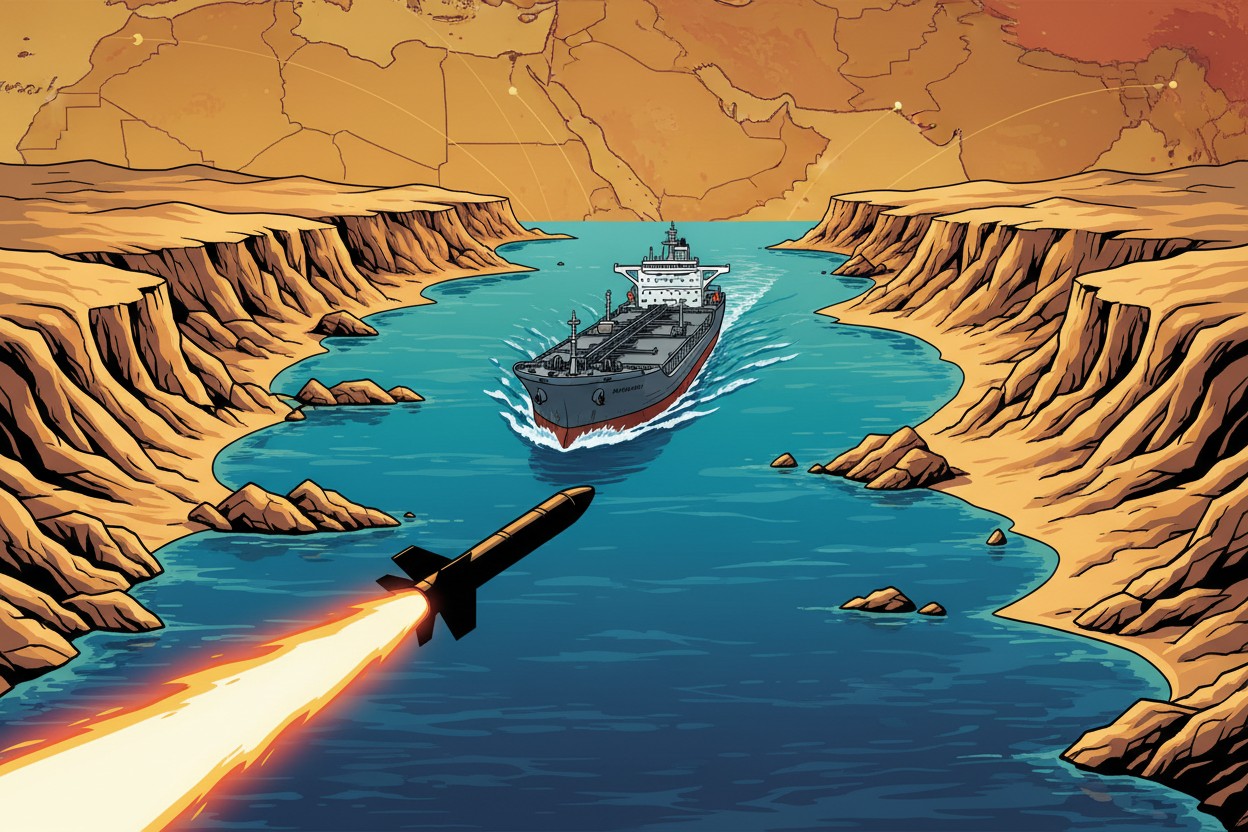
The violence has resulted in significant civilian casualties. Recent reports indicate that Houthi-led drone and missile strikes have injured over a dozen civilians, while reciprocal Saudi airstrikes in the Al Jawf region have resulted in the deaths of at least 32 people. The cross-border nature of the fighting, with Houthi missiles targeting Saudi air bases and retaliatory strikes occurring within Yemen, underscores the fragility of the regional security architecture.
International Response and Diplomatic Maneuvers
Washington and regional capitals are currently engaged in intense diplomatic activity. Vice President JD Vance confirmed that the U.S. government is in direct communication with the Houthis and has maintained constant contact with Emirati and Saudi officials. The administration’s stated objective is to de-escalate the situation and ensure the safety of commercial shipping, though the Houthis maintain that their objective is limited to disrupting Saudi-linked vessels.
Despite these assurances, shipping giants remain wary. Several major international container lines have opted to suspend or reroute operations, fearing that the promise of safe passage for non-Saudi vessels may not hold in an increasingly volatile environment. The proximity of the Houthi forces to international shipping lanes in the Bab al-Mandab Strait poses a persistent threat that is difficult to neutralize through diplomatic channels alone.
Strategic Analysis: The Future of the Red Sea
The seizure of the Hanish islands is more than a territorial gain for the Houthis; it is a strategic paradigm shift. By controlling the islands, the group has acquired the ability to project power across a wider radius of the Red Sea, effectively forcing the international community to account for Houthi interests in any future maritime security arrangements.
The implications for global trade are severe. The Bab al-Mandab Strait is a critical chokepoint; its obstruction or even the perceived risk of obstruction forces vessels to take longer, costlier routes. This increases shipping times, fuel consumption, and insurance premiums, all of which are eventually passed down to consumers.
As the conflict enters this new, more precarious phase, the international community faces a difficult balancing act. The combination of a disrupted energy supply, a worsening humanitarian crisis, and a volatile maritime corridor requires a multifaceted response. Whether the current military stalemate evolves into a protracted conflict or a negotiated cessation of hostilities remains uncertain. However, it is clear that the status quo in the Red Sea has been irrevocably altered, and the risk of further, unintended escalations remains elevated.
Analysts emphasize that the market’s sensitivity to these events is not merely a reaction to current disruptions, but a reflection of the systemic fragility of the global supply chain. With no immediate solution in sight for the pipeline repairs or the regional security crisis, the upward pressure on oil prices and the uncertainty surrounding shipping logistics are likely to persist well into the coming months. The coming weeks will be critical in determining whether the international coalition can effectively contain the threat posed by the Houthi maritime expansion or if the region is destined for a sustained period of instability that will continue to challenge global economic recovery efforts.