The Ultimate Guide to Making a Bright, Briny, and Nutrient-Packed Sardine Salad for Every Diet

The culinary world has long championed canned tuna and salmon as the ultimate convenience-food staples for quick, protein-packed lunches. However, a growing nutritional consensus and a renewed appreciation for Mediterranean diet traditions have thrust a modest tinned powerhouse back into the spotlight: the sardine. Culinary creators and health advocates are increasingly turning to canned sardines not just as a pantry backup, but as a primary ingredient for vibrant, nutrient-dense dishes. Among the latest iterations capturing attention is a fresh, no-cook sardine salad that reimagines the traditional fish salad format by incorporating bright citrus, briny capers, and herbaceous dill.
This modern take on tinned fish preparation bridges the gap between nutritional efficiency and sophisticated flavor profiles. As consumers increasingly seek out shelf-stable proteins that do not sacrifice dietary quality, recipes like this Mediterranean-inspired sardine salad offer a timely solution for quick weekday meals, meal-preppers, and individuals looking to diversify their seafood intake.
The Nutritional Profile and Health Imperative Behind Canned Sardines
To understand the growing popularity of sardine-based dishes, one must examine the exceptional nutritional density packed into these small forage fish. Unlike larger predatory fish, such as tuna or swordfish, sardines sit low on the marine food chain, which inherently limits their accumulation of heavy metals like mercury. This environmental reality makes them a safer, more sustainable seafood choice for regular consumption.
Nutritional science consistently highlights sardines as an elite source of vital macronutrients and micronutrients. A standard serving is exceptionally high in lean protein, which is essential for muscle repair, metabolic support, and sustained satiety. Furthermore, sardines are one of the most potent natural sources of marine-derived omega-3 fatty acids—specifically EPA (eicosapentaenoic acid) and DHA (docosahexaenoic acid). These essential fatty acids play a critical role in cardiovascular health by helping to reduce systemic inflammation, lower triglyceride levels, and support cognitive function.
Beyond protein and healthy fats, canned sardines are a treasure trove of fat-soluble vitamins and minerals. When consumed with their soft, edible bones—which many brands include—they provide a remarkably high amount of bioavailable calcium, rivaling that of dairy products and supporting long-term bone density. Additionally, they deliver robust quantities of vitamin B12, which is vital for neurological function and red blood cell formation, as well as vitamin D, a nutrient notoriously difficult to obtain in adequate amounts through diet alone.
Despite these impressive health credentials, public adoption of sardines has historically faced a barrier: sensory perception. Many consumers report an aversion to the intense, fishy flavor or the tactile experience of consuming whole sardines with visible skin and bones. The culinary strategy behind this modern sardine salad specifically addresses these hurdles. By flaking the fish, removing the bones for those who prefer a smoother texture, and balancing the natural richness of the sardines with assertive, acidic, and aromatic ingredients, the dish transforms an intimidating pantry staple into an accessible, palate-pleasing meal.
Culinary Anatomy: Ingredients and Flavor Balancing

The architecture of a successful fish salad relies heavily on the principle of contrast. Because sardines possess an inherent oiliness and deep, savory flavor profile, they require bright, acidic, and crunchy counterpoints to achieve harmony on the palate.
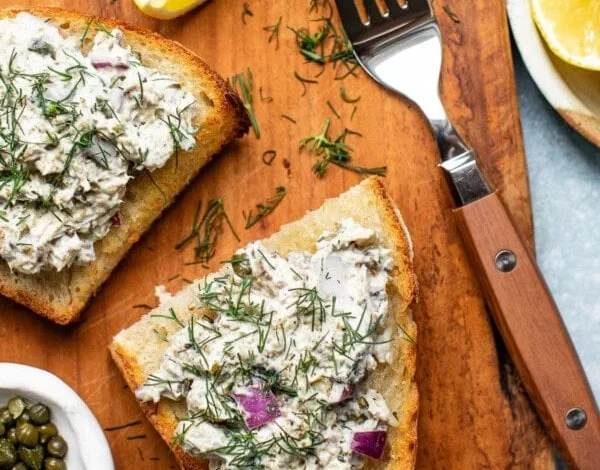
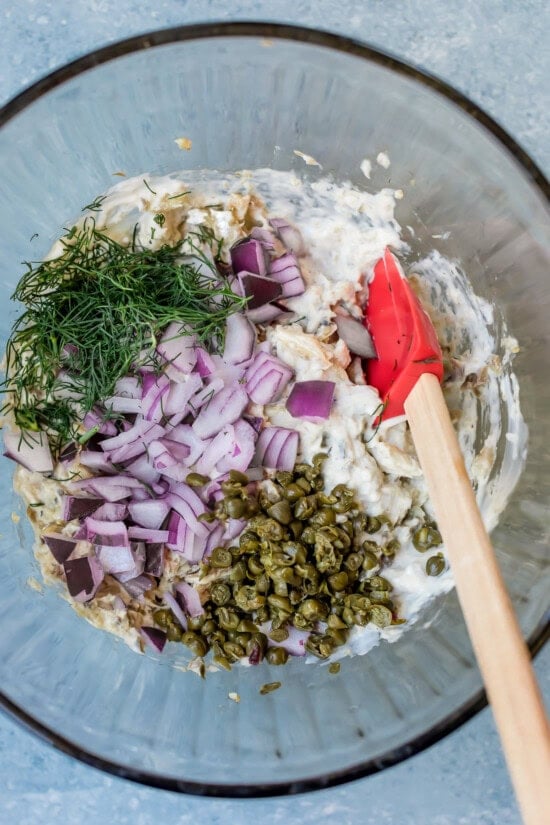
At the base of the recipe are canned sardines, preferably packed in water with no added salt to allow the home cook to control the sodium levels, or gently drained if packed in high-quality olive oil. To elevate the fish, the recipe calls for finely minced red onion, which introduces a sharp, aromatic bite and a pleasant textural crunch. Fresh dill provides a clean, herbaceous note that cuts through the richness of the fish, while capers contribute a sharp, briny explosion of flavor that mimics the complexity of classic Mediterranean dressings.
The binding agent is equally critical. While traditional tuna or chicken salads often rely heavily on thick emulsions of mayonnaise, this sardine recipe employs a measured approach. A small touch of light mayonnaise—or a split substitution of Greek yogurt—provides just enough creamy binding texture to hold the salad together without masking the delicate flavor of the fish. Freshly squeezed lemon juice serves as the ultimate binding element, providing an essential citrus acidity that brightens the entire mixture, neutralizes any lingering fishiness, and activates the secondary flavors of the capers and herbs.

Step-by-Step Preparation and Culinary Execution
Preparing a sardine salad requires minimal kitchen equipment and virtually zero active cooking time, making it an ideal option for hot summer days, fast-paced office environments, or simplified household meal prep. The entire process can be completed in approximately fifteen minutes.
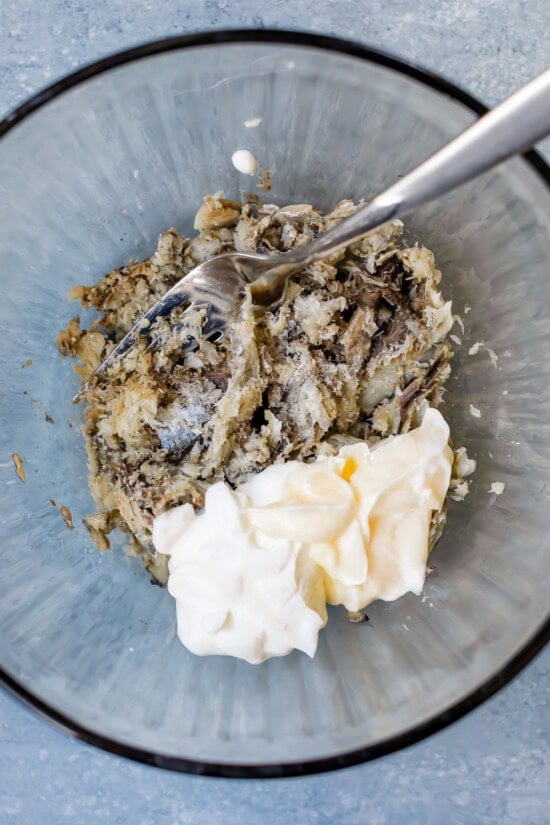
The preparation begins with the careful selection and handling of the canned fish. After opening the cans, the sardines should be transferred to a mixing bowl. For individuals who prefer a traditional, authentic preparation, the soft bones can be left intact, as they mash easily and dissolve into the mixture while providing a boost of calcium. However, for those sensitive to texture, the spine can be easily pinched and removed with a fork before the fish is gently flaked.
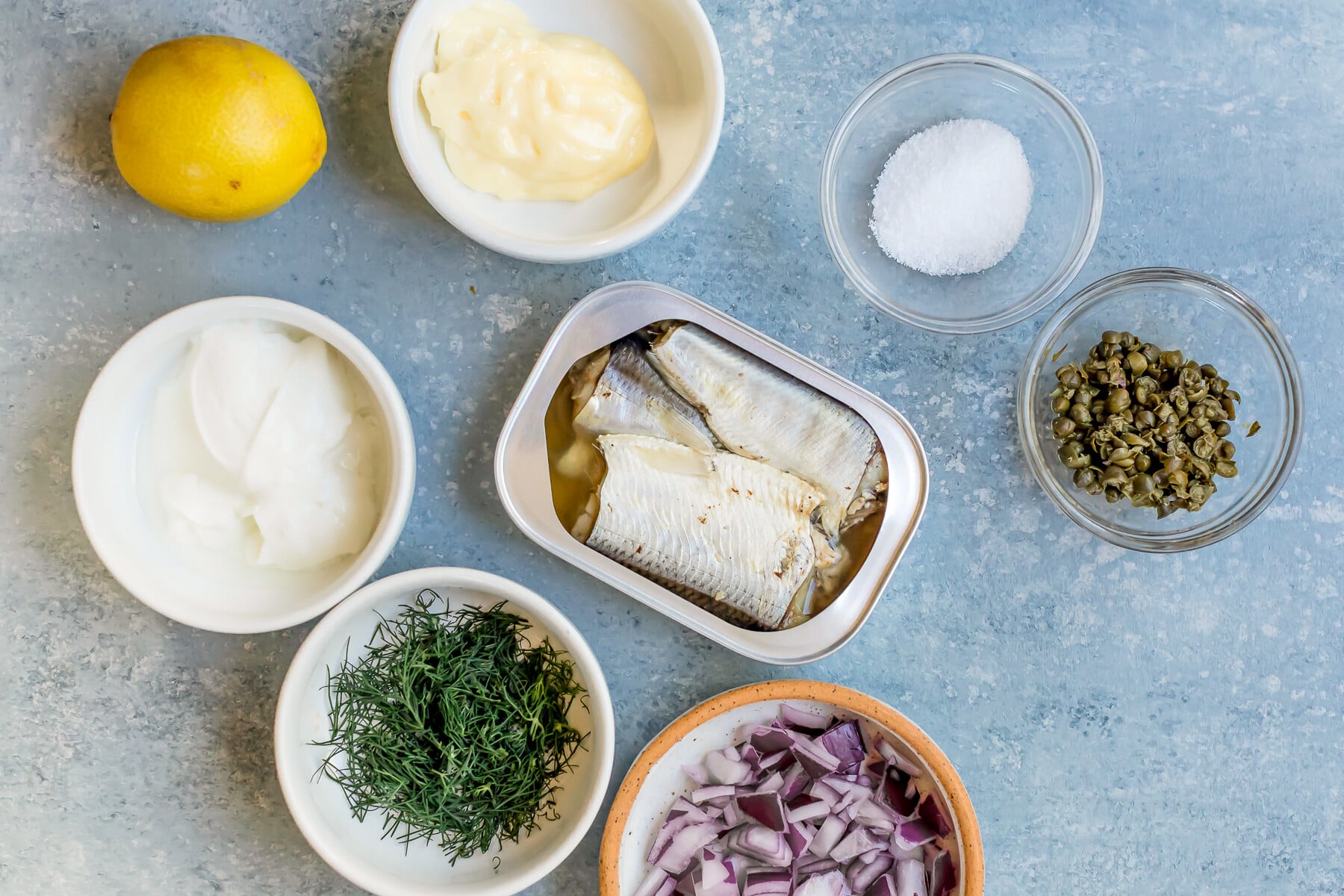
Next, the supporting aromatics and seasonings are incorporated. Finely diced red onion, freshly chopped dill, and drained capers are added directly to the flaked sardines. The binding agents—a modest dollop of light mayonnaise and a generous splash of fresh lemon juice—are then folded into the mixture. Seasoning should be approached with caution; because canned sardines already contain natural sodium, a quick taste test is recommended before adding any additional salt. Freshly cracked black pepper can be added to taste to provide a subtle, warming finish.
Once thoroughly combined, the salad is ready for immediate consumption or can be sealed in an airtight container for future meals.
Versatile Serving Suggestions for Modern Diets
One of the primary advantages of this sardine salad is its remarkable versatility in culinary application. Just like its culinary cousin, the classic tuna salad, it adapts seamlessly to a wide variety of serving vessels and dietary preferences.
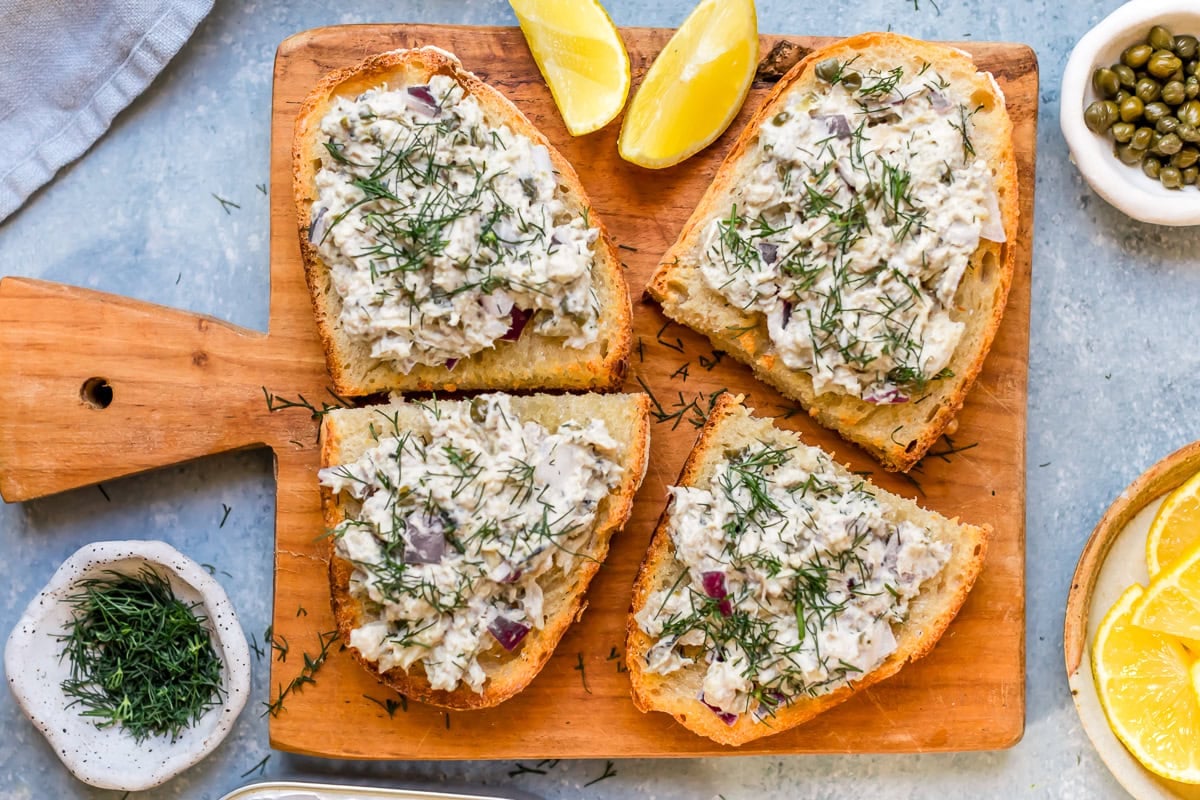
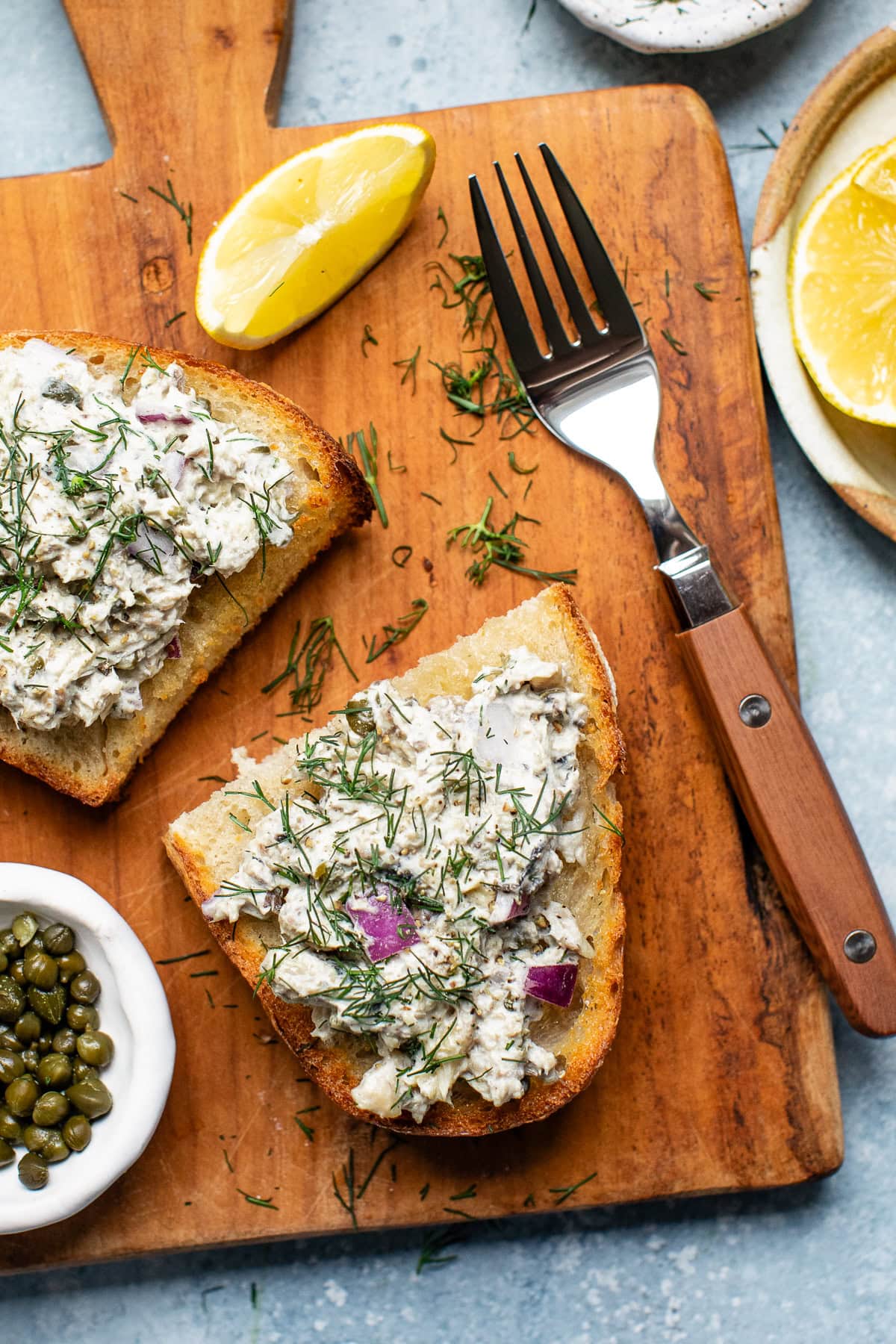
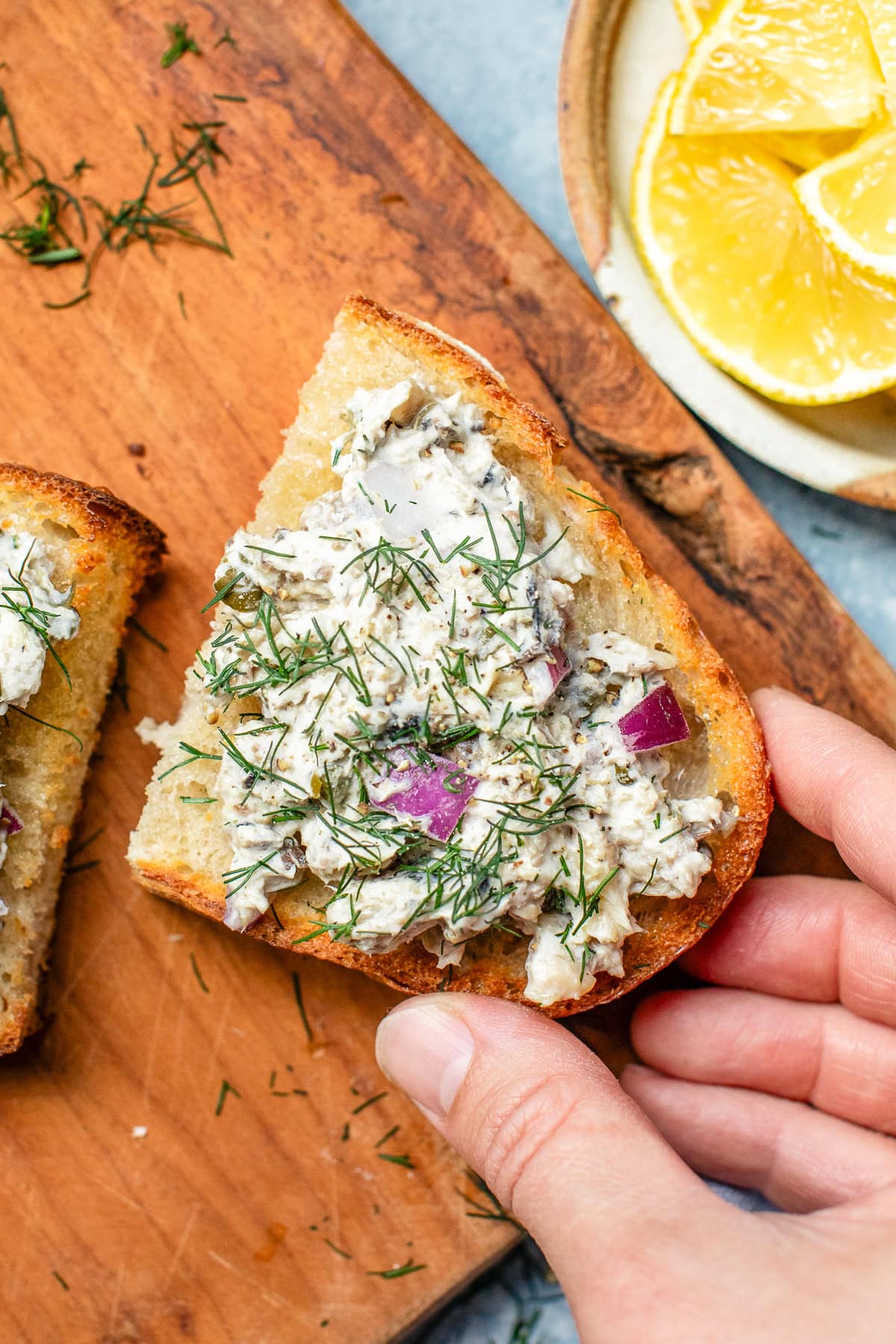
For a traditional lunch, the salad makes an exceptional topping for artisan whole-grain toast, sourdough, or rustic crackers, offering a satisfying crunch that complements the creamy texture of the spread. It can also be stuffed inside hollowed-out bell peppers, layered into a hearty whole-wheat wrap with crisp butter lettuce, or served atop a bed of mixed baby greens dressed lightly with olive oil and lemon.
For those adhering to specific carbohydrate-conscious or grain-free diets, the salad serves as an outstanding protein-forward filling for cucumber boats or wrapped inside sturdy collard greens. Its bold, Mediterranean flavor profile also pairs exceptionally well with sliced ripe tomatoes, avocado, and hard-boiled eggs, creating a nutrient-dense plate that satisfies multiple nutritional requirements simultaneously.
Meal Prep, Storage Guidelines, and Food Safety
In an era where meal prepping has become a cornerstone of efficient household management, shelf-stable proteins offer distinct advantages. This sardine salad is exceptionally well-suited for advance preparation, holding its structural integrity and flavor profile in refrigerated storage for up to four days.
To maximize freshness and prevent premature spoilage, the salad must be stored in an airtight glass or BPA-free plastic container immediately after preparation. Because the dish contains perishable ingredients like mayonnaise and fresh herbs, it should not be left at room temperature for extended periods. When utilizing the salad for weekly meal prep, consumers are advised to portion the mixture into individual containers and pair it with dry components—such as crackers, bread, or fresh greens—just prior to consumption to prevent the bread from becoming soggy.
Broader Industry Implications and the Tinned Fish Renaissance
The rising popularity of recipes featuring canned sardines is part of a broader, cultural shift in Western dietary habits regarding tinned seafood. Long associated with emergency pantry rations or budget-conscious dining, tinned fish has undergone a profound rebranding over recent years, largely driven by social media culinary trends, specialty conservas bars, and an increasing consumer emphasis on sustainable, nutrient-dense eating.
Food industry analysts note that sales of premium and mid-tier canned seafood have seen steady upward trends as younger demographics discover the convenience, environmental benefits, and gourmet potential of products like sardines, mackerel, and mussels. By pairing these traditional pantry items with fresh herbs, citrus, and modern presentation styles, home cooks are redefining what fast food looks like.
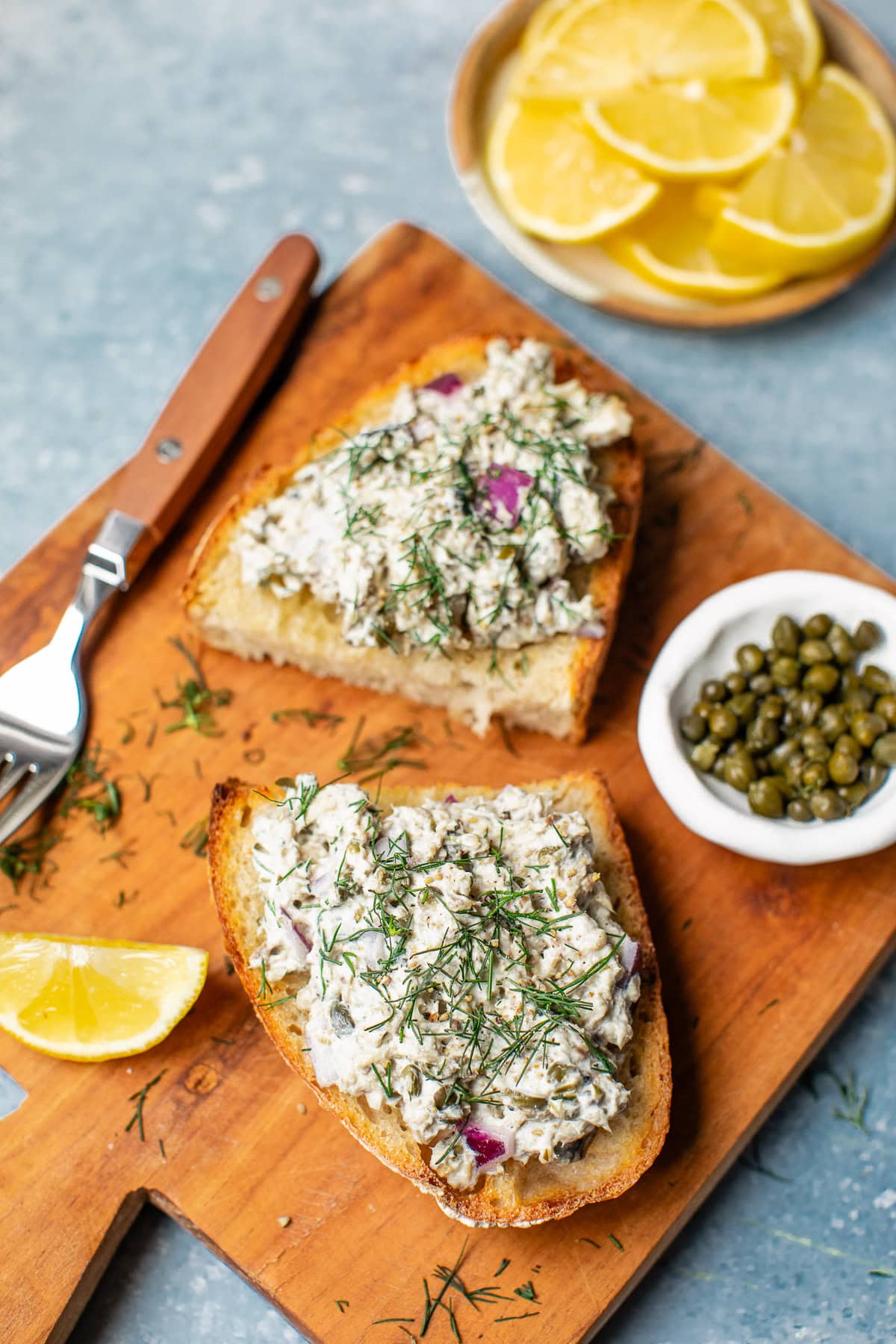
Ultimately, this bright and briny sardine salad exemplifies how simple, accessible ingredients can be elevated into a sophisticated, health-conscious dish. By offering an alternative to traditional tuna preparations, it invites consumers to explore new avenues of nutrition without sacrificing flavor, culinary satisfaction, or precious time in the kitchen.