3 exercises target the real reason sleep apnea happens — weight loss only fixes it 1 in 3 times.

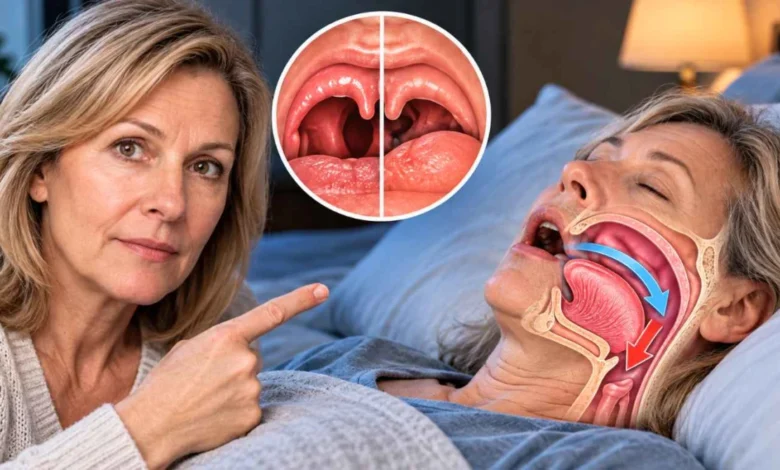
Obstructive Sleep Apnea (OSA) affects an estimated one billion individuals globally, according to data from the Lancet Respiratory Medicine commission. For decades, the primary clinical recommendation for patients struggling with the disorder has been weight management. However, recent physiological insights suggest that while excess adipose tissue can exacerbate airway narrowing, it is not the sole, or even the primary, driver for the majority of cases. Clinical evidence now indicates that weight loss successfully resolves sleep apnea in only about 33 percent of patients, leaving a significant gap in treatment strategies for those who remain symptomatic despite achieving a healthy body mass index.
The root of the issue often lies in the structural integrity of the upper airway. The pharyngeal airway is supported by a complex network of approximately 20 muscles. When these muscles lose tone—or "myofunctional capacity"—they become lax and increase in volume, physically encroaching on the space required for unobstructed breathing. This collapse is particularly prevalent during the transition into deep sleep, when the body’s muscle tone naturally diminishes. Gravity further complicates this, as the tongue, if lacking sufficient tone, tends to migrate backward, effectively acting as a plug that shuts off the airway.
The Role of Myofunctional Therapy in Clinical Practice
Myofunctional therapy has emerged as a scientifically grounded, conservative approach to addressing these muscular deficits. By applying the principles of physical therapy to the oropharyngeal region, patients can improve the resting posture of the tongue, the lift of the soft palate, and the tension of the cheek muscles. While this is not a panacea for all forms of sleep-disordered breathing, it provides a functional intervention that addresses the underlying muscular etiology of airway obstruction.
Researchers and sleep specialists have identified three primary exercises that, when performed consistently, show promise in strengthening the throat’s structural support.
Targeted Oropharyngeal Exercises
The first and most critical intervention is the Tongue Root Press. Anatomical studies suggest that the base of the tongue is a major contributor to airway collapse. To execute this, the patient places the tip of the tongue behind the upper front teeth, then presses the entire length of the tongue—from tip to base—firmly against the roof of the mouth. Maintaining this suction-like seal for five seconds, followed by a two-second rest, and repeating this sequence 15 times, engages the deep musculature of the tongue base.
The second exercise, the Palate Lift, addresses the vibration of the soft palate, which is the primary source of the acoustic phenomenon known as snoring. By opening the mouth wide and actively lifting the soft palate—mimicking the initial stage of a yawn—without producing sound, patients can tighten the tissue that often sags during sleep. Repeating this lift 20 times daily helps increase the structural rigidity of the uvula and soft palate.
The final component is the Cheek Suction and Hold. This exercise involves inhaling through the nose while drawing the cheeks inward between the teeth, followed by an immediate reversal where the cheeks are pushed outward while the lips remain sealed. This five-cycle routine strengthens the buccinator muscles, which contribute to the overall stability of the oral cavity.
The Physiological Importance of Nasal Breathing
Beyond isolated muscle exercises, the shift from mouth breathing to nasal breathing is paramount. Mouth breathing bypasses the natural filtering, warming, and humidification processes of the nasal passages. More importantly, nasal breathing creates a physiological resistance that helps regulate the body’s oxygen-to-carbon-dioxide ratio. While mouth breathers often feel as though they are receiving more air, the lack of resistance can lead to hyperventilation and poor blood-gas equilibrium. Experts suggest that using medical-grade mouth tape at night can assist in training the body to favor nasal respiration, thereby maintaining airway stability throughout the sleep cycle.

Environmental and Nutritional Modifiers
The impact of lifestyle choices on sleep apnea cannot be overstated. Alcohol, a potent central nervous system depressant, relaxes the nerves that govern throat muscle contractions. Even moderate consumption before bed can significantly increase the frequency of apnea events.
Furthermore, a recurring correlation exists between sleep apnea and vitamin D deficiency. Emerging research suggests that vitamin D plays a role in muscular function and systemic inflammation. However, the medical community warns against blind supplementation. Excessive vitamin D intake can lead to hypercalcemia, or dangerous calcium buildup. Before initiating a regimen, patients are advised to undergo blood testing. If supplementation is deemed necessary by a physician, it is often paired with vitamin K2 and magnesium to ensure proper calcium utilization in the body.
Contextualizing the Data and Clinical Reality
It is essential to clarify that these exercises should be viewed as complementary rather than primary therapies, especially for those with moderate-to-severe sleep apnea. The gold standard for treatment remains Continuous Positive Airway Pressure (CPAP) therapy. CPAP works by delivering a constant stream of pressurized air that acts as a pneumatic splint, keeping the airway open regardless of muscle tone.
The risks of leaving sleep apnea untreated are substantial. Chronic hypoxia—the intermittent deprivation of oxygen—is strongly linked to hypertension, atrial fibrillation, type 2 diabetes, and an increased risk of stroke. Therefore, any modification to a prescribed treatment plan, such as the introduction of myofunctional therapy, must be coordinated with a sleep specialist. A physician may suggest a follow-up polysomnography (sleep study) to objectively measure if the exercises have resulted in a measurable reduction in the Apnea-Hypopnea Index (AHI).
Chronology of Care and Long-term Prognosis
Patients who incorporate these exercises into their daily routine—a commitment of approximately seven minutes per day—often report subjective improvements within the first week. However, longitudinal studies suggest that it takes at least two months of consistent, daily practice to see meaningful, lasting changes in muscle tone.
The progression of care typically follows this trajectory:
- Assessment: Clinical diagnosis via sleep study to determine severity.
- Primary Intervention: Initiation of CPAP or oral appliance therapy to prevent immediate cardiovascular risk.
- Supplementary Training: Implementation of myofunctional exercises and nasal breathing training to support structural health.
- Monitoring: Regular blood work for vitamin levels and periodic follow-up sleep studies to assess the efficacy of the comprehensive management plan.
Broader Implications for Public Health
The realization that weight loss is not a universal cure has forced a shift in public health messaging. For years, the stigma surrounding obesity led many individuals to assume that if they were not overweight, they were not at risk for sleep apnea. This misconception has led to widespread under-diagnosis among athletic and thin populations who may have structural issues, such as narrow palates or enlarged tonsils, that predispose them to the condition.
By acknowledging that sleep apnea is a multi-factorial condition involving anatomy, muscle tone, and systemic health, the medical community is moving toward a more personalized approach. This shift acknowledges that while lifestyle modification is necessary, it must be paired with functional therapies that address the mechanical realities of the human airway.
In conclusion, while the three-part exercise routine and nasal breathing habits offer a promising avenue for improving airway health, they do not replace the need for professional clinical management. Patients are encouraged to use these tools as part of a broader health strategy, always under the supervision of a licensed medical practitioner. As research continues to evolve, the integration of these conservative, non-invasive therapies into mainstream sleep medicine may significantly improve the quality of life for millions currently struggling to find relief from the debilitating effects of sleep apnea.