Beyond the Bullseye: Navigating the Complex Realities, Persistent Misconceptions, and Advanced Integrative Treatments for Lyme Disease

The popular public perception of Lyme disease is often defined by a singular, straightforward sequence: an outdoor excursion, the discovery of a tick bite accompanied by a characteristic bullseye rash, and a rapid, uncomplicated resolution following a standard course of antibiotics. However, according to leading clinicians and researchers in the field of tick-borne illnesses, this conventional narrative represents only a fraction of clinical reality. In practice, Lyme disease is frequently far more complex, difficult to diagnose, and resistant to standard treatment protocols than widely understood by both patients and the general medical community.
Triggered primarily by the spirochete bacterium Borrelia burgdorferi, Lyme disease is transmitted through the bite of infected blacklegged ticks. Because these vectors frequently harbor multiple pathogens simultaneously, patients are often exposed to a cocktail of bacterial, parasitic, or viral co-infections alongside Borrelia. These hidden variables complicate clinical presentations, making accurate diagnoses and targeted treatment plans significantly more challenging than standard acute care models typically account for.
The Anatomy of an Undetected Threat: Pathogen Transmission and Initial Infection
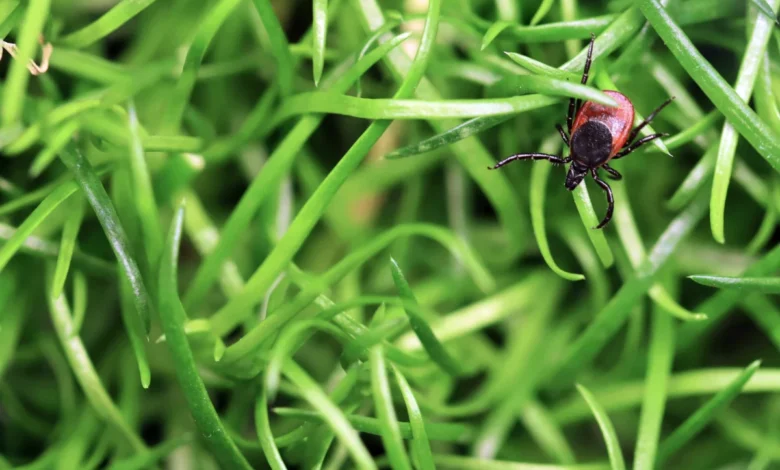
To understand why Lyme disease frequently evades early detection, medical experts point to the physical characteristics and behavioral mechanisms of the tick vector itself. In many cases of transmission, the culprit is a nymph—the juvenile stage of the tick—which is roughly the size of a poppy seed or the tip of a ballpoint pen. Because nymphs are exceedingly difficult to spot and their saliva contains natural anesthetic properties, individuals are rarely aware that they have been bitten.
Even when a bite is noticed, the local cutaneous reaction often presents merely as an unremarkable red spot rather than the classic erythema migrans, or bullseye rash. Epidemiological data indicates that the textbook bullseye rash occurs in a smaller percentage of cases than commonly believed, frequently leading physicians and patients alike to misidentify the dermal reaction as an insect bite, a localized allergic reaction, or a minor skin irritation.
Furthermore, because Borrelia burgdorferi and its accompanying pathogens proliferate slowly within the human body, the most common initial symptom of a tick bite is often no symptom at all. Weeks or months may pass before acute or subacute manifestations emerge, blurring the temporal connection between the initial outdoor exposure and the onset of systemic illness. When clinical signs finally do materialize, they are frequently misattributed to unrelated viral illnesses, chronic fatigue syndromes, or standard musculoskeletal strains.
The Challenge of Co-Infections and the Great Imitator
When symptoms eventually manifest, they may stem directly from Borrelia burgdorferi or from secondary co-infections introduced during the initial tick bite. Pathogens such as Anaplasma and Ehrlichia can provoke acute, severe illnesses within days or weeks, characterized by high fevers, debilitating fatigue, cognitive dysfunction, severe muscle aches, and arthralgia.
Clinicians often refer to Lyme disease as "the great imitator" due to its ability to mimic a vast array of systemic medical conditions. The bacterium and its accompanying co-infections can systematically impact neurological, cardiac, musculoskeletal, and gastrointestinal systems. For instance, while joint pain is a frequent complaint, Lyme-related arthralgia often exhibits a distinctive migratory pattern—shifting unpredictably from one joint to another rather than remaining localized.
Beyond joint discomfort, patients frequently report neurological and cognitive symptoms, including short-term memory deficits, severe headaches, sleep architecture disturbances, peripheral neuropathies, and mood alterations such as depression. In more severe cardiac manifestations, patients may experience carditis, presenting as heart block, arrhythmias, or unexplained fainting spells, which require urgent medical intervention.
Limitations of Diagnostic Testing and Conventional Treatment Protocols
A major bottleneck in the management of tick-borne illnesses lies in the limitations of current diagnostic methodologies. Standard clinical testing for Lyme disease relies heavily on indirect serological assays—such as ELISA and Western blot tests—which measure the host’s immune response rather than detecting the physical presence of the pathogen itself.
Because the human immune system can take weeks to manufacture detectable levels of antibodies following an infection, early testing frequently yields false-negative results. Conversely, testing performed too late in the chronic phase of the illness can also miss active infections. Consequently, medical experts emphasize that diagnostic evaluations must be anchored in a comprehensive clinical history and thorough patient evaluation rather than relying solely on binary laboratory readouts.
Therapeutic approaches are similarly fraught with challenges. Conventional medicine has traditionally treated bacterial infections with short-course antibiotic regimens designed for fast-reproducing microbes. However, Borrelia burgdorferi exhibits an exceptionally slow reproductive cycle, often taking days or weeks to divide. Furthermore, these spirochetes possess sophisticated defense mechanisms, including the ability to form protective biofilms and embed themselves deep within avascular tissues where standard systemic blood flow—and consequently, circulating antibiotics—cannot adequately reach.

Short-course antibiotic therapies often fail to eradicate these protected, dormant bacterial populations, leading to persistent symptoms that are frequently dismissed or mislabeled as post-treatment Lyme disease syndrome. In reality, many chronic cases reflect unresolved, multi-pathogen infections that require a broader, more individualized clinical strategy.
Integrating Whole-Patient Care: Nutrition, Lifestyle, and Medical Evaluation
Addressing the multi-systemic nature of chronic tick-borne illnesses requires a comprehensive, holistic evaluation framework. Leading integrative medicine practitioners advocate for extended initial consultations—often lasting an hour or more—to compile exhaustive patient histories that capture environmental risk factors, occupational exposures, domestic animal interactions, and detailed symptom timelines.
Within this holistic model, lifestyle modifications and nutritional interventions play a critical foundational role in patient recovery. Chronic inflammation acts as a primary driver of symptoms across multiple organ systems in Lyme disease patients. Dietary patterns that promote systemic inflammation—such as diets heavy in processed foods, refined carbohydrates, and added sugars—can negatively alter the gut microbiome and exacerbate inflammatory cascades.
Clinical care plans routinely incorporate customized nutritional therapy in collaboration with clinical dietitians. Patients are guided away from pro-inflammatory dietary staples toward nutrient-dense, whole-food protocols designed to support immune function and reduce systemic inflammation. Simultaneously, because chronic, debilitating illness takes a severe psychological toll on patients, mental health support, emotional counseling, and stress-reduction techniques are integrated as essential pillars of comprehensive recovery.
Advancements in Adjunctive Therapeutics: Hyperbaric Oxygen Therapy
As medical science seeks more effective modalities to combat entrenched, treatment-resistant tick-borne infections, innovative adjunctive therapies are gaining prominence in specialized clinical settings. One such advancement is Hyperbaric Oxygen Therapy (HBOT), which has emerged as a powerful tool in the comprehensive management of chronic Lyme disease.
HBOT involves placing the patient inside a pressurized chamber where they breathe pure oxygen, significantly increasing atmospheric pressure and saturating blood plasma with oxygen. This hyper-oxygenated state allows oxygen to diffuse effectively into poorly perfused tissues and avascular regions that are otherwise difficult for red blood cells and standard systemic medications to reach.
From an antimicrobial perspective, hyperbaric oxygen serves a dual purpose. Borrelia burgdorferi and many common tick-borne co-infections are microaerophilic or anaerobic organisms that thrive in low-oxygen environments; they do not tolerate high concentrations of oxygen well. While bacterial biofilms can successfully shield pathogens from circulating immune cells and standard antibiotic doses, they cannot protect against hyperbaric levels of dissolved oxygen.
Furthermore, HBOT stimulates angiogenesis—the formation of new blood vessels—which permanently improves local tissue microcirculation and enhances the efficacy of subsequent antimicrobial therapies. Clinical observations indicate that incorporating hyperbaric oxygen into a structured treatment regimen can significantly accelerate tissue healing, reduce neuroinflammation, clear stubborn "brain fog," improve energy levels, and alleviate chronic musculoskeletal pain.
Broader Implications and Future Outlook for Lyme Disease Management
The growing recognition of the complexities surrounding tick-borne illnesses highlights an urgent need for shifts in public health policy, clinical education, and diagnostic standards. As climate change and warming temperatures expand the geographical habitat and active seasons of blacklegged ticks, incidence rates of Lyme disease and its co-infections are projected to rise across North America, Europe, and parts of Asia.
Public health organizations stress that prevention remains the most effective line of defense. Recommendations include practicing rigorous tick checks after outdoor activities, utilizing EPA-registered insect repellents, wearing protective clothing, and properly landscaping residential properties to reduce tick habitats.
However, for the hundreds of thousands of individuals who contract tick-borne infections annually, the medical establishment faces a pressing imperative to move beyond rigid, single-pathogen diagnostic models. By embracing comprehensive clinical evaluations, recognizing the complex interplay of co-infections, and integrating advanced multi-modal therapies like hyperbaric oxygen and individualized nutritional support, modern medicine can offer a more hopeful and effective pathway toward true recovery for patients navigating the labyrinth of chronic Lyme disease.
Related posts: