Smash Chicken Caesar Tacos: An Innovative Fusion of Culinary Traditions and Nutritional Balance


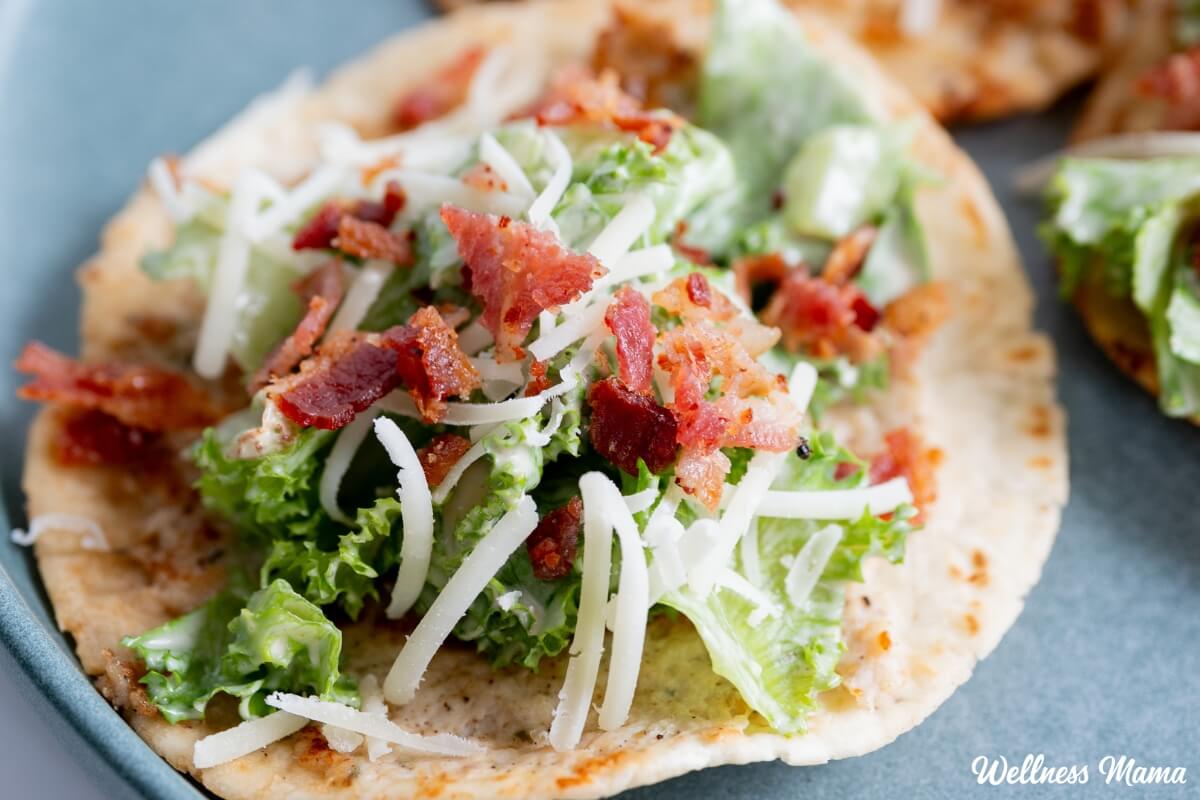
The evolution of modern home cooking has increasingly centered on the fusion of classic flavors with high-protein, nutrient-dense preparations. A recent development in this culinary space is the emergence of "Smash Chicken Caesar Tacos," a dish that bridges the gap between the traditional Italian-American Caesar salad and the popular "smash" technique currently dominating casual dining trends. By adhering to the structural requirements of a taco—using a tortilla as a delivery vehicle for seasoned protein and fresh greens—this recipe provides a functional, balanced meal that aligns with contemporary dietary preferences for increased protein intake and healthy fat consumption.
The Genesis of the Smash Technique in Home Cooking
The "smash" method, popularized by the burger industry, involves pressing a protein mixture onto a hot cooking surface to maximize the Maillard reaction—the chemical reaction between amino acids and reducing sugars that gives browned food its distinctive flavor. When applied to chicken, this technique creates a crispy, golden-brown crust while maintaining the internal moisture of the meat.
Historically, the Caesar salad, attributed to Caesar Cardini in the 1920s, has remained a fixture of global gastronomy, relying on a specific emulsification of anchovies, garlic, olive oil, and Parmesan cheese. Integrating these flavor profiles into a handheld format represents a significant shift in how home cooks approach traditional recipes. By utilizing the tortilla as a structural foundation, the dish facilitates a convenient, portable, and nutritionally comprehensive meal.
Nutritional Composition and Dietary Analysis
The nutritional profile of this dish is characterized by a high protein density and a focus on monounsaturated fats. According to standard dietary analysis, a single serving of these tacos provides approximately 19 grams of protein and 36 grams of total fat. This composition supports the current trend toward moderate-carbohydrate, high-protein eating patterns.
The inclusion of anchovy paste and high-quality mayonnaise in the dressing contributes essential omega-3 fatty acids and fat-soluble vitamins, which are crucial for cardiovascular and neurological health. Furthermore, the use of diverse flour alternatives—such as almond or cassava—for the tortilla shells offers a viable option for those adhering to gluten-free or grain-free diets, reflecting a broader market shift toward allergen-conscious cooking.
Chronology of Preparation and Implementation
The preparation process for Smash Chicken Caesar Tacos can be categorized into three distinct phases: prep, assembly, and thermal processing.
- Pre-processing (The Dressing): The foundation of the flavor profile is the emulsified dressing. Culinary experts recommend preparing the sauce in advance, as the aging process allows the anchovy paste, garlic, and citrus components to undergo a chemical maturation, enhancing the overall depth of the emulsion.
- The Protein Base: The chicken is seasoned with a specific blend of Italian herbs, lemon pepper, and aromatics. This mixture is then applied directly to the tortilla surface. The "smashing" process occurs upon contact with a preheated skillet or griddle. This requires precise temperature control; if the surface is too cool, the protein will fail to develop the necessary crust, whereas an excessively hot surface may lead to the degradation of the tortilla base.
- Final Assembly: Once the chicken achieves a golden-brown consistency, the taco is typically finished with fresh romaine lettuce and shaved Parmesan. The contrast between the hot, crispy protein and the chilled, crisp greens is a hallmark of this dish’s textural appeal.
Industry Trends and Consumer Adoption
Market data suggests that home cooks are increasingly seeking "fusion-efficient" recipes—dishes that combine two recognizable concepts into one streamlined meal. The success of the Smash Chicken Caesar Taco reflects a broader trend in the food industry where accessibility meets complexity. By utilizing pantry staples such as avocado oil-based mayonnaise and pre-blended Italian seasonings, the recipe caters to time-constrained households while maintaining a high standard of ingredient quality.
Industry analysts note that platforms such as Thrive Market and the expansion of organic, clean-label options in mainstream retail have made the procurement of these specific ingredients significantly more efficient for the average consumer. This democratization of high-quality, whole-food ingredients has allowed recipes that were once considered "niche" or "labor-intensive" to become standard components of weekly meal planning.
Implications for Modern Meal Planning
The shift toward meal-prep-friendly recipes has had a measurable impact on household food waste and efficiency. By allowing the components of the Smash Chicken Caesar Tacos—the seasoned protein and the emulsified dressing—to be prepared in advance, consumers can significantly reduce the "barrier to entry" for home cooking during the work week.
From a public health perspective, the movement toward replacing traditional, processed snacks with balanced, protein-rich alternatives like these tacos is viewed positively by nutritionists. The dish provides a controlled environment for caloric and macronutrient intake, contrasting with the often unpredictable nutritional density of restaurant-prepared "fusion" foods.
Expert Perspectives on Culinary Evolution
Professional chefs often highlight the importance of the "balance of acidity" in modern taco variations. In the case of the Caesar taco, the acidity from the lemon juice and the salinity from the Parmesan cheese serve as the primary drivers of the flavor profile. This balance is critical; without the brightness of the citrus, the richness of the chicken and the density of the mayonnaise would potentially overwhelm the palate.
Furthermore, the versatility of the recipe allows for modular additions. The inclusion of ingredients such as bacon or specific varieties of fermented vegetables can alter the flavor landscape, allowing for a personalized dining experience. Such modularity is a key driver in the popularity of these recipes, as it empowers the consumer to act as an agent of their own dietary choices.
Future Outlook for Fusion Concepts
As consumer interest in gut health and nutrient bioavailability continues to grow, it is likely that future iterations of these recipes will incorporate more fermented elements. The traditional Caesar dressing already relies on the umami-rich fermentation of anchovies, which serves as a biological foundation for further culinary experimentation.
The successful integration of the smash technique into the taco format suggests that the boundaries between different global cuisines will continue to blur. This trend is not merely a novelty; it is a pragmatic response to the needs of modern consumers who prioritize efficiency, health, and flavor. As more home cooks adopt these methodologies, the baseline expectation for "quick, healthy, and delicious" will continue to evolve, pushing the boundaries of what constitutes a "standard" home-cooked meal.
Summary of Nutritional Data and Serving Guidelines
For those interested in the specific metrics of this preparation, the following breakdown serves as a guideline for dietary monitoring:
- Protein Content: 19g per serving, derived from high-quality animal protein and secondary sources in the dressing.
- Lipid Profile: 36g of fat, including a balanced ratio of monounsaturated and polyunsaturated fats.
- Micronutrient Density: High levels of Vitamin A and Calcium, stemming from the inclusion of dairy-based components and leafy greens.
- Electrolyte Balance: Sodium levels are elevated, as is common in traditional Caesar preparations, necessitating moderation for individuals with specific cardiovascular restrictions.
In conclusion, the Smash Chicken Caesar Taco is more than a creative culinary exercise; it is a manifestation of the modern intersection between traditional flavor profiles and the contemporary demand for protein-dense, efficient meal preparation. By understanding the mechanical and chemical processes involved—from the Maillard reaction on the skillet to the aging of the dressing—home cooks can successfully replicate a high-quality, balanced meal that reflects the best practices of modern gastronomy. As the culinary landscape continues to adapt to the fast-paced nature of modern life, such fusion recipes will likely remain at the forefront of home cooking innovation, offering a reliable path to nutritional and sensory satisfaction.
Related posts: