Blynda Vidock at 105: The Intersection of Longevity Science and a Century of Lived Experience

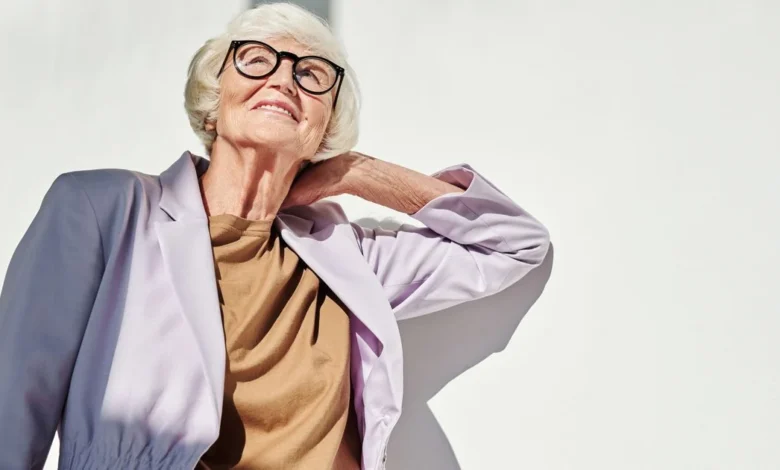
Blynda Vidock turned 105 years old in Baytown, Texas in 2026, still walking around under her own power, telling jokes about being "queen for a day," and gently scolding her great-grandchildren for eating junk food. Her milestone birthday, celebrated at The Waterford at Baytown, serves as more than just a personal triumph; it provides a living case study for researchers investigating the complex interplay between genetics, environment, and lifestyle habits in the pursuit of healthy aging. While the scientific community remains cautious about drawing definitive conclusions from individual cases, Vidock’s life path mirrors the primary pillars often cited in contemporary gerontology.
A Century of History: From the Jazz Age to the Digital Era
Born in 1921, Vidock’s life has spanned the most transformative century in human history. Growing up in West Palm Beach, Florida, during the interwar period, she entered the workforce at a time when societal roles for women were vastly different from those of today. Her early career at a local bank, where she recalls encounters with cultural icons such as Clark Gable and Fred Astaire, offers a window into an era defined by pre-war glamour and economic transition.
The trajectory of her life was fundamentally altered by the onset of World War II. During this period, she engaged in volunteer work with the United Service Organizations (USO), a role that brought her into contact with Coast Guardsman Charles "Chuck" Vidock. Their subsequent marriage in 1946 marked the beginning of a partnership that would last decades, characterized by extensive global travel and a commitment to shared experiences. As she reached her 105th year, Vidock remains a repository of historical memory, having witnessed the shift from the industrial age to the current era of rapid technological advancement, all while maintaining the mental acuity that often escapes individuals half her age.
The Scientific Framework of Longevity
Modern longevity science has moved away from the search for "magic pills" or singular biohacks, focusing instead on the concept of "healthspan"—the period of life spent in good health, free from chronic disease. Dr. Annu Navani, a specialist in regenerative and longevity medicine, posits that longevity is a cumulative result of foundational habits. Among these, quality sleep is paramount. Clinical data consistently correlates sleep deprivation with increased risks of cardiovascular disease, cognitive decline, and metabolic dysfunction. For an individual like Vidock, who emphasizes moderate habits, the biological necessity of restorative sleep aligns with current research suggesting that the body requires approximately seven hours of sleep to facilitate cellular repair and clear metabolic waste from the brain.
Physical activity, another cornerstone of Vidock’s lifestyle, is perhaps the most well-documented intervention for extending healthspan. Throughout her life, Vidock remained active, favoring swimming and tennis—low-impact, aerobic activities that bolster cardiovascular health and musculoskeletal integrity. Public health guidelines, such as those provided by the World Health Organization and the CDC, recommend a minimum of 150 minutes of moderate-intensity aerobic exercise per week. The benefit of this consistency is clear: sustained physical movement improves insulin sensitivity, reduces systemic inflammation, and helps maintain muscle mass, which is a critical predictor of functional independence in the ninth and tenth decades of life.
Nutrition and the "Inflammaging" Phenomenon
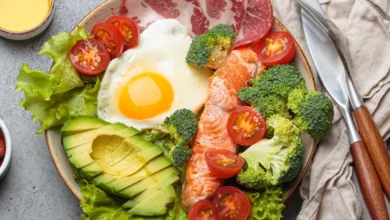
The relationship between diet and longevity is increasingly framed through the lens of "inflammaging"—the chronic, low-grade inflammation that accelerates biological aging. Vidock’s preference for a balanced, vegetable-forward diet is consistent with the Mediterranean eating pattern, which is widely recognized in peer-reviewed literature for its ability to mitigate oxidative stress. A 2024 analysis from Harvard Health, which followed 25,000 women over a 25-year period, reaffirmed that adherence to this dietary framework significantly lowers all-cause mortality.
The mechanism is largely attributed to the reduction of processed foods, which are often high in refined sugars and trans fats—compounds that trigger inflammatory responses in the body. By advocating for whole, nutrient-dense foods, Vidock’s approach aligns with nutritional science that seeks to keep the immune system from entering a state of persistent, damaging activation.
The Role of Social Cohesion and Psychological Well-being
Perhaps the most compelling aspect of Vidock’s longevity is the breadth of her social network. Spanning five generations of family, her connections serve as a protective factor against the physiological ravages of loneliness. A landmark meta-analysis of 148 studies demonstrated that strong social relationships are associated with a 50% increase in the likelihood of survival. This is not merely an emotional benefit; social isolation has been clinically linked to increased levels of cortisol and markers of inflammation, effectively acting as a risk factor comparable to smoking or physical inactivity.
Furthermore, the "soft" skill of attitude is increasingly treated as a hard metric in longevity research. Studies published in the Journal of Aging Research indicate that individuals with a positive, purpose-driven outlook on life exhibit lower mortality rates. For Vidock, this outlook is deeply embedded in her faith, which she credits as her primary motivator. This sense of purpose—often referred to as ikigai in Japanese longevity research—provides a psychological buffer that assists in managing the inevitable stressors of a century-long life.
Clinical Perspective and Ethical Implications
While Vidock’s longevity is exceptional, medical professionals caution against the assumption that lifestyle alone guarantees a centenarian existence. Genetics play a non-negligible role, particularly in the expression of protective genes that may mitigate the impact of environmental stressors. However, the synthesis of her habits—moderation in diet, consistent movement, rigorous sleep hygiene, and the cultivation of deep social ties—represents the most effective "anti-aging" strategy currently supported by empirical evidence.
The broader implication for public health is significant. As global populations age, the objective of modern medicine is shifting from extending the lifespan at any cost to maximizing the quality of those years. The "longevity medicine" movement, as described by Dr. Navani, emphasizes that the goal is not to live forever, but to remain autonomous, sharp, and physically capable. By focusing on the foundational pillars—sleep, movement, nutrition, and connection—individuals can potentially shift their trajectory toward a more vibrant later life.
Conclusion: A Legacy of Balance
Blynda Vidock’s 105-year journey is a testament to the power of a balanced existence. In an age of rapid medical innovation and the proliferation of wellness fads, her story serves as a reminder that the most potent interventions are often the most accessible. She did not rely on synthetic supplements or experimental procedures; she relied on the discipline of moderation and the strength of her human connections.
As she moves into her 106th year, surrounded by five generations of family, Vidock remains an outlier in age, but a model for healthy aging. Her life underscores a fundamental truth in gerontology: while we cannot control the genetic cards we are dealt, we have significant agency over the environmental and behavioral factors that determine how those genes are expressed. For those seeking to age well, the roadmap provided by a century of experience is clear: prioritize the basics, remain physically and socially active, and cultivate a sense of gratitude for each day. As Vidock herself notes, the secret to reaching 105 is not found in a laboratory, but in the intentional, daily pursuit of a life well-lived.